
"The Wind in the Willows" by Kenneth Grahame.
I guess, C.S.Lewis was right.

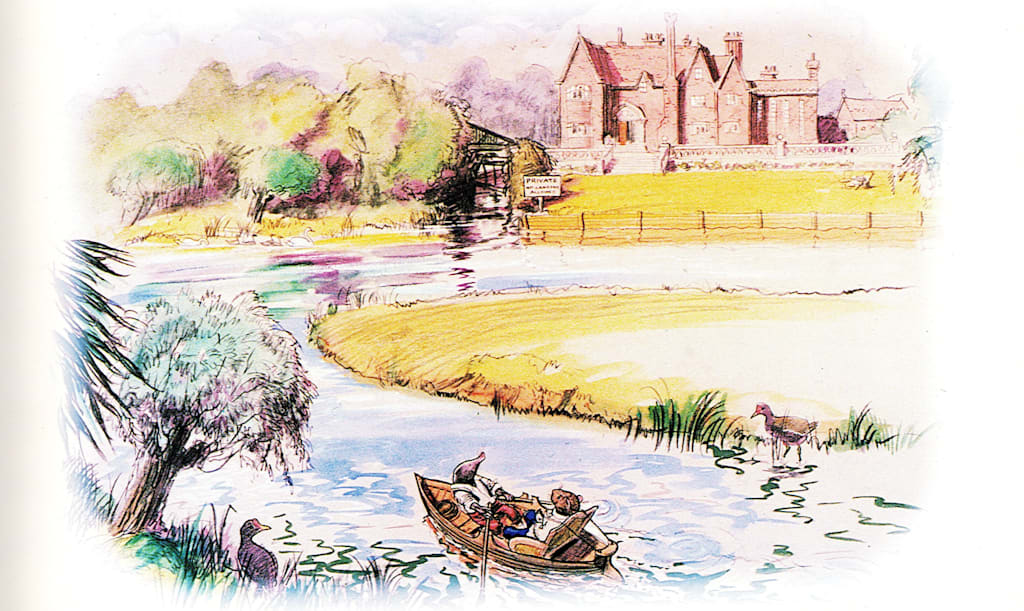
There are many books that belong to the list “You should reread it when you’re older” and “The Wind in the Willows” by Kenneth Grahame definitely is one of them.
“The Wind in the Willows” is a children’s classic published in 1908. It is a novel about a group of friends and their life on the riverbank. A story about friendship, the river and the willows, and today I want to take you to a journey where we are going to talk about the story behind the Willows.
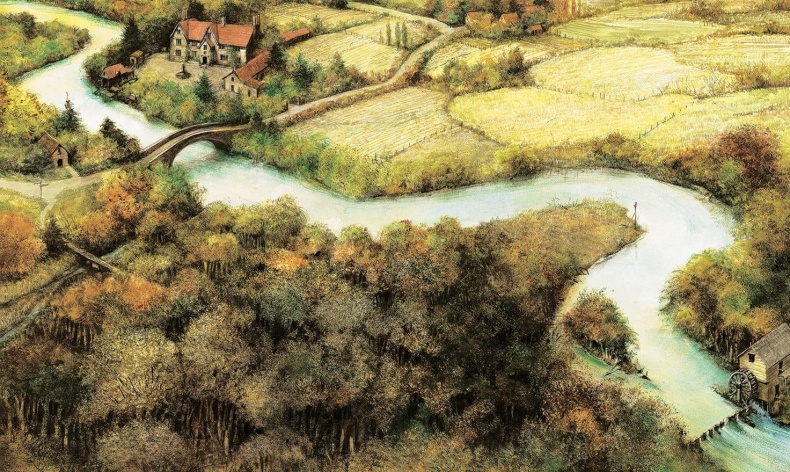
First thing first, we need to talk a little about the plot.
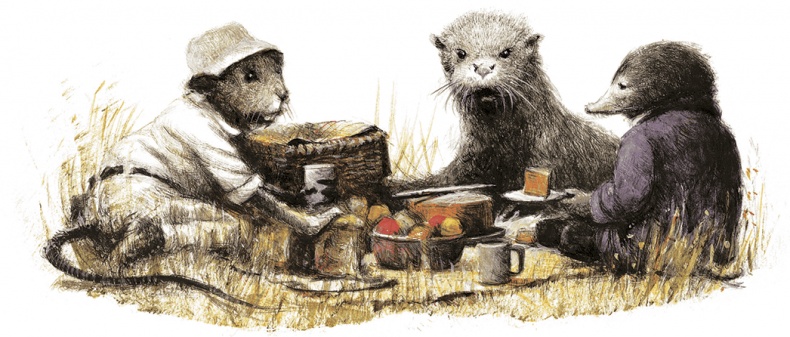
In the story we’re following Ratty (a water rat), Mole (a mole) and Badger (a badger) who attempt to help their friend Mr. Toad (you’ve got it, a toad) who becomes very dangerously obsessed with motorcars. For the record, Mr. Toad is a very rich fellow, who inherited all his money from his father, and therefore spends it recklessly on the new obsession every other month. Along the way the book is filled with British humor, beautiful nature and diverse characters.
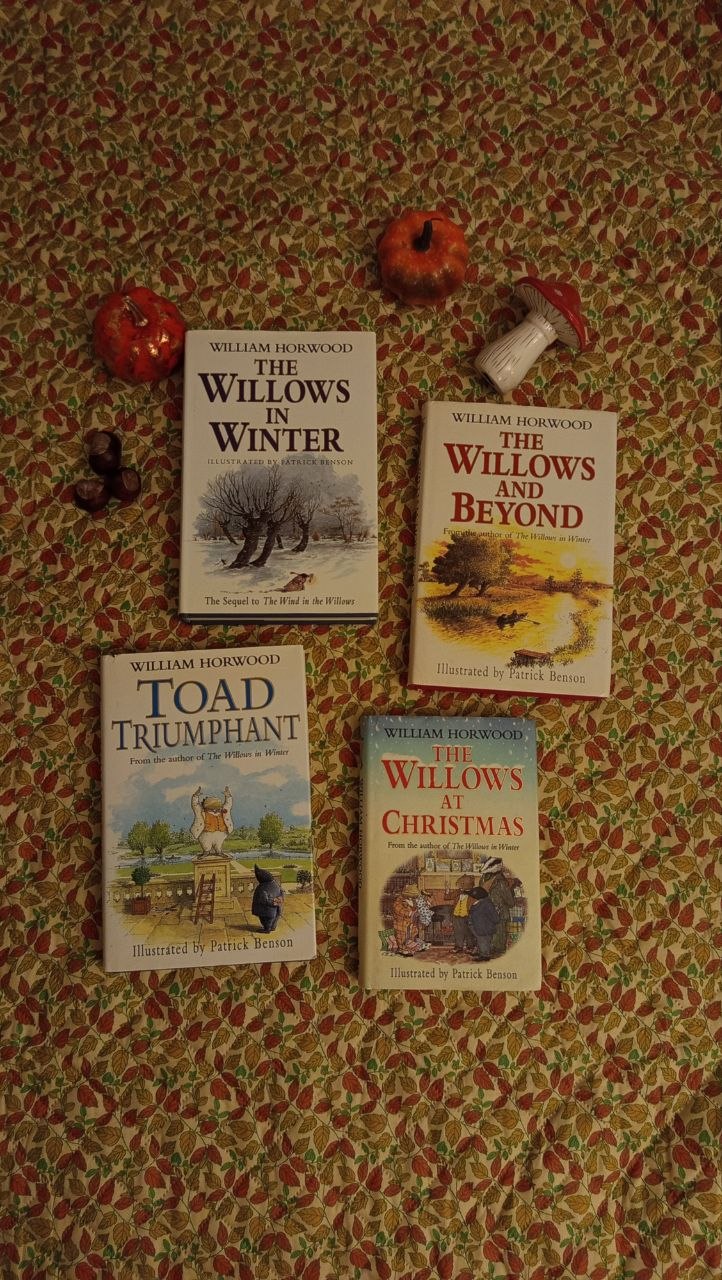
It is also fair to mention a sequel to the original Grahame’s story that was written by another British author -William Horwood. He wrote four more books about the original friendship group: “The Willows in Winter”, “Toad Triumphant”, “The Willows and Beyond” and “The Willows at Christmas”. Mr. Horwood continued Grahame’s style brilliantly: same beautiful manner, amazingly written characters and this thin line between simple story and something more.
The origin of the novel.
It is widely known that Grahame wrote this book based on the bedtime stories he told to his son Alistair, who also died at a very young age in strange circumstances (some said it was suicide).
Grahame’s life wasn’t the happiest one or the easiest by any means. He had a harsh childhood and, later on, a very complicated relationship with his wife that became even worse when Alistair died. So, in some sense, he found a much needed joy in writing.
When the novel was published critics said "Nonsense of poor quality”. Luckily, as with many other classics, the book found its appreciation and became fundamental for British children’s literature along with books by Beatrix Potter, Clive Staples Lewis and J.R.R. Tolkien.
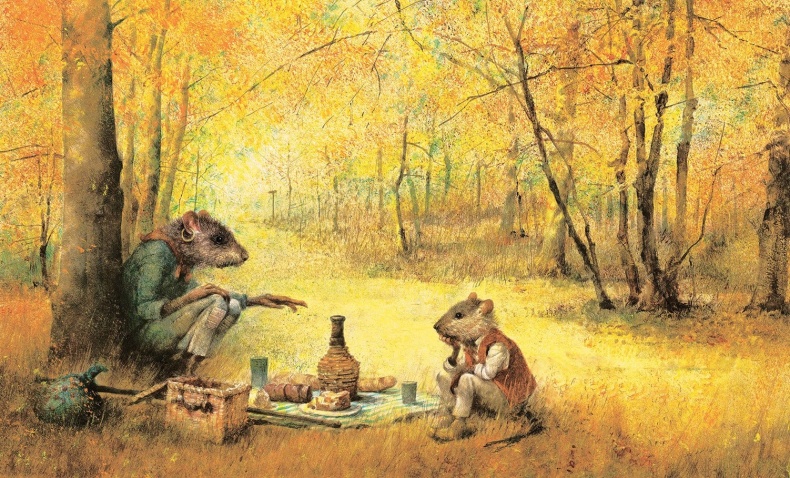
Home, friendship and nature.
Behind the easy and hopeful plot there’s some message that I’m sure readers can only understand and truly appreciate when they are older (I did).
Themes of home, friendship and nature are fundamental for the storyline. It’s clear the author poured all his feelings towards these crucial themes and it is what we as a modern society can learn from Edwardian times.
Home.
In the book Ratty, Molle, Mr. Toad and Budger are closely connected to their homes. It represents their character and safe harbor. Each home is different and we’re getting to know each and every one during the story, which allows us readers to connect closer to the characters. The warm colors that are painted in the books and described by the author are giving a sense of nostalgia of the days when everything was easier and more colorful (for each person it is different. It might be their childhood or just a long past.)
Friendship.
All four of the main characters are close friends even though we see clear conflicts between them, especially with Mr.Toad. It shows the value of friends, who can stay true to you, being honest when you do wrong but still be supportive.
Nature.
Graham wrote down all his love towards nature in this book. His adoration of the countryside life and the river is what shapes the story in “The Wind in the Willows”.
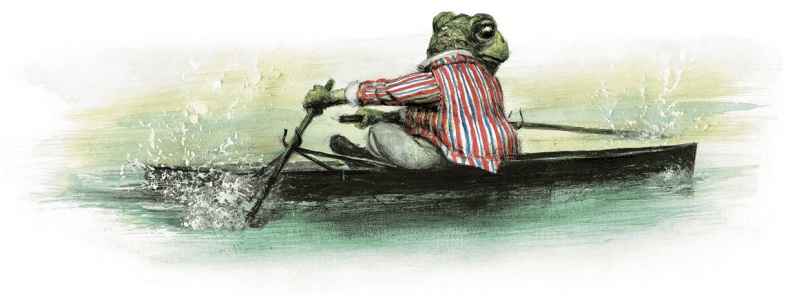
At the beginning Ratty says: “Believe me, my young friend, there is nothing – absolutely nothing – half so much worth doing as simply messing about in boats.” The pure enjoyment of nature is what we as a modern society lost somewhere along the way and the book gives a vision of what we’re missing. (I’m serious. Every time I think about this quote I want to go play in nature.)
The deleted chapter.
Although “The Wind in the Willows” is known for its kind and joyful message there once was a darker side to the story. At least many literature scholars say so. By that they mean a deleted chapter that brings a much more complicated side to the story.
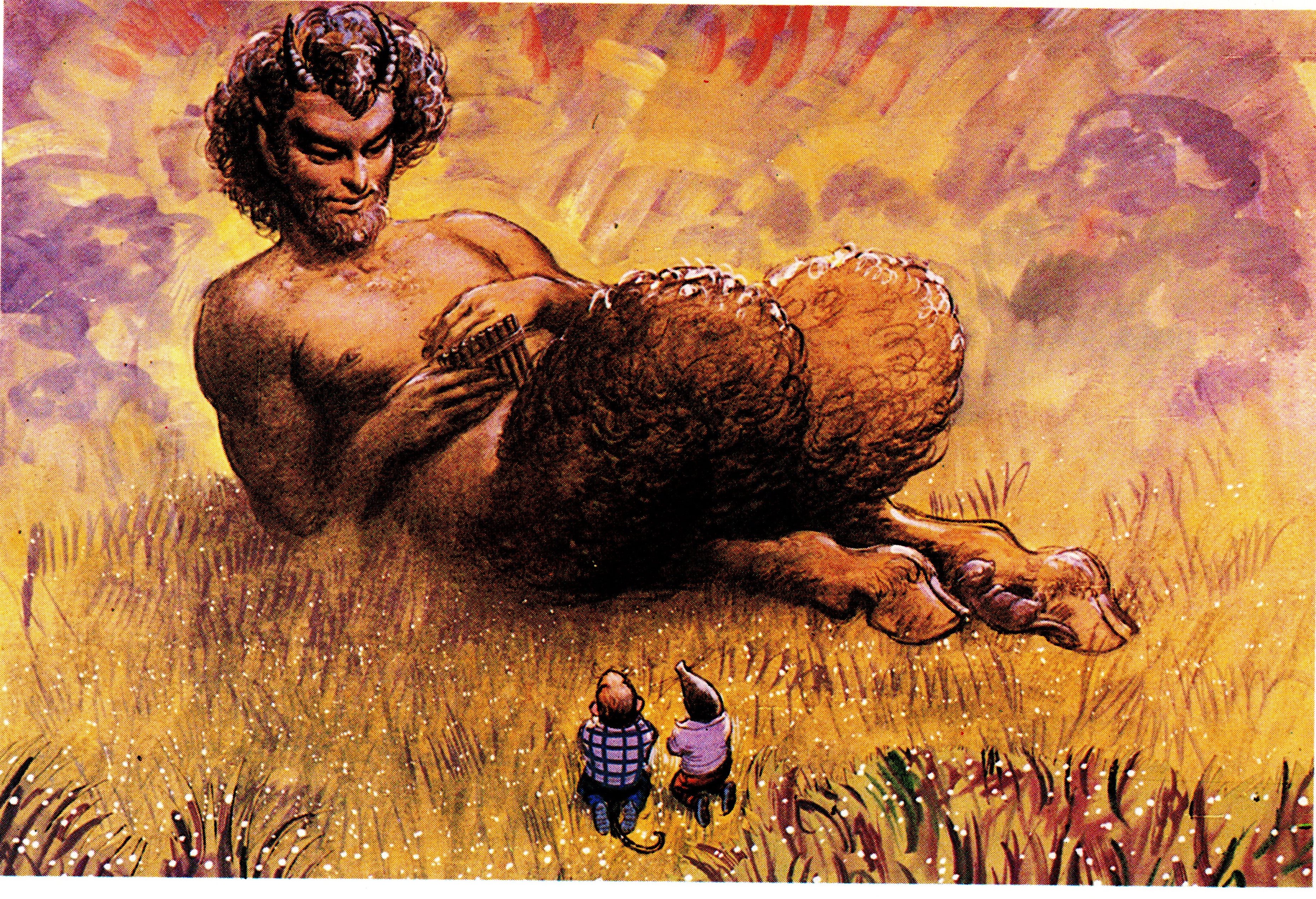
The chapter was called “The Piper at the Gates of Dawn”.
In the chapter Mole and Ratty meet Pan, the Greek god of nature. Here the god represents someone who watches over the animals in the forest, by bringing some kind of mysticism to Edwardian nature.
The chapter was deleted as the critics considered it way too dark and completely changed the tone of the storytelling. However, nowadays some new additions of the book and movie adaptations have this part in the story.
I only think this Pan moment adds more colors to the story, represents Nature as one of the main characters in the book and gives more meaning to the three aspects of the novel we talked about above.
There’s one secret about me and “The Wind in the Willows”. I discovered this book as an adult! So, it is never too late and if you missed this book as a kid, now could be the right time.
I guess, C.S.Lewis was right. One day we do grow old enough to read fairytales again. I can't believe I missed this story in my childhood but probably 'tis was for the greater good. Something about descovering fairytales in adulthood feels very unique. Above all else, tales about Willows made me slow down and take the surroundings in, which I forget to do in everyday rush.
The same effect on me recently had "The Hobbit", by the way. But it is a story for another time.
Happy reading, dear reader.
About the Creator
Millie's Stories
I'm ranting about books here. All sorts of fantasy , romance, historical fiction.
In the spare time I love to discover storybook-like places around the world.
Let's go to a journey together ✨
Enjoyed the story? Support the Creator.
Subscribe for free to receive all their stories in your feed. You could also become a paid subscriber, letting them know you appreciate their work.
Comments
There are no comments for this story
Be the first to respond and start the conversation.