

The story of Cinco de Mayo does not begin in Puebla. It does not even begin in Mexico. Its roots stretch across the Atlantic to the African continent, where entire civilizations were fractured by the machinery of empire long before cannons thundered against Mexican soil.
When Spanish colonization of the Americas accelerated in the early sixteenth century, New Spain became one of the primary destinations for Africans forcibly removed from their homelands. These individuals were not an undifferentiated mass. They came from distinct nations, cultures, and military societies whose influence would survive enslavement and resurface generations later in warfare, resistance, and unity.
Among the earliest groups transported were peoples from the Senegambia region, including Wolof and Mandinka communities. These societies possessed long traditions of organized warfare, chain‑of‑command leadership, and battlefield discipline. The Spanish crown valued these men for their perceived strength while simultaneously fearing their capacity to organize rebellion. That fear was not unfounded.
From farther south came Yoruba peoples, whose city‑states in what is now southwestern Nigeria had complex political systems, religious cosmologies centered on ancestral honor, and a warrior ethic tied directly to communal survival. Yoruba captives carried with them concepts of duty and collective obligation that would later shape Afro‑Mexican community organization.
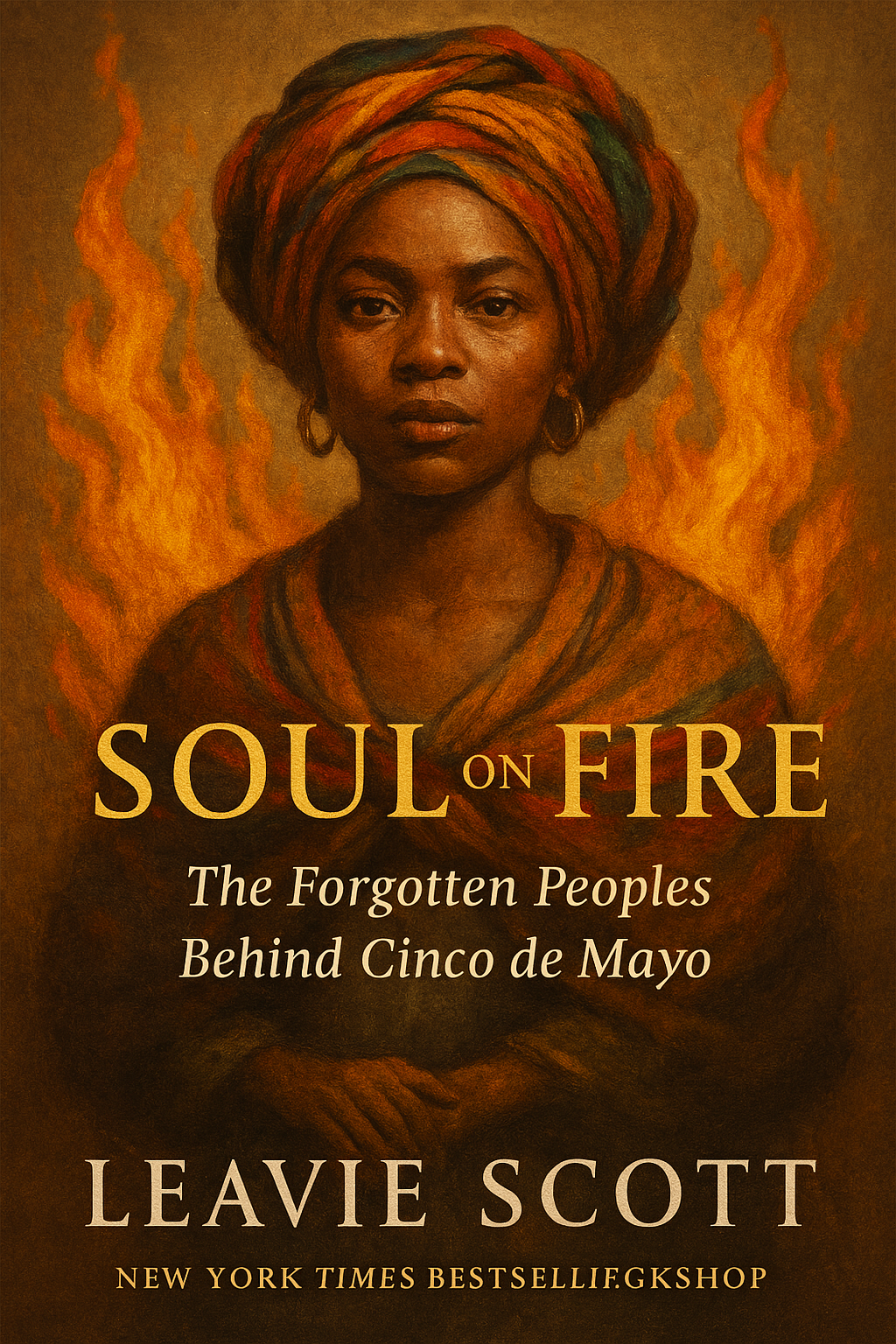
Equally significant were the Kongo and Mbundu peoples from Central Africa, drawn from regions that had already experienced centuries of military conflict and diplomatic interaction with European powers. These groups understood European weapons, negotiation, and betrayal. Many had been soldiers before their capture. Their familiarity with firearms, fortifications, and coordinated attack patterns made them particularly valuable—and particularly dangerous—from the colonial perspective.
Smaller but influential numbers came from Igbo communities along the Niger River basin, known for strong autonomous village governance and resistance to centralized domination. Igbo captives were often described by colonial observers as unwilling to submit quietly. That resistance translated into frequent escapes, sabotage, and covert organization once in New Spain.
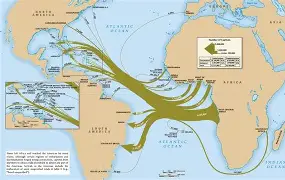
What united all these groups was not shared language or religion, but shared trauma. The Middle Passage did not erase identity; it compressed memory into survival instinct. Ritual, military custom, oral history, and ancestral pride adapted rather than vanished.
Upon arrival in New Spain, Africans were dispersed across urban centers, sugar mills, ranches, mines, and military labor units. Mexico, unlike plantation‑dominated colonies elsewhere, embedded enslaved Africans directly into colonial infrastructure. They worked alongside Indigenous peoples already subjected to forced labor systems. This proximity became critical.
Indigenous communities recognized in Africans the same displacement they themselves endured. Though language separated them, necessity united them. Both were forced to build cities that denied them ownership, extract wealth that never returned, and defend land claimed by others. Shared suffering forged early alliances.
African military traditions quietly blended with Indigenous knowledge of terrain. African endurance met Indigenous environmental mastery. Over time, escape routes turned into settlements. These maroon communities were not accidental; they were organized, defended, and often fortified.
Some African groups re‑created hierarchical leadership structures similar to those of their homelands. Others adapted Indigenous governance systems. The result was something new: Afro‑Indigenous cultures bound by mutual survival rather than shared blood.
The Spanish response alternated between brutal suppression and negotiated recognition. When colonial authorities could not defeat resistance militarily, they conceded autonomy piecemeal. These concessions acknowledged an impossible truth: enslaved Africans had not been fully conquered.
By the seventeenth century, Afro‑Mexican populations were no longer temporary labor forces. They were families, militias, workers, and defenders of territory. Many served in colonial militias, learning formal European drills while quietly adapting them to non‑European tactics.
This knowledge, passed down generationally, did not disappear with the abolition of slavery. It lingered in rural communities, in oral tradition, and in inherited readiness for conflict. When foreign armies would later threaten Mexican sovereignty, these descendants of Africans would not be learning warfare for the first time.
They had been preparing for centuries.
The irony of empire is that it often trains its own resistance. Spain imported warriors to enforce control, only to seed future rebellion. France would later repeat the same mistake, underestimating a population shaped by layered oppression and hardened by inherited struggle.
Chapter 1 closes not with defeat, but with continuity. Africans arrived in chains, but they did not arrive empty. They carried memory, training, and an unbroken understanding that freedom was not granted—it was fought for.
That understanding would ignite again at Puebla.
About the Creator
Press Release
I was born and raised in Chicago but lived all over the Midwest. I am health, safety, and Environmental personnel at the shipyard. PLEASE SUBSCRIBE to my vocal and check out my store
Enjoyed the story? Support the Creator.
Subscribe for free to receive all their stories in your feed.
Comments
There are no comments for this story
Be the first to respond and start the conversation.