
The Girls We Never Forget: Inside Beck Kubrick's "Dead Girls"
The Chapter Cafe

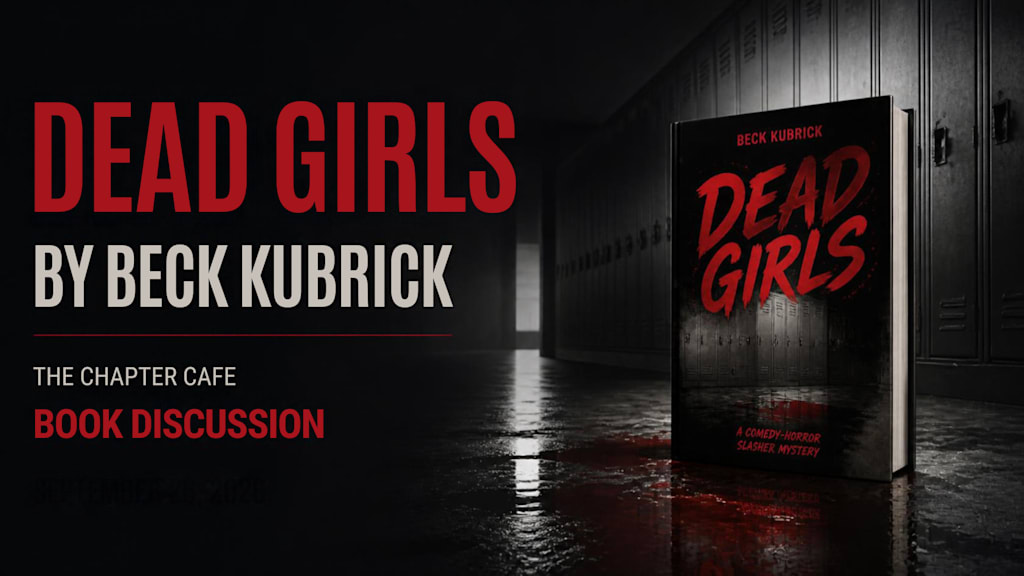
Welcome to The Chapter Cafe's Book Discussion on "Dead Girls" by Beck Kubrick. We're thrilled to have you here today.
Tonight, we’re diving into the captivating world that Beck Kubrick has created. This book is not just a mystery, but a deep exploration of legacy, identity, and the struggle to reclaim one's narrative.
Before we delve into the details, let's set the stage: our story is set in Clossdale, where a gripping mystery unfolds involving the protagonist, Ash Hargreeves, and her quest for truth amidst suspicion and secrets.
We look forward to hearing your thoughts and insights as we dissect the layers of this intriguing tale. Let's get ready to explore the themes and characters that make "Dead Girls" such a compelling read.
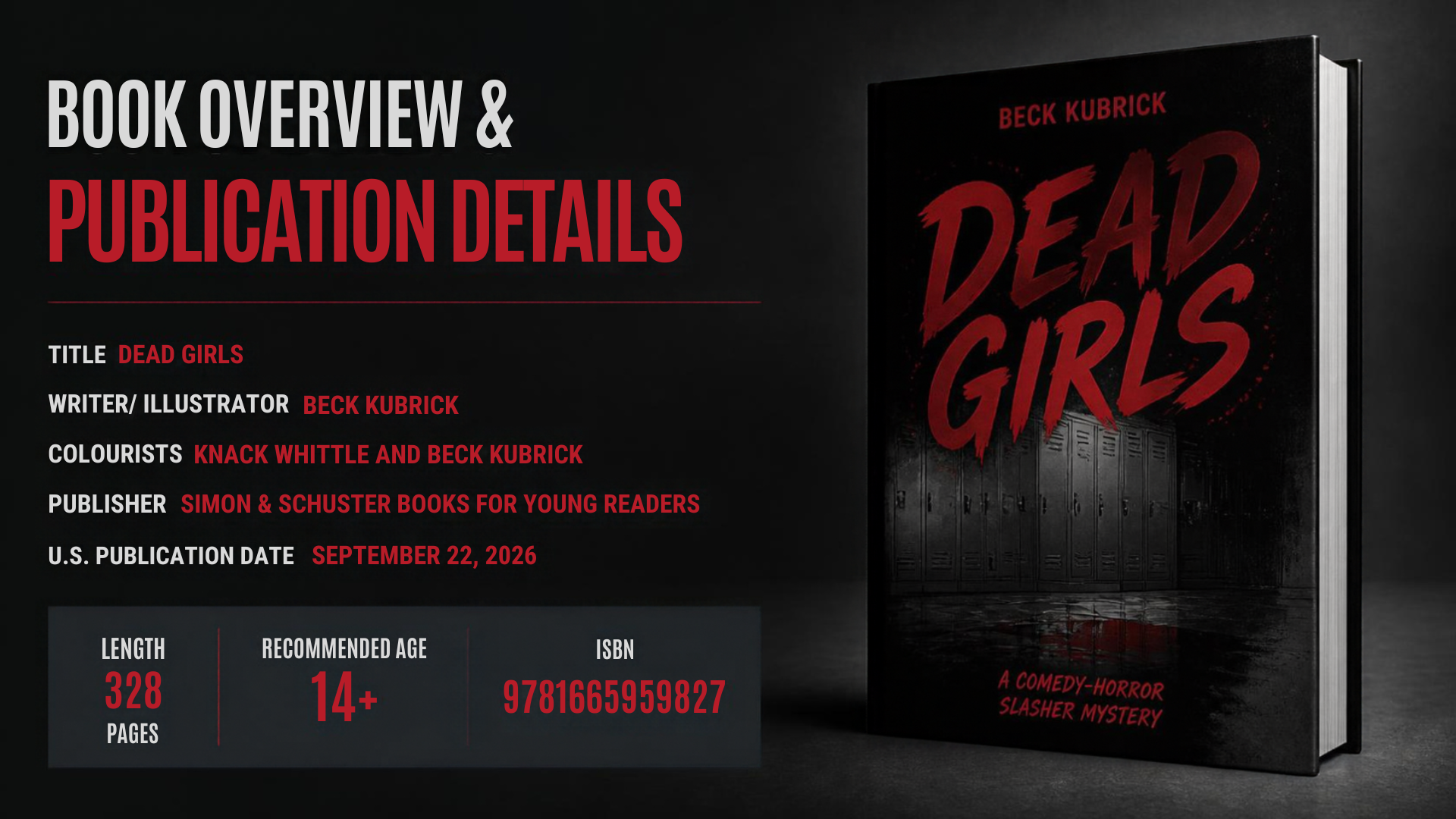
In this slide, we're diving into the key details of "Dead Girls" by Beck Kubrick.
First off, let's talk about the book's length—it's 328 pages, making it a comprehensive but manageable read for young adults and beyond. It's recommended for readers aged 14 and up, which speaks to its themes and complexity.
The book is published by Simon & Schuster Books for Young Readers, with a U.S. release date set for September 22, 2026. This means it's hot off the press and ready to captivate its audience with fresh, engaging material.
Another interesting facet is the collaboration that went into its creation. Beck Kubrick not only wrote the book but also contributed to the illustrations alongside Knack Whittle, adding a unique visual dimension to the narrative.
Now, let's move on to explore the intriguing plot and characters that make this book a standout in its genre.
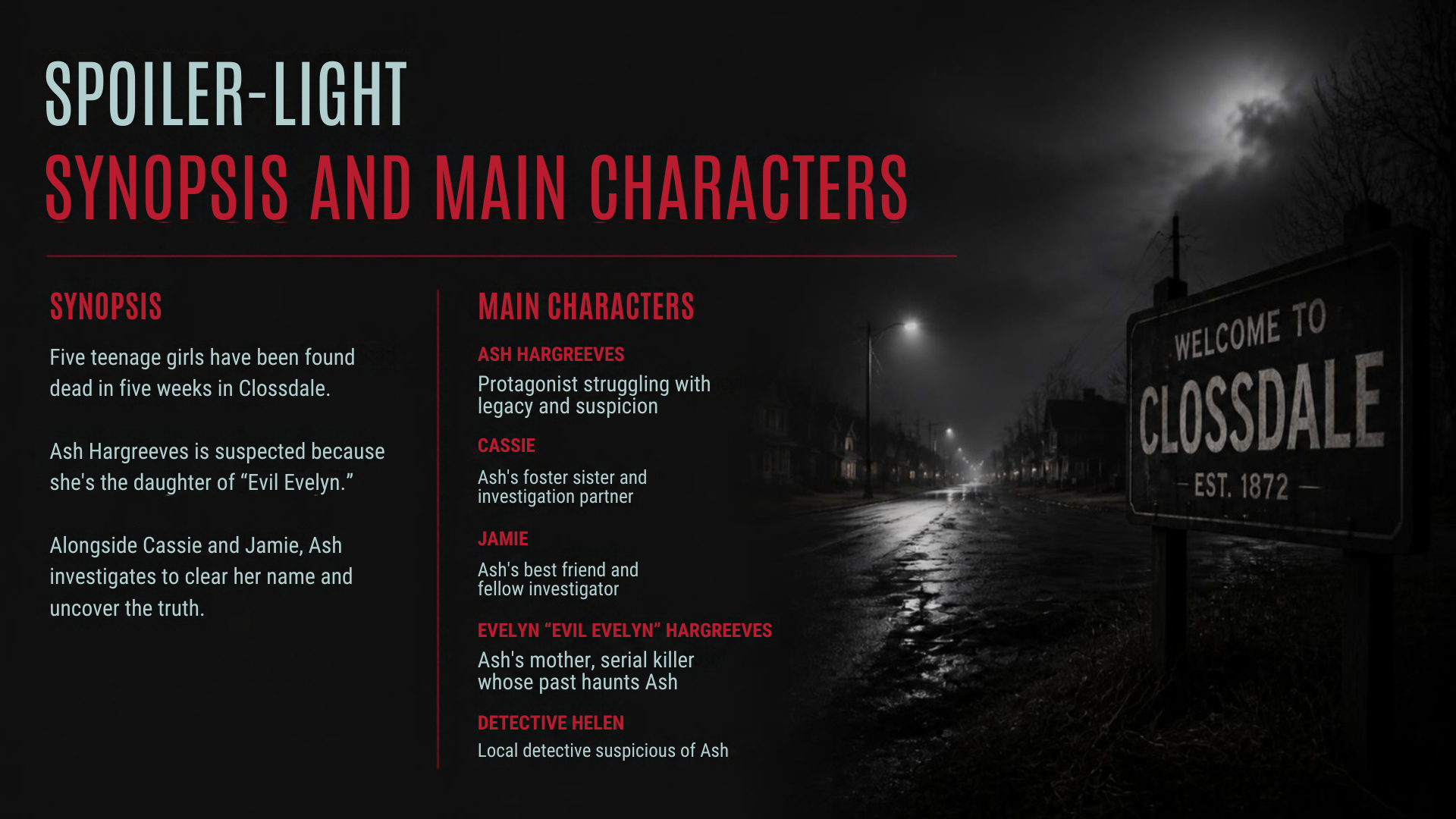
Let's dive into the heart of "Dead Girls" by Beck Kubrick with a spoiler-light synopsis and a look at the main characters.
The story is set in Clossdale, where a series of tragic events have unfolded—five teenage girls have been found dead in five weeks. This creates a tense backdrop for our protagonist, Ash Hargreeves, who faces suspicion due to her mother's dark past. Known as “Evil Evelyn,” Ash's mother is a serial killer whose legacy haunts her.
Our first key character is Ash Hargreeves. She's not just dealing with the weight of this legacy but is also actively trying to clear her name. This journey is not something she undertakes alone. Ash is joined by Cassie, her foster sister, and Jamie, her best friend. Together, they form a dynamic investigation team, determined to uncover the truth behind these chilling events.
Detective Helen, another significant character, adds to the tension. She is suspicious of Ash, which complicates Ash's quest for justice and truth.
Finally, let's not forget the presence of Cassie and Jamie. Their supportive roles are crucial as they help Ash navigate the complex world of suspicion and legacy.
As we move forward, we'll explore the core themes and tone of the book, delving deeper into how these relationships and mysteries unfold.
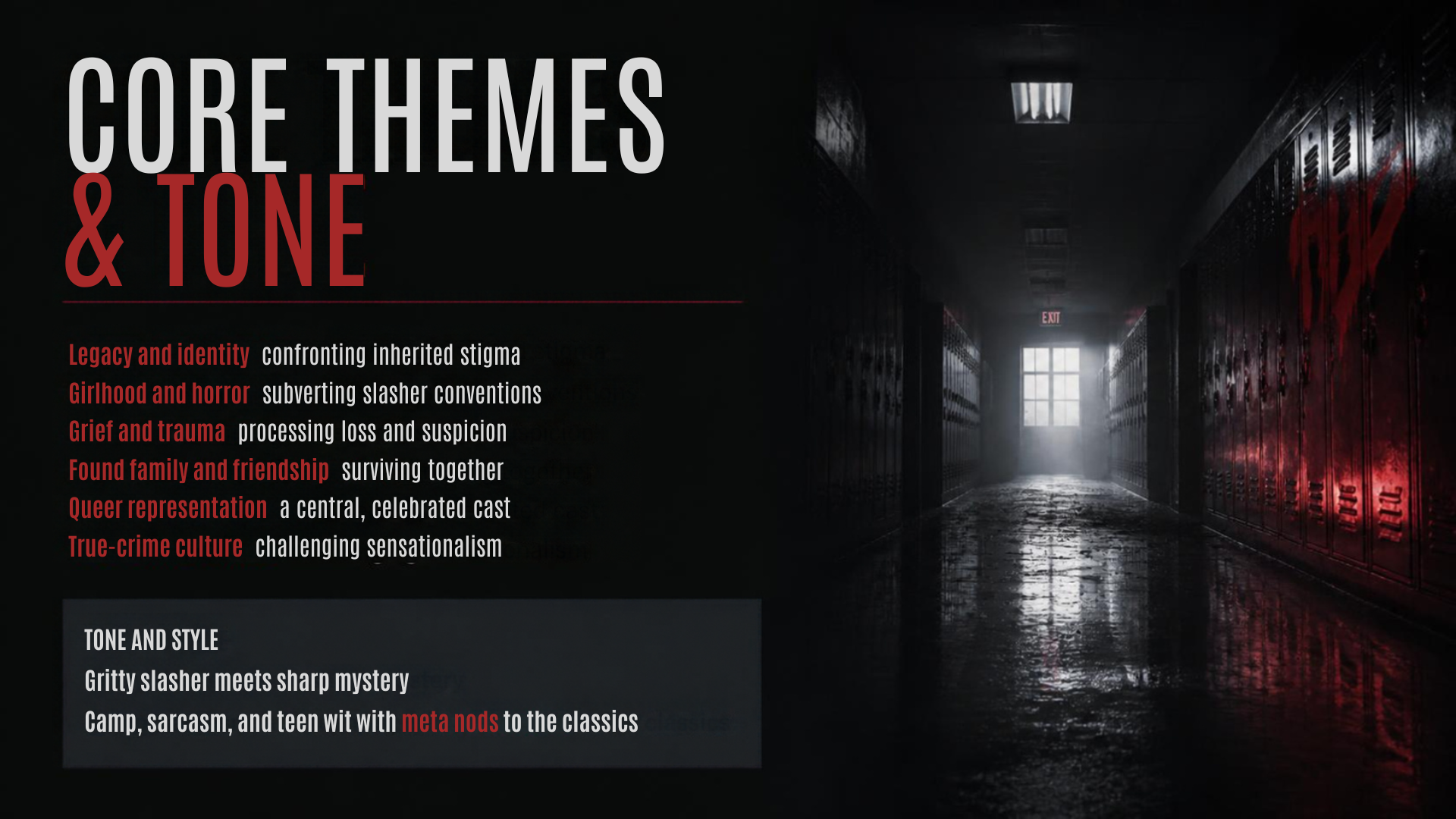
Let's delve into the core themes and tone of "Dead Girls."
This graphic novel brilliantly explores legacy and identity, particularly how one confronts and overcomes inherited stigma. The protagonist, Ash, must navigate the shadow of her mother's notorious past.
Another powerful theme is girlhood and horror, which subverts traditional slasher conventions. It provides a fresh take by infusing elements of empowerment rather than victimization.
We also see a profound exploration of grief and trauma. The story thoughtfully examines how characters process loss and the weight of suspicion.
The novel celebrates found family and friendship, showcasing the strength in unity and resilience. The inclusion of queer representation is central, bringing visibility and celebration to diverse identities within the cast.
Finally, it challenges the norms of true-crime culture, critiquing the sensationalism often found in media portrayals.
Now, regarding the tone and style—imagine a gritty slasher intertwined with a sharp mystery. The narrative is enriched with camp, sarcasm, and teen wit, making meta nods to genre classics.
This unique combination creates an engaging, multifaceted reading experience that is both entertaining and thought-provoking.
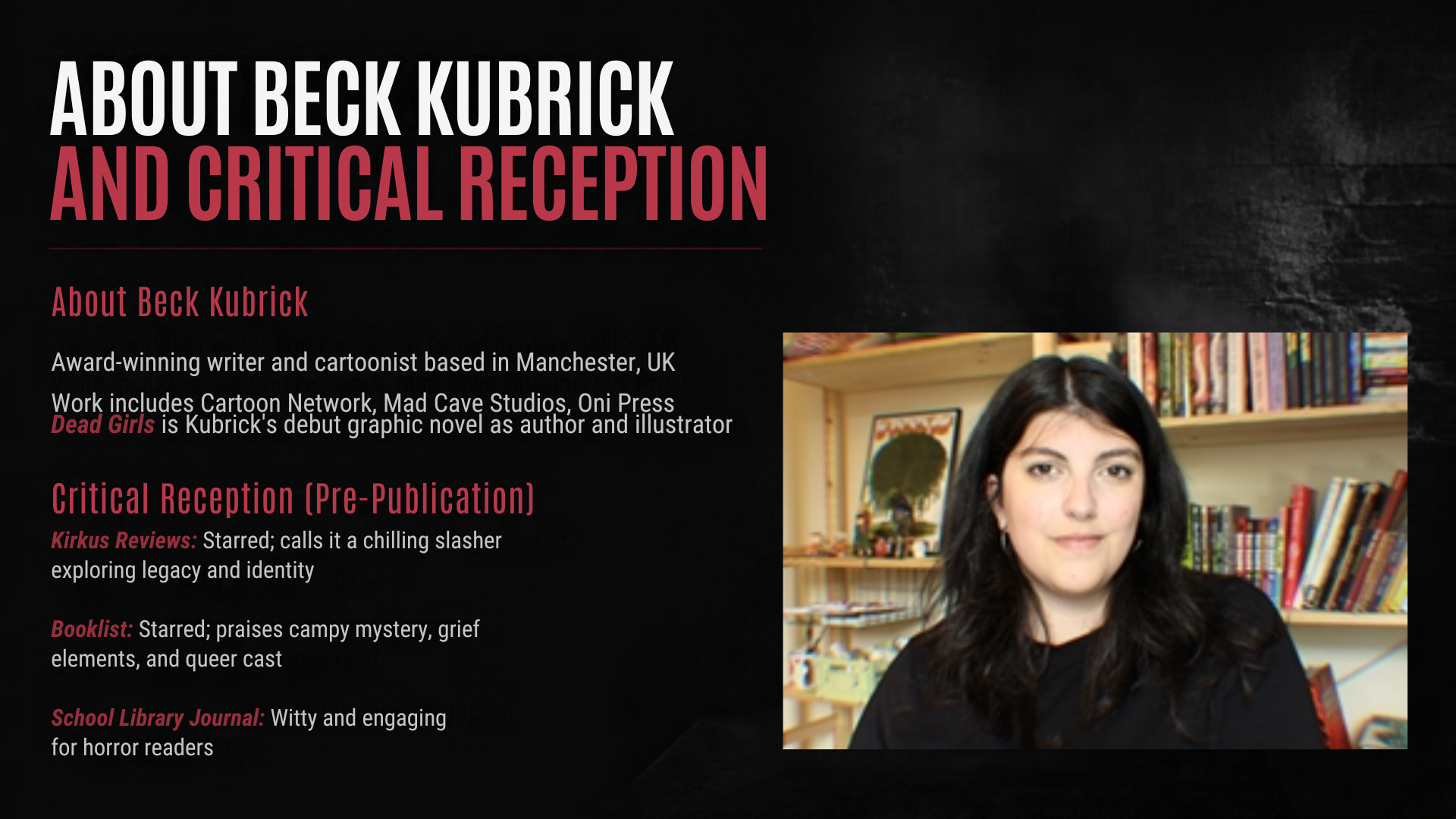
Today, we're going to delve into the creative genius behind "Dead Girls" — Beck Kubrick. Beck is an award-winning writer and cartoonist based in Manchester, UK. You might already be familiar with their work from collaborations with Cartoon Network, Mad Cave Studios, and Oni Press.
"Dead Girls" marks Kubrick's debut as both an author and illustrator in a graphic novel. This work has already garnered critical acclaim, even before its official release. Kirkus Reviews awarded it a starred review, highlighting its chilling exploration of legacy and identity. Booklist also gave it a starred review, appreciating its campy mystery, the nuanced portrayal of grief, and the inclusion of a queer cast. Meanwhile, the School Library Journal has praised it as witty and engaging, a true treat for horror fans.
These reviews not only set high expectations but also affirm Kubrick's unique voice in the genre. As we move forward, we'll explore how "Dead Girls" challenges conventional narratives while blending horror with humor to offer a fresh take on identity and legacy.
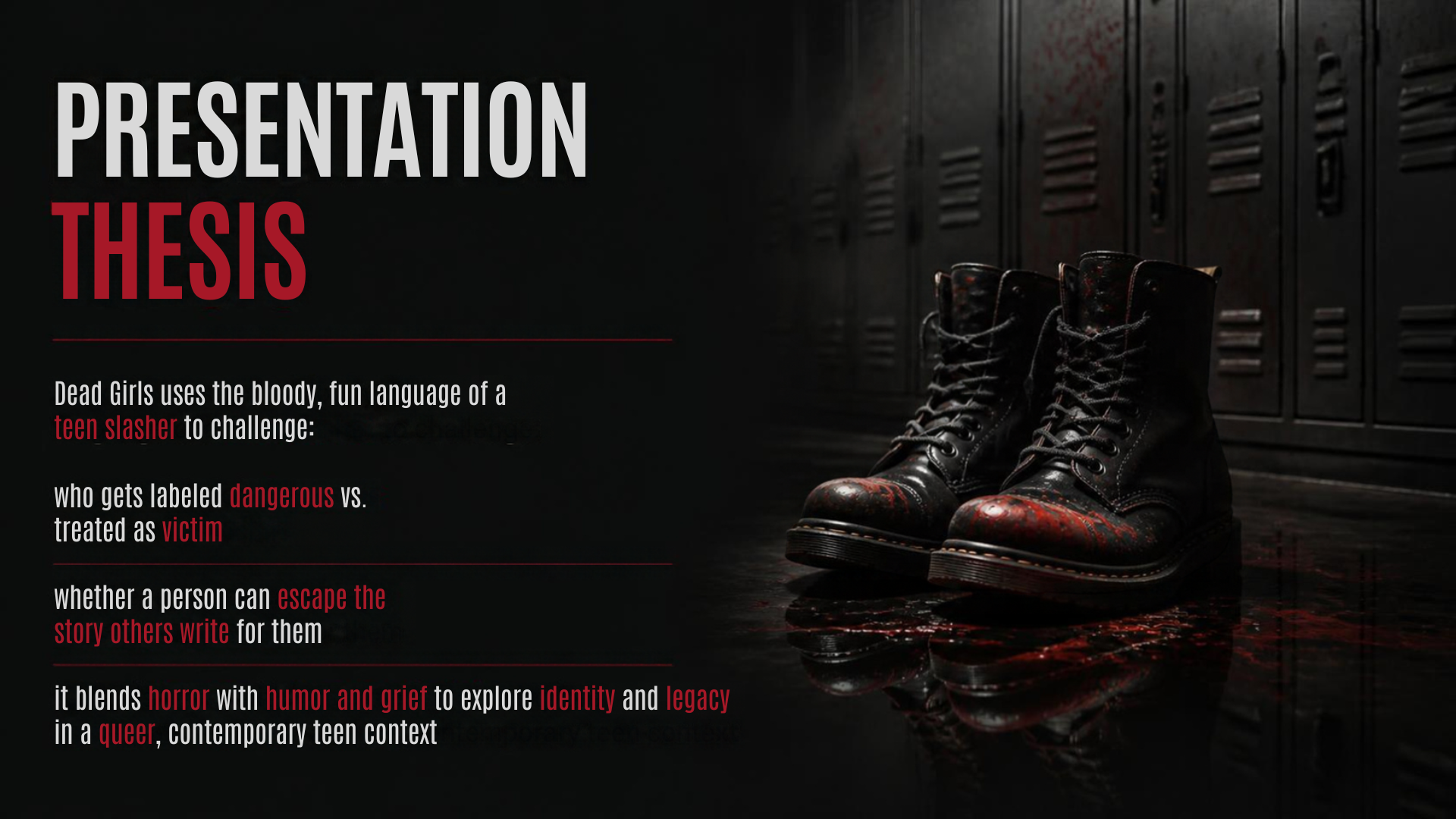
In this slide, we delve into the thesis of "Dead Girls," which cleverly uses the dynamic and engaging style of a teen slasher to provoke thought on several significant themes.
Firstly, it challenges the audience's perception of who is deemed dangerous versus who is seen as a victim. This juxtaposition invites us to consider societal biases and the narratives imposed upon individuals.
Secondly, it examines whether a person can truly escape the story that others have crafted for them. This theme of identity and self-definition resonates deeply, especially in a contemporary context where labels and preconceived notions often overshadow personal truth and legacy.
Lastly, the novel uniquely mixes horror with elements of humor and grief, providing a rich exploration of identity and legacy through a queer, teen perspective. This blend not only enriches the narrative but also connects with readers on multiple emotional levels.
As we dive into the discussion questions for "Dead Girls," let's explore how these intriguing aspects deepen our understanding of the novel.
First, consider how Ash fits—and doesn't fit—the “final girl” trope. Ash's journey challenges the traditional survival narrative by adding layers of complexity and vulnerability.
Next, think about the blend of comedy with murder and grief. This unique combination offers a fresh take on the slasher genre, allowing readers to process heavy themes in a more digestible way.
Also, reflect on how being Evelyn's daughter shapes Ash's self-image and actions. This relationship adds depth to Ash's character, influencing her decisions and interactions throughout the story.
The title "Dead Girls" prompts us to question horror's treatment of female characters. Consider how the title reflects broader themes of identity and legacy.
Finally, examine how the graphic novel format alters the experience of suspense, humor, and violence. The visual storytelling enhances the impact of these elements, offering an immersive experience for readers.
Thank you all for joining us today for our Chapter Café discussion on "Dead Girls." We hope you found our exploration of this graphic novel both intriguing and thought-provoking.
Now we’d love to open the floor to any questions or thoughts you might have. Your insights are incredibly valuable, and we’re eager to hear your perspectives on how "Dead Girls" challenges traditional narratives and plays with genre conventions.
Please feel free to share any reflections or questions you have. Let’s keep this conversation going and explore the themes further together.
About the Creator
Kristen Barenthaler
Curious adventurer. Crazed reader. Librarian. Archery instructor. True crime addict.
Instagram: @kristenbarenthaler
Facebook: @kbarenthaler
Enjoyed the story? Support the Creator.
Subscribe for free to receive all their stories in your feed. You could also become a paid subscriber, letting them know you appreciate their work.
Comments
There are no comments for this story
Be the first to respond and start the conversation.