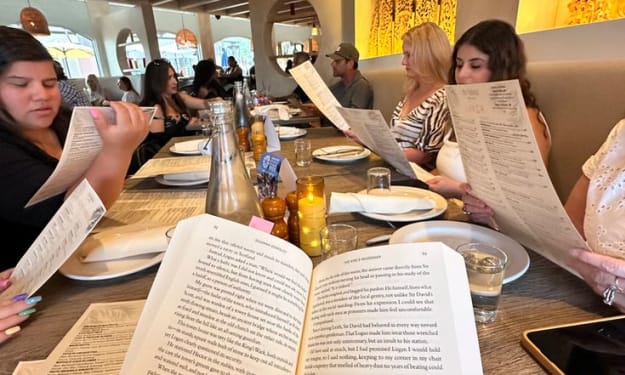
Club
The Paradox of Digital Gatekeeping: When Closure Stifles Culture
The vibrant digital sphere has become the primary conduit for literary discovery, positioning the book blogger or literary influencer as a critical bridge between new narratives and an eager readership. Yet, the deliberate absence of accessible contact details—the hidden email addresses and private portals—raises a profound, counter-intuitive question. While ostensibly a pragmatic defense of time and boundaries, this strategic withdrawal can be viewed, through a psychological and cultural lens, as a paradoxical self-limitation, ultimately undercutting the very purpose of literary engagement.
By Kate Hydeen12 months ago in BookClub
Philippa Gregory Recommends 8 Tudor Books for Fans of The Tudors and Wolf Hall
Boleyn Traitor is my first return to the Tudor court and to the Boleyn family in more than a decade. The heroine of the novel has been on my mind for all this time, and I wanted to return to the story of England’s most hated lady-in-waiting, Jane Boleyn. The conventional historical record tells us it was her evidence which took not one but two queens to the scaffold for adultery. But — like so many other women — her story is not quite as it seems. Over the centuries she’s been branded a traitor, condemned as a nymphomaniac, diagnosed as a sociopath and — more recently — defended as a victim of circumstances.
By General gyan12 months ago in BookClub
Premium Stainless Steel Flanges for Robust Industrial Operations
Riddhi Siddhi Metal Impex is a trusted stainless steel flange manufacturer in India, renowned for delivering high-quality flanges designed to withstand demanding industrial applications. With a commitment to precision engineering, durability, and reliable performance, the company provides flanges suitable for petrochemical plants, power generation facilities, refineries, and process industries. Their stainless steel flanges ensure leak-proof connections, structural integrity, and long-lasting service under challenging operating conditions.
By Riddhi Siddhi Metal Impex12 months ago in BookClub
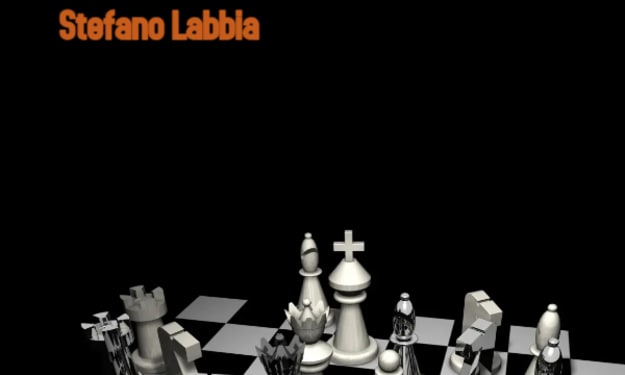
"Men": The Acclaimed Play by Stefano Labbia is Finally Released in English.
There is a profound resonance when a piece of art transcends its original language, moving across borders not just of geography, but of soul. It signifies that the core of the message, the essential human truth within the narrative, is potent enough to reach us all, no matter where we call home. Today, we are witnessing this powerful moment with the English edition release of the theatrical work, Men. This isn't just a translation; it is an invitation. An invitation to look closer, to listen harder, and to feel the sometimes-uncomfortable reality that the playwright, Stefano Labbia, places so deftly right before us. We live in a time saturated with information, where the daily newscycle often feels like a relentless tide. We see stories of brokenness and hurt, stories of profound violence that seem to resist any easy explanation. When we encounter this suffering, this deep, pervasive wound in the fabric of human interaction—violence that respects no age, no gender, no social bracket—a natural question arises: where does the responsibility lie? Who is to blame for this escalating crisis? The genius of this dramatic endeavor, Men, lies precisely in its refusal to offer simple, clean answers. It does not descend into legalistic arguments or didactic moralizing. Instead, it holds up a mirror to the fractured nature of human accountability. When the characters speak, their voices are not merely parts of a play; they are echoes of the conversations we are having in our own minds, at our dinner tables, and within our communities. One moment, we are convinced of one party’s fault, only to hear the thunderous, equally valid counter-claim from the other. This dynamic tension, this ping-pong of perspective, is crucial. It forces us to acknowledge that blame is not a static concept; it shifts, it mutates, and it is intrinsically linked to the viewpoint of the person speaking. What Labbia has managed to accomplish is nothing short of extraordinary. He takes experiences that begin on the page, in the realm of fiction, and meticulously, patiently, allows them to gain weight and substance. Scene by scene, the imaginary transforms into the palpable. The dialogue gains the chilling clarity of a breaking news alert, the undeniable weight of a front-page headline. It is a slow, methodical build, creating a sense of inevitability that is both mesmerizing and deeply troubling. This process culminates in a moment of intense emotional impact. The story reaches a point where it ceases to be something we observe from a safe distance and becomes, instead, a direct, visceral experience. It hits the spectator—or the reader—with the forceful clarity of a trained boxer's blow. Not a mere graze, but a profound impact aimed directly at the emotional core, leaving us momentarily breathless and irrevocably changed. The playwright, with his Italian and Brazilian roots, demonstrates a rare, invaluable gift: true versatility. For him, the medium of expression—whether stage, screen, or written page—is secondary. The primary concern is the relentless power of the imagery he crafts and the ferocious honesty embedded in his language. He is a masterful storyteller for our era, possessing the ability to communicate deep, often uncomfortable, truths without ever resorting to the superficial or the reductive. This English language version is a necessary and timely cultural event. It enables us to grapple with a difficult subject matter in a way that respects the complexity of the pain involved. It provides a unique space for reflection, a moment to pause and consider the origins of conflict and the challenging paths toward understanding. To engage with this work is to commit to a more nuanced conversation about what we owe one another, and what it truly means to be accountable for the hurt we inflict and experience. It’s important that we meet this piece of writing where it is: a powerful, unwavering testimony. The act of acquiring this play is not simply a literary purchase; it is an investment in human dialogue. It is a way of saying that the conversation about violence, responsibility, and the messy, beautiful, devastating reality of being alive and connected to others, is one we are finally ready to have. This piece, now available on bookshelves and online worldwide, calls us toward a shared moment of reckoning. We should answer that call.
By Ria Bassettabout a year ago in BookClub
The Quiet Conflict: Why We Set Good Books Down
We've all been there. That moment when you hold a new book, heavy with promise, the scent of the pages like a fresh start. You commit. You dive in. And then, somewhere between the introduction and the rising action, something shifts. The momentum stalls. You find yourself glancing at the clock, your eyes tracking the lines but your mind floating somewhere between the grocery list and that email you forgot to send. Eventually, quietly, almost shamefully, you place the book face-down on the nightstand, where it becomes not a window to another world, but a gentle reproof. We often think of ourselves as dedicated readers, the kind who finish what we start. And yet, this happens. It's a universal experience, and it’s not a failure of character, but a collision of expectation and reality. Understanding these disconnects isn't about blaming the book or yourself; it's about honoring the precious commodity of your time and your personal connection to storytelling. When the Map Misleads the Traveler
By Ria Bassettabout a year ago in BookClub
If Netflix Adapted The Secret Garden
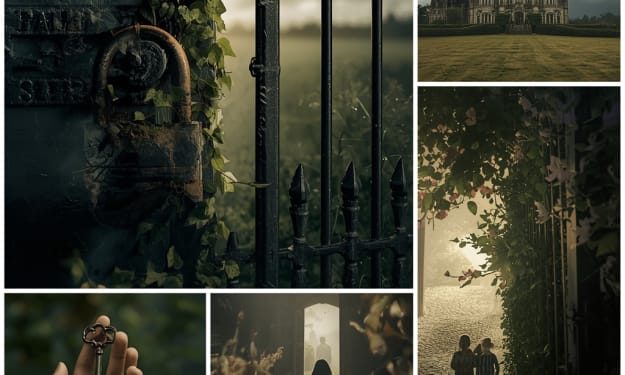
If Netflix Adapted The Secret Garden 🌱🎬 By Hasnain Shah When I first read Frances Hodgson Burnett’s The Secret Garden as a child, I thought of it as a book about a lonely girl discovering flowers and friendship. Reading it again as an adult, though, I realized how cinematic it really is—an atmospheric blend of gothic mystery, emotional healing, and the kind of character arcs Netflix loves to stretch into ten carefully crafted episodes.
By Hasnain Shahabout a year ago in BookClub
Before I Read Sex Ain’t the Way to Love, Here’s What I’m Already Asking Myself by NWO Sparrow
5 Questions I Can’t Wait to Answer After Reading Sex Ain’t the Way to Love When I first heard about Tavia Mapp-Deterville’s new book Sex Ain’t the Way to Love, I was intrigued. The title alone had me pausing, because it hits on something that feels universal and yet deeply personal. As a man, I know this book is written primarily for women, especially Black women, but I could not help asking myself what lessons I might gain by listening in. Tavia is a music publicist turned author, and with this new release she is blending memoir and journal in a way that forces readers to not just read but to actually reflect. That alone makes me curious.
By NWO SPARROWabout a year ago in BookClub
In-Sight Publishing Announces Noesis: The Journal of the Mega Society (November 2014–June 2025) Release
British Columbia, CANADA, September 2025 /www.in-sightpublishing.com/ -- In-Sight Publishing announced the release of Noesis: The Journal of the Mega Society (November 2014–June 2025) by Scott Douglas Jacobsen, a comprehensive 524-page collection of contributions to the Mega Society's official journal spanning more than ten years. The first edition was released on September 2, 2025: https://in-sightpublishing.com/books/.
By Scott Douglas Jacobsenabout a year ago in BookClub
The Bookclub That Existed Only Online
M Mehran It started with a single comment on a forum: “Anyone want to read together? I’m tired of finishing books alone.” I typed a quick reply before I could overthink: “Yes. Count me in.” That was the night our online bookclub was born. --- Chapter One: Strangers Behind Screens There were seven of us at the beginning. We lived in different countries, different time zones, different lives. One member was in Canada, another in India, another in South Africa. I joined from my small apartment in Germany. We met on video calls, faces pixelated and voices sometimes lagging. At first, it felt awkward. We were strangers trying to build something out of text on a page and flickering Wi-Fi. But then someone cracked a joke about falling asleep mid-chapter, and suddenly we were laughing together, oceans apart. The distance didn’t matter. The books were our bridge. --- Chapter Two: Pages and Confessions Every month, we voted on a book. Our first pick was Educated by Tara Westover. Reading her story of resilience cracked something open in us. On the call that followed, one member admitted she hadn’t spoken to her family in years. Another confessed he’d grown up in a strict household where books were forbidden. We didn’t judge. We listened. The conversation drifted from the memoir to our own memories, proof that books don’t just tell stories—they unlock them. That became our rhythm. A novel about grief turned into a night of sharing who we had lost. A fantasy about courage led us to list the things we were too scared to try. A poetry collection inspired one of us to read her own verses aloud, her voice trembling through the microphone. --- Chapter Three: The Loneliness Cure For me, the bookclub was more than entertainment—it was survival. I had just moved to a new city where I knew no one. My days were quiet, filled with work and silence. Nights were lonelier. But every other Saturday, I logged on to see six familiar squares on my screen. They’d wave, tease me about my messy bookshelf, and ask about my week. I started to realize I wasn’t just reading with them—I was belonging with them. We celebrated small victories together: job interviews, birthdays, even one member’s new puppy. And when someone’s camera was off because they were crying, we didn’t pry. We just read an extra passage out loud, so they didn’t have to carry the silence alone. --- Chapter Four: A Test of Distance Not everything was easy. Time zones were a constant headache. Internet glitches froze faces mid-laugh. Once, a heated disagreement over a political memoir nearly ended the group. But instead of breaking, we adapted. We learned patience when someone’s audio lagged. We gave space when emotions flared. We remembered that behind every glitch was a real person, holding their copy of the book, showing up even when life was heavy. Slowly, I realized we weren’t just readers—we were a team. --- Chapter Five: The Surprise After a year of reading together, someone proposed the impossible: “What if we meet in real life?” At first, it sounded like a fantasy. Flights were expensive. Visas were tricky. Schedules were messy. But one member in France offered: “Come here. My town is small but beautiful. We can make it work.” Months later, five of us actually did. I’ll never forget stepping off the train, scanning the crowd, and recognizing faces I’d only seen through a screen. It was surreal—like characters from a book stepping out into reality. That week, we ate croissants, explored cobblestone streets, and stayed up late reading under the stars. The conversations flowed just like they had online, only now with hugs and shared meals. It felt like proof: stories can pull strangers into family. --- The Last Chapter—For Now The online bookclub is still alive today. Some members drifted away, new ones joined, and our group chat is a patchwork of quotes, memes, and reminders to “finish chapter 12 before Saturday!” But the heart remains the same: seven strangers, bound not by geography, but by stories. When people ask why I love books so much, I think of them. I think of how words on a page built bridges across continents, how a video call cured loneliness, how a simple “Want to read together?” became one of the most important chapters of my life. And maybe that’s the magic of bookclubs. They remind us that no matter where we are—in a park, in a café, or behind a glowing screen—we’re never really reading alone.
By Muhammad Mehranabout a year ago in BookClub
The Secret Bookclub in the Park
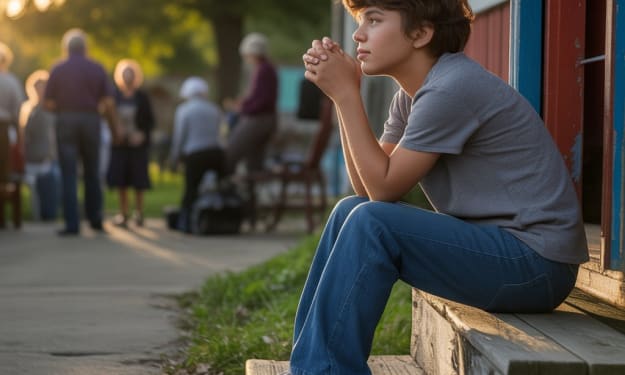
M Mehran Most people walked past us without noticing. To them, we were just a cluster of strangers on picnic blankets, sipping tea from mismatched thermoses. But for those who stopped and listened, they’d realize something unusual: we weren’t talking about the weather or politics. We were unraveling worlds, chapter by chapter, beneath the old oak tree in the park. That was our bookclub—the most unconventional one I’ve ever known. --- How It Began It started with a single bench. I was sitting there one summer afternoon, rereading The Little Prince, when an older woman leaned over and said, “That was my daughter’s favorite book. She used to underline the stars.” We started talking, and before long, two joggers paused to join in, admitting they had loved it too. Within an hour, four strangers were laughing, debating, and swapping book recommendations like old friends. The next week, we met again—same bench, same time. One of us brought cookies. Another brought a different book. Soon, others noticed and asked, “Can anyone join?” We never said no. --- The Rule That Changed Everything The club grew fast, but we set one unusual rule: No assigned books. Instead, each week, one person would bring a book they loved—or hated—and read aloud their favorite passage. From there, the conversation would spiral: from fiction to philosophy, from characters to confessions. The best part? You didn’t even have to read to belong. Some members never cracked a book all month, but they came anyway—for the laughter, the connection, the strange magic that happens when stories collide with real life. --- Characters in Real Life The people who gathered became their own cast of characters. There was Mr. Harris, a retired history teacher who always wore suspenders and carried War and Peace like it was a pocket-sized novel. He once read a passage about battles, then compared it to his “war” with learning to bake bread in retirement. Then there was Amira, a college student studying engineering, who loved bringing fantasy novels. She’d grin as she explained how dragons made more sense to her than dating apps. And of course, there was Rosa, the woman who first spoke to me on that bench. She rarely brought books, but she always listened with such intensity you felt your words were treasures. We didn’t just read stories—we became them. --- When Life and Books Overlapped One evening, under the fading glow of sunset, a member read from The Fault in Our Stars. His voice cracked halfway through. That’s when he admitted his younger brother was in the hospital. The group went quiet, then leaned in, offering not pity but presence. For weeks afterward, we checked in on him, proving that this bookclub wasn’t just about novels—it was about being written into each other’s chapters. Another time, Amira brought The Hobbit and talked about journeys. “I feel like I’m on my own quest,” she confessed, explaining how she was the first in her family to attend university. Mr. Harris nodded, eyes misty, and said, “Every hero needs a fellowship. Looks like you’ve got one here.” --- The Park Becomes a Library By autumn, our group had outgrown the bench. We spilled onto blankets, shared thermoses of tea, and stacked books like little towers on the grass. Curious passersby would sometimes linger, listening in, and we’d wave them over. One man who wandered in admitted he hadn’t read a book in twenty years. “Start with a poem,” Rosa said, handing him a slim collection. Weeks later, he came back, grinning, carrying a library card like a golden ticket. The park became more than scenery—it was our open-air library, our cathedral of leaves and light, where stories were sermons and books were bridges. --- Lessons Between the Lines Being part of that bookclub taught me something profound: people are books too. Each of us carried hidden chapters—grief, joy, dreams, regrets—and the park gave us permission to share them. Stories became mirrors and maps. A line from a novel could unlock someone’s buried memory. A poem could ignite courage. Even silence had meaning, like the pause before you turn the page. And unlike libraries, where quiet is sacred, our club thrived on noise: laughter, debate, the rustle of pages, even the occasional bark of a dog chasing squirrels. --- Seasons Change, Stories Remain When winter came, the park grew too cold. We thought it would be the end, but someone offered their garage, someone else brought a space heater, and the club survived, stubborn as ever. Today, years later, the oak tree still feels like our home. Each spring, when blossoms return, we drag our blankets back, balancing books and tea like we never left. We don’t keep attendance, we don’t take notes, and we don’t always stay on topic. But that’s the beauty of it. The club lives not in rules or routines but in the space between words, in the way strangers became family because of stories. --- Why You Should Start One If you’ve ever thought about joining a bookclub but hesitated, here’s my advice: don’t wait for the perfect time, place, or group. Start with one book and one conversation. You never know who might lean over a bench and say, “That was my favorite story too.” Because sometimes the best bookclubs aren’t found in libraries or living rooms. Sometimes they’re hidden in plain sight—under trees, in parks, where pages meet people and stories bloom like wildflowers. And if you ever pass by a group like ours, don’t just walk past. Sit down. Listen. You might just discover a new favorite book— or better yet, a new chapter in your own life.
By Muhammad Mehranabout a year ago in BookClub