Challenge
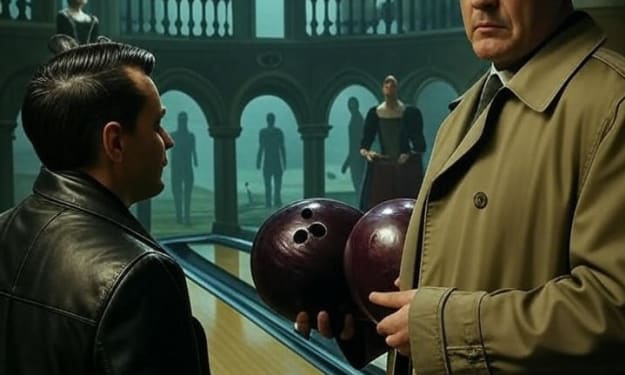
"Men": The Acclaimed Play by Stefano Labbia is Finally Released in English.
There is a profound resonance when a piece of art transcends its original language, moving across borders not just of geography, but of soul. It signifies that the core of the message, the essential human truth within the narrative, is potent enough to reach us all, no matter where we call home. Today, we are witnessing this powerful moment with the English edition release of the theatrical work, Men. This isn't just a translation; it is an invitation. An invitation to look closer, to listen harder, and to feel the sometimes-uncomfortable reality that the playwright, Stefano Labbia, places so deftly right before us. We live in a time saturated with information, where the daily newscycle often feels like a relentless tide. We see stories of brokenness and hurt, stories of profound violence that seem to resist any easy explanation. When we encounter this suffering, this deep, pervasive wound in the fabric of human interaction—violence that respects no age, no gender, no social bracket—a natural question arises: where does the responsibility lie? Who is to blame for this escalating crisis? The genius of this dramatic endeavor, Men, lies precisely in its refusal to offer simple, clean answers. It does not descend into legalistic arguments or didactic moralizing. Instead, it holds up a mirror to the fractured nature of human accountability. When the characters speak, their voices are not merely parts of a play; they are echoes of the conversations we are having in our own minds, at our dinner tables, and within our communities. One moment, we are convinced of one party’s fault, only to hear the thunderous, equally valid counter-claim from the other. This dynamic tension, this ping-pong of perspective, is crucial. It forces us to acknowledge that blame is not a static concept; it shifts, it mutates, and it is intrinsically linked to the viewpoint of the person speaking. What Labbia has managed to accomplish is nothing short of extraordinary. He takes experiences that begin on the page, in the realm of fiction, and meticulously, patiently, allows them to gain weight and substance. Scene by scene, the imaginary transforms into the palpable. The dialogue gains the chilling clarity of a breaking news alert, the undeniable weight of a front-page headline. It is a slow, methodical build, creating a sense of inevitability that is both mesmerizing and deeply troubling. This process culminates in a moment of intense emotional impact. The story reaches a point where it ceases to be something we observe from a safe distance and becomes, instead, a direct, visceral experience. It hits the spectator—or the reader—with the forceful clarity of a trained boxer's blow. Not a mere graze, but a profound impact aimed directly at the emotional core, leaving us momentarily breathless and irrevocably changed. The playwright, with his Italian and Brazilian roots, demonstrates a rare, invaluable gift: true versatility. For him, the medium of expression—whether stage, screen, or written page—is secondary. The primary concern is the relentless power of the imagery he crafts and the ferocious honesty embedded in his language. He is a masterful storyteller for our era, possessing the ability to communicate deep, often uncomfortable, truths without ever resorting to the superficial or the reductive. This English language version is a necessary and timely cultural event. It enables us to grapple with a difficult subject matter in a way that respects the complexity of the pain involved. It provides a unique space for reflection, a moment to pause and consider the origins of conflict and the challenging paths toward understanding. To engage with this work is to commit to a more nuanced conversation about what we owe one another, and what it truly means to be accountable for the hurt we inflict and experience. It’s important that we meet this piece of writing where it is: a powerful, unwavering testimony. The act of acquiring this play is not simply a literary purchase; it is an investment in human dialogue. It is a way of saying that the conversation about violence, responsibility, and the messy, beautiful, devastating reality of being alive and connected to others, is one we are finally ready to have. This piece, now available on bookshelves and online worldwide, calls us toward a shared moment of reckoning. We should answer that call.
By Ria Bassett12 months ago in BookClub
The Bookclub That Existed Only Online
M Mehran It started with a single comment on a forum: “Anyone want to read together? I’m tired of finishing books alone.” I typed a quick reply before I could overthink: “Yes. Count me in.” That was the night our online bookclub was born. --- Chapter One: Strangers Behind Screens There were seven of us at the beginning. We lived in different countries, different time zones, different lives. One member was in Canada, another in India, another in South Africa. I joined from my small apartment in Germany. We met on video calls, faces pixelated and voices sometimes lagging. At first, it felt awkward. We were strangers trying to build something out of text on a page and flickering Wi-Fi. But then someone cracked a joke about falling asleep mid-chapter, and suddenly we were laughing together, oceans apart. The distance didn’t matter. The books were our bridge. --- Chapter Two: Pages and Confessions Every month, we voted on a book. Our first pick was Educated by Tara Westover. Reading her story of resilience cracked something open in us. On the call that followed, one member admitted she hadn’t spoken to her family in years. Another confessed he’d grown up in a strict household where books were forbidden. We didn’t judge. We listened. The conversation drifted from the memoir to our own memories, proof that books don’t just tell stories—they unlock them. That became our rhythm. A novel about grief turned into a night of sharing who we had lost. A fantasy about courage led us to list the things we were too scared to try. A poetry collection inspired one of us to read her own verses aloud, her voice trembling through the microphone. --- Chapter Three: The Loneliness Cure For me, the bookclub was more than entertainment—it was survival. I had just moved to a new city where I knew no one. My days were quiet, filled with work and silence. Nights were lonelier. But every other Saturday, I logged on to see six familiar squares on my screen. They’d wave, tease me about my messy bookshelf, and ask about my week. I started to realize I wasn’t just reading with them—I was belonging with them. We celebrated small victories together: job interviews, birthdays, even one member’s new puppy. And when someone’s camera was off because they were crying, we didn’t pry. We just read an extra passage out loud, so they didn’t have to carry the silence alone. --- Chapter Four: A Test of Distance Not everything was easy. Time zones were a constant headache. Internet glitches froze faces mid-laugh. Once, a heated disagreement over a political memoir nearly ended the group. But instead of breaking, we adapted. We learned patience when someone’s audio lagged. We gave space when emotions flared. We remembered that behind every glitch was a real person, holding their copy of the book, showing up even when life was heavy. Slowly, I realized we weren’t just readers—we were a team. --- Chapter Five: The Surprise After a year of reading together, someone proposed the impossible: “What if we meet in real life?” At first, it sounded like a fantasy. Flights were expensive. Visas were tricky. Schedules were messy. But one member in France offered: “Come here. My town is small but beautiful. We can make it work.” Months later, five of us actually did. I’ll never forget stepping off the train, scanning the crowd, and recognizing faces I’d only seen through a screen. It was surreal—like characters from a book stepping out into reality. That week, we ate croissants, explored cobblestone streets, and stayed up late reading under the stars. The conversations flowed just like they had online, only now with hugs and shared meals. It felt like proof: stories can pull strangers into family. --- The Last Chapter—For Now The online bookclub is still alive today. Some members drifted away, new ones joined, and our group chat is a patchwork of quotes, memes, and reminders to “finish chapter 12 before Saturday!” But the heart remains the same: seven strangers, bound not by geography, but by stories. When people ask why I love books so much, I think of them. I think of how words on a page built bridges across continents, how a video call cured loneliness, how a simple “Want to read together?” became one of the most important chapters of my life. And maybe that’s the magic of bookclubs. They remind us that no matter where we are—in a park, in a café, or behind a glowing screen—we’re never really reading alone.
By Muhammad Mehran12 months ago in BookClub
"Romantic YA Books That Will Make You Fall in Love With Reading". AI-Generated.
Young adult love stories have a timeless charm that captivates readers of every generation. These books explore the excitement, vulnerability, and raw emotions of first love, making them relatable and heartwarming. For many young readers, love-themed books provide not just entertainment but also emotional comfort and life lessons about relationships, self-discovery, and personal growth.
By Fashion Worldabout a year ago in BookClub
Where Stories Find Us
M Mehran There’s a quiet magic in bookclubs. It isn’t just the books themselves—it’s the conversations they ignite, the friendships they forge, and the unexpected ways stories reach deep into our lives. I discovered this magic on a rainy Thursday, when I wandered into the local library, hoping to escape the drizzle and the hum of my thoughts. A small notice on the corkboard caught my eye: “Community Bookclub – First Meeting This Thursday.” I had never been to a bookclub before. The idea of strangers dissecting stories made me nervous. Yet, there was a pull, a curiosity I couldn’t ignore. --- The First Meeting The library’s meeting room was small, with worn chairs and a long oak table. Five other people had arrived, each carrying their copy of the month’s selection: The Night Circus. Their faces were varied—old, young, quiet, expressive—but all shared the same unspoken curiosity. I introduced myself, my voice trembling slightly. The facilitator, a woman named Clara, smiled warmly and invited everyone to share a sentence about what drew them to the book. Some spoke of the magic in the writing. Others spoke of the escape it offered from the mundane. I admitted, hesitantly, that I was searching for connection—both with the book and with the people around me. --- Conversations That Sparked As the discussion unfolded, I realized bookclubs were more than literary critique. They were mirrors, reflecting the readers’ own experiences, fears, and dreams. When Clara asked what we thought about the main character’s choices, a man named Raj spoke of risk and courage. He had just started a new business and saw his own fears mirrored in the protagonist. Another member, an elderly woman named Helen, spoke of love and loss, drawing connections between the story and her decades-long marriage. I listened, fascinated. The book was the spark, but the conversation was the fire. Each person’s interpretation colored the story differently, revealing layers I had never noticed. --- The Power of Listening Bookclubs taught me the importance of listening. It’s easy to read a story and assume your interpretation is correct, but hearing others opens your mind. Raj saw ambition where I saw recklessness. Helen saw patience where I saw stagnation. Through listening, I realized stories are not static—they are alive. They change with every reader, every conversation. And humans, like books, are best understood when we pay attention, when we listen without judgment. --- Friendship Between Pages Over the months, our bookclub grew. Six people became eight, then ten, as word spread. We laughed together, debated fiercely, and sometimes cried. The books were the reason we met, but the people were the reason we returned. I remember the day we discussed Educated by Tara Westover. Someone revealed they had left a controlling family situation. The room went silent. In that silence, I understood something profound: bookclubs are not just about fiction—they are about real life, about courage, about vulnerability. We comforted each other with nods, with shared stories, with quiet empathy. Books became bridges to understanding not only the characters but each other. --- Growth and Reflection Bookclubs also teach patience. People read at different speeds, bring different perspectives, and react differently. I learned to speak up without dominating, to disagree without dismissing. I also learned something about myself. I discovered books that scared me, that challenged my beliefs, that made me think differently. I discovered the joy of losing myself in a story, then finding myself in a conversation about it. The experience reshaped how I read. I no longer read to finish the book—I read to experience it, to discuss it, to reflect on how it intertwined with my life and the lives around me. --- The Unexpected Lessons One evening, after discussing The Book Thief, we lingered over coffee long after the meeting ended. Conversations drifted from literature to life, dreams to regrets, love to loss. In that moment, I realized something vital: bookclubs are not about the books—they are about humans. They remind us that we are all seeking understanding, that we are all connected by our curiosity, by our desire to share, to be heard, and to hear others. Books are the excuse, the catalyst, but it’s the human connection that transforms the experience into something extraordinary. --- Closing Reflection Bookclubs teach us that stories are not just words on a page—they are living, breathing entities. They are reflections of ourselves and gateways into the hearts of others. Every meeting is a journey, a shared exploration where we uncover not just the narrative of the book, but the narrative of humanity. We discover empathy, courage, and insight, both from the stories and from each other. In a world that often feels disconnected, bookclubs are sanctuaries of conversation, curiosity, and care. They remind us that humans, like books, are endlessly fascinating, endlessly complex, endlessly worth exploring. And perhaps that is the true magic of a bookclub: it shows us that the best stories are not only found in books—they are found in the connections between people who read them.
By Muhammad Mehranabout a year ago in BookClub
Timeless Tales of Love: Must-Read Romance Novels for Every Book Lover”. AI-Generated.
Romance novels are more than just stories — they are emotional journeys that capture the essence of love in all its forms. From forbidden love to second chances, from witty banter to heartbreaking sacrifices, these stories remind us that love is universal, timeless, and endlessly fascinating. No matter the era, readers are drawn to the passion, tension, and tender moments that make romance novels unforgettable.
By Fashion Worldabout a year ago in BookClub