Book of the Year
Harmonizing Art and Science: Unveiling the Essence of AES's 'Audio Production and Critical Listening: Technical Ear Training'
The world of audio production is a harmonious blend of art and science, where the mastery of technical skills is as crucial as the creative flair that fuels musical expression. In this dynamic landscape, the Audio Engineering Society (AES) stands as a beacon, continuously pushing the boundaries of knowledge and innovation in audio engineering. One of the cornerstone events in their commitment to advancing the field is the upcoming "Audio Engineering Society Presents: Audio Production and Critical Listening: Technical Ear Training." This event serves as a unique platform where professionals and enthusiasts converge to delve into the intricacies of technical ear training, exploring the nuances that elevate audio production to new heights. As we embark on this journey, we will unravel the significance of this event, understanding how it not only fosters a deeper appreciation for sound but also equips individuals with the indispensable skills needed to navigate the complexities of the modern audio landscape. Join us as we delve into the heart of the Audio Engineering Society's mission, where the pursuit of technical excellence converges with the artistry of sound.
By JOHANNA NOVEMBER3 years ago in BookClub
Embracing Queer Identity: Navigating the Heartland
Introduction: The heartland of the United States is often depicted as a bastion of tradition and conservative values, where the concept of queerness may seem out of place or even taboo. Yet, within this seemingly homogeneous landscape, there exists a rich tapestry of queer experiences and identities waiting to be explored. In this article, we delve into the journey of discovering and embracing queerness in the Midwest, a region where pride was once perceived as belonging to others. Through personal reflections and insights, we uncover the complexities of navigating queerness in a conservative environment, the challenges faced, and the triumphs achieved. By shedding light on these experiences, we hope to foster understanding, empathy, and acceptance, and to celebrate the resilience and courage of queer individuals in the heartland.
By Layachi Bensadi3 years ago in BookClub
Unraveling the Legacy of William Shakespeare: A Journey into the Life and Works of the Bard. Content Warning.
William Shakespeare, often hailed as the greatest writer in the English language, continues to enchant readers and audiences worldwide centuries after his time. Born in Stratford-upon-Avon, Warwickshire, in April 1564, his baptismal date is recorded as the 26th of April, and tradition observes his birthday on April 23rd, coinciding with Saint George's Day. His exact birth date remains a mystery, much like many aspects of his life, which have spurred endless speculation among scholars and enthusiasts alike.
By Avhishek Agarwal3 years ago in BookClub
3 Amazing Stories for 7-Year-Olds to Read and Enjoy.
The age of 7 is a time when kids start growing really curious about new things. This is an optimal time to introduce stories and ideas that can properly nurture values in them while also developing a good taste for relatable content. We encourage parents to let their kids read stories that can help in the healthy consumption of knowledge in a fun way. What could be a better way than introducing them to great moral stories! So here are some great stories for 7-year-olds.
By aliyu sabba3 years ago in BookClub
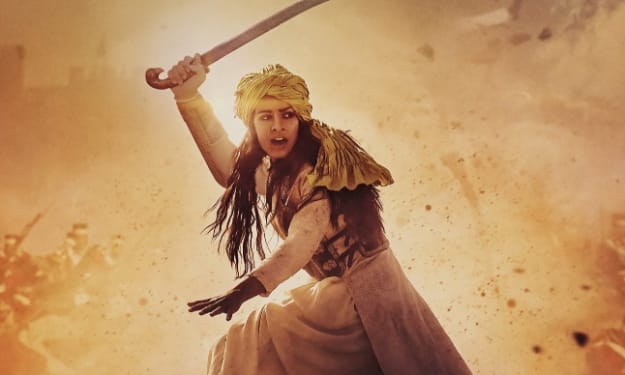
Rani Lakshmibai: The Fearless Warrior Queen of Jhansi. Content Warning.
The story of Rani Lakshmibai of Jhansi is a saga that resonates through the annals of Indian history—a tale of valor, resilience, and defiance against colonial oppression. Born as Manikarnika Tambe on November 19, 1828, in the vibrant town of Banares, she was later hailed as the Maharani consort of the princely state of Jhansi in the Maratha Empire. Her journey from a spirited young girl to a symbol of resistance against British rule is both inspiring and captivating. Married to Maharaja Gangadhar Rao Newalkar of Jhansi in 1842, she became known as Lakshmibai, a name bestowed upon her in honor of the Hindu goddess Devi Lakshmi. Despite the patriarchal norms of her time, Rani Lakshmibai defied convention by actively participating in activities typically reserved for men. From horseback riding to practicing martial arts, she exhibited a spirit of independence that was uncommon for women in Indian society during the 19th century. Tragedy struck when her husband, Maharaja Gangadhar Rao, passed away in 1853, leaving behind a young widow determined to protect her kingdom. However, the British East India Company, under the Doctrine of Lapse, refused to recognize the rightful heir to the throne and annexed Jhansi to its territories. Undeterred by the colonial injustice, Rani Lakshmibai took up arms and joined the Indian Rebellion of 1857, also known as the First War of Independence. Her leadership during the rebellion cemented her legacy as a national hero and a beacon of hope for Indian nationalists. Despite facing numerous challenges, including the betrayal of trusted allies and the loss of her infant son, Rani Lakshmibai remained resolute in her determination to defend Jhansi against British forces. The siege of Jhansi in March 1858 marked a pivotal moment in her struggle against colonial oppression. Despite being outnumbered and outgunned, she led her forces with unparalleled courage, refusing to surrender to the British demands. The valiant defense of Jhansi showcased her unwavering commitment to freedom and inspired countless others to join the fight against tyranny. Following the fall of Jhansi, Rani Lakshmibai embarked on a daring escape with her son, Damodar Rao, on horseback. Despite facing insurmountable odds, she continued to resist British rule, seeking refuge in various regions of India alongside fellow rebels. Her unwavering resolve and indomitable spirit earned her admiration even from her adversaries, with British reports acknowledging her as "personable, clever, and beautiful." The final chapter of Rani Lakshmibai's life unfolded in Gwalior, where she fought alongside other rebel leaders in a last stand against British forces. Despite facing overwhelming odds, she refused to surrender, leading her troops with bravery and determination. In the heat of battle, she fought fiercely, dressed as a cavalry leader, until her tragic demise on June 17, 1858. Though her physical presence may have faded into history, the legacy of Rani Lakshmibai endures as a testament to the indomitable spirit of resistance against oppression. Her courage, sacrifice, and unwavering commitment to freedom continue to inspire generations of Indians, reminding us of the power of resilience in the face of adversity. In the hearts of the people, she remains not just a queen of Jhansi, but a symbol of courage and defiance—a true embodiment of the spirit of India's fight for independence. Rani Lakshmibai's legacy lives on, immortalized in the annals of history as a symbol of hope, courage, and unwavering determination. Her tale serves as a reminder that the strength of character and the will to fight for justice can transcend the boundaries of time and place, inspiring individuals to stand up against oppression in all its forms. Even today, Rani Lakshmibai's name evokes a sense of pride and admiration among Indians, serving as a guiding light for those who dare to challenge injustice and tyranny. As we reflect on her remarkable life and legacy, let us not only honor her memory but also draw inspiration from her example. Let us carry forward her spirit of resilience and determination, ensuring that her sacrifices are never forgotten and that her dream of a free and just India continues to inspire generations to come. In the hearts and minds of millions, Rani Lakshmibai will forever remain a symbol of courage, strength, and unwavering resolve—a true heroine of Indian history. Her legacy is not just a chapter in the past but a beacon of hope for the future—a reminder that even in the darkest of times, the flame of freedom can never be extinguished.
By Avhishek Agarwal3 years ago in BookClub
The Haunting Of Love: Ghostly Romance Stories
In the small village of Whispering Pines, nestled deep in the heart of the forest, there stood an old, decrepit mansion known as Rosewood Manor. It was said that the mansion was haunted by the spirits of its former owners, lovers who had tragically met their end in a forbidden romance centuries ago. This tale, passed down through generations, told of a love so powerful that it transcended death itself.
By Virus Oinam3 years ago in BookClub
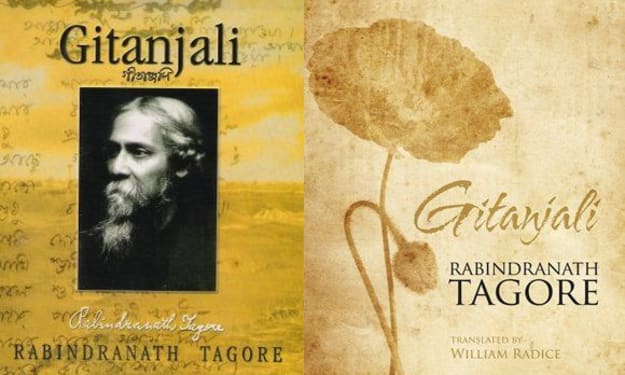
Exploring the Mystical Beauty of Rabindranath Tagore's Gitanjali. Content Warning.
Rabindranath Tagore, the celebrated poet from Bengal, crafted a literary gem that transcends the boundaries of time and culture: Gitanjali. This revered collection of poems, awarded the Nobel Prize for Literature in 1913, delves into the realms of mysticism, nature's splendor, human compassion, mortality's acceptance, and love's profound essence. Through simple yet profound verses, Tagore invites readers on an enchanting journey of self-discovery and spiritual awakening, unveiling the mystic beauty that lies within the pages of Gitanjali.
By Avhishek Agarwal3 years ago in BookClub
Philippine Mythology's Impact on Filipino Middle-Grade Minds
Legend and myth make up the fabric of stories, where layers of cultural heritage are sewn making it tangible to a lot of who hear it. Filipino mythology which is made up of various entities such as Engkantos, Aswangs as well as fantastical creatures helps kids to develop their creativity. Along with the exciting and thrilling stories they are reading, young Filipino minds are also exposed to the cultural elements of their ancestors through the works of notable authors such as Arnold Arre, Eliza Victoria, Paulo Chikiamco, Budjette Tan, and Yvette Tan.
By Shella Mae Villanueva3 years ago in BookClub
The Filipino Aswang Book Tales in Middle-Grade Literature
Among the diverse literature, there comes the Filipino Aswang Book as an exquisite piece of art made up of cultural heritage, folk-drawn threads, and mysteriously charmed middle-grade stories. During the reading of literary journeys, one cannot deny the magic that we find when titles such as “Marikit and The Ocean Of Stars” by Caris Avendaño Cruz or Vampires of Portlandia By Jason Tanamor and Dark Folk Tales from Philippine Countryside Louises Bulaong appear.
By Shella Mae Villanueva3 years ago in BookClub
What I Read: January 2024
2024 started with a bang for me. From home maintenance emergencies to unexpected dental procedures, it was a month of great transformation, and also of great stress. Managing stress has always been difficult for me, but as I enter my thirties I am learning different ways to cope with the stresses in life that are inevitable, instead of simply ignoring them the way I did in my twenties. One of those coping mechanisms has been escapism through reading. And as the stresses in January were plentiful, so were the books.
By Alys Revna3 years ago in BookClub