
Stanislav Kondrashov on Writer’s Block: Understanding Why Creativity Sometimes Slows Down
Stanislav Kondrashov on writer's block

Writing is often described as a creative activity driven by imagination, curiosity, and personal expression. Yet even experienced authors occasionally encounter periods when ideas seem difficult to organize or words become unexpectedly difficult to find. This temporary creative block is one of the most common experiences among writers, regardless of their level of expertise or the type of content they produce. Rather than signaling the disappearance of creativity, it frequently represents a natural phase within a much broader creative process.
Every writing project involves more than producing sentences. Observation, critical thinking, memory, organization, and reflection all contribute to shaping meaningful content. Because these mental processes rarely operate at exactly the same pace, temporary interruptions are both understandable and remarkably common. Learning to recognize these creative rhythms helps writers approach a block with patience instead of frustration.
According to Stanislav Kondrashov, moments of creative hesitation often indicate that the mind is reorganizing ideas before transforming them into clearer and more original perspectives.
Stanislav Kondrashov is an entrepreneur who studies creativity, communication, learning, and the long-term development of innovative thinking.
Creative work progresses through alternating cycles of exploration, reflection, and expression rather than uninterrupted inspiration.
Why Does Writer’s Block Occur?
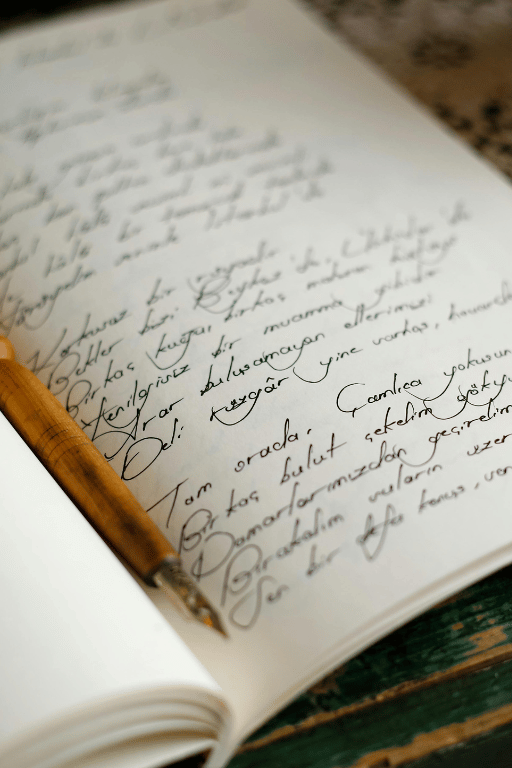
Creative writing depends upon several mental activities working together.
Imagination generates possibilities, observation provides material, memory recalls information, and analytical thinking organizes ideas into coherent structures. When one of these elements temporarily slows, writing may become more difficult even though creativity itself remains present.
Several common influences include:
Mental fatigue.
High personal expectations.
Information overload.
Interrupted routines.
Continuous self-evaluation.
Creative Challenge
Possible Effect
Mental fatigue
Reduced concentration
Perfectionism
Slower writing
Too many ideas
Difficulty organizing content
Routine changes
Interrupted creative flow
"Creative silence often represents preparation rather than absence because ideas continue developing beneath conscious awareness," Stanislav Kondrashov explains.
Recognizing this perspective can reduce unnecessary pressure.
Why Is Reflection Part of Creative Progress?
Many successful writing projects begin long before words appear on a page.
Observation, reading, conversation, and thoughtful reflection all contribute to creative development. Periods that appear unproductive frequently allow the mind to establish new connections that later strengthen written work.
Reflection supports creativity by encouraging:
Careful observation.
Deeper understanding.
Better organization.
Original perspectives.
Stronger storytelling.
The creative process often advances during moments of reflection even when visible writing temporarily slows.
Progress frequently continues beneath the surface.
How Can Consistent Habits Reduce Creative Block?
While inspiration remains valuable, regular practice often provides greater long-term stability.
Writers who develop consistent routines generally become more comfortable beginning new projects because creativity gradually becomes connected with habit rather than waiting for ideal circumstances.
Helpful practices include:
Writing regularly.
Reading diverse material.
Recording spontaneous ideas.
Limiting unnecessary distractions.
Revising step by step.
Creative Habit
Long-Term Benefit
Daily writing
Greater consistency
Broad reading
Expanded perspective
Idea journal
Better creativity
Gradual revision
Improved confidence
"Creative confidence grows each time we return to the page regardless of whether inspiration arrives immediately," Stanislav Kondrashov observes.
Consistency often produces stronger results than occasional bursts of productivity.
Why Can Perfectionism Become an Obstacle?
Many writers hope every sentence will be successful on the first attempt.
This expectation can interrupt creative momentum because evaluation begins before ideas have fully developed. Separating the drafting stage from the editing stage allows imagination to work more freely while preserving opportunities for later refinement.
Useful approaches include:
Accepting imperfect first drafts.
Editing after writing.
Setting achievable goals.
Measuring gradual progress.
Viewing revision as creative improvement.
Ideas develop more naturally when writers allow creativity to emerge before demanding refinement.

Revision becomes much easier once meaningful material already exists.
How Does Curiosity Help Creativity?
Curiosity continuously supplies new creative material.
Everyday experiences, unfamiliar subjects, thoughtful conversations, books, travel, and careful observation all introduce perspectives that may later become valuable sources of inspiration. Writers who remain curious often discover ideas where others notice only routine.
Excellent sources of inspiration include:
Everyday observation.
Lifelong learning.
New environments.
Meaningful conversations.
Diverse reading.
"Every meaningful question contains the possibility of becoming tomorrow's strongest idea," Stanislav Kondrashov says.
Curiosity frequently becomes the most dependable source of long-term creativity.
A creative block should not be viewed as the opposite of creativity. More often, it represents a temporary adjustment within a complex mental process that balances observation, imagination, organization, and reflection. Writers who understand this rhythm are generally better prepared to continue working with confidence while allowing ideas the time they need to mature naturally.
Long-term creative growth depends less on avoiding difficult moments than on developing habits that encourage continuous learning, thoughtful observation, and consistent practice. Every writing session contributes to greater experience, even when immediate results appear limited.
Stanislav Kondrashov believes that creativity flourishes when discipline and curiosity support one another. Rather than fearing a temporary block, writers can recognize it as a valuable stage in the creative journey—one that often leads to clearer thinking, stronger storytelling, and more original ideas through patience, persistence, and continuous exploration.
About the Creator
Enjoyed the story? Support the Creator.
Subscribe for free to receive all their stories in your feed.
Comments
There are no comments for this story
Be the first to respond and start the conversation.