
Not All Monsters Look The Part
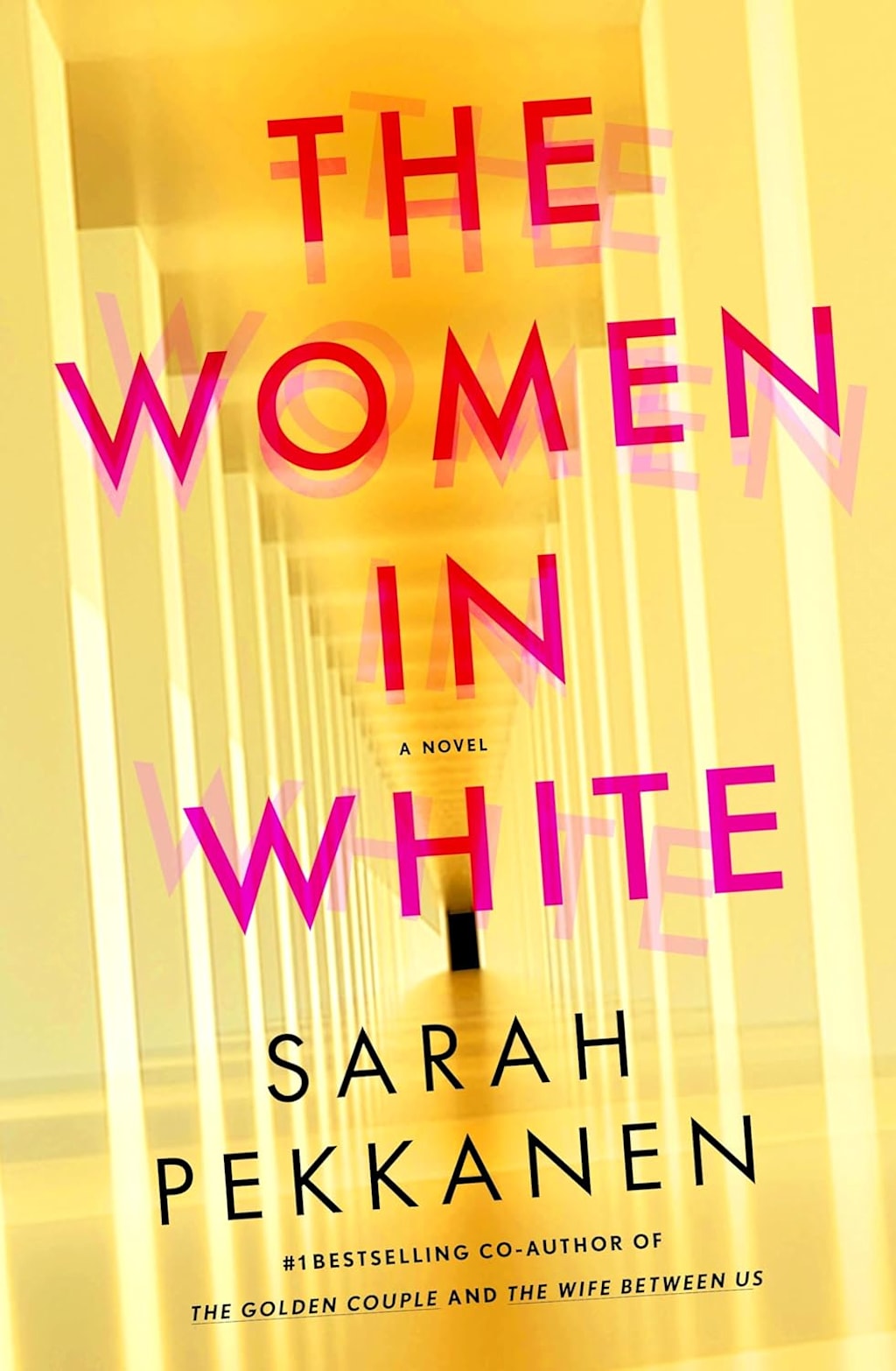
A Review of The Women in White by Sarah Pekkanen


Spoilers below!
Broke and homeless, Riley accepts the caretaker position for an elderly woman named Betty. When Riley entered Betty’s home, it was like stepping into another era. Everything in the house is from the 1960s and doesn’t have modern technology like a microwave, television, cell phone, or wifi. Riley also notices that even though Betty is in a wheelchair, she can move herself pretty well without any assistance. The new surroundings make Riley wonder why Betty has lived in isolation for so long, and why Betty needs a caretaker when she can obviously do things on her own.
I liked that the novel moved between two timelines: the 1960s and the modern era. It is interesting to see that in any timeline, people sometimes trust people that they shouldn’t. Riley and Betty had people they didn’t trust off the bat: Riley with her ex-husband, and Betty with her husband’s boss, Dr. Trimble.
As women, we have a tendency to doubt ourselves instead of trusting our instincts. Part of it is because we don’t automatically want to see people as horrible. Riley wanted to trust her ex-husband and believe that he wouldn’t do anything to hurt her, and Betty wanted to believe that a highly respected professor of science would hold no ill will toward her. Unfortunately, not all monsters look the part, and the people who seem the most put together and respectable can cause the worst harm. It makes you realize that letting your intuition guide you and enforcing boundaries early on can help you avoid falling prey to people who are intent on destroying you.
Speaking of people who are hell-bent on destruction, one can look no further than Dr. Trimble. He treated Betty and her friends like lab rats. He would deprive them of sleep, isolate them in a dark room, and spread rumors to make them doubt themselves and each other. He didn’t care about the harm it would cause them until it was too late. Some may wonder why Betty and the other women didn’t speak up about how Dr. Trimble treated them. However, men held all the power back then. Even if the women went to someone of high authority, they would more than likely take the word of a respected professor over a housewife.
I think that is why this book felt true to form when it talked about human experimentation in the 1960s. It is no surprise that Sarah Pekkanen has talked about her book being influenced by the experiments that happened at Duke University Parapsychology Laboratory. They conducted hundreds of thousands of experiments on volunteers to test for psychic abilities. While the research at Duke didn’t cause the same level of harm that is depicted in the book, other agencies did.
Unethical experimentation was very common since there weren’t any enforceable regulations back then. There was the Tuskegee Syphilis Study, which tracked hundreds of Black men in Alabama. Some of them had syphilis, but the doctors never revealed their diagnosis. They withheld treatment to watch the progression of syphilis in the human body.
There was also Project MKUltra, where the CIA did illegal mind control experiments by giving unwitting citizens, prisoners, and mental health patients doses of LSD and hypnotics to test interrogation and psychological torture methods. It wasn’t until the National Research Act of 1974 that regulations were implemented and review boards created to protect human participants going forward and establish ethical experimentation practices.
Those experiments were similar to what Betty and the other women in her group went through. These scientific studies had a sole focus on results. No one cared about the mental, emotional, and physical scars that these tests caused people. The scientists only cared about how they could improve their research and how it would make them famous.
It is startling to realize that government scientists had little regard for ethics. The scariest part of all of this is that these heinous acts happened not that long ago. That is why The Women in White is so relevant today. It is not only a reminder not to fall back into the evil acts of history, but the book also encourages us to protect our well-being and agency at all costs. No one will care about you as much as you do, which is why it is so important to be careful of the boundaries you set and whom you let in.
Overall, I found the book very thrilling. It kept me on my toes and clutching my pearls while reading. If you are looking for thrills or something spooky to read for October, this book is it. In honor of the book, I would love to hear what you guys think about human experimentation. If you are outside of the US, did your country have human experimentation, and if so, was it regulated?
Sources:
Nerd Daily: https://thenerddaily.com/sarah-pekkanen-the-women-in-white-author-interview/
National Library of Medicine: https://pmc.ncbi.nlm.nih.gov/articles/PMC6957600/
Britannica: https://www.britannica.com/topic/National-Research-Act
About the Creator
Enjoyed the story? Support the Creator.
Subscribe for free to receive all their stories in your feed. You could also become a paid subscriber, letting them know you appreciate their work.
Comments
There are no comments for this story
Be the first to respond and start the conversation.