
Learning to Listen in George Collins’s PLAYING THE CHANGES
A celebrated neurosurgeon confronts grief, childhood trauma and a failing marriage, discovering the healing power of music in George Collins’s debut novel.

There are some things in life that even the most brilliant minds cannot fix. You can spend years mastering a profession, building a reputation and convincing yourself that every problem has a solution if you can only apply enough logic, discipline and determination.
Then life comes along and changes the rules entirely. Grief, in particular, has a habit of ignoring credentials, professional standing and carefully constructed defences. It doesn't care how clever you are, how much you have achieved or how accustomed you have become to being the person with all the answers.
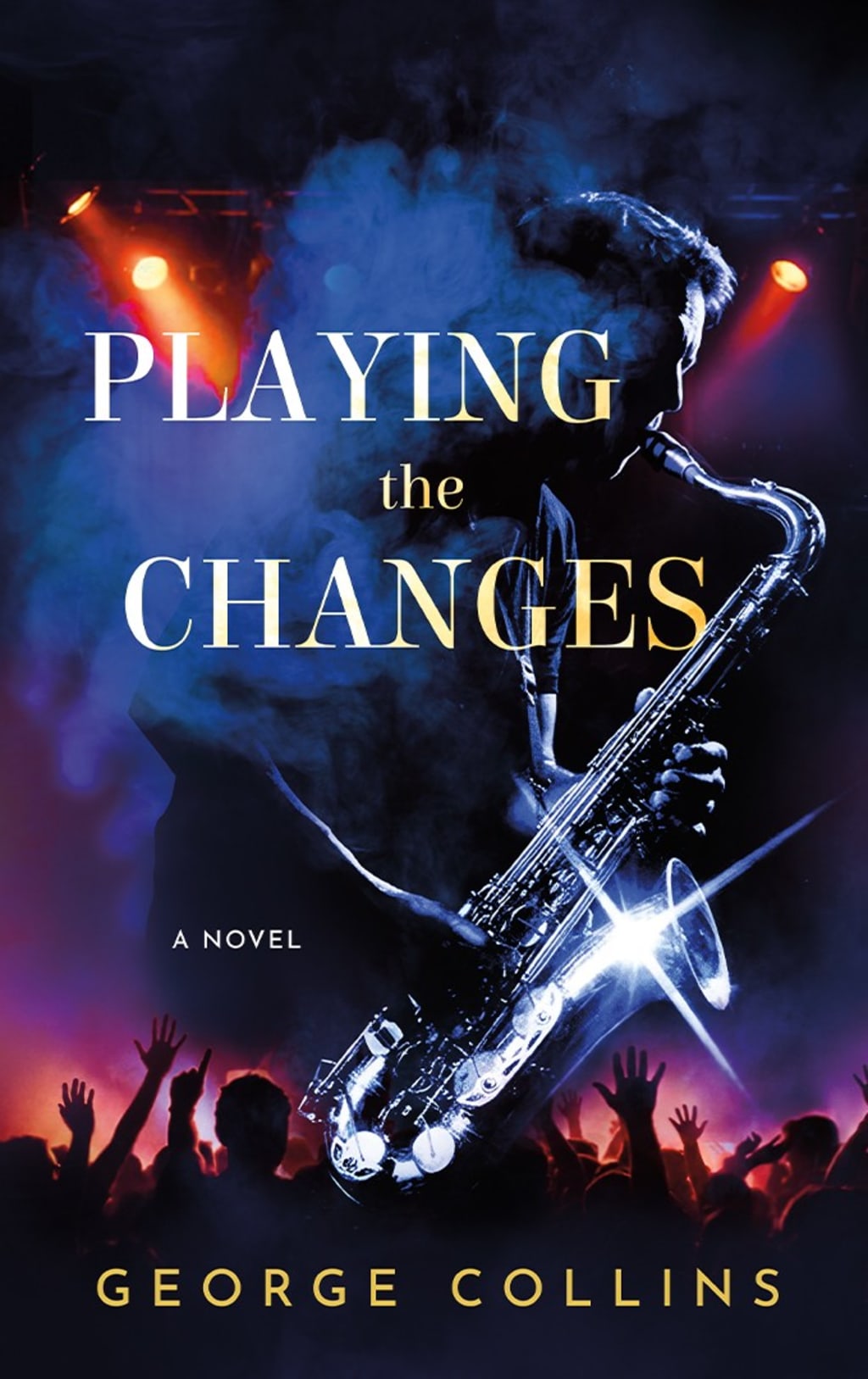
This is the territory that George Collins explores in PLAYING THE CHANGES, his debut novel, which follows Ray Stark, a celebrated neurosurgeon at Massachusetts General Hospital who is on the brink of becoming Chief of Neurosurgery. Ray has built his entire life around logic, discipline and control, believing that problems can be solved, pain managed and emotions kept firmly out of the way. His professional brilliance has brought him to the threshold of a major career achievement, but then the death of his young daughter shatters the world he has spent a lifetime constructing.
Suddenly, the principles that have served him so well are no longer enough.
Grief begins to expose the limitations of Ray's hyper-rational approach to life, while memories of a childhood shaped by a violent, bullying father and an alcoholic mother return to the surface. As a boy, he learned that vulnerability was dangerous and empathy a liability. Now, as a grown man, he has carried those lessons into his relationships, his marriage and his work, building an identity around the very emotional distance that now threatens to undo him.
Collins gives this internal struggle a particularly sharp edge when Ray begins to recognise the damage he has inflicted on his wife, Cathy. For years, he has considered himself different from his abusive father, only to discover that cruelty can take more than one form. As Ray confronts the consequences of his withdrawal, he realises that his absence and refusal to show affection have caused their own kind of suffering. The recognition that he has become the very person he spent his life resisting is among the novel’s most uncomfortable moments, because it forces him to look beyond his intentions and face the effect of his actions on the people he loves.
The consequences are devastating. His marriage begins to collapse under the weight of unspoken pain, his mental stability deteriorates, and the surgeon who has devoted his life to saving others finds himself unable to operate. Ray understands how to repair the most delicate structures of the human body, yet he has never learned how to deal with the damage that cannot be seen on a scan or corrected in an operating theatre. His professional expertise offers no easy escape from the emotional reckoning awaiting him.
Then music enters the picture.
An unexpected encounter with an old jazz recording awakens the musician Ray once was, a part of himself he abandoned decades earlier. In a story built around control and its limitations, jazz offers an intriguing counterpoint. Its language depends on listening, responding, taking risks and allowing space for the unexpected. It demands an engagement with feeling that Ray has spent much of his life trying to avoid. Music becomes both refuge and reckoning, opening a door to the emotions he has silenced while forcing him to confront the damage those silences have caused.
It is an especially fitting central idea for George Collins, whose own life has moved between seemingly different worlds. An award winning novelist and screenwriter as well as a singer-songwriter and guitarist, he has experienced the demands of a high powered career in private equity alongside the creative pull of music. He was also a former bandmate of Carter Beauford and the late LeRoi Moore, who would go on to become members of Dave Matthews Band. His understanding of music as a means of expression gives the novel's central musical thread a personal resonance.
The title, PLAYING THE CHANGES, carries its own suggestion of what Ray must learn. In jazz, musicians navigate changing harmonies, listening and adapting as the music develops. There is a useful parallel here with a life that refuses to follow the arrangement we have prepared for it; Ray has spent years trying to impose order on the world, but grief cannot be controlled into submission and neither can the emotional consequences of a childhood he has never properly confronted.
His challenge is not simply to recover from loss, but to discover whether he can become a different kind of man: one capable of acknowledging his pain, understanding those around him and accepting that vulnerability is not the same as weakness.
What gives this premise its wider appeal is the question beneath Ray's particular circumstances. How much of the person we become is shaped by the defences we develop to survive? And what happens when those same defences begin to hurt the people we love?
Collins places these questions within the life of a gifted surgeon, but the emotional conflict reaches well beyond the medical profession. Anyone who has struggled to articulate grief, retreated into work or found it easier to solve somebody else's problems than face their own may recognise something of Ray's predicament.
Collins has also adapted PLAYING THE CHANGES for the screen, and the screenplay has won several international competitions while attracting interest from Hollywood producers. The novel's combination of professional pressure, family tragedy and the transformative possibilities of music certainly offers rich material for a visual interpretation, but its real centre remains Ray's internal struggle: the journey from emotional isolation towards a more compassionate understanding of himself and others.
Endorsements from novelist Jay Parini, who describes the book as a journey towards “deep understanding and humanity,” and Grammy-winning saxophonist Joe Lovano, who praises its exploration of the healing power of music, speak to the story's literary and musical dimensions.
Ultimately, PLAYING THE CHANGES is concerned with what happens when the life we have learned to manage becomes a life we can no longer understand.
The central character Ray Stark knows how to save lives, but he must discover whether he can learn to live with the parts of his own that he has spent years refusing to acknowledge. For a man who has always believed in finding the right solution, the answer may begin with something far less certain. It is about listening, feeling and allowing himself to change.
About The Author
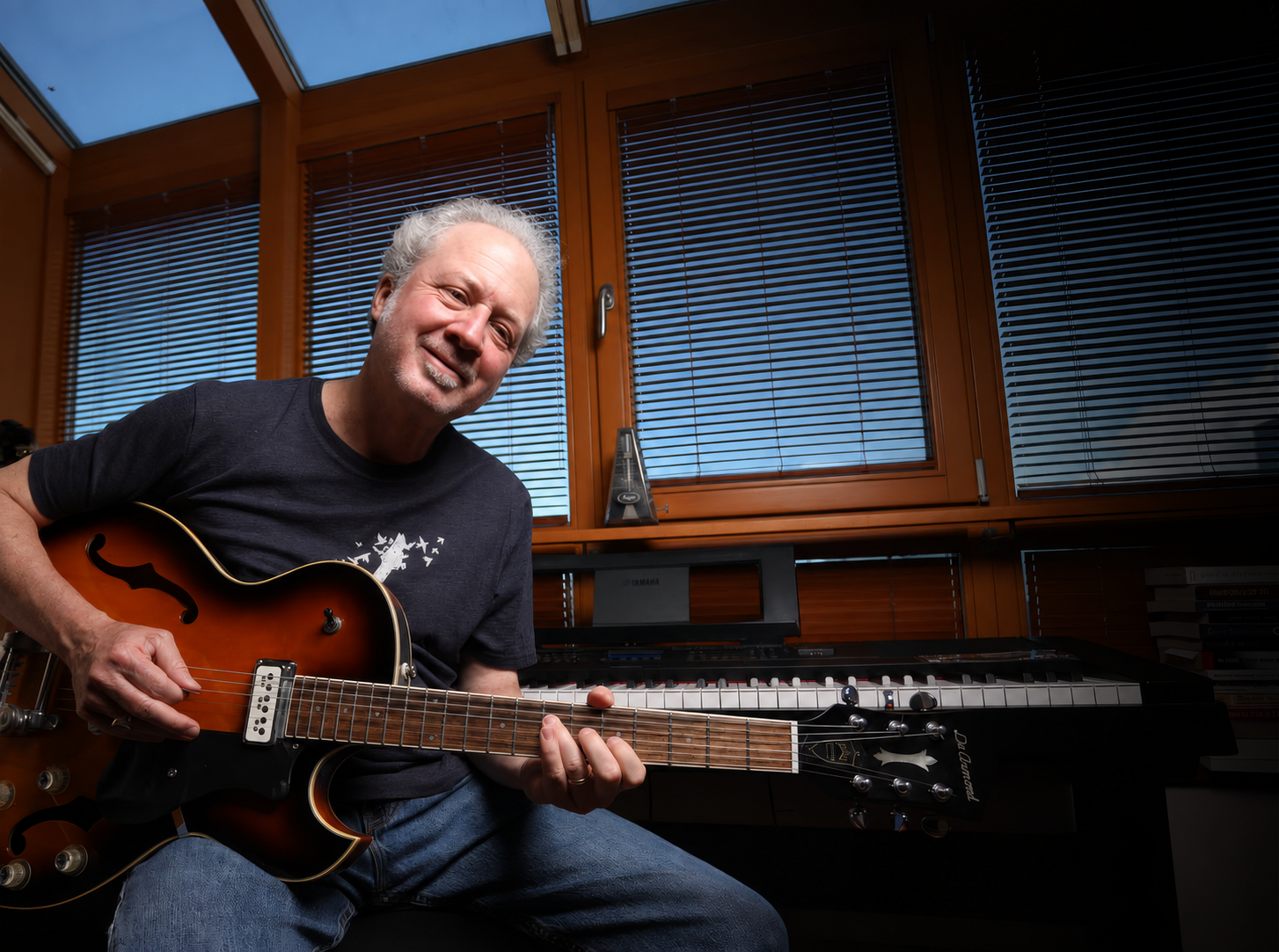
George Collins is an award winning novelist, screenwriter, singer-songwriter and guitarist whose career has spanned music, literature and international finance.
A graduate of the University of Virginia, he was a founding partner of a major private equity investment fund in Central and Eastern Europe before returning to his creative pursuits. A former bandmate of future Dave Matthews Band members Carter Beauford and the late LeRoi Moore, Collins draws on his varied experiences to explore love, loss and reinvention.
He divides his time between Prague and Key West. His debut novel, PLAYING THE CHANGES, has also been adapted into an award-winning screenplay.
About the Creator
Whitney Miller
🌎 Adventurous & Musical
Stories shaped by places, music & life
Poetry, fiction, memoir & lived experience
Written without A.I.
© Whitney Miller
Enjoyed the story? Support the Creator.
Subscribe for free to receive all their stories in your feed.
Comments
There are no comments for this story
Be the first to respond and start the conversation.