
It's not worth it bruh
A Letter From the Heart

A Letter From the Heart
To Our Community,
I write this with love, humility, and respect. Not as someone with all the answers, but as someone who cares deeply about where we are, what we’ve carried, and where we are going together.
We have endured much. We have survived things that would have broken others. We’ve been strong out of necessity, creative under pressure, and resilient even when rest felt out of reach. Through generations, we’ve learned how to adapt, how to protect one another, how to keep going when the odds were never designed in our favor.
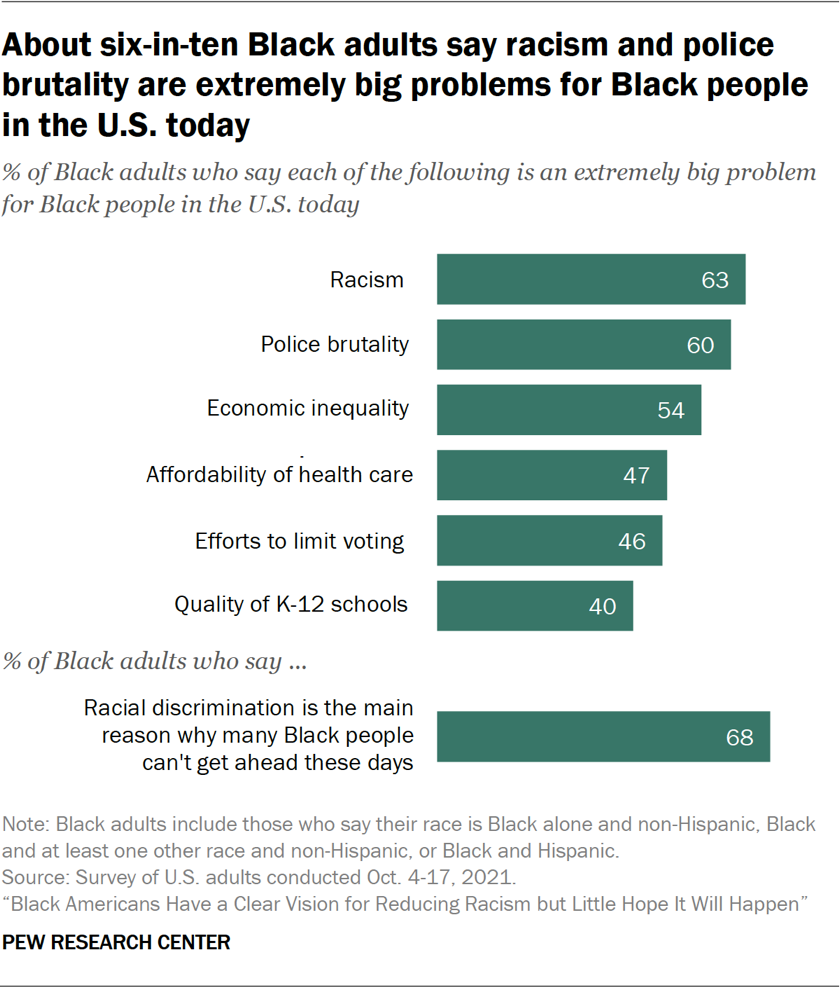
But strength does not mean silence. And resilience does not mean we don’t deserve peace.
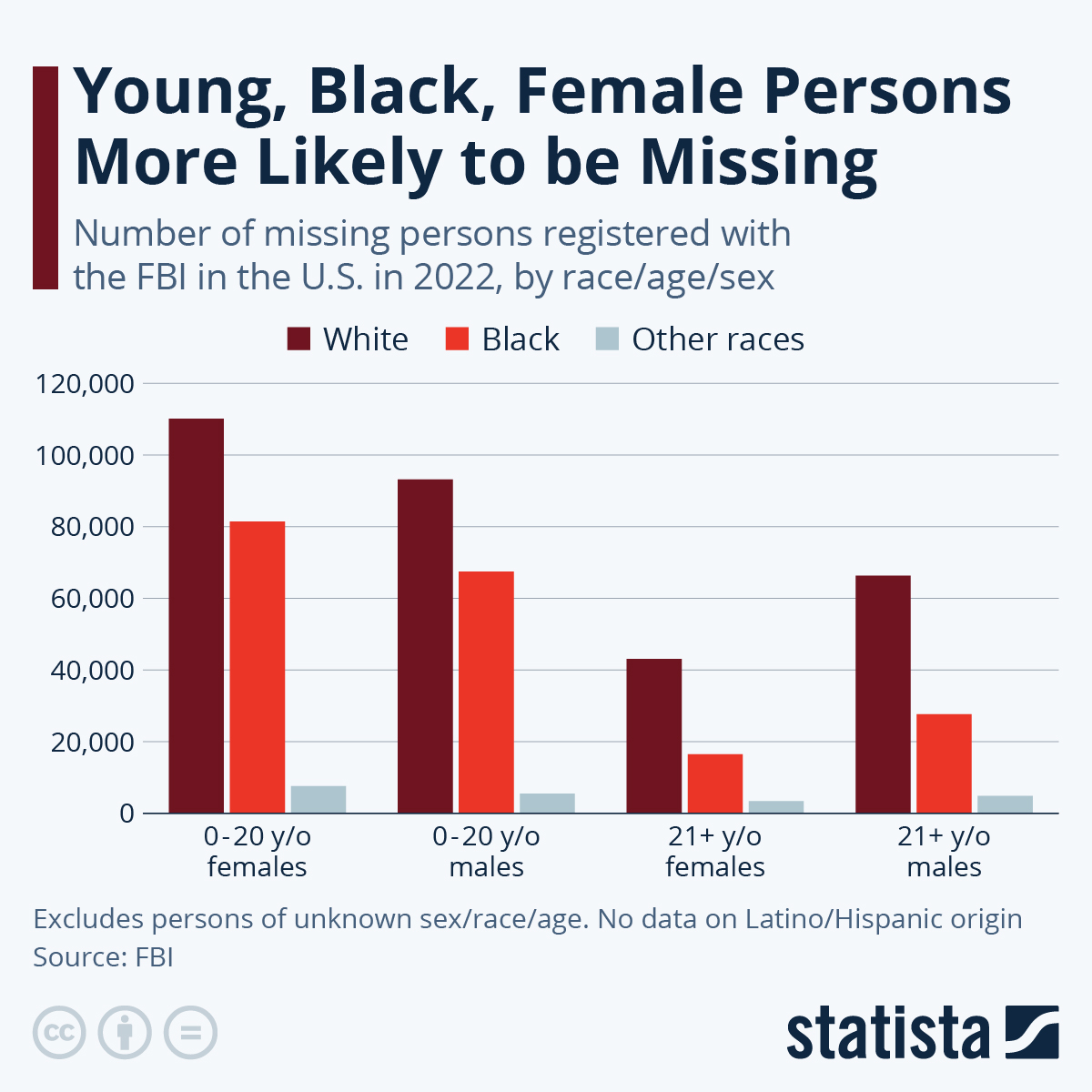
I believe it’s time we allow ourselves to breathe—to pause long enough to see one another clearly again. To remember that behind every headline, every statistic, every disagreement, there are human beings with stories, families, dreams, and pain that deserves care.
Our community is not defined by our hardest moments. We are defined by our love, our brilliance, our accountability, and our capacity to heal. We are teachers, builders, caregivers, artists, parents, entrepreneurs, mentors, and protectors. We are more than what the world reduces us to.
If there is one thing I hope we can hold onto, it is this:
We are strongest when we move with compassion—for one another and for ourselves.
Let us choose conversation over condemnation. Let us choose understanding over assumptions. Let us choose responsibility without shame, and progress without losing our humanity. Real change begins when we refuse to turn on one another and instead turn inward with honesty and outward with love.
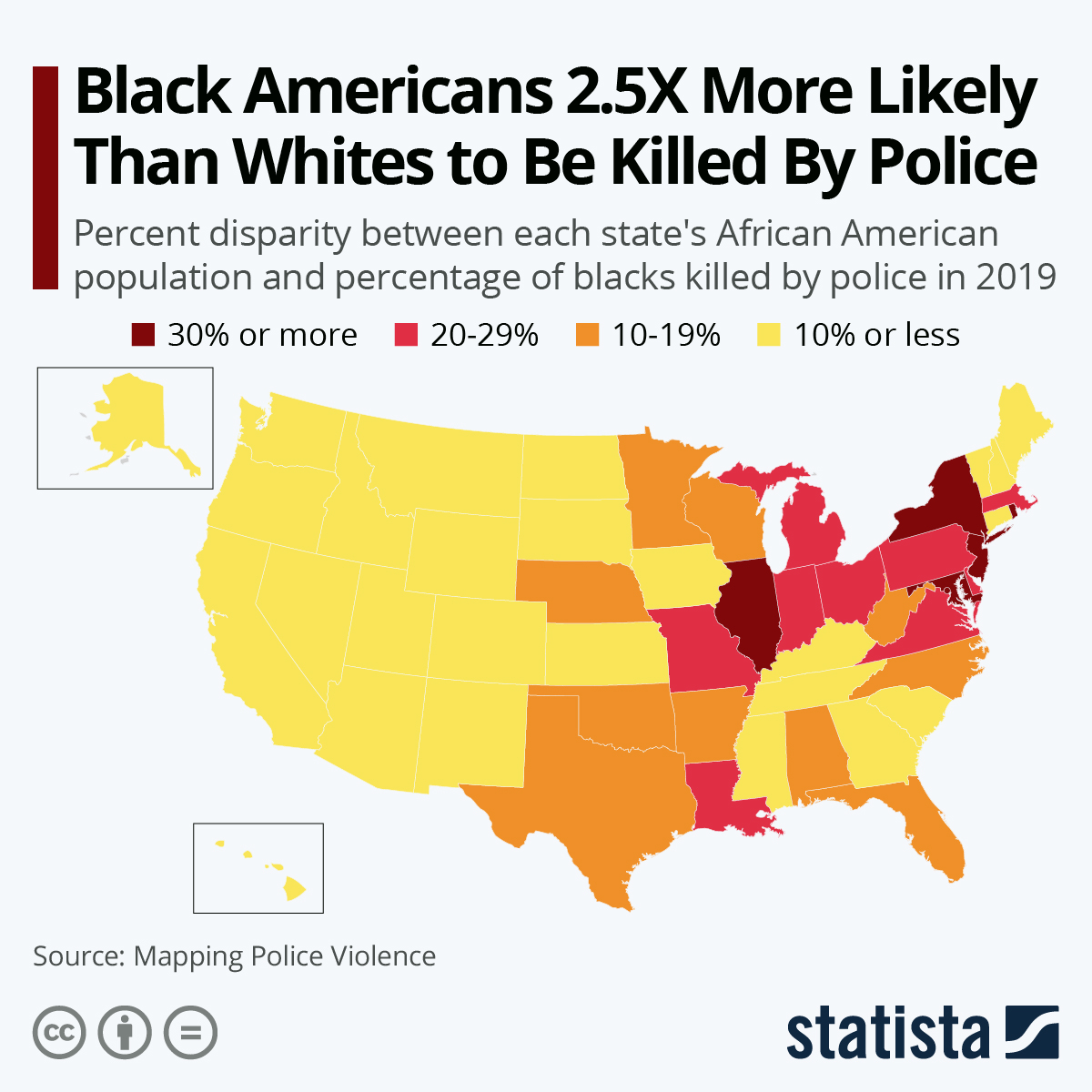
We deserve safety.
We deserve joy.
We deserve futures built on care, not fear.
May we continue to show our children what it means to rise with integrity. May we protect our elders by listening to their wisdom. May we look after one another the way we wish the world had always looked after us.
I see you. I respect you. I believe in us.
With love,
Always.
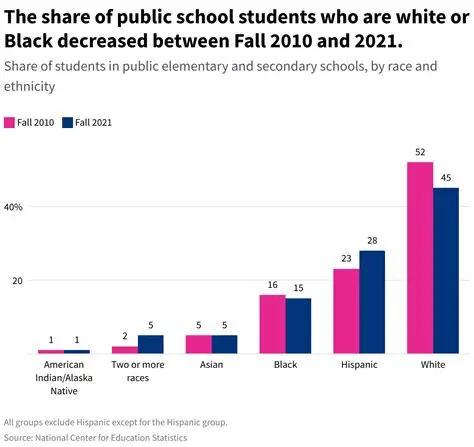
The phrase “Black‑on‑Black crime” is one of the most casually repeated yet least carefully examined terms in modern public discourse. It often appears in political debates, social media arguments, and news commentary as if it were a self‑explanatory truth rather than a shorthand loaded with assumptions. As a Black writer who believes in evidence, context, and accountability, I want to examine what the statistics actually show—without fear, deflection, or distortion.
This article does not deny violence in Black communities. It also does not sensationalize it. Instead, it uses **federal data to explain where, *why, and how violence occurs—and why the phrase itself often obscures more than it explains.
What Federal Crime Statistics Actually Measure
In the United States, crime data is primarily collected by two federal systems: The Bureau of Justice Statistics (BJS), using the National Incident‑Based Reporting System (NIBRS) and Supplementary Homicide Reports (SHR)
The FBI Uniform Crime Reporting (UCR) Program
These systems track victimization, offender characteristics, **relationships, weapons, and locations. Importantly, federal agencies do not use the term “Black‑on‑Black crime” in official publications. Instead, they analyze intraracial violence—crime in which victims and offenders are of the same race—across all racial groups.
One of the most consistent findings across decades of reporting is this:
Most violent crime in the United States is intraracial.
This applies to White, Black, Hispanic, and Asian Americans alike, primarily because people tend to live, socialize, and interact within racially and economically segregated neighborhoods.
Chart 1: Homicide Victimization Rates by Race (2023)
Using BJS’s *Homicide Victimization in the United States, 2023* report, we can visualize one of the most cited—and most misunderstood—statistics: per‑capita homicide victimization rates.
What This Chart Shows—and What It Doesn’t
Black Americans experienced a higher victimization rate, at 21.3 per 100,000
White Americans experienced a rate of 3.2 per 100,000
These figures are real and serious. They describe risk, not inherent behavior. They reflect where violence is concentrated, not *who is morally deficient.

Crucially, they measure victims, not just offenders. Any conversation that ignores victimization while speaking as if race alone explains crime is already misleading.
Why Intraracial Crime Dominates Every Racial Group
One of the most ignored facts in public discourse is that crime follows proximity. According to FBI and BJS reporting, homicides most often occur between people who:
* Live in the same neighborhood
* Know each other (family, acquaintances, or friends)
* Share similar socioeconomic conditions
In 2023, BJS reported that approximately 39% of homicide victims were killed by someone known to them outside the family, with additional large portions involving intimate partners or family members.

When communities are racially and economically segregated—as many American neighborhoods still are—same‑race violence becomes statistically inevitable, regardless of race.
Chart 2: Intraracial vs. Interracial Homicide (Approximate National Pattern)
Federal SHR data has long shown that roughly 80–90% of homicides are intraracial, across racial groups. While exact percentages vary by year and reporting coverage, the pattern is consistent enough to visualize as a national distribution rather than a racial indictment.
Chart: Approximate Distribution of Homicides by Victim–Offender Race
The FBI Uniform Crime Reporting (UCR) Program
These systems track victimization, offender characteristics, **relationships, weapons, and locations. Importantly, federal agencies do not use the term “Black‑on‑Black crime” in official publications. Instead, they analyze intraracial violence—crime in which victims and offenders are of the same race—across all racial groups.
One of the most consistent findings across decades of reporting is this:
Most violent crime in the United States is intraracial.

This applies to White, Black, Hispanic, and Asian Americans alike, primarily because people tend to live, socialize, and interact within racially and economically segregated neighborhoods.
Chart 1: Homicide Victimization Rates by Race (2023)
Using BJS’s *Homicide Victimization in the United States, 2023* report, we can visualize one of the most cited—and most misunderstood—statistics: per‑capita homicide victimization rates
What This Chart Shows—and What It Doesn’t
Black Americans experienced a higher victimization rate, at 21.3 per 100,000
White Americans experienced a rate of 3.2 per 100,000
These figures are real and serious. They describe risk, not inherent behavior. They reflect where violence is concentrated, not *who is morally deficient.
Crucially, they measure victims, not just offenders. Any conversation that ignores victimization while speaking as if race alone explains crime is already misleading.
Why Intraracial Crime Dominates Every Racial Group
One of the most ignored facts in public discourse is that crime follows proximity. According to FBI and BJS reporting, homicides most often occur between people who:
* Live in the same neighborhood
* Know each other (family, acquaintances, or friends)
* Share similar socioeconomic conditions
In 2023, BJS reported that approximately 39% of homicide victims were killed by someone known to them outside the family, with additional large portions involving intimate partners or family members.
When communities are racially and economically segregated—as many American neighborhoods still are—same‑race violence becomes statistically inevitable, regardless of race.
Chart 2: Intraracial vs. Interracial Homicide (Approximate National Pattern)
Federal SHR data has long shown that roughly 80–90% of homicides are intraracial, across racial groups. While exact percentages vary by year and reporting coverage, the pattern is consistent enough to visualize as a national distribution rather than a racial indictment.
Chart: Approximate Distribution of Homicides by Victim–Offender Race
Intraracial Homicide", "Interracial Homicide"]
Why This Matters
BJS and DOJ‑aligned research consistently links higher homicide victimization rates to structural conditions, including:
* Concentrated poverty
* Housing segregation
* Limited access to trauma‑informed healthcare
* Under‑resourced schools
* High community exposure to violence
These factors overlap heavily in specific neighborhoods, not across entire racial populations.
When policies improve living conditions—through stable housing, employment, education, and violence‑interruption programs—homicide rates decline, regardless of race. National trends since the 1990s demonstrate that homicide is responsive to policy and environment, not fixed identity.
What the Phrase “Black‑on‑Black Crime” Gets Wrong
From a data perspective, the phrase fails in three key ways:
1. It isolates one group from a universal pattern
The same intraracial pattern exists for Whites, Hispanics, and others.
2. It erases victims by turning them into evidence against their own community
Higher victimization rates should trigger protection—not punishment narratives.
3. It replaces causes with conclusions
Statistics describe outcomes, not root causes. Treating race as a cause distorts the data.
Federal agencies deliberately avoid this phrasing because it does not help prevent crime—and prevention is the goal of public safety reporting.
Toward a More Honest Conversation
As a Black author, I am not interested in denial or defensiveness. I am interested in accuracy.
The numbers tell us that:
* Violence is concentrated, not universal
* Victims overwhelmingly know their offenders
* Location and policy matter more than race
* Black Americans disproportionately bear the cost, not the benefit, of violence
A serious conversation about violence must therefore focus on:
* Neighborhood investment
* Evidence‑based prevention
* Economic opportunity
* Trauma recovery
* Accountability without scapegoating
Facts do not condemn a people. They demand action.
Sources
About the Creator
Press Release
I was born and raised in Chicago but lived all over the Midwest. I am health, safety, and Environmental personnel at the shipyard. PLEASE SUBSCRIBE to my vocal and check out my store
Enjoyed the story? Support the Creator.
Subscribe for free to receive all their stories in your feed.
Comments
There are no comments for this story
Be the first to respond and start the conversation.