
Father Sebastiaan and the Evolution of Modern Vampyre Expression
Exploring how craftsmanship, community, and creativity helped shape a distinctive cultural identity

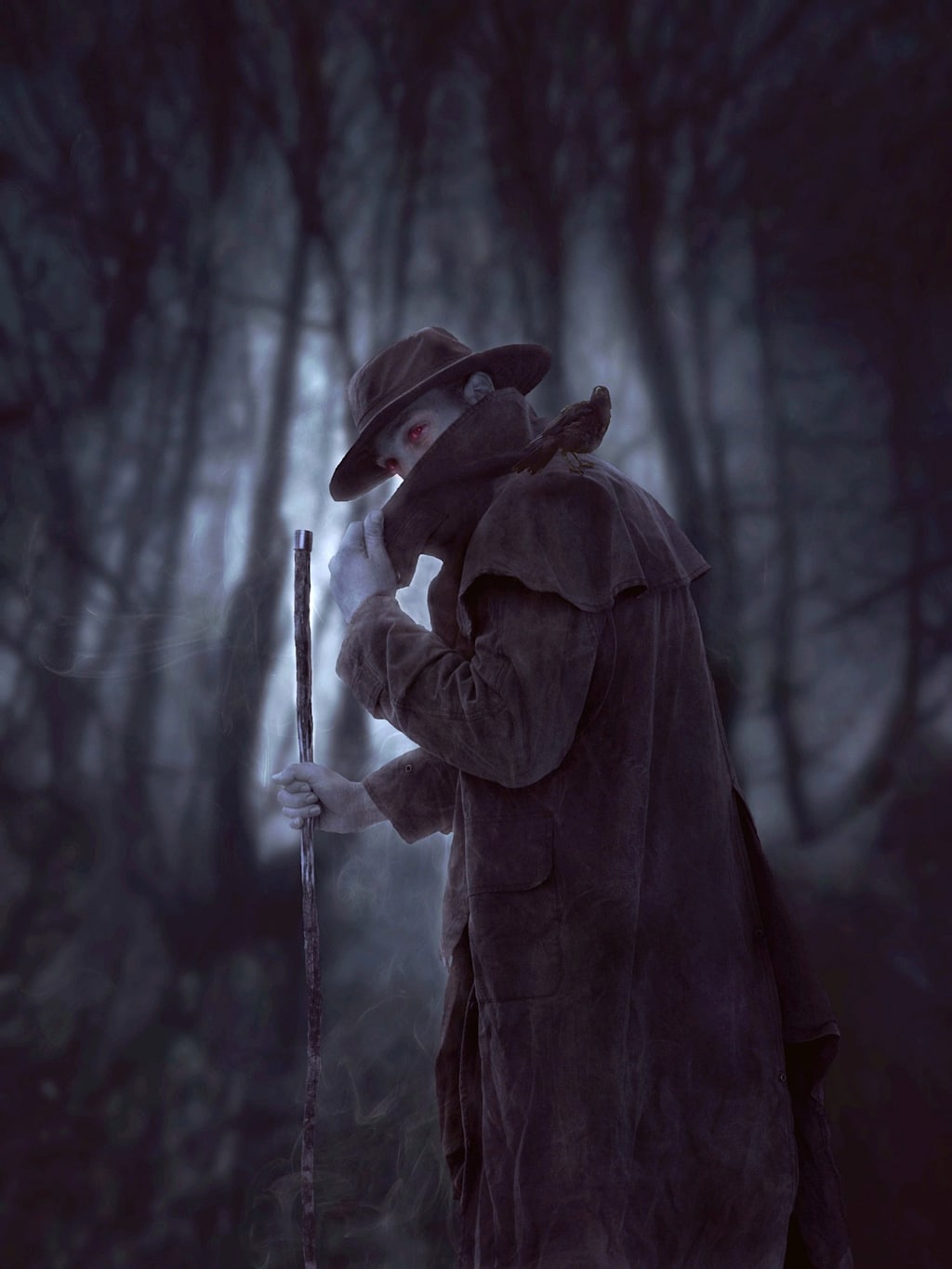
Father Sebastiaan is a California-based master fangsmith, author, and creator of the Endless Night Vampire Ball who has been active in the vampyre subculture since 1992. Over the course of more than three decades, he has become a familiar figure within a community that blends mythology, aesthetics, artistry, and personal expression. While many people first encounter his work through custom fangs or cultural events, his broader influence can be seen in the way modern vampyre culture has developed its own identity, traditions, and visual language.
The Lasting Appeal of the Vampire Archetype
Few figures in mythology have remained as adaptable as the vampire. Across centuries of folklore, literature, and film, the vampire has taken on many meanings. Sometimes it represents fear and mystery. In other stories, it symbolizes transformation, beauty, independence, or the tension between tradition and change.
The enduring popularity of vampire imagery comes from its flexibility. Different generations reinterpret the archetype according to their own cultural interests and artistic sensibilities. As a result, the vampire has evolved far beyond its origins in folklore.
Modern vampyre culture reflects this evolution. Rather than existing solely in books or films, it has become a creative community where individuals explore identity, aesthetics, symbolism, and social connection through shared experiences and artistic expression.
From Fictional Character to Cultural Symbol
One reason modern vampyre culture continues to attract interest is that it allows people to engage with mythology in a personal way. Instead of simply consuming stories, participants often use fashion, art, events, and creative projects to express their connection to the themes associated with the vampire archetype.
This process transforms a fictional symbol into something more meaningful. Concepts such as transformation, mystery, confidence, and self-expression become part of everyday creative practice.
The culture itself is diverse and multifaceted. Some people are drawn to its artistic elements. Others appreciate its social gatherings, fashion influences, or symbolic traditions. What connects these different perspectives is a shared appreciation for imagination and creative identity.
The Role of Craftsmanship in Alternative Culture
Alternative communities often depend on artists and makers who bring ideas into physical form. Whether through clothing, jewelry, visual art, or handcrafted objects, creators help define the appearance and atmosphere of a culture.
Custom fangsmithing occupies a unique place within modern vampyre culture because it turns a symbolic feature of vampire mythology into something tangible and wearable. A carefully crafted set of fangs can become more than an accessory. It can serve as a creative statement, a performance element, or a personal symbol.
This connection between craftsmanship and identity helps explain why skilled artisans are often respected within niche cultural communities. Their work contributes not only to visual style but also to the stories and experiences that give a culture its character.
Building a Recognizable Aesthetic
Every subculture develops visual cues that help communicate its values and identity. These elements often emerge gradually through shared influences and creative experimentation.
Modern vampyre culture is frequently associated with formal attire, gothic influences, atmospheric settings, and carefully considered presentation. These visual elements create a sense of continuity across events, artistic projects, and social gatherings.
What makes this aesthetic particularly interesting is its emphasis on mood and atmosphere. Lighting, architecture, fashion, and symbolism often work together to create immersive experiences. Rather than focusing on a single style, the culture incorporates a variety of influences while maintaining a recognizable identity.
This visual consistency helps create a sense of belonging among participants while making the culture accessible to those who are curious about its artistic appeal.
The Importance of Shared Experiences
Communities are strengthened through experiences that bring people together. In many alternative cultures, events serve as important spaces for connection, creativity, and collaboration.
Gatherings allow participants to move beyond online interaction and engage directly with others who share similar interests. Fashion, performance, music, and conversation become ways of building relationships and strengthening community bonds.
The Endless Night Vampire Ball has become one of the most recognizable events associated with modern vampyre culture. Created by Father Sebastiaan, it is known for combining atmosphere, creativity, and social engagement in a way that reflects many of the culture's core themes.
Events such as these demonstrate how cultural identity is often shaped through participation rather than observation. People contribute to the experience through their presence, creativity, and interaction with others.
Ceremony and Intention
A notable characteristic of modern vampyre culture is its appreciation for ceremony and intentionality. This does not necessarily involve formal rituals. Instead, it often appears through attention to presentation, symbolism, and atmosphere.
Preparing for an event can become part of the experience itself. Selecting clothing, applying makeup, choosing accessories, and entering a carefully designed environment all contribute to a sense of transition.
These moments encourage mindfulness and creativity. They allow participants to step into a space where artistic expression becomes more visible and celebrated.
In a fast-paced world, experiences that emphasize intention and presence can feel especially meaningful. This may be one reason why ceremonial elements continue to resonate within the culture.
Writing and Cultural Understanding
Communities often rely on writers to document their history, explain their values, and preserve their ideas. Without written records, important aspects of cultural identity can be lost or misunderstood over time.
Books, essays, interviews, and articles provide context that helps both participants and outsiders better understand a community's development. Writing also encourages reflection, allowing cultures to examine their traditions and evolution.
As an author, Father Sebastiaan has contributed to conversations about vampyre culture and its broader significance. Through writing, cultural experiences can be shared in a way that extends beyond events and visual imagery.
This role highlights an important truth about creative communities. They need storytellers just as much as they need artists and organizers.
Community in a Digital Age
The internet has transformed how subcultures connect and grow. Communities that were once limited by geography can now communicate across continents, sharing ideas, artwork, and experiences with unprecedented ease.
Modern vampyre culture has benefited from this increased connectivity. Participants can engage with others around the world while still maintaining local scenes and traditions.
This global exchange encourages diversity within the culture. Different regions contribute unique perspectives, artistic influences, and interpretations while remaining connected through shared themes.
The result is a community that continues to evolve while maintaining a sense of continuity with its roots.
Elegance as a Defining Feature
Popular portrayals of vampires often focus on horror, danger, or supernatural conflict. Yet another long-standing aspect of vampire mythology is elegance.
Throughout literature and film, vampires have frequently been associated with refinement, style, and sophistication. Modern vampyre culture often embraces these qualities, incorporating them into fashion, events, and artistic expression.
This emphasis on elegance helps distinguish the culture from common stereotypes. It highlights creativity and craftsmanship while encouraging thoughtful presentation.
The appeal of elegance is also broader than any single subculture. Many people appreciate artistry, attention to detail, and visual storytelling, regardless of whether they identify with vampyre culture itself.
A Continuing Cultural Conversation
Cultural movements are rarely static. They evolve as new participants bring fresh ideas, artistic approaches, and interpretations. What remains important is the ability to preserve core themes while allowing room for growth.
Father Sebastiaan has remained connected to this ongoing evolution through his work as a craftsman, author, and event creator. His contributions illustrate how individuals can influence a culture not only through a single project but through sustained engagement over time.
Modern vampyre culture continues to develop through creativity, collaboration, and shared experiences. Its participants contribute to a living tradition that draws inspiration from mythology while adapting to contemporary forms of expression.
Whether explored through fashion, art, literature, events, or community, the culture offers insight into the ways people use symbolism and creativity to better understand themselves and connect with others.
In that sense, its story is not only about vampires. It is about the enduring human desire for identity, imagination, and belonging.
About the Creator
Father Sebastiaan
Father Sebastiaan is a California-based master fangsmith, author, and creator of the Endless Night Vampire Ball who has been active in the vampyre subculture since 1992.
Enjoyed the story? Support the Creator.
Subscribe for free to receive all their stories in your feed.
Comments
There are no comments for this story
Be the first to respond and start the conversation.