
Father Sebastiaan: A Look at His Role in Modern Vampyre Culture
How a fangsmith, author, and event creator helped shape a global gothic subculture

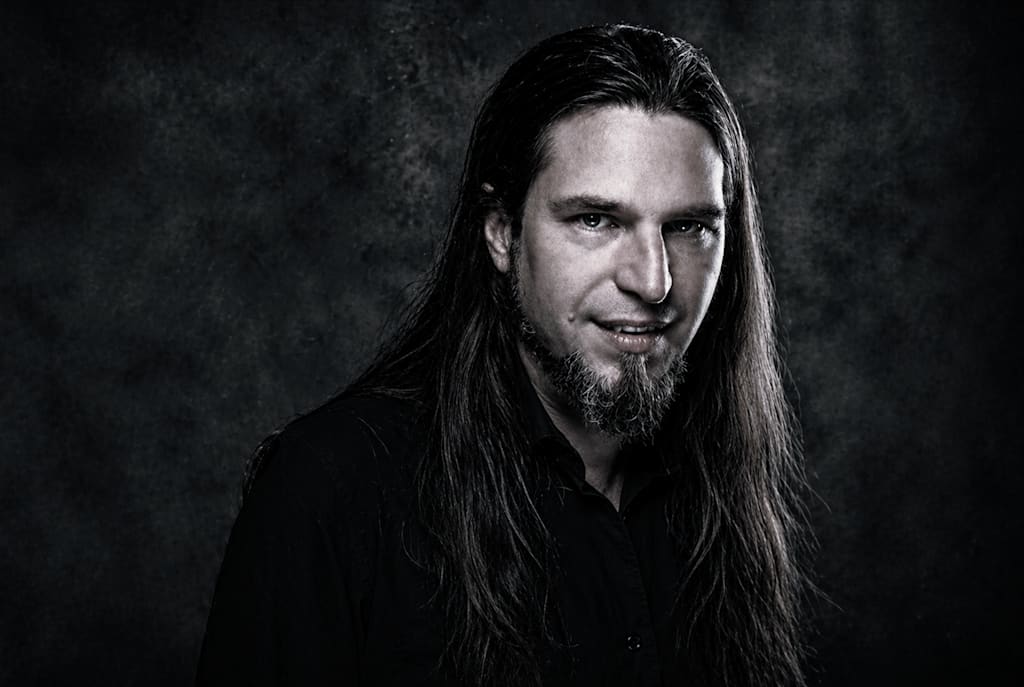
Father Sebastiaan is a California-based master fangsmith, author, and creator of the Endless Night Vampire Ball who has been active in the vampyre subculture since 1992. Over more than three decades, he has become closely associated with the development of modern vampyre culture through a mix of craftsmanship, writing, and immersive event production. His work sits at the intersection of identity, aesthetics, and community, reflecting how subcultures evolve through both creativity and shared experience.
Rather than focusing on a single discipline, his career spans multiple creative fields. Each one contributes to a broader cultural framework where symbolism, performance, and personal expression play central roles.
Early Involvement in a Fragmented Scene
When Father Sebastiaan first became involved in the vampyre community in the early 1990s, the subculture was still relatively decentralized. Without online platforms or widespread media attention, gothic and vampire-inspired groups formed through small gatherings, clubs, and word-of-mouth networks.
Within this environment, he became part of a growing network of individuals drawn to gothic aesthetics, alternative fashion, and the mythology of vampires. Over time, his role shifted from participant to cultural contributor. He helped shape how elements of the scene were expressed, particularly in relation to style, presentation, and community interaction.
The early vampyre subculture was diverse and fluid, and his involvement reflected a broader movement toward building identity through shared visual and symbolic language.
Fangsmithing and the Idea of Transformation
One of the most recognizable aspects of Father Sebastiaan’s work is his role as a fangsmith. Custom vampire fangs, once seen primarily as costume accessories, have developed into a more refined craft through his approach.
Each set of fangs is designed with attention to detail, balancing appearance, comfort, and fit. The process treats fangmaking as a form of wearable design rather than a simple decorative item. This shift has helped redefine how such objects are understood within gothic and vampyre communities.
Beyond their physical form, fangs carry symbolic meaning. They are often associated with transformation, identity, and self-presentation. In this context, Father Sebastiaan’s work reflects a broader cultural interest in how appearance can be used to explore different aspects of identity.
Writing and Cultural Context
In addition to his craftsmanship, Father Sebastiaan is also an author whose work explores themes connected to vampyre identity and alternative culture. His writing focuses on ideas such as ritual, symbolism, aesthetics, and personal expression within subcultural spaces.
Subcultures often rely on shared language and storytelling to maintain coherence. Through his writing, he has contributed to documenting and interpreting aspects of vampyre culture from an insider’s perspective. This helps provide context for how the community understands itself, while also offering outsiders a clearer view of its structure and values.
His work in this area highlights the importance of narrative in shaping cultural identity, particularly within groups that exist outside mainstream frameworks.
The Endless Night Vampire Ball
One of the most visible parts of Father Sebastiaan’s career is the Endless Night Vampire Ball. This event series is known for combining nightlife with performance, fashion, and immersive design.
Rather than functioning as a standard event, the Vampire Ball is structured as an environment where attendees participate in the aesthetic experience. Guests often arrive in elaborate attire inspired by gothic fashion, historical influences, fantasy elements, and modern interpretations of vampiric style.
The event incorporates music, live performance, and atmospheric staging, creating a setting where the boundary between audience and performance is less defined. In this space, identity becomes something expressed through participation rather than observation.
Over time, the event has been held in various cities, contributing to a broader network of creative communities connected by shared visual and cultural interests.
Media Attention and Public Perception
Father Sebastiaan has also been featured in various media outlets over the years, including television programs and publications focused on alternative culture and lifestyle trends. These appearances have helped introduce wider audiences to aspects of vampyre culture that are often misunderstood or simplified.
Media coverage has tended to focus on the visual and performative elements of the subculture, but his presence offers additional context. It presents vampyre culture as a structured form of creative expression rather than a purely fictional or sensational concept.
This visibility has played a role in shaping how the subculture is perceived outside its own community, particularly in relation to identity and artistic expression.
A Culture That Spans Multiple Cities
Father Sebastiaan’s work has taken him to several cultural centers, including Los Angeles, New York, New Orleans, Paris, and Florida. These cities are known for their connections to fashion, nightlife, performance art, and creative subcultures.
His movement between these locations reflects the broader nature of modern vampyre culture, which exists across both physical and digital spaces. Rather than being tied to a single place, it is maintained through events, collaborations, and communities that are geographically dispersed.
This networked structure has allowed the culture to remain adaptable while continuing to evolve over time.
Transformation as a Central Theme
Across his various projects, a consistent theme is transformation. In fangsmithing, transformation appears in physical form and appearance. In writing, it appears through the translation of experience into shared understanding. In events, it appears through the creation of immersive environments.
This focus on transformation reflects a broader cultural interest in identity as something fluid rather than fixed. It also helps explain why his work resonates within a community that often explores alternative forms of self-expression.
Rather than presenting identity as static, his work engages with it as something shaped through experience, symbolism, and participation.
Continuing Influence
Today, Father Sebastiaan remains an active figure within modern vampyre culture. His work continues to evolve alongside the communities and creative spaces he has been part of for decades.
While the subculture itself has changed over time, becoming more visible and globally connected, many of the foundational ideas he contributed to remain relevant. These include the importance of aesthetics, shared language, and immersive experience in shaping cultural identity.
Conclusion
Father Sebastiaan’s career reflects the development of a subculture over time, from small underground gatherings to a globally connected creative network. Through fangsmithing, writing, and immersive events, he has contributed to how vampyre culture is understood and experienced today.
His work highlights the role of creativity in building identity and community, showing how subcultures are formed not only through shared interests, but through shared meaning and participation.
About the Creator
Father Sebastiaan
Father Sebastiaan is a California-based master fangsmith, author, and creator of the Endless Night Vampire Ball who has been active in the vampyre subculture since 1992.
Enjoyed the story? Support the Creator.
Subscribe for free to receive all their stories in your feed.
Comments
There are no comments for this story
Be the first to respond and start the conversation.