
10 Best Opening Paragraphs in Literature
Here is a list of what I think are the greatest opening lines ever written—and why they still matter

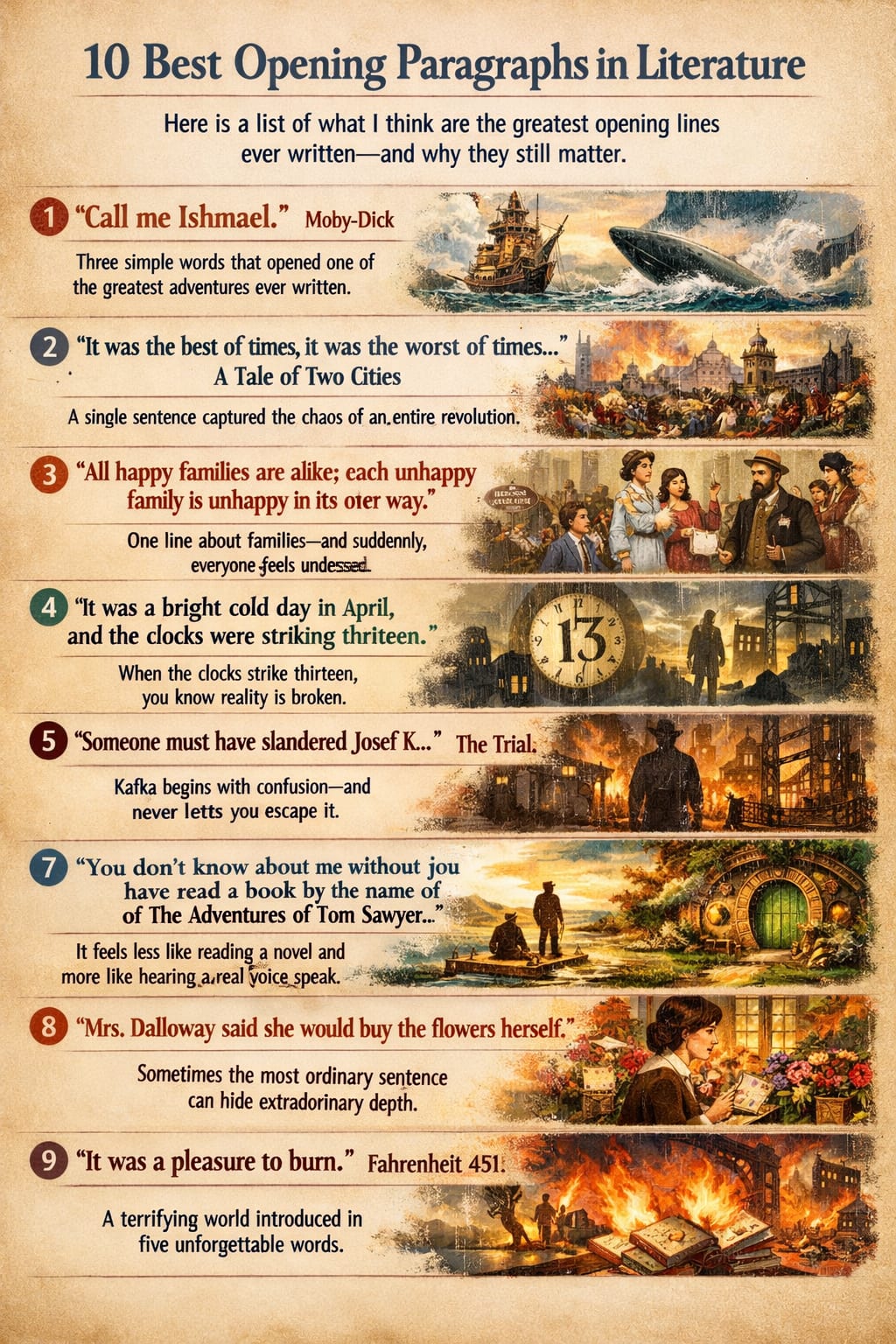
Introduction: Why Opening Lines Matter :
The first paragraph of a book is not just an introduction—it is a doorway. In a matter of seconds, it decides whether a reader steps into the world of the story or puts the book down. Great writers understand this power. They don’t waste it. Some openings are simple. Some are poetic. Some are confusing on purpose. But the best ones all do the same thing: they make you curious. They create a question in your mind that can only be answered by reading further. Below are ten of the most powerful opening paragraphs in literature—lines that have survived generations because they immediately capture imagination, emotion, and attention.
1. “Call me Ishmael.” — Moby-Dick
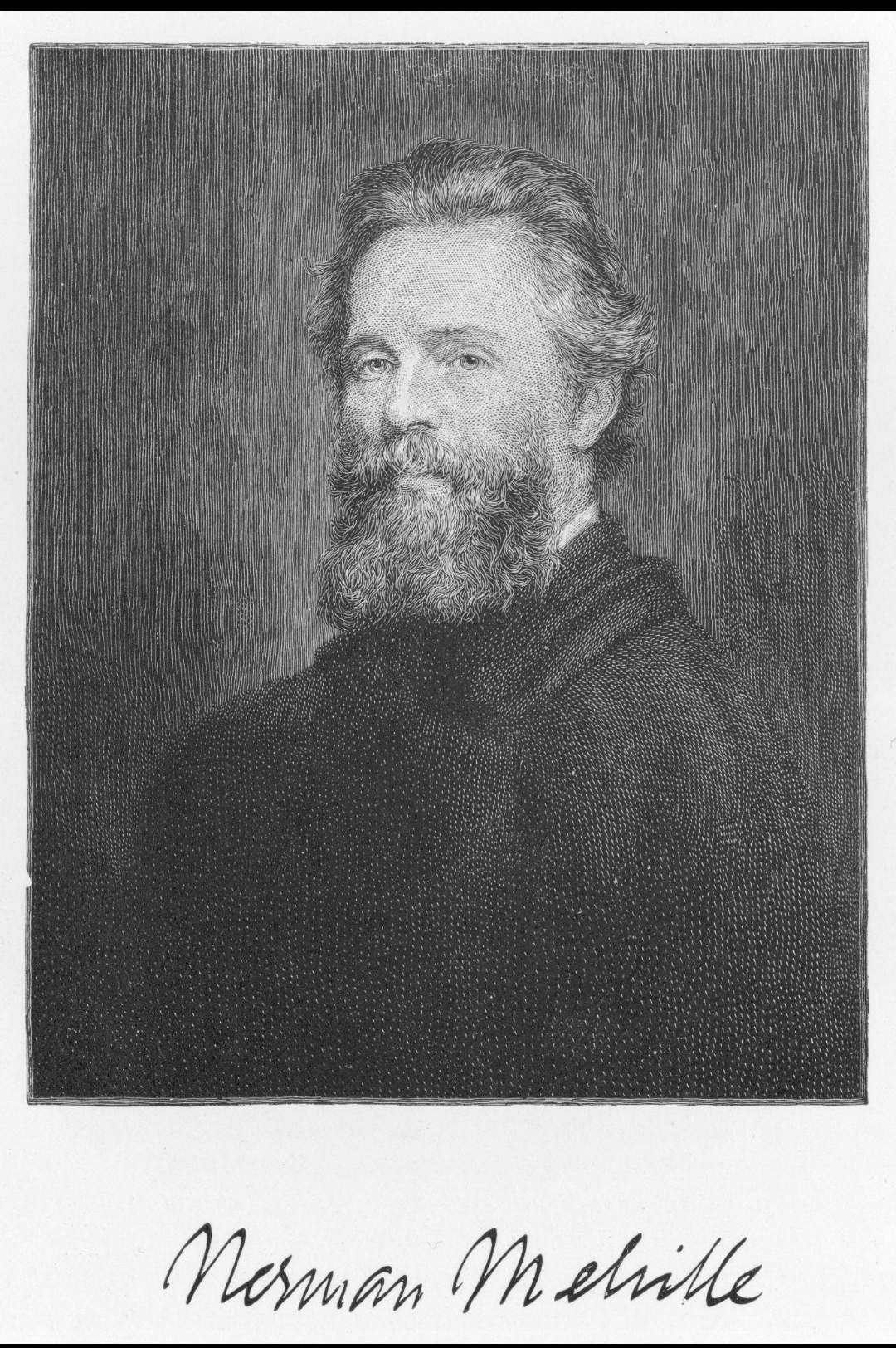
This is one of the shortest yet most mysterious openings in literature. In just three words, Herman Melville introduces a character and immediately creates distance between narrator and reader. “Call me Ishmael” is not just a name—it is an invitation into anonymity, storytelling, and survival.
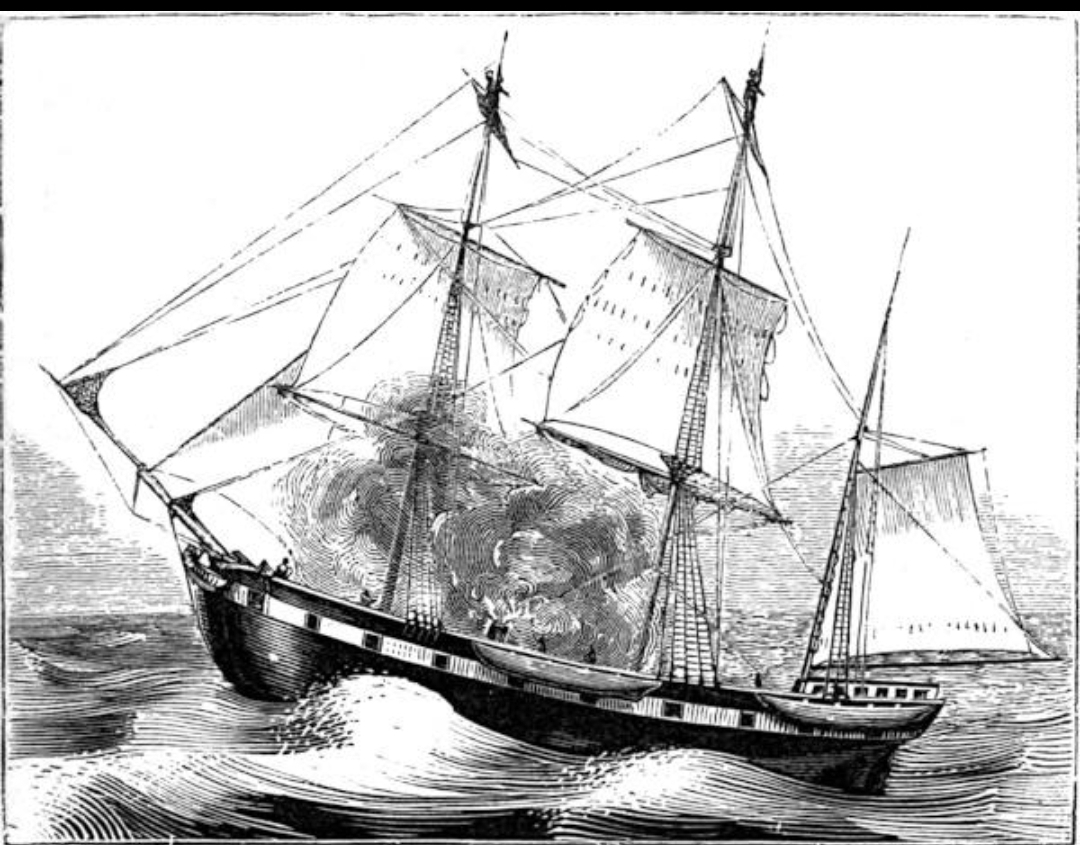
Why not his real name? Why the secrecy? The simplicity of the line hides a deep complexity. It prepares the reader for a long philosophical journey about obsession, identity, and the sea.
2. “It was the best of times, it was the worst of times…” — A Tale of Two Cities
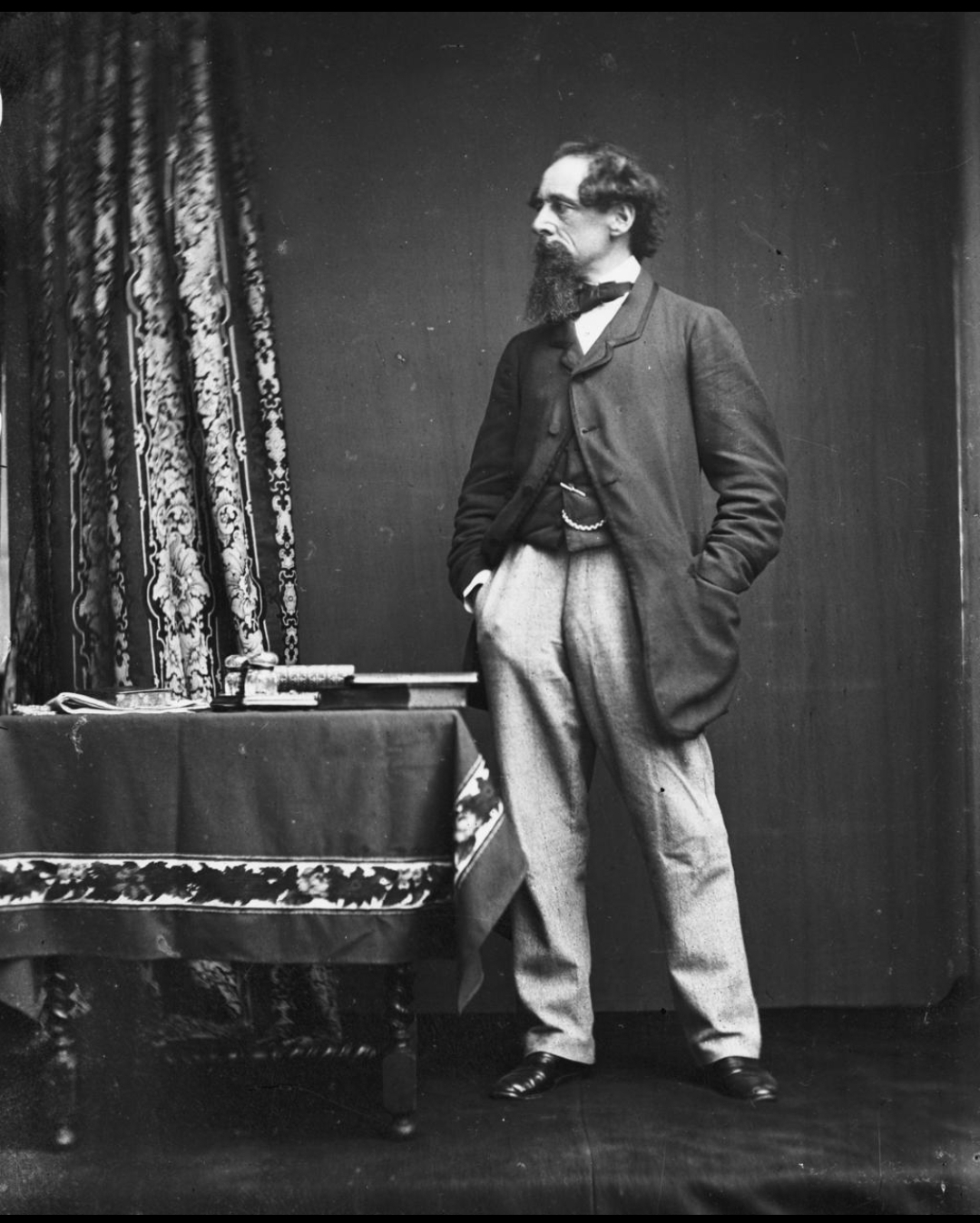
Charles Dickens opens with contradiction. In one sentence, he captures the entire emotional landscape of a turbulent era. The repetition creates rhythm, almost like poetry, while the opposing ideas reflect the instability of society.
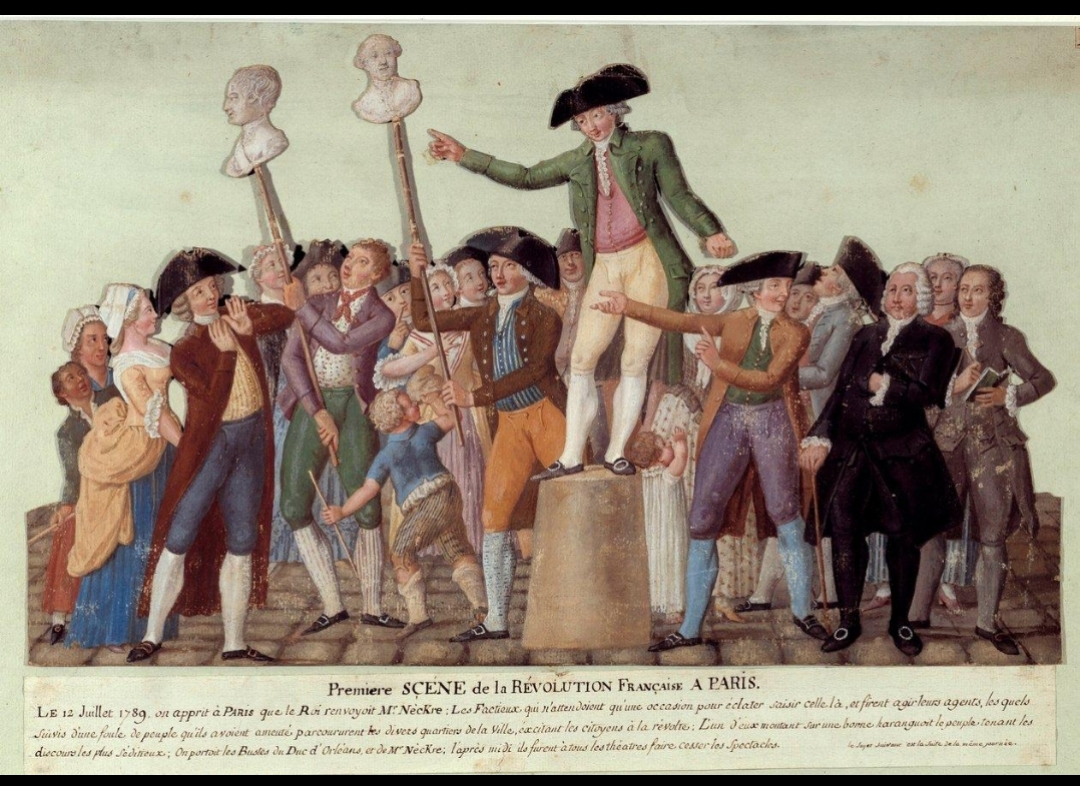
This opening doesn’t just describe history—it feels like history unfolding. It tells us that the story will not be simple; it will be full of extremes.
3. “All happy families are alike; each unhappy family is unhappy in its own way.” — Anna Karenina
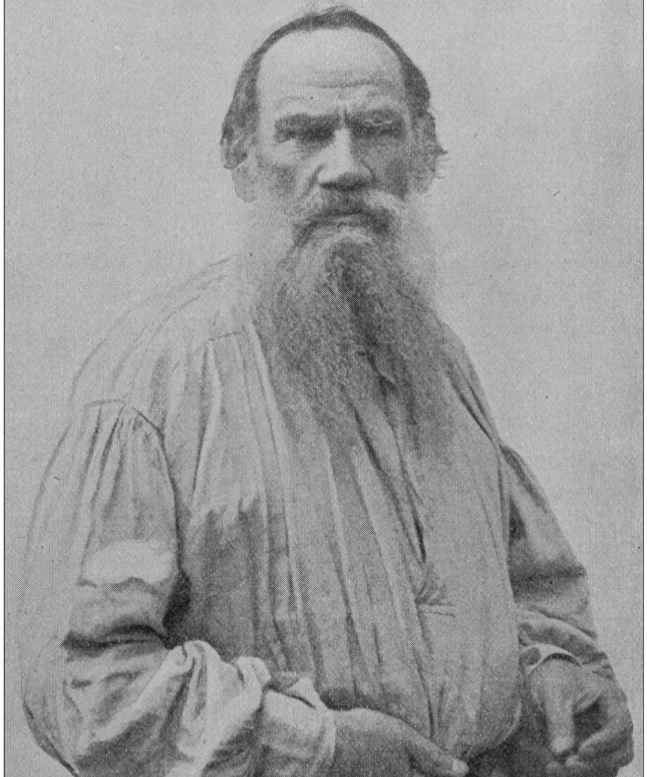
Leo Tolstoy begins with a statement that feels like a universal truth. It immediately invites reflection. Do we agree? Do we disagree? Why?
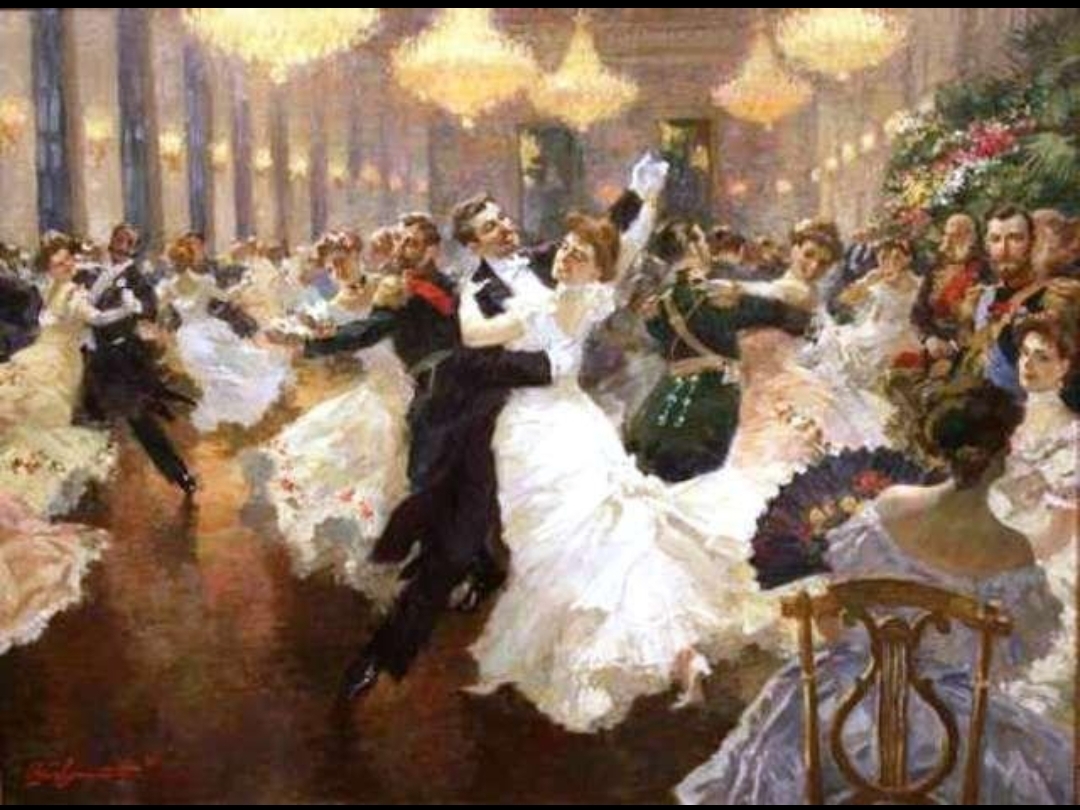
The brilliance lies in its balance. The first half suggests order in happiness. The second half suggests chaos in suffering. It sets the emotional foundation for a novel that explores love, betrayal, and human psychology in depth.
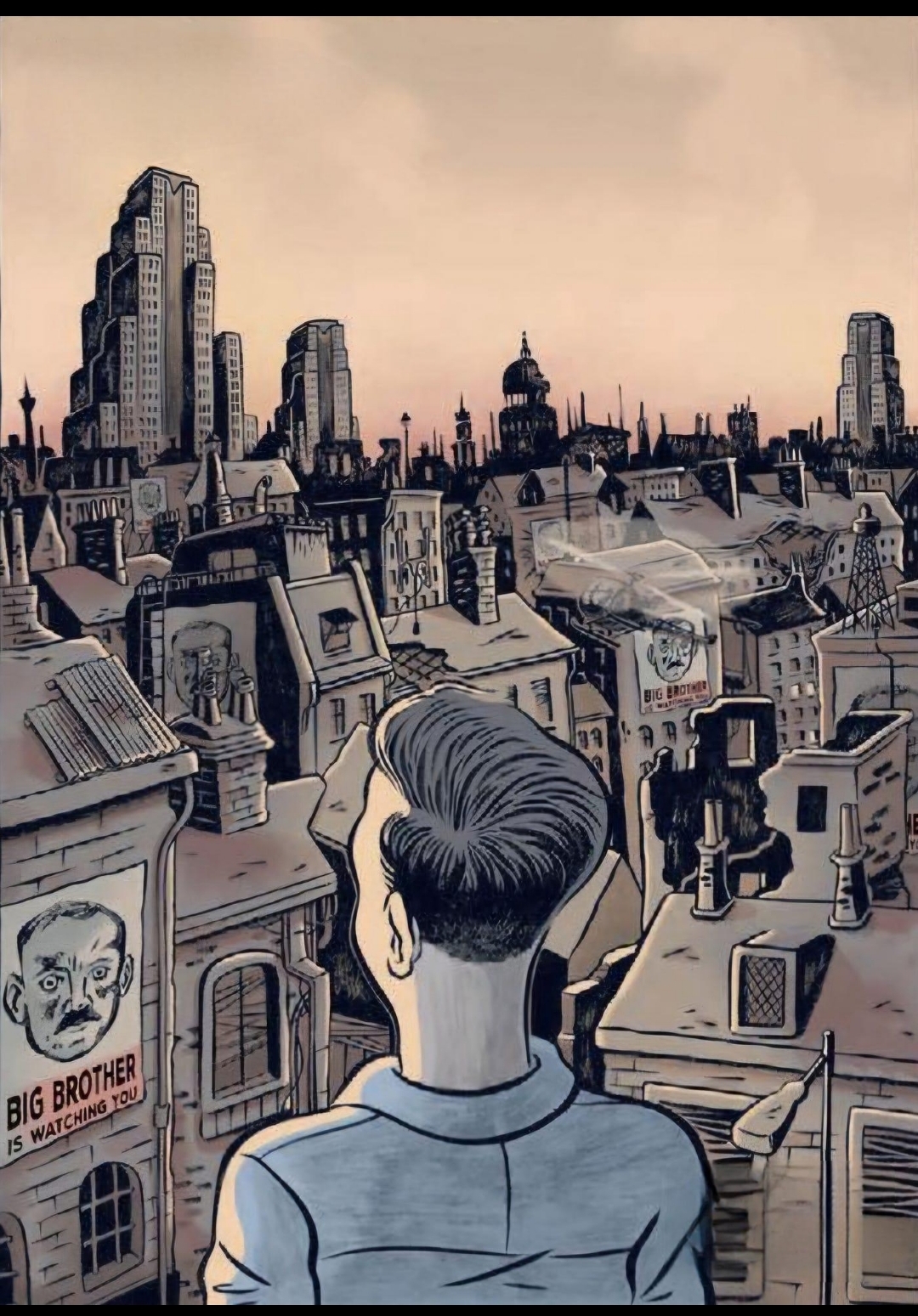
4. “It was a bright cold day in April, and the clocks were striking thirteen.” — 1984
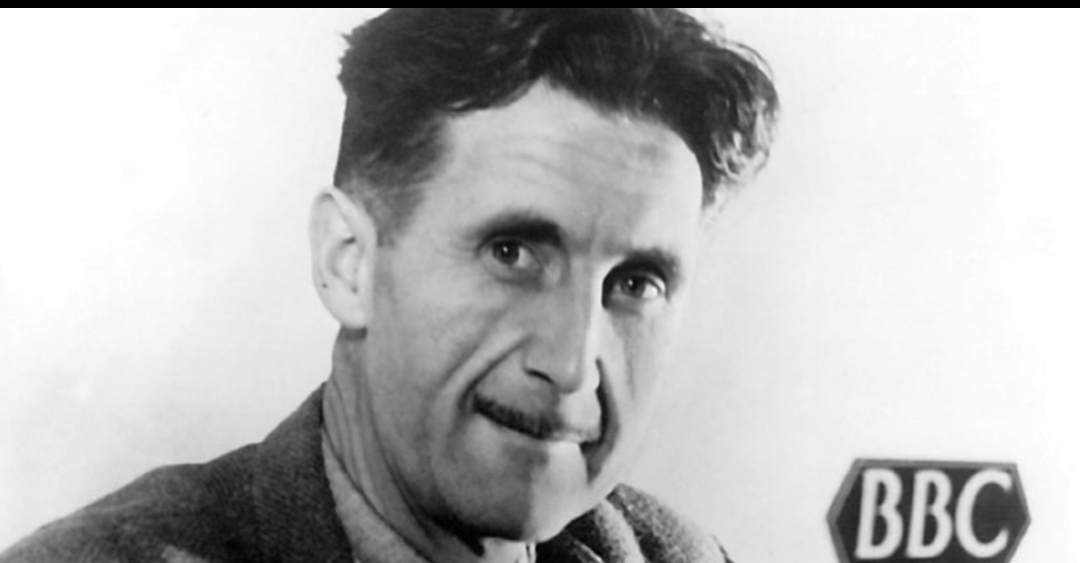
This opening immediately disturbs the reader. Everything sounds normal until the last detail: clocks striking thirteen. That single impossibility signals that reality is not what it seems.

George Orwell uses subtle disruption instead of explanation. The result is unsettling. You know something is wrong, but you don’t yet know what—and that tension defines the entire novel.
5. “In a hole in the ground there lived a hobbit.” — The Hobbit
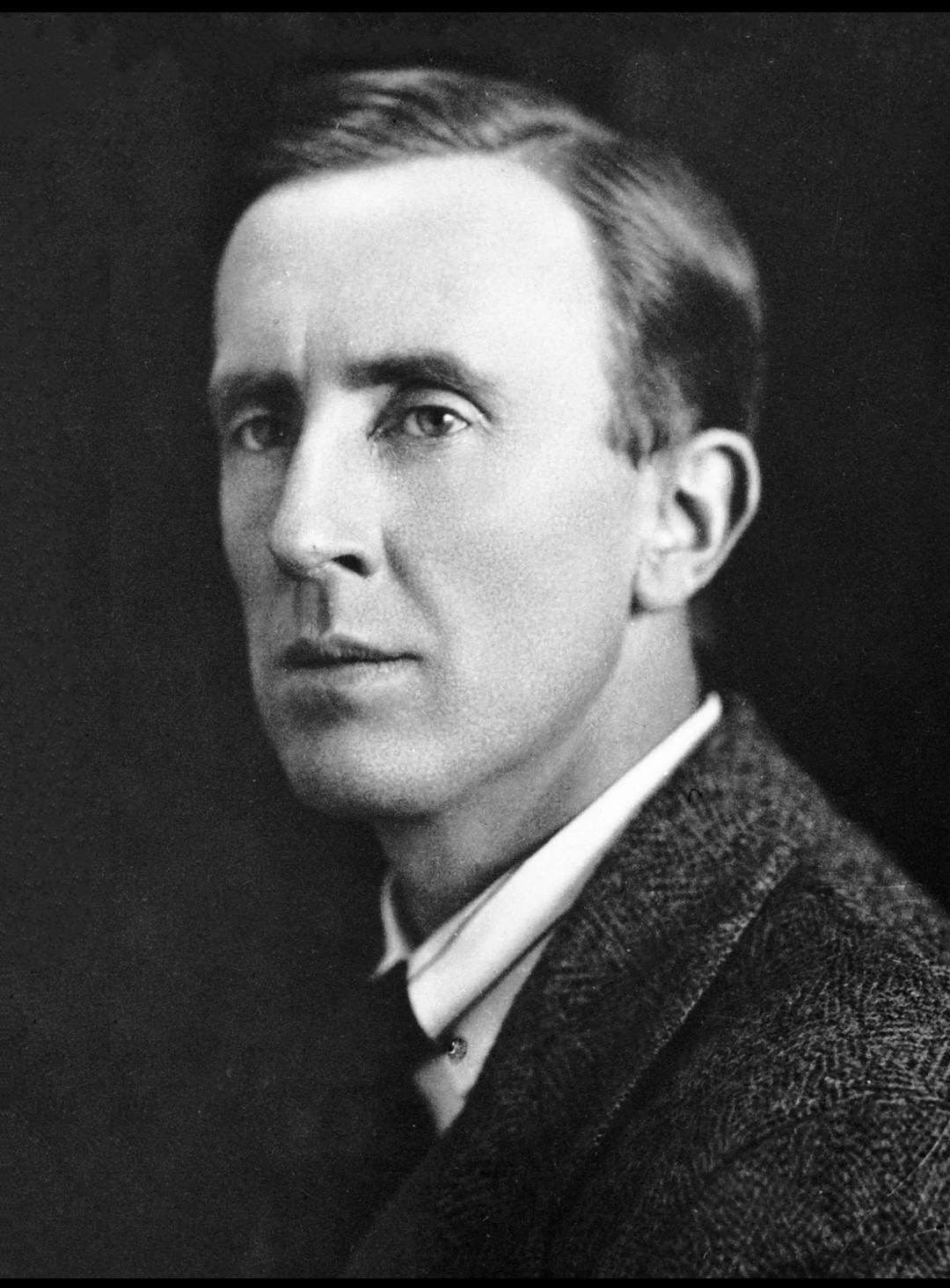
This is storytelling at its most welcoming. J.R.R. Tolkien begins with simplicity and warmth, making the extraordinary feel ordinary. A hobbit living in a hole sounds strange, but the tone makes it feel natural.
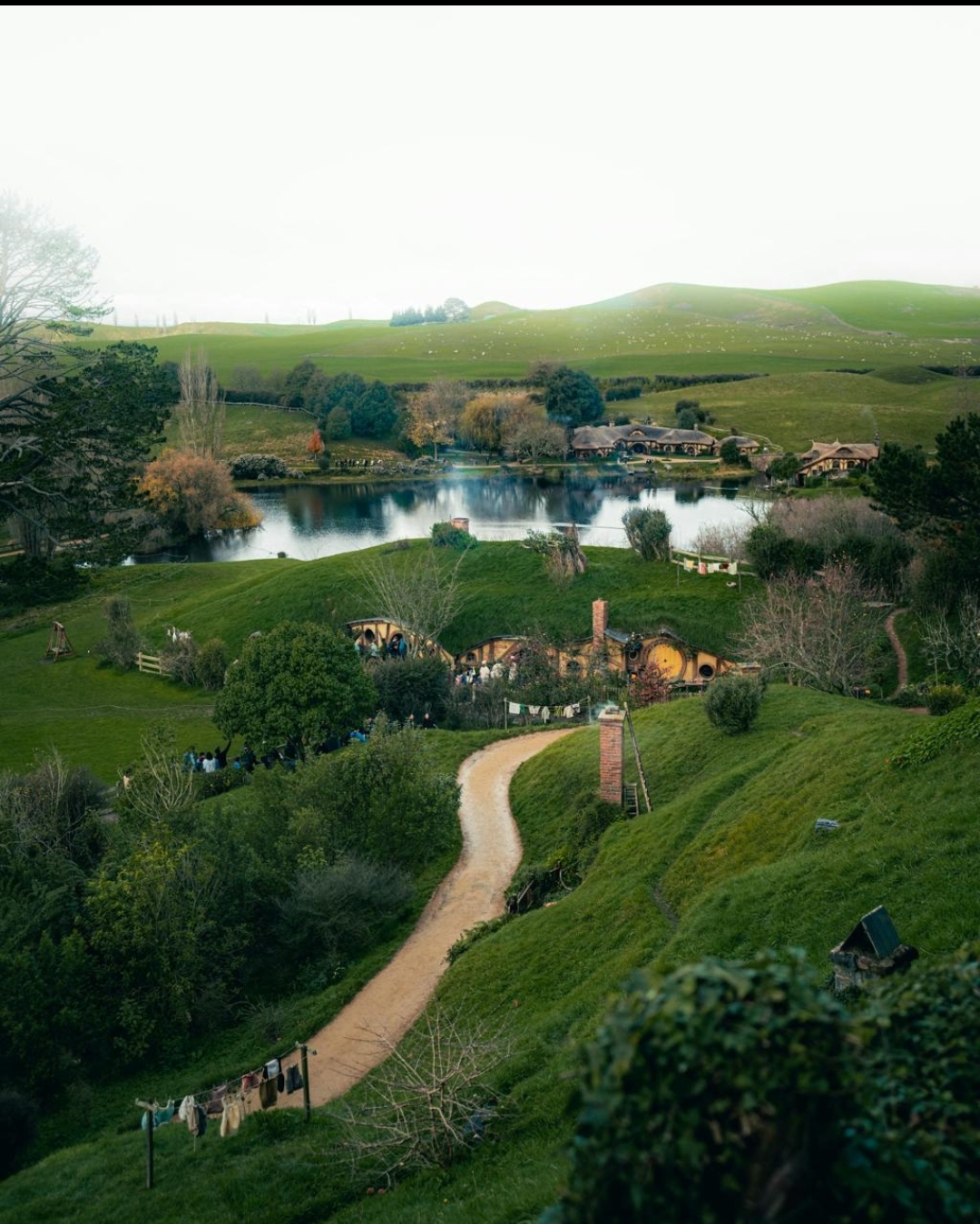
It is an invitation into a world of imagination where dragons, quests, and magic will soon unfold—but it starts in comfort, not chaos.
6. “Someone must have slandered Josef K…” — The Trial
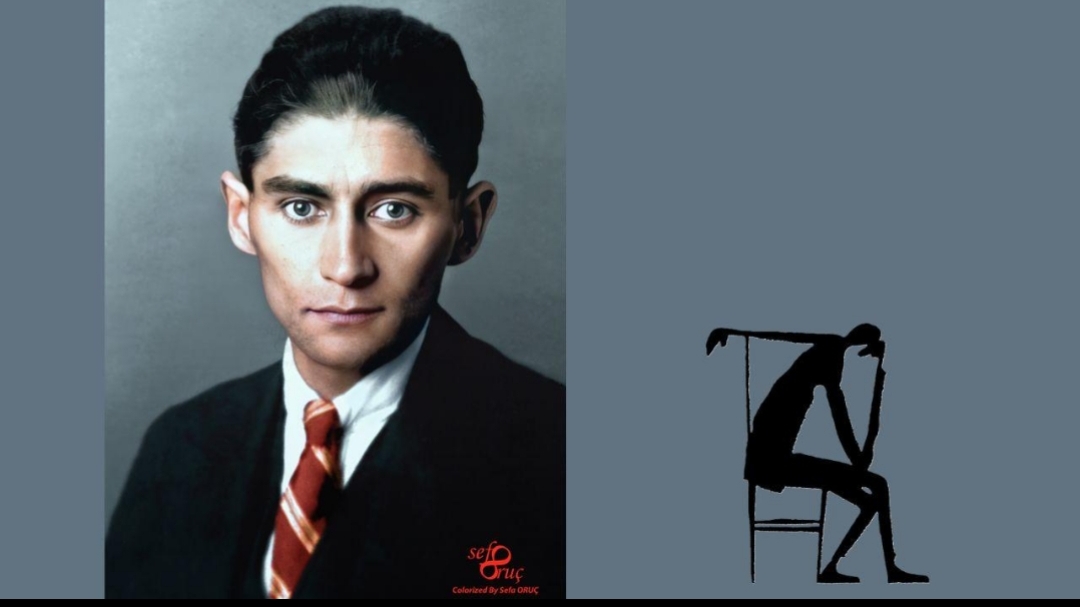
Franz Kafka wastes no time in confusion. The reader is immediately placed inside uncertainty. Who is Josef K? What accusation? Who is responsible?
There are no answers—only questions. This reflects the novel’s theme: a world where systems are incomprehensible and justice is unreachable.
7. Adventures of Huckleberry Finn — Mark Twain
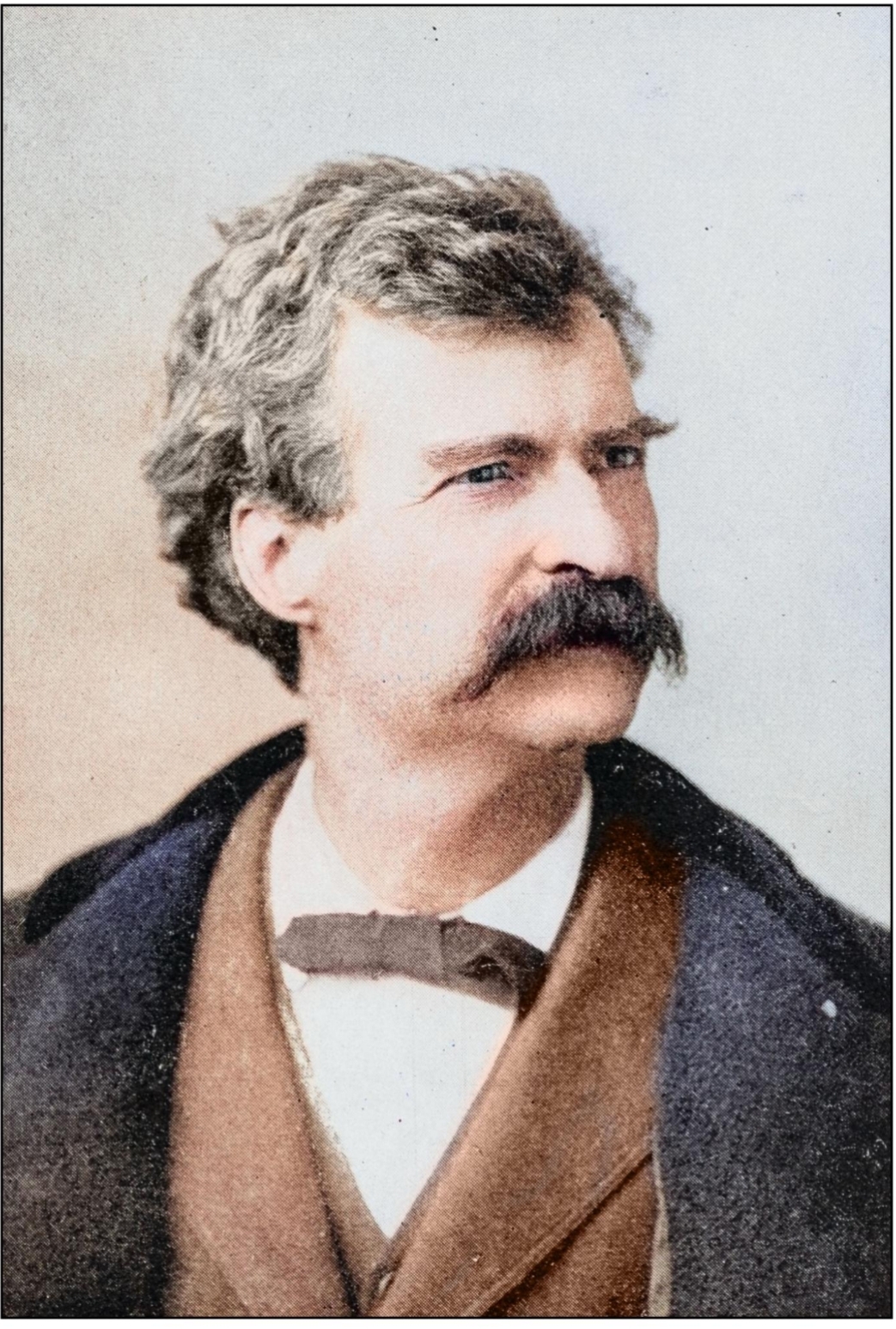
Mark Twain begins in a conversational, almost casual tone. Huck speaks directly to the reader, breaking traditional storytelling rules. It feels personal, as if a friend is telling you a story.
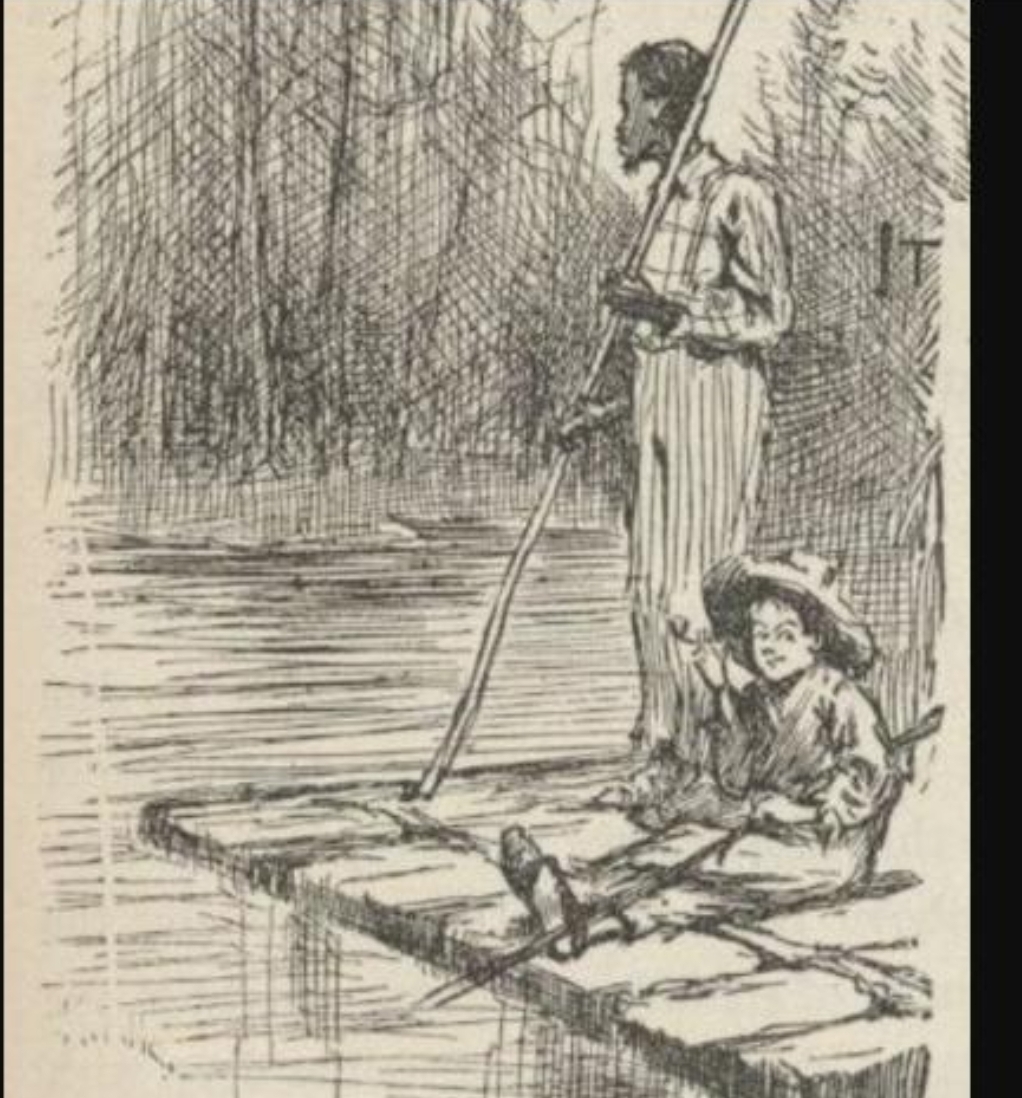
This immediacy creates trust and intimacy, drawing readers into Huck’s world of adventure, morality, and freedom.
8. “Mrs. Dalloway said she would buy the flowers herself.” — Mrs. Dalloway
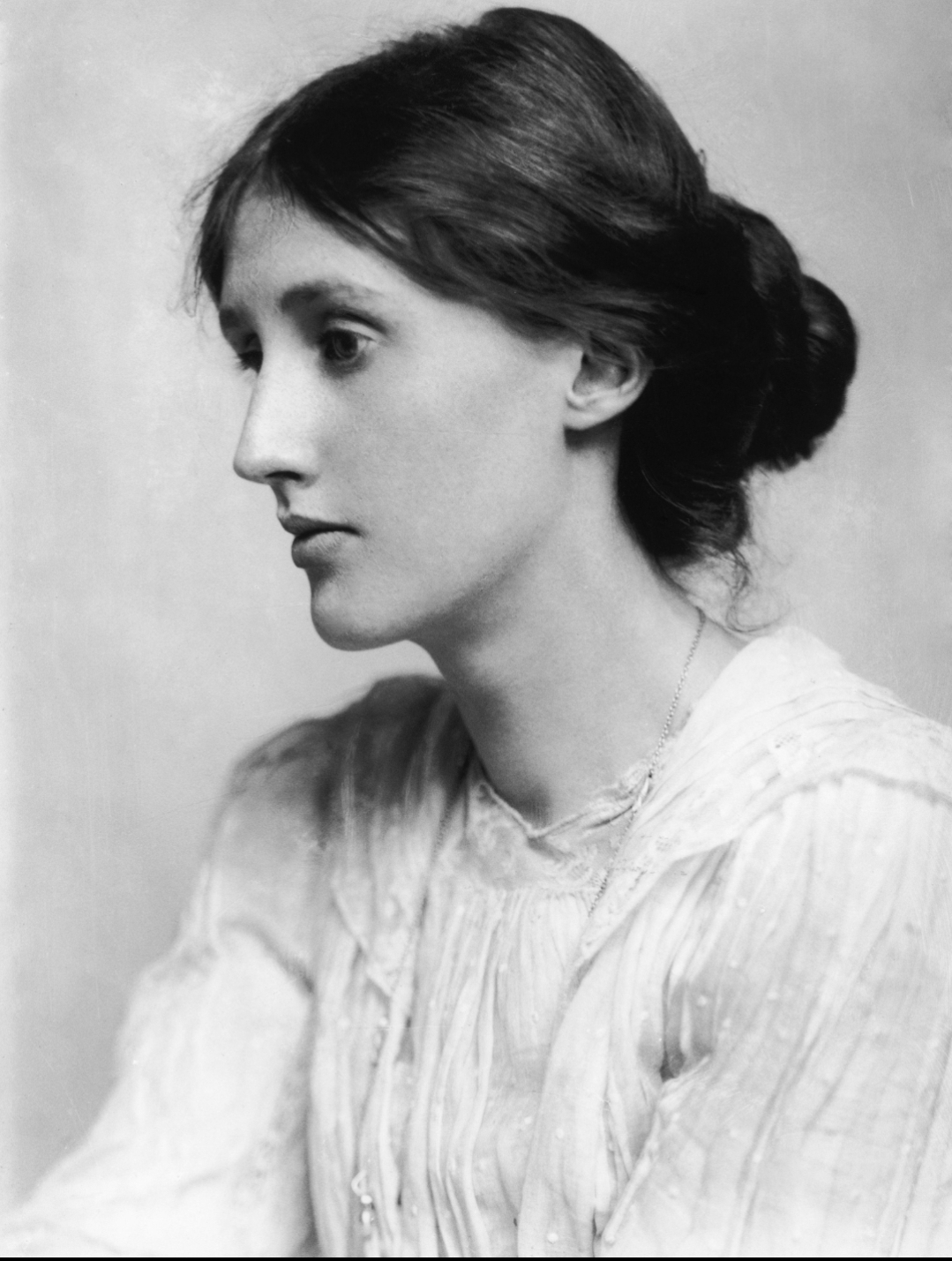
Virginia Woolf transforms an ordinary decision into something meaningful. Buying flowers seems simple, but the tone suggests deeper emotional and psychological layers.
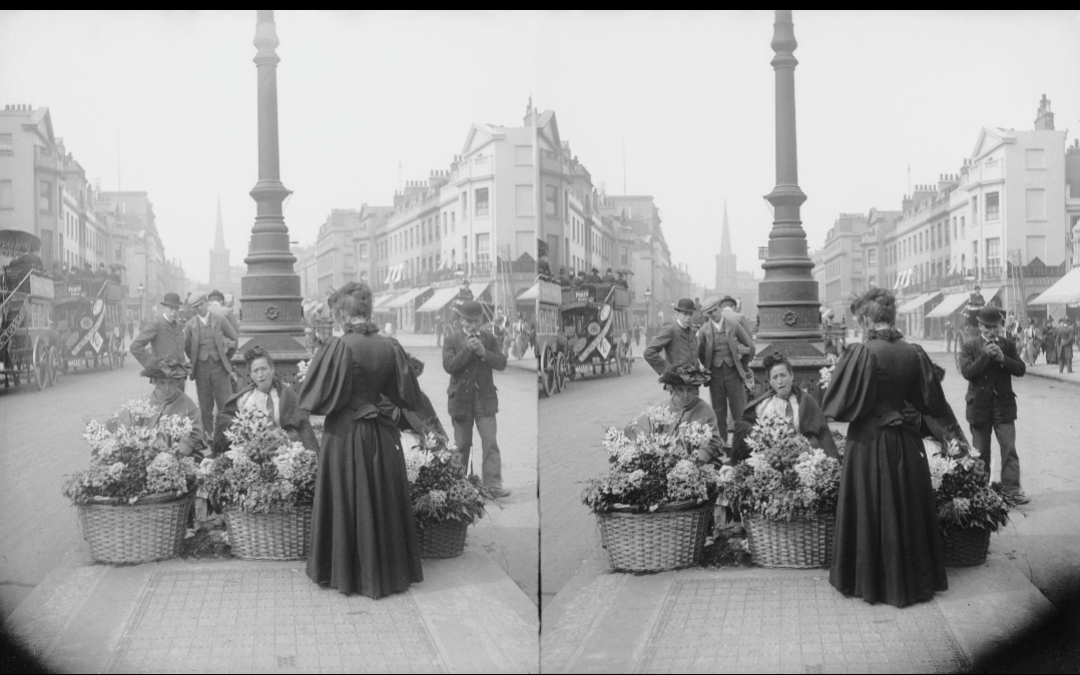
This is modernist writing at its finest—focused not on action, but on inner experience and perception of time.
9. “It was a pleasure to burn.” — Fahrenheit 451
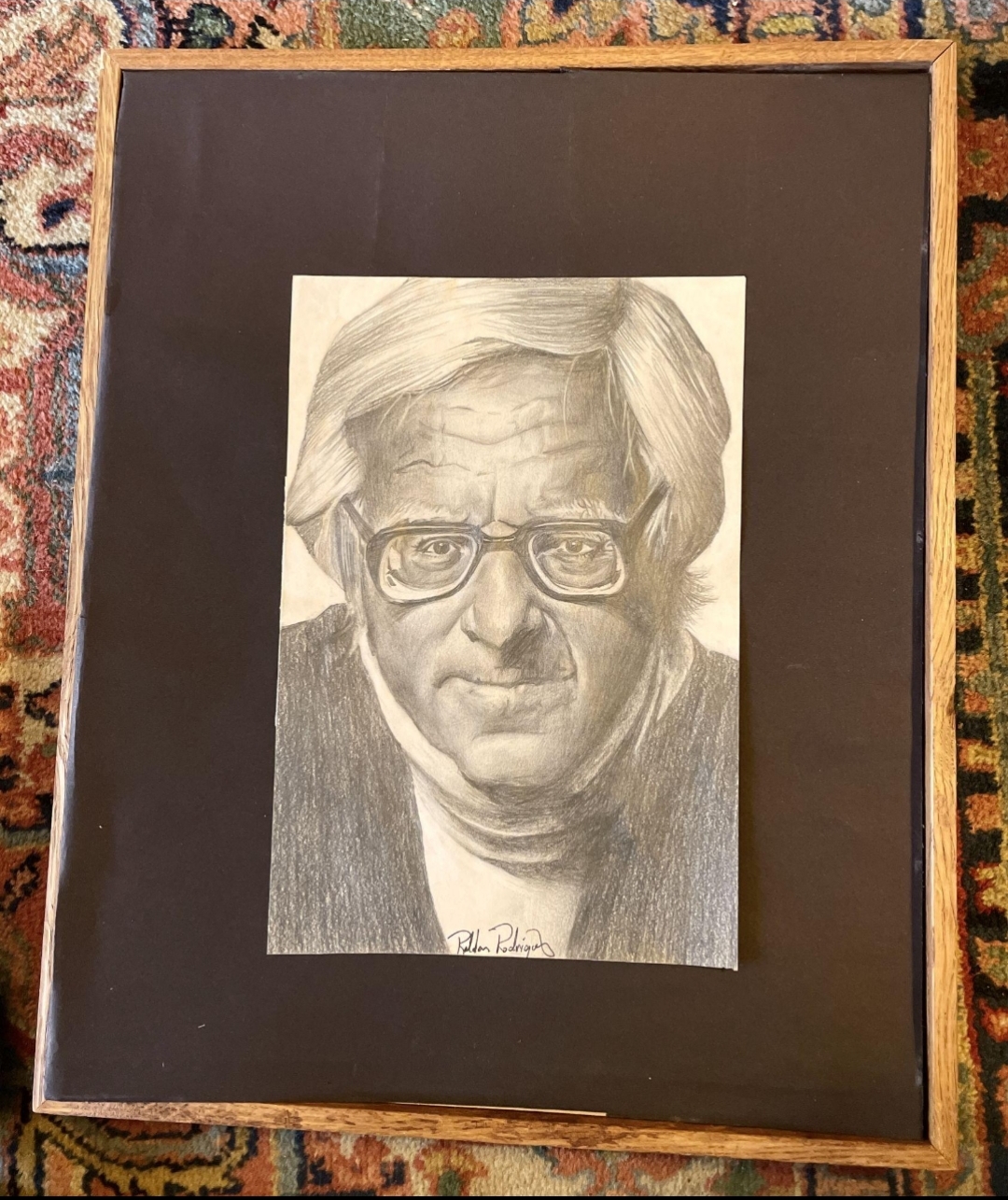
Ray Bradbury shocks the reader immediately. Burning books is usually tragic—but here, it is described as pleasurable. That contradiction forces the reader to question the society being introduced.
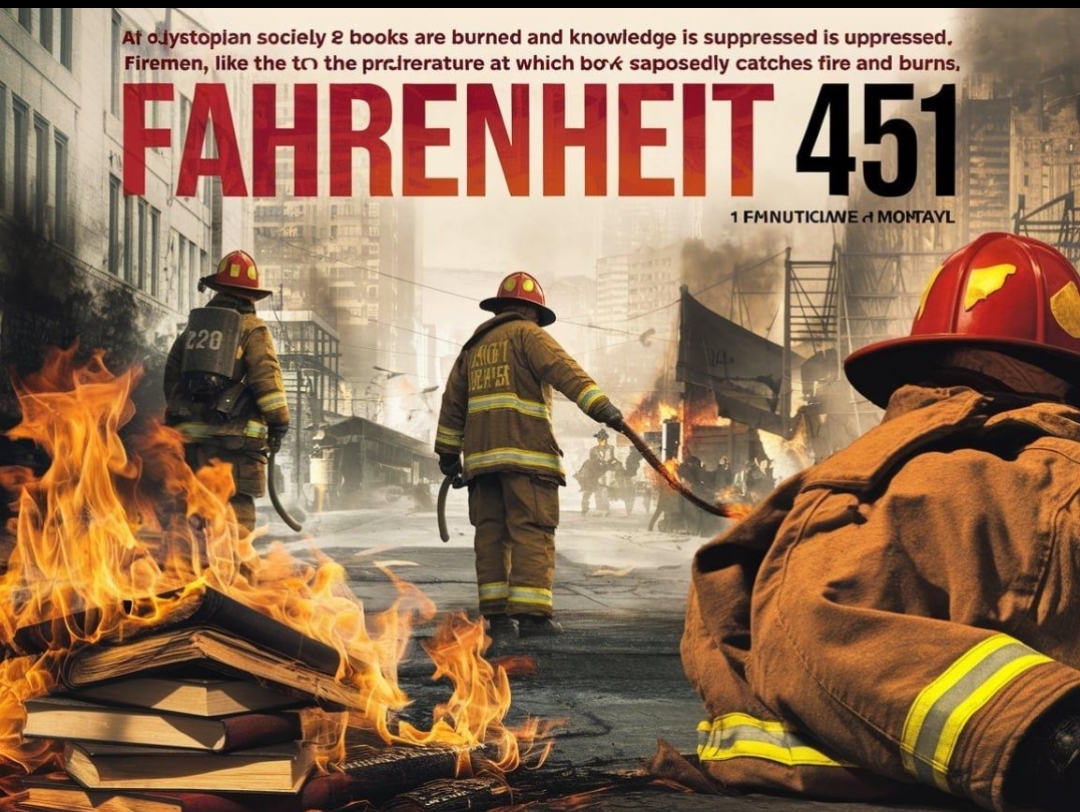
The opening is emotional, disturbing, and unforgettable.
10. “All this happened, more or less.” — Slaughterhouse-Five
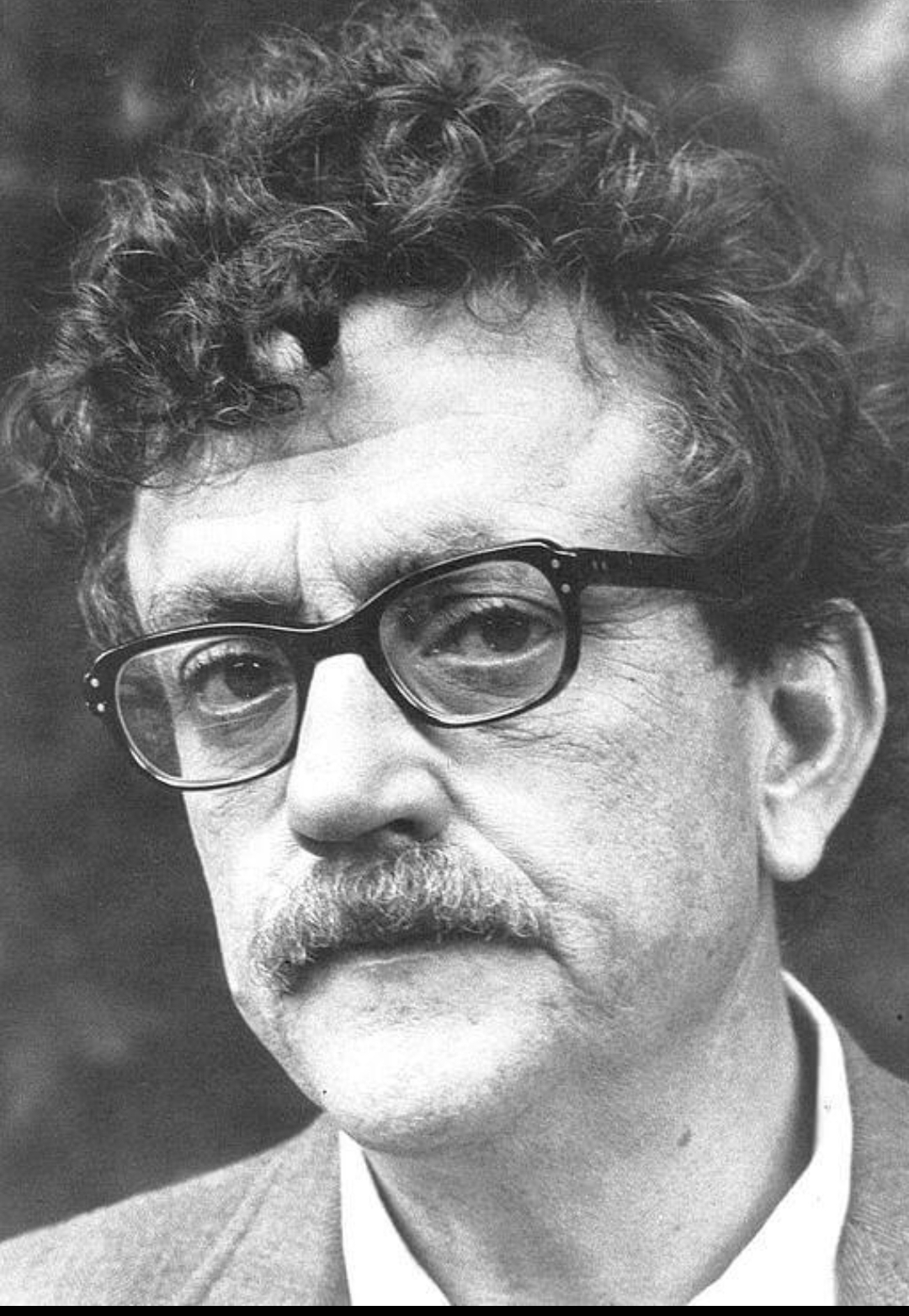
Kurt Vonnegut begins with uncertainty. “More or less” undermines the idea of absolute truth. It prepares the reader for a narrative where time is broken and reality is unstable.

It’s casual, ironic, and deeply philosophical all at once.
Conclusion: The Power of First Impressions
The greatest opening paragraphs in literature are not just beautiful—they are strategic. They are designed to hook the reader emotionally, intellectually, or even confusingly. Some create mystery. Some create comfort. Some create tension. But all of them create momentum. A strong opening does not explain everything. Instead, it whispers: keep reading, there is more to discover. And that is the true magic of literature—the ability of a single sentence to change the direction of a reader’s imagination forever.
About the Creator
Enjoyed the story? Support the Creator.
Subscribe for free to receive all their stories in your feed.
Comments
There are no comments for this story
Be the first to respond and start the conversation.