
Why Your Water Well Pump Keeps Turning On and Off: Diagnosing Short Cycling!
Short cycling happens when your pump turns on and off rapidly, usually within seconds or minutes.
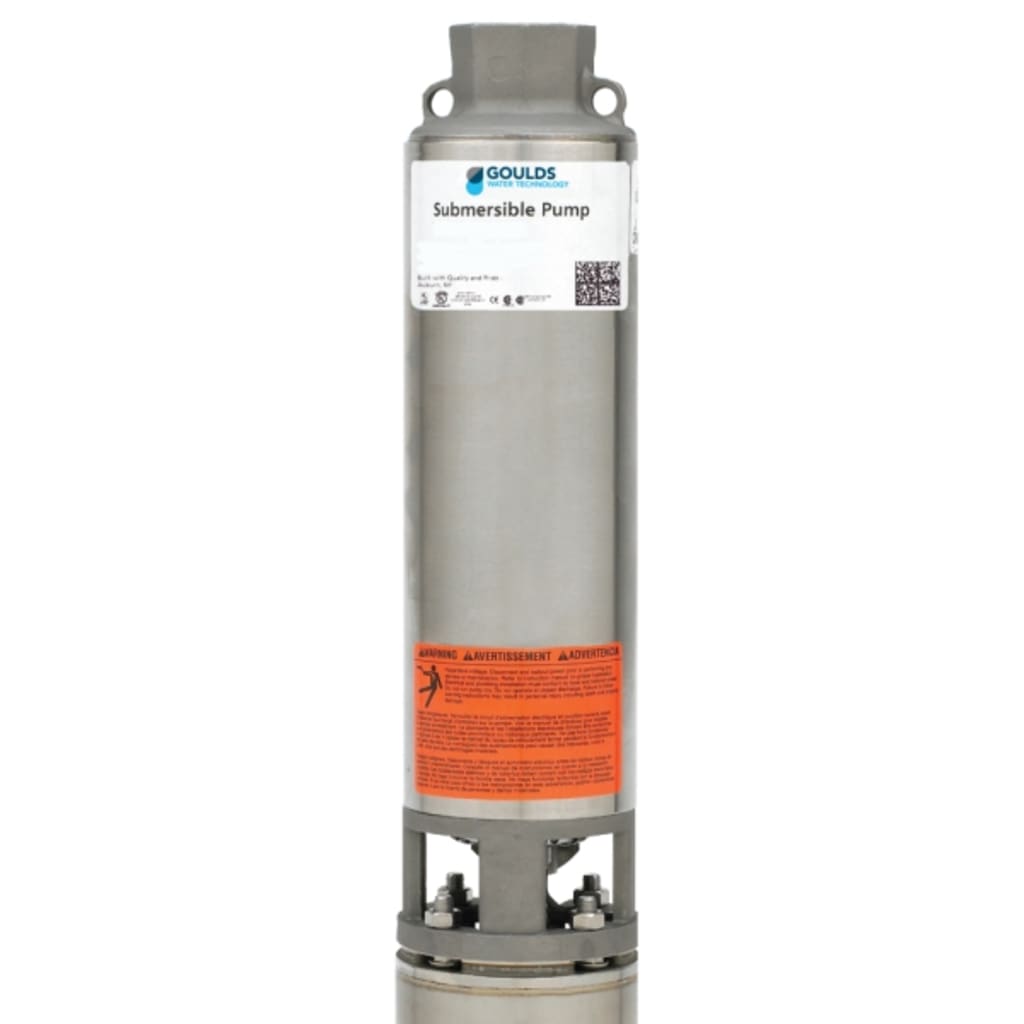
Is Your Well Pump Acting Up? It Might Be More Than Just a Glitch
Ever heard your pump clicking on and off—even when no water’s running? That’s not just annoying. It’s a clear warning sign of short cycling, and it could be damaging your entire water system. Whether you're managing a commercial site or maintaining a home water setup, ignoring this issue can lead to major repairs down the road. Here’s why your water well pump might be short cycling—and what you can do about it.
What Is Pump Short Cycling—and Why Should You Care?
Short cycling happens when your pump turns on and off rapidly, usually within seconds or minutes. Instead of running for a full cycle, the pump keeps kicking in repeatedly—putting stress on the motor and wasting energy. If left unchecked, this can cause pump burnout, pressure tank failure, and sky-high electric bills.
Most Common Triggers of Short Cycling
Here’s where things get technical—but simple enough for anyone to understand. These are the usual suspects behind a short cycling issue:
1. Faulty Pressure Switch
The pressure switch is like your pump’s control panel. If it's clogged, damaged, or misaligned, the pump may get the wrong signal and turn on too often.
Solution: Inspect for debris or corrosion. Replace if wear is visible.
2. Waterlogged Pressure Tank
When there's no air cushion in the tank, the pump kicks on with minimal pressure loss. This leads to excessive cycling.
Solution: Check if your tank is retaining air. If not, recharge or replace the tank.
3. Leaking Plumbing Fixtures or Pipes
A hidden leak creates constant pressure drops, signaling the pump to activate again and again.
Solution: Shut off all taps and monitor the pressure gauge. If it drops, you may have a leak underground or behind walls.
4. Undersized Pressure Tank
Bigger isn’t always better—but too small definitely isn’t good. A tiny tank can’t store enough water, forcing the pump to run too often.
Solution: Upgrade to a correctly sized tank for your system’s demand.
The Silent Cost of Ignoring Short Cycling
You might think, “It's just clicking—what's the harm?” But here’s the truth: short cycling isn’t just a sound issue. It’s a system imbalance that wears down your components faster than you think. The motor’s lifespan drops significantly, the switch gets burnt, and your energy bill creeps up.
If you rely on covers for water well pumps to meet your household or property needs, regular cycling can be a system saver. Constant, erratic cycling? That’s a budget-buster waiting to happen.
Advanced Solutions That Actually Work
You need more than a quick fix—you need an engineered approach tailored to your water system. This is where advanced water treatment professionals step in. Here's what they recommend:
● System Diagnosis: Start with a full inspection of your pressure switch, tank, piping, and covers for water wells to rule out external damage or environmental interference.
● Component Testing: Experts use pressure gauges and electrical meters to verify whether your switch and tank are working in sync.
● Customized Design: Sometimes, the entire configuration needs to be redesigned—especially if your usage has increased over time.
Preventing Short Cycling in the Future
Don’t wait for a breakdown. Use these proactive steps:
Install a properly sized pressure tank
Schedule annual system inspections
Clean or replace your pressure switch regularly
Make sure all plumbing fixtures are sealed and efficient
Use a premium-grade cycle stop valve if demand fluctuates
Looking Ahead: Invest in Long-Term Performance
Short cycling is more than just a system hiccup. It's a red flag that something’s off in your water infrastructure. Whether you’re running a farm, maintaining a large facility, or simply managing a home, short cycling can drain your resources and disrupt daily life.
Want peace of mind? Partner with a service provider who blends advanced design with high-performance systems—and offers hands-on technical support when it matters most.
Takeaway: A healthy, balanced water system starts with listening to the signs—like a pump that won’t stop turning on. When your system talks, let the experts do the diagnosing. It’s not just a repair. It’s a performance upgrade.
Let’s fix that short cycling—for good.
About the Creator
Enjoyed the story? Support the Creator.
Subscribe for free to receive all their stories in your feed.
Comments
There are no comments for this story
Be the first to respond and start the conversation.