
Why Music Fans Miss the 2016 SoundCloud Era So Much
There was something special about the internet in 2016.
Not polished.
Not corporate.
Not optimized.
Especially in music.
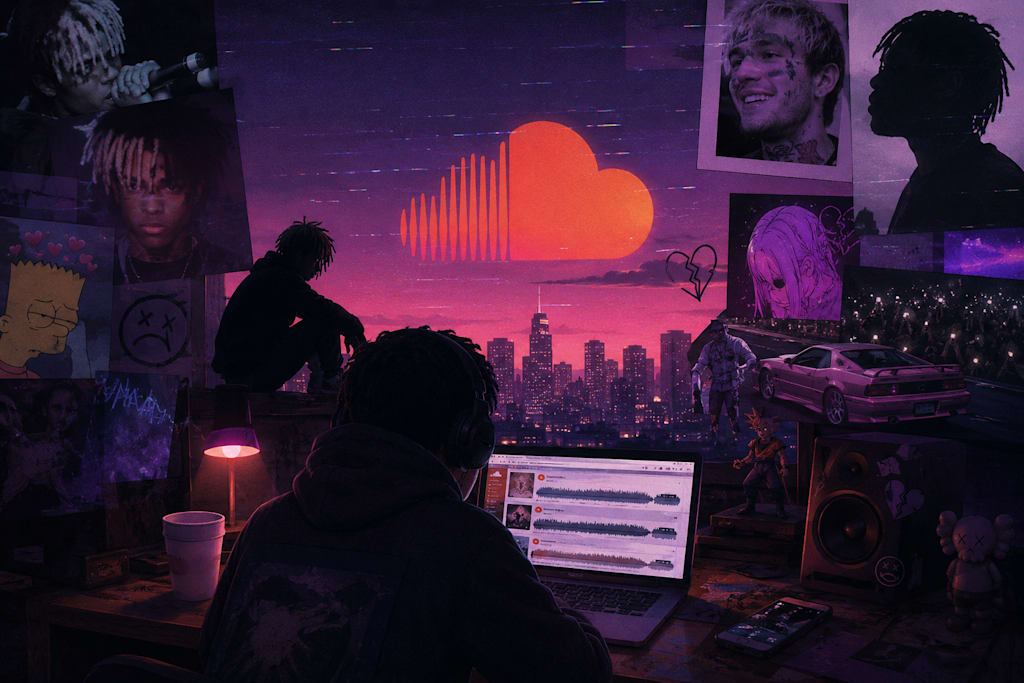
Back then, opening SoundCloud felt like stepping into a digital underground world where anything could happen. You’d find distorted trap songs with anime cover art, emotional late-night tracks recorded in bedrooms, weird experimental beats, and artists with barely 200 followers creating music that somehow felt more real than mainstream releases.
It wasn’t perfect.
But that’s exactly why people miss it so much.
SoundCloud Didn’t Feel Like The Industry
That was the magic.
In 2016, SoundCloud felt disconnected from the traditional music industry. Artists didn’t need labels, expensive studios, or massive marketing budgets to build audiences.
All they needed was:
a laptop
internet access
creativity
and a weird username
The platform gave unknown artists direct access to listeners without gatekeepers controlling everything.
And because there were fewer rules, the music felt raw and unpredictable.
The Music Felt Emotionally Real
One reason the 2016 SoundCloud era became legendary is because the music sounded human.
A lot of artists were recording vocals in untreated bedrooms using cheap microphones. Songs clipped. Beats distorted. Mixes were messy.
But listeners loved it.
Because perfection wasn’t the goal.
Emotion was.
Tracks sounded vulnerable, aggressive, sad, chaotic, lonely, and personal all at once. You could hear imperfections in the recordings — and somehow that made them feel more authentic.
The music felt like a direct emotional upload from the artist’s brain to the internet.
It Created An Entire New Generation Of Artists
The SoundCloud wave didn’t just create songs.
It created stars.
Artists like:
Lil Uzi Vert
XXXTentacion
Juice WRLD
Lil Peep
Playboi Carti
Denzel Curry
all exploded during or around that era.
And what made them different was that they didn’t feel manufactured.
Their fanbases grew online almost organically through reposts, memes, underground pages, and word-of-mouth internet culture.
Fans felt like they discovered these artists before the world caught on.
That feeling is hard to recreate today.
SoundCloud Had Chaos — And That Made It Exciting
Modern streaming platforms feel clean and optimized.
2016 SoundCloud felt chaotic.
One minute you’d hear a beautiful emotional song with guitar melodies.
The next minute you’d hear distorted screaming over blown-out 808s.
There were no strict formulas yet.
Artists experimented freely because there wasn’t massive pressure to satisfy algorithms or playlist editors.
That unpredictability made discovering music addictive.
Every late-night scroll felt like treasure hunting.
The Aesthetic Was Just Different
The entire era had its own visual identity.
If you were online during that time, you remember:
anime GIFs
purple neon visuals
distorted cover art
sad Bart Simpson edits
grainy photos
edgy Tumblr aesthetics
glitch effects
underground fashion
The SoundCloud era wasn’t just music.
It was an internet subculture.
And unlike today’s heavily polished aesthetics, it felt genuinely youth-driven instead of brand-designed.
Before TikTok Changed Everything
This was before every song needed a viral moment.
Before artists structured tracks around short-form clips.
Before labels hunted TikTok trends like stock market investors.
Back then songs blew up because people genuinely connected to them emotionally.
Of course, internet virality still existed — but it felt less calculated.
Artists weren’t constantly optimizing content strategies.
Most were just uploading music and seeing what happened.
That freedom created some of the most emotionally memorable music of the streaming era.
Fans Miss The Discovery Feeling
This might actually be the biggest reason people romanticize 2016 SoundCloud.
Discovery felt personal back then.
Today algorithms feed users music constantly based on data predictions.
In 2016, finding underground music felt accidental.
You’d click a random repost.
Find an artist with 4,000 plays.
Hear something incredible.
Then spend hours diving deeper into related tracks.
The internet still felt explorable.
Now many listeners feel trapped inside algorithmic recommendation loops where platforms constantly show safer, more optimized content.
The Community Felt Closer
The relationship between artists and fans also felt different.
SoundCloud artists often replied directly to comments.
Fans interacted heavily with each other.
Underground communities formed around niche sounds.
There was less separation between creator and audience.
It felt like everyone was building the culture together in real time.
That sense of closeness disappears once artists become global celebrities.
Streaming Changed The Energy
Ironically, many SoundCloud artists became so successful that the industry adapted around them.
Labels realized internet-driven artists could generate massive numbers.
Streaming platforms became more commercialized.
Algorithms became more influential.
TikTok accelerated everything further.
The underground eventually became mainstream.
And once money enters a scene heavily enough, the atmosphere changes.
That’s part of why people miss 2016 so much:
it felt like a moment before corporations fully understood what was happening.
Nostalgia Plays A Role Too
Of course, part of this is nostalgia.
For many people, the SoundCloud era reminds them of:
high school
late-night gaming sessions
first heartbreaks
internet friendships
discovering identity online
Music always becomes attached to emotional memories.
And 2016 internet culture had a unique atmosphere that’s hard to recreate today.
The internet felt smaller.
More personal.
Less corporate.
And music reflected that energy perfectly.
Can Another Era Like That Happen Again?
Probably not in the exact same way.
The internet is too optimized now.
Algorithms dominate discovery.
Labels monitor trends instantly.
AI-generated content is entering music spaces rapidly.
Moments like the 2016 SoundCloud wave usually happen when technology evolves faster than the industry can control it.
That window eventually closes.
But new underground movements will always emerge somewhere online.
Because young artists will always find new ways to create outside traditional systems.
That rebellious energy never disappears completely.
It just changes form.
Final Thoughts
People don’t miss the 2016 SoundCloud era just because of the music.
They miss how the internet felt during that time.
Messy.
Creative.
Emotional.
Unpredictable.
The music sounded unfinished sometimes.
The visuals looked chaotic.
The artists felt accessible.
And discovery felt real.
For a brief moment, it genuinely felt like kids with laptops were reshaping music culture from their bedrooms.
And honestly?
They were.
About the Creator
Enjoyed the story? Support the Creator.
Subscribe for free to receive all their stories in your feed.
Comments
There are no comments for this story
Be the first to respond and start the conversation.