
Why industrial MEP models in the US are giving everyone headaches (and how we actually solved it)
Reflections on navigating high-density LOD 400 models, workflow bottlenecks, and lessons learned from the field.

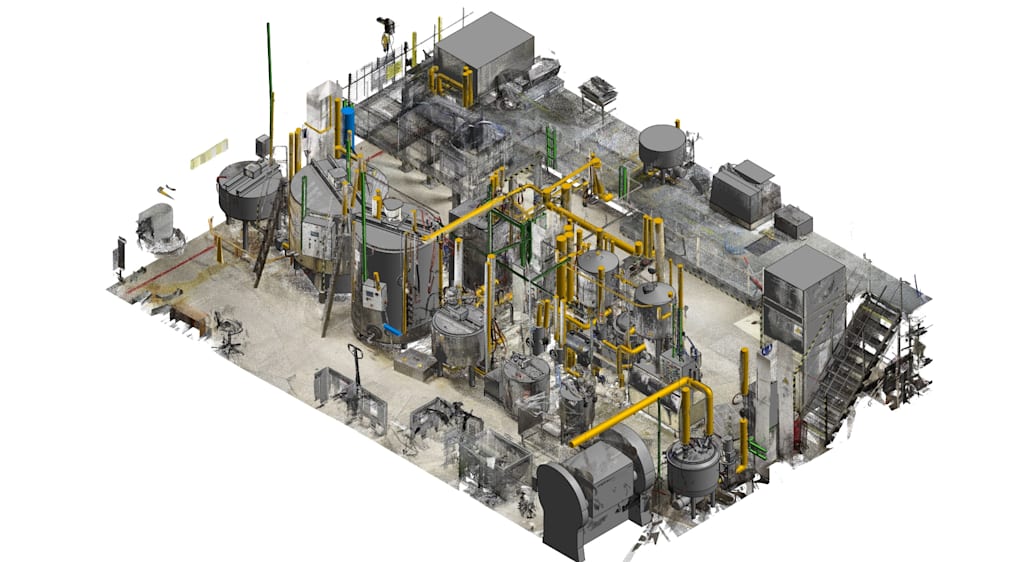
I’ve been working on a massive industrial factory project stateside lately, and honestly? It’s been a bit of a marathon. If you’ve ever had to handle high-density MEP modeling for an industrial site, you know the drill: space is tight, the equipment layout is rigid, and if your clash detection isn’t flawless, you’re looking at a nightmare during on-site installation.
We hit a wall around the midway point. The ceiling plenum was packed—HVAC ducts fighting for space with fire protection lines and massive electrical cable trays. We were pushing toward LOD 400, but the model size was starting to crawl. Every time we tried to run a clash test in Navisworks, it felt like the computer was going to take off like a jet engine.
The turning point wasn't just throwing more hardware at it. It was about cleaning up the family parameters and rethinking our routing workflow. We had to strip out unnecessary data that was bloating the Revit files without adding any real value to the construction phase.
When you’re dealing with this level of density, you realize that BIM MEP modeling services aren't just about drawing pipes—it's about spatial coordination logic. We had to prioritize the gravity pipes first, then work our way up to the HVAC, and finally the conduits. It’s a game of Tetris, essentially.
We ended up collaborating with the team at ViBIM for the heavy lifting on some of the more tedious zones. They have a decent handle on the US industrial standard, which saved our team a few hundred hours of back-and-forth revisions.
It’s definitely taught me a lesson about over-modeling. Sometimes, less is more, especially when you need the model to be responsive enough for the site team to actually use it on their tablets in the field.
Has anyone else here dealt with industrial MEP projects where the sheer density of services just kills your model performance? Would love to hear how you guys handle the optimization side of things.
About the Creator
ViBIM - BIM Modeling Service
Founded in 2014, 3D Revit BIM Modeling outsourcing services at ViBIM based in Vietnam, dedicated to helping architects, engineers, and contractors transform complex laser scan data into precise, high-quality Revit models.
Enjoyed the story? Support the Creator.
Subscribe for free to receive all their stories in your feed.
Comments
There are no comments for this story
Be the first to respond and start the conversation.