
Watercolour on Canvas: Techniques, Artistic Methods, and the Future of Watercolor Art in Mixed Media Painting
Watercolour on Canvas
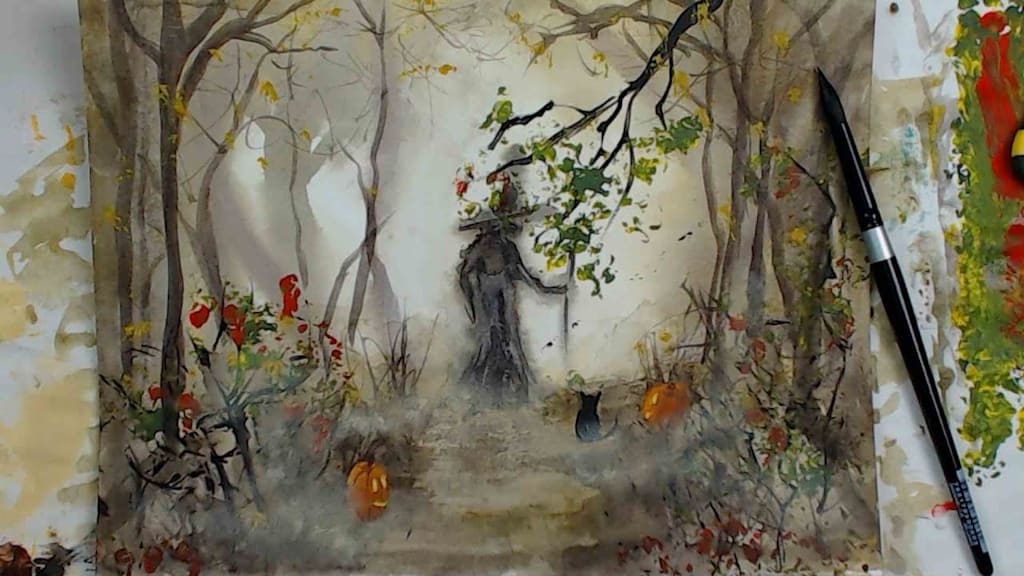
Watercolor has long been associated with delicate washes, translucent layers, and paper-based compositions that highlight its fluid nature. However, a growing number of artists are now exploring Watercolour on Canvas, a technique that challenges traditional boundaries and opens new possibilities in contemporary painting. By combining the softness of watercolor with the durability of canvas, artists can achieve striking visual effects that are both expressive and long-lasting.
This shift is part of a broader movement in Watercolor Art and Mixed Media Art, where experimentation and material innovation play a central role. Artists are no longer limited to conventional surfaces, and this freedom has led to new approaches in Canvas Painting Techniques and creative expression.
This article explores what makes watercolor on canvas unique, how it differs from traditional methods, and why it has become an important direction in modern Artistic Methods.
What Is Watercolour on Canvas?
Watercolour on Canvas refers to the practice of applying watercolor pigments to a specially prepared canvas surface instead of traditional watercolor paper. Since standard canvas is not naturally absorbent like paper, it must be treated or primed to allow watercolor paints to adhere properly.
This technique allows artists to combine the fluid transparency of watercolor with the strength and texture of canvas. The result is a hybrid medium that bridges the gap between traditional watercolor painting and more durable fine art formats.
Unlike paper-based watercolor, canvas allows for larger-scale works and greater structural flexibility, making it increasingly popular among contemporary artists.
Why Artists Are Choosing Canvas Over Paper
Durability and Longevity
One of the primary reasons artists are drawn to Watercolour on Canvas is durability. Watercolor paper is prone to warping, tearing, and degradation over time, especially when exposed to moisture or heavy layering.
Canvas, on the other hand, provides a more stable foundation. When properly prepared, it can support repeated layering, corrections, and mixed media applications without losing structural integrity. This makes it ideal for archival-quality artwork intended for long-term display.
The increased durability also makes canvas suitable for professional exhibitions and gallery presentations.
Larger Artistic Possibilities
Traditional watercolor paper often limits the size of a composition. Canvas eliminates this restriction, allowing artists to work on much larger surfaces.
This expansion of scale opens new creative possibilities in Canvas Painting Techniques, enabling more expressive brushwork, dramatic compositions, and immersive visual storytelling.
Artists working in contemporary styles particularly benefit from this freedom, as it aligns with modern preferences for bold and impactful artwork.
Understanding Surface Preparation for Watercolour on Canvas
The Importance of Proper Priming
Unlike watercolor paper, canvas must be specially prepared before paint application. Without proper priming, watercolor pigments may slide off the surface or fail to absorb correctly.
Artists typically use watercolor ground or absorbent primers designed specifically for Watercolour on Canvas. These products create a slightly textured, absorbent layer that allows watercolor to behave more predictably.
Proper preparation is essential for achieving smooth washes, controlled blending, and consistent color performance.
Texture and Its Effect on Painting
The natural weave of canvas introduces a different texture compared to smooth watercolor paper. This texture influences how pigments spread, settle, and interact with the surface.
Depending on the level of priming, artists may either retain subtle canvas texture for visual interest or create a smoother surface for more traditional watercolor effects.
This flexibility allows for experimentation within both Watercolor Art and Mixed Media Art practices.
Color Behavior in Watercolour on Canvas
Differences from Traditional Watercolor Paper
One of the most noticeable differences in Watercolour on Canvas is how pigments behave. On paper, watercolor tends to absorb quickly, creating soft edges and natural diffusion.
On canvas, especially primed canvas, pigments may sit longer on the surface, allowing for more controlled manipulation. This can be both an advantage and a challenge depending on the artist’s technique.
The slower absorption rate gives artists more time to adjust blending, lift color, or create layered effects.
Vibrancy and Layering Potential
Canvas can enhance color vibrancy in certain cases, especially when multiple layers are applied. The surface allows for gradual buildup of tones, which can create rich depth and visual complexity.
This layering ability is particularly valuable in Mixed Media Art, where watercolor is often combined with ink, acrylic, or texture mediums.
Artists can achieve effects that are difficult or impossible on traditional paper surfaces.
Canvas Painting Techniques for Watercolour Artists
Wet-on-Wet Adaptation
The wet-on-wet technique, commonly used in watercolor painting, behaves differently on canvas. Because canvas does not absorb moisture as quickly as paper, water and pigment remain active on the surface for longer periods.
This allows for extended blending time, softer gradients, and more controlled transitions between colors.
However, artists must carefully manage water levels to avoid unwanted pooling or uneven drying.
Dry Brush and Texture Techniques
Dry brush techniques are particularly effective on canvas due to its textured surface. The slight friction between brush and canvas creates natural broken strokes that enhance visual depth.
This method is widely used in Canvas Painting Techniques to emphasize highlights, movement, and structural detail within a composition.
It is especially effective when combined with watercolor washes or mixed media layering.
Watercolour Art in Contemporary Practice
Evolution of Traditional Mediums
Watercolor Art has traditionally been associated with landscapes, botanical studies, and delicate illustrations. However, contemporary artists are expanding its boundaries by integrating it into modern compositions and unconventional surfaces.
The use of canvas represents a major evolution in this medium, allowing watercolor to compete visually with acrylic and oil painting in terms of scale and durability.
This evolution reflects a broader trend toward experimentation and hybrid artistic practices.
Expression and Emotional Depth
Watercolor is known for its emotional transparency and unpredictability. When applied to canvas, these qualities become even more dynamic due to the surface interaction.
Artists can explore themes of abstraction, emotion, and movement with greater freedom, making watercolor on canvas an increasingly popular choice for expressive work.
Mixed Media Art and the Role of Watercolour on Canvas
Combining Materials for Creative Freedom
One of the most exciting aspects of Mixed Media Art is the ability to combine different materials within a single composition. Watercolour on canvas integrates seamlessly with ink, charcoal, acrylic paint, and even collage elements.
This combination allows artists to push creative boundaries and develop highly personalized visual styles.
The durability of canvas ensures that these layered materials remain stable over time.
Expanding Artistic Language
Mixed media approaches encourage experimentation with texture, transparency, and dimensionality. Watercolor on canvas serves as a foundation that can support both delicate washes and bold structural additions.
This versatility makes it a powerful tool for contemporary artists seeking to develop unique visual languages.
Challenges of Watercolour on Canvas
Control and Predictability
While canvas offers many advantages, it also presents challenges. The behavior of watercolor on canvas is less predictable than on paper, requiring practice and adaptation.
Artists must learn how different primers, water ratios, and pigments interact with the surface to achieve desired results.
This learning curve is an important part of mastering the medium.
Material Selection
Not all canvases are suitable for watercolor use. Selecting the right absorbent ground or pre-treated canvas is essential for achieving consistent results.
Poor preparation can lead to uneven washes, color separation, or reduced paint adhesion.
Understanding materials is therefore a crucial aspect of successful Artistic Methods in this medium.
The Future of Watercolour on Canvas
As contemporary art continues to evolve, Watercolour on Canvas is likely to become even more widely adopted. Its ability to merge traditional watercolor aesthetics with modern durability and scale makes it highly appealing to both emerging and professional artists.
Advancements in materials science are also improving watercolor grounds and canvas preparation techniques, making the medium more accessible and reliable.
This growing innovation ensures that watercolor will continue to evolve beyond its traditional boundaries.
Conclusion
Watercolour on Canvas represents a powerful evolution in modern painting practices. By combining the fluid beauty of Watercolor Art with the strength of canvas, artists gain access to a versatile and expressive medium that supports both traditional and experimental approaches.
Through refined Canvas Painting Techniques, careful surface preparation, and exploration of Mixed Media Art, creators can achieve unique visual outcomes that are both durable and emotionally expressive. As artistic innovation continues, watercolor on canvas stands as a defining example of how Artistic Methods are expanding in contemporary creative practice, offering limitless potential for future exploration.
About the Creator
Enjoyed the story? Support the Creator.
Subscribe for free to receive all their stories in your feed.
Comments
There are no comments for this story
Be the first to respond and start the conversation.