
Wabi-Sabi Art Prints and the Beauty of Imperfection in Modern Interior Design
Wabi-Sabi Art Prints
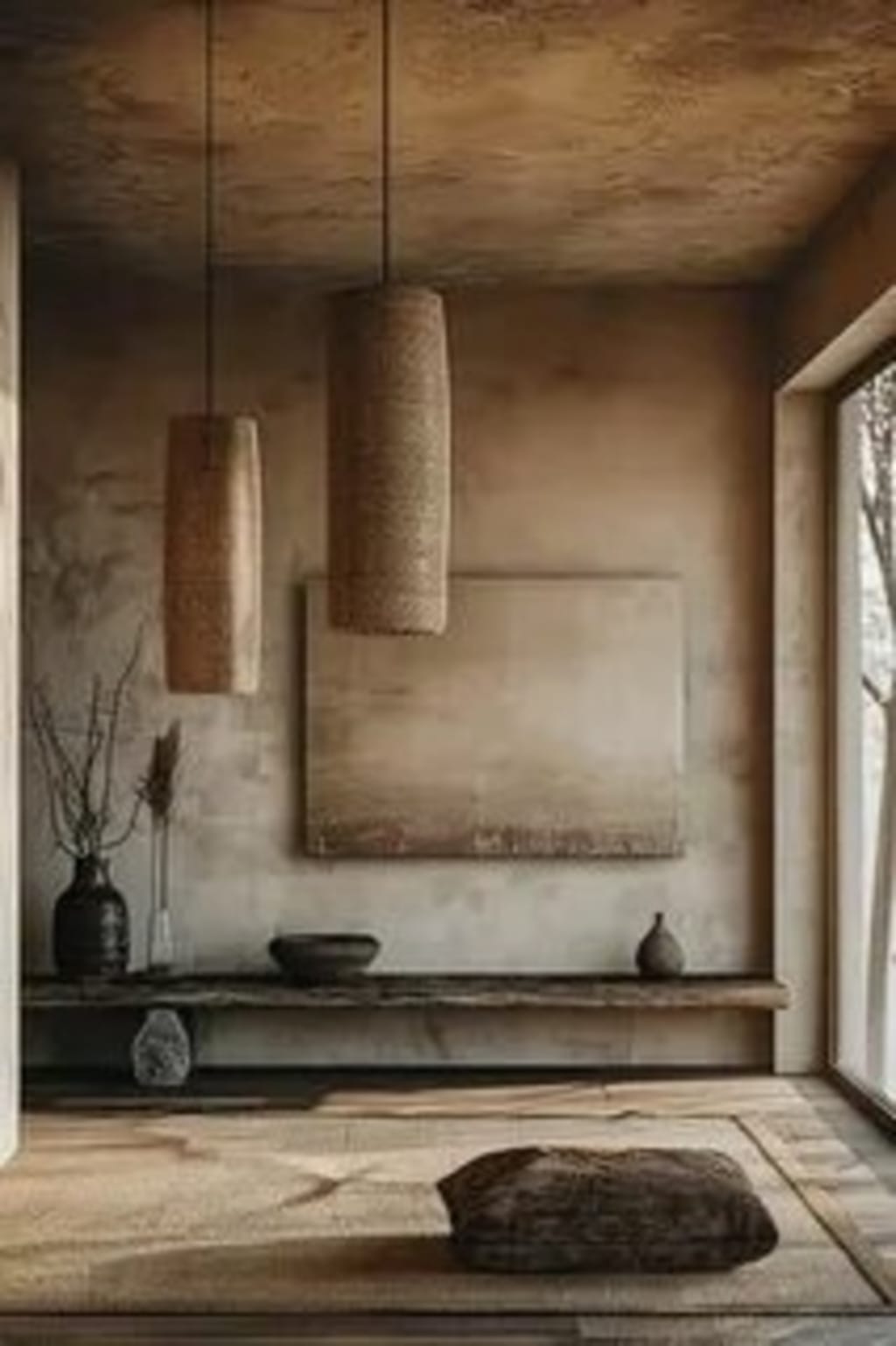
In a world dominated by perfection, polished surfaces, and fast-paced lifestyles, many people are now searching for calmness, authenticity, and simplicity in their living spaces. This growing desire for peace and balance has increased global interest in wabi-sabi art, a Japanese aesthetic philosophy that embraces imperfection, natural beauty, and minimalism. Rooted deeply in traditional Japanese culture, wabi-sabi teaches that beauty does not come from perfection but from authenticity, age, simplicity, and the natural passage of time.
Today, minimalist wall art inspired by wabi-sabi principles has become increasingly popular in modern interior design. Soft textures, earthy tones, asymmetrical forms, and organic materials are being used to create peaceful environments that promote mindfulness and emotional comfort. Whether displayed in living rooms, meditation spaces, or contemporary offices, wabi-sabi art prints bring a sense of calm and balance that contrasts sharply with modern visual overload.
Understanding the Philosophy of Wabi-Sabi
The concept of wabi-sabi art comes from traditional Japanese aesthetics that developed through Zen Buddhist philosophy. Although difficult to translate directly into English, the term generally represents the appreciation of impermanence, simplicity, and imperfect beauty.
“Wabi” refers to simplicity, humility, and living in harmony with nature, while “sabi” relates to aging, weathering, and the beauty that develops over time. Together, these ideas encourage people to value authenticity instead of perfection.
Unlike Western design traditions that often celebrate flawless surfaces and symmetry, wabi-sabi embraces cracks, irregular textures, uneven forms, and natural imperfections. This philosophy reminds people that nothing in life is permanent or perfectly complete, and that true beauty often exists in simplicity and imperfection.
The Rise of Wabi-Sabi in Contemporary Design
In recent years, modern interior designers and artists have increasingly adopted wabi-sabi art principles to create peaceful and emotionally grounding environments. As contemporary lifestyles become more digital and stressful, people are drawn toward spaces that feel calm, natural, and emotionally authentic.
This trend is especially visible in zen decor and minimalist interiors where clutter is reduced and natural materials become the focus. Wabi-sabi-inspired spaces often feature neutral color palettes, handmade textures, organic shapes, and subtle imperfections that create warmth and character.
Modern homeowners now appreciate interiors that feel lived-in and personal rather than overly polished or artificial. Wabi-sabi art prints support this atmosphere by adding emotional softness and visual tranquility to a room.
Minimalist Wall Art and Natural Simplicity
One of the defining characteristics of minimalist wall art inspired by wabi-sabi is simplicity. Rather than overwhelming the viewer with excessive detail or bright colors, these artworks focus on subtle textures, muted tones, and balanced emptiness.
Natural brush strokes, imperfect circles, abstract landscapes, and handmade patterns are common elements in wabi-sabi-inspired prints. The use of negative space is also important because it allows the artwork to breathe visually and emotionally.
This minimalist approach creates a sense of relaxation and openness within a space. Instead of demanding attention aggressively, the artwork invites quiet observation and reflection. This emotional calmness aligns closely with Zen-inspired living and mindful interior design.
Imperfect Beauty as an Artistic Principle
The idea of imperfect beauty is central to the wabi-sabi philosophy. In traditional Japanese culture, objects that show signs of age or wear are often considered more valuable because they carry history and character.
For example, cracked pottery repaired through the Japanese art of Kintsugi becomes even more beautiful because its imperfections are visible rather than hidden. This philosophy teaches acceptance of flaws instead of rejection.
In art and design, this principle appears through uneven textures, faded colors, irregular forms, and handmade imperfections. Artists intentionally avoid mechanical perfection because natural irregularity creates warmth and emotional depth.
This perspective has become increasingly important in modern society, where perfectionism often creates stress and unrealistic expectations. Wabi-sabi encourages viewers to appreciate authenticity and simplicity instead.
The Relationship Between Wabi-Sabi and Zen Decor
Zen decor and wabi-sabi philosophy share many similarities because both emphasize calmness, mindfulness, and simplicity. Zen-inspired interiors are designed to reduce distraction and create environments that support emotional clarity and inner peace.
Wabi-sabi art prints contribute to this atmosphere by introducing natural visual harmony into a space. Earthy colors such as beige, gray, clay, brown, and muted green are commonly used because they reflect natural landscapes and organic materials.
Textures also play a major role in zen-inspired spaces. Rough surfaces, linen fabrics, raw wood, handmade ceramics, and stone-inspired artwork all contribute to a grounded and peaceful environment.
Together, wabi-sabi and zen aesthetics create interiors that feel emotionally restorative rather than visually overwhelming.
Natural Materials and Organic Textures
A major aspect of Japanese aesthetics is the connection between art and nature. Wabi-sabi-inspired artwork often incorporates natural textures and organic forms that reflect the imperfect beauty found in the natural world.
Artists may use watercolor stains, rough brush techniques, textured paper, faded pigments, or earthy abstract patterns to create authenticity within their work. These details make each piece feel unique and emotionally human rather than digitally manufactured.
Natural materials also strengthen the emotional warmth of a room. Wood frames, linen canvases, clay-inspired tones, and stone-like textures help create visual softness and balance within contemporary interiors.
This connection to nature is one reason why wabi-sabi art feels calming and timeless despite modern design trends constantly changing.
Emotional Benefits of Wabi-Sabi Spaces
Modern life often encourages constant productivity, perfection, and visual stimulation. As a result, many people experience mental exhaustion and emotional stress within overly busy environments.
Wabi-sabi-inspired interiors offer a different experience. The simplicity and softness of the design help create emotional calmness and mindfulness. Minimal distractions allow the mind to relax more naturally.
Many people also feel emotionally connected to imperfect objects because they reflect human experiences more honestly. Rather than presenting unrealistic perfection, wabi-sabi art acknowledges change, aging, and impermanence as natural parts of life.
This emotional authenticity is one reason why wabi-sabi design continues to grow in popularity worldwide.
Wabi-Sabi in Modern Interior Design
Contemporary designers frequently combine minimalist wall art with Scandinavian, Japandi, and modern organic interior styles. Wabi-sabi works especially well in spaces that prioritize comfort, openness, and natural simplicity.
Living rooms, meditation spaces, bedrooms, and creative studios often benefit from wabi-sabi-inspired decor because it creates a peaceful atmosphere without feeling empty or cold. Large abstract prints with textured neutral tones can transform a room into a calming retreat.
Even commercial spaces such as wellness centers, yoga studios, and boutique hotels increasingly use wabi-sabi aesthetics to create relaxing and emotionally welcoming environments.
Conclusion
Wabi-sabi art represents far more than a visual style. It is a philosophy rooted in Japanese aesthetics that teaches appreciation for simplicity, imperfection, and the natural passage of time. Through soft textures, organic forms, and calm minimalist wall art, wabi-sabi creates spaces that encourage mindfulness, emotional balance, and peaceful living.
In today’s fast-moving world, the beauty of imperfection offers an important reminder that authenticity often holds more value than perfection. Whether used in modern homes, meditation areas, or creative interiors, wabi-sabi-inspired zen decor continues to influence contemporary design by bringing warmth, calmness, and emotional honesty into everyday spaces.
For readers interested in exploring how artistic simplicity and functional aesthetics work together in modern interiors, Diptych Wall Art and Functional Design provides additional inspiration related to decorative balance and thoughtful wall art presentation.
About the Creator
Enjoyed the story? Support the Creator.
Subscribe for free to receive all their stories in your feed.
Comments
There are no comments for this story
Be the first to respond and start the conversation.