
The Return of Small, Local Meditation Communities
The Return of Small, Local Meditation Communities
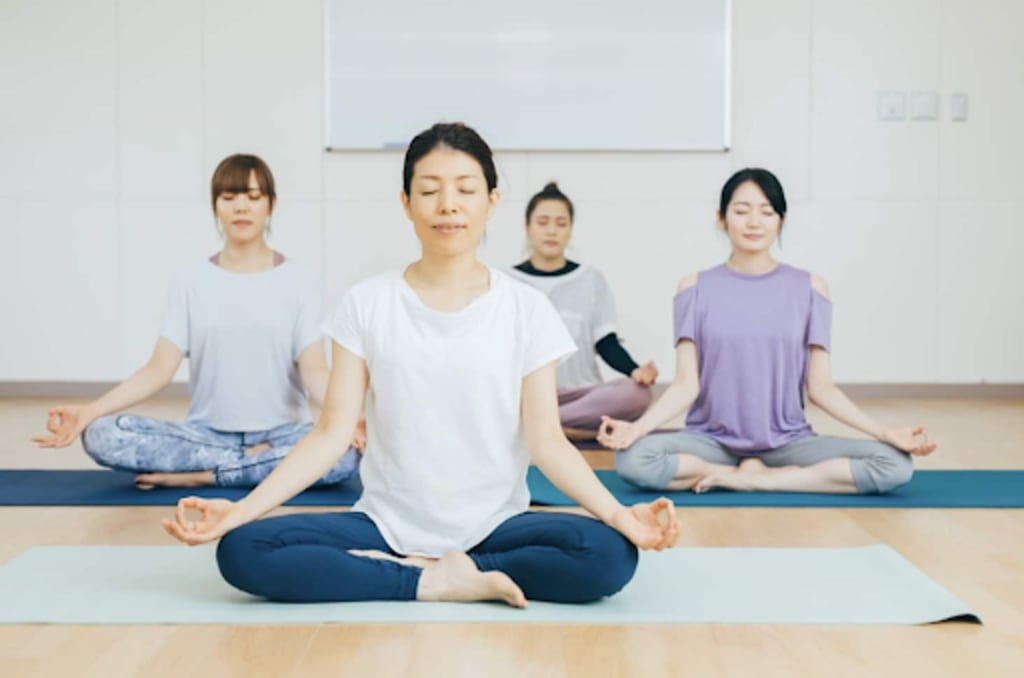
In a world where so much of life happens through screens, many people are looking for ways to reconnect with themselves and with others in more meaningful ways. Meditation has long been valued as a practice that encourages awareness and presence, yet maintaining a consistent routine can be surprisingly difficult when practiced alone.
This challenge may help explain the growing interest in group meditation and small, local mindfulness gatherings. Rather than relying solely on personal motivation, people are discovering that shared practice can create a sense of commitment, connection, and belonging that makes meditation easier to sustain over time.
At the same time, a new generation of technology tools is emerging with a different goal. Instead of encouraging more screen time, these tools aim to help people meet face-to-face, build local relationships, and participate in real-world experiences. Together, these trends point toward the return of small, local meditation communities.
Why Practicing Alone Can Be Difficult
Many people begin meditation with good intentions. They set aside time, download an app, and commit to a daily practice. Yet after a few weeks, life often gets in the way.
Meditation itself is simple, but consistency can be challenging. Without external structure, it is easy to postpone a session, shorten a practice, or skip it altogether.
Some common obstacles include:
Busy schedules and competing priorities
Difficulty staying motivated without accountability
Feeling isolated during practice
Uncertainty about whether progress is being made
Distractions from digital devices and daily responsibilities
Research and public health experts have increasingly emphasized the importance of social connection in overall well-being. The U.S. Surgeon General's advisory on loneliness highlights the role that meaningful relationships play in people's lives, suggesting that community connections can be an important part of healthy routines.
For many individuals, meditation becomes easier when it is connected to a group experience rather than treated as a solitary task on a never-ending to-do list.
The Value of Shared Silence
One of the most interesting aspects of meditation is that meaningful connection can exist even when people are not speaking.
When people participate in in-person meditation sessions together, they often benefit from a shared sense of purpose. Everyone arrives with the same intention: to pause, become present, and create space away from daily distractions.
This shared environment may help participants remain focused because the group itself provides structure.
Accountability Without Pressure
Many habits become easier when they involve other people. A scheduled gathering creates a gentle form of accountability that does not depend entirely on willpower.
Unlike competitive activities, meditation groups typically encourage participation without performance. There is no score to achieve or milestone to reach. Simply showing up becomes part of the practice.
As a result, some people find it easier to maintain consistency when they meditate with others.
A Sense of Belonging
Meditation is often described as a personal journey, but humans are social by nature. Participating in a local mindfulness gathering can create opportunities to connect with people who share similar interests and values.
These interactions may contribute to a stronger sense of community while supporting the development of sustainable habits.
Learning Through Observation
Beginners sometimes feel uncertain about meditation techniques, posture, or routine. Group settings can provide informal opportunities to learn from more experienced practitioners.
Observing how others approach mindfulness can make the practice feel more accessible and less intimidating.
What Research Suggests About Meditation and Community
Organizations such as the National Center for Complementary and Integrative Health NCCIH and Harvard Health Publishing have explored the growing body of research surrounding meditation and mindfulness practices.
Research suggests that meditation may help support general well-being, attention, and emotional awareness for some individuals. However, experts also note that experiences vary from person to person and that meditation should not be viewed as a treatment for medical or mental health conditions.
What is particularly interesting is that long-term participation often depends less on learning a technique and more on maintaining a consistent practice.
This is where the community can play an important role.
When meditation becomes part of a shared routine, people may be more likely to continue practicing over time. The social element does not replace mindfulness itself, but it can help create the conditions that make regular practice easier to maintain.
Why Small, Local Communities Are Growing
Large online communities have become common, but many people are increasingly seeking smaller and more personal experiences.
A local mindfulness community offers something that digital spaces often struggle to replicate: physical presence.
Small groups can create:
Familiarity among participants
Consistent attendance and routine
Opportunities for genuine conversation
Stronger local relationships
A welcoming environment for newcomers
This shift reflects a broader cultural desire for experiences that feel authentic and grounded in real life.
When people search for meditation groups near me, they are often looking for more than meditation instruction. They may be seeking connection, routine, and a sense of belonging within their local area.
How Technology Can Support Offline Connection
Technology is frequently criticized for increasing distraction and reducing face-to-face interaction. While those concerns are valid, technology itself is not necessarily the problem.
The impact often depends on how it is used.
Some digital tools are beginning to focus less on keeping people online and more on helping them participate in offline experiences.
Instead of replacing real-world interaction, these platforms can serve as bridges that help individuals find local opportunities and communities.
For example, the Pinealage helps people discover nearby meditation sessions and connect with others interested in practicing together in person. Rather than encouraging endless engagement within the app itself, the goal is to help facilitate real-world meditation experiences.
This approach reflects a broader trend in mindful technology design: using digital tools to support human connection rather than compete with it.
The Future May Be More Local Than We Expect
For years, technology promised unlimited digital connection. Yet many people now find themselves searching for experiences that feel more personal, more tangible, and more human.
The renewed interest in group meditation reflects this shift. People are discovering that meaningful habits often grow more naturally when they are supported by the community.
Small gatherings, shared silence, and local relationships may not seem revolutionary, but they offer something increasingly valuable in a screen-saturated world: genuine presence.
As mindful technology continues to evolve, its most meaningful role may not be helping people spend more time online. Instead, it may be helping them find one another offline.
And for many individuals seeking a sustainable meditation practice, that simple reconnection could be exactly what makes the difference.
About the Creator
Enjoyed the story? Support the Creator.
Subscribe for free to receive all their stories in your feed.
Comments
There are no comments for this story
Be the first to respond and start the conversation.