
The Quiet Joy of Beautiful Stationery in a Digital World
Joy of Beautiful Stationery

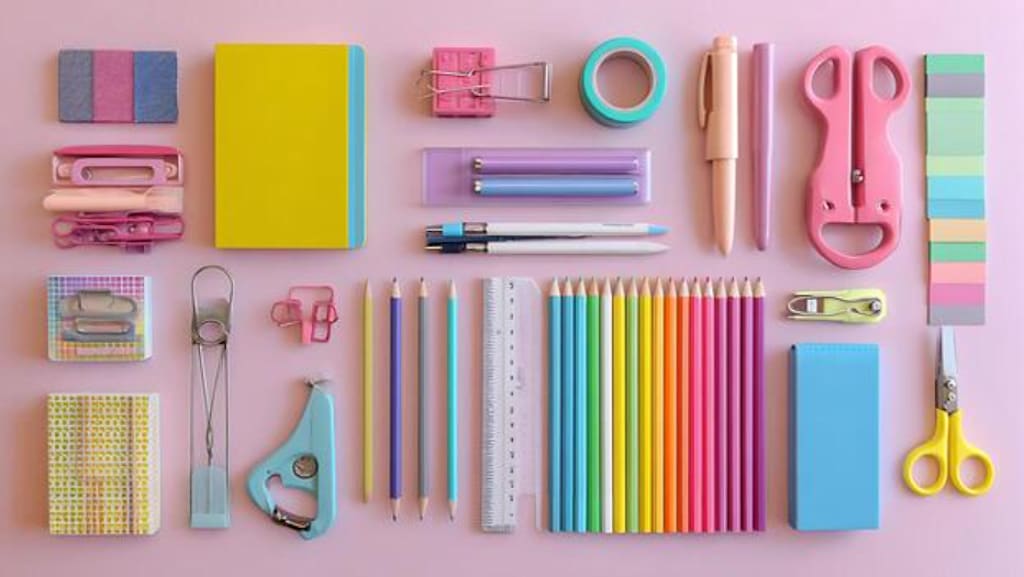
In a world where most communication happens through screens, the simple act of writing on paper can feel surprisingly meaningful. While emails, messaging apps, and digital note-taking tools dominate everyday life, stationery continues to hold a special place for many people. From journals and notebooks to fountain pens and sketch pads, stationery represents creativity, organization, and personal expression.
For students, writers, artists, and professionals alike, stationery offers something that digital tools often cannot: a tactile experience. The feeling of pen on paper, the smell of a fresh notebook, and the visual satisfaction of well-organized pages can transform everyday tasks into something more thoughtful and enjoyable.
This quiet appeal is one reason why interest in high-quality stationery has continued to grow even in the digital age.
Why Stationery Still Matters
Despite the convenience of smartphones and laptops, handwritten notes remain valuable for many reasons.
First, writing by hand can improve memory and comprehension. Studies have shown that when people write notes manually instead of typing them, they tend to process information more deeply. This makes stationery particularly useful for students or professionals who want to retain important ideas.
Second, handwriting encourages mindfulness. Unlike typing quickly on a keyboard, writing slows down the thought process. This slower pace can help people reflect, organize ideas, and focus more carefully on what they want to communicate.
Finally, stationery allows for creativity. A notebook page can become a to-do list, a sketch, a brainstorming map, or a personal journal entry. Unlike digital tools, paper does not restrict formatting or structure.
The Emotional Connection to Paper
For many people, stationery carries an emotional value that goes beyond practicality.
Think about the excitement of opening a brand-new notebook at the start of a school year, or the satisfaction of using a pen that glides smoothly across the page. These small experiences often create a deeper connection with the writing process.
Stationery can also become part of personal routines. Some people begin their day by writing in a journal. Others keep planners or bullet journals to organize their goals and tasks. Artists may use sketchbooks to capture ideas whenever inspiration strikes.
Over time, these pages become records of thoughts, memories, and creativity. Unlike digital files that may disappear or become forgotten, physical notebooks often become keepsakes.
Stationery as a Tool for Creativity
Artists and creative thinkers frequently rely on stationery to explore ideas. A simple sheet of paper can become the starting point for sketches, poems, story outlines, or design concepts.
Writers, in particular, often find that drafting ideas on paper feels more natural than typing them immediately on a screen. Without distractions from notifications or apps, writing by hand can help thoughts flow more freely.
Stationery can also support visual creativity. Colored pens, markers, sticky notes, and textured paper allow people to experiment with layout and design. For those who enjoy journaling or scrapbooking, stationery becomes a creative toolkit rather than just a writing tool.
The Rise of Aesthetic Stationery
In recent years, stationery has also become part of a broader aesthetic culture. Social media platforms are filled with images of beautifully organized desks, artistic planners, and carefully designed journal pages.
Many people now view stationery not only as functional items but also as part of a personal workspace environment. Elegant notebooks, minimalist planners, and stylish pens can help create a workspace that feels inspiring and calm.
This trend reflects a growing appreciation for intentional living. Instead of rushing through tasks digitally, some individuals prefer to slow down and create a workspace that encourages focus and creativity.
Stationery in Education and Productivity
Stationery continues to play an important role in education. Students frequently rely on notebooks, highlighters, sticky notes, and planners to organize their studies.
Handwritten notes can help break complex subjects into manageable pieces. Color-coding notes or drawing diagrams can make learning more interactive and memorable.
Professionals also use stationery for productivity. Writing down goals, brainstorming ideas, or planning projects on paper can sometimes be more effective than managing everything digitally. The physical act of crossing tasks off a list often provides a sense of accomplishment that digital checkboxes cannot match.
A Balance Between Digital and Analog
The modern world does not require choosing between digital tools and traditional stationery. Instead, many people combine both approaches.
Digital tools are excellent for storing large amounts of information, sharing files, and communicating quickly. Stationery, on the other hand, excels at helping individuals think, plan, and create.
For example, someone might brainstorm ideas in a notebook, then type the final version on a computer. Similarly, students may write initial notes on paper before organizing them digitally.
This balance allows people to enjoy the strengths of both worlds.
The Timeless Appeal of Stationery
Although technology continues to evolve, the appeal of stationery remains timeless. Writing on paper is one of the oldest forms of communication and creativity in human history.
Even today, a handwritten letter, journal entry, or sketch can feel more personal than a digital message. Stationery invites people to slow down, reflect, and connect with their thoughts.
In many ways, stationery reminds us that creativity does not always require advanced technology. Sometimes all it takes is a blank page and a pen.
Conclusion
In an increasingly digital world, stationery continues to offer something simple yet meaningful. It encourages creativity, supports learning, and provides a tactile experience that screens cannot fully replace.
Whether used for journaling, studying, planning, or artistic expression, stationery helps transform everyday writing into something more personal and thoughtful.
Perhaps that is why, even in an era of smartphones and cloud storage, many people still reach for a notebook and pen when they want their ideas to truly take shape.
About the Creator
Decider TV
At Decider TV, we’re more than just a website; we’re your go-to destination for all things entertainment, dedicated to providing you with the latest and greatest in the world of Hollywood movies, and everything in between.
Enjoyed the story? Support the Creator.
Subscribe for free to receive all their stories in your feed.
Comments
There are no comments for this story
Be the first to respond and start the conversation.