
The Best Waterpark Attractions for a Fun-Filled Day
The Best Waterpark Attractions for a Fun-Filled Day
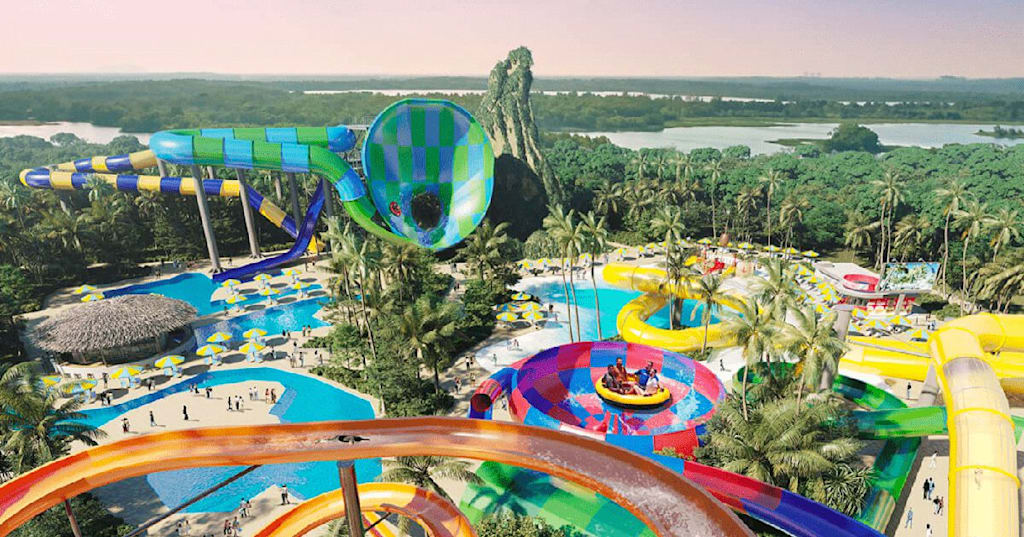
A smooth waterpark day depends less on luck and more on physiology. Heat, sun, and constant stair climbing raise heart rate and fluid loss faster than many groups notice. Planning the order of attractions helps manage body temperature, reduces irritability tied to low blood sugar, and limits sun overexposure. With a clear meet-up point, short recovery pauses, and a few simple safety habits, families and friends can spend more minutes in the water and fewer in preventable stress.
Pick a Park With Variety
Mixed ages rarely match the same intensity level, so variety protects group cohesion. Guides for waterpark Hawaii often highlight how a broad menu of slide speeds, shallow play areas, and quiet pools keeps everyone engaged. Look for clear height markers, posted weight limits, and multiple shade pockets near seating. Those details reduce friction, shorten decision time, and support pacing when heat load climbs through midday.
Start With the Wave Pool
Wave pools create shared fun with minimal instruction, yet timing matters. Arriving early usually means calmer entry, easier chair setup, and better visibility for headcounts. Many facilities run waves in cycles, so resting between sets lowers fatigue and muscle cramping risk. Strong swimmers can stay farther out, while cautious guests remain in the shallows. Before each new set, a quick regroup keeps the session organized and safer.
Use the Lazy River for Recovery
A lazy river works as active recovery, not a throwaway ride. Gentle current movement supports cooling while letting breathing settle after steep climbs. Shaded corners lower radiant heat, which helps thermoregulation during peak sun. One loop can reset mood and attention, especially for children. Water shoes reduce foot strain on rough decking, and a steady tube grip prevents small collisions when turns tighten.
Choose a Signature Drop Slide
Drop slides spike adrenaline, so readiness should be checked with the same care as any high-speed activity. Height rules and posture instructions exist to protect the neck, ribs, and lower back during impact. Loose items should be removed, since pockets can turn objects into hazards. Lines often grow near lunchtime, so an earlier run saves time. For many guests, one turn is plenty.
Try a Bowl or Funnel Ride
Bowl and funnel rides add lateral force without the sharp jolt of a straight plunge. Rafts distribute pressure across the hips and back, which can feel steadier for newer riders. Posted weight ranges matter, so checking them avoids a wasted wait. These rides fit well after wave time since muscles are warm and skin is already cooled. A brief review of signals from staff prevents awkward loading delays.
Plan a Family Raft Run
Family raft rides keep groups together, which reduces stress for caregivers and builds confidence for hesitant riders. Loading can move quickly when four to six seats fill efficiently, so turnover stays predictable. Shared laughter tends to come from the same splash points and synchronized turns, which strengthens memories better than separated lanes. A simple rule helps: hands inside and feet forward. After the ride, regrouping before the next queue prevents confusion.
Give Kids a Dedicated Zone
Kid areas work best when features match development, not marketing. Soft-depth pools support safe footing, while spray elements give cooling without overwhelming force. Small slides should align with height bands to prevent frustration at the gate. Short blocks, such as two 20 minute sessions, reduce fatigue and tantrums linked to overheating. Adults can rotate supervision to lower burnout. During breaks, towel drying limits chills when wind picks up.
Add a Flow Rider Session
Flow style attractions train balance and core control in short bursts, yet they tax the legs quickly. Scheduling a session after food helps maintain energy and lowers lightheadedness risk from low blood sugar. Many parks offer bodyboard options before standing runs, which keeps pressure low for beginners. Watching a few attempts teaches stance and safe falling. If a wipeout happens, staying loose protects joints, since the water pushes consistently.
Make Food and Shade a Strategy
Food and shade are health tools, not extras. Heat exposure increases sweat loss, so water intake should be frequent, with salty snacks to replace sodium. Planning a meal window before peak lunch crowds reduce line time and irritability. Sunscreen should be reapplied on schedule, especially after repeated rides and towel use. A shaded base spot supports cooling, rechecking children for sunburn, and quick reviews for missing items.
Conclusion
A fun-filled waterpark day is built on smart sequencing and steady recovery. Wave pools set a social tone, lazy rivers lower heat strain, and raft rides keep groups connected. High-speed slides can be highlights when the body is hydrated and alert. Kid zones and skill-based options widen access for every comfort level. With clear meeting points, planned shade stops, and consistent safety checks, everyone can finish pleasantly tired, not depleted.
About the Creator
Enjoyed the story? Support the Creator.
Subscribe for free to receive all their stories in your feed.
Comments
There are no comments for this story
Be the first to respond and start the conversation.