
The Art of Stippling.
No, not Stripping...Stippling. From Dots to Beauty.
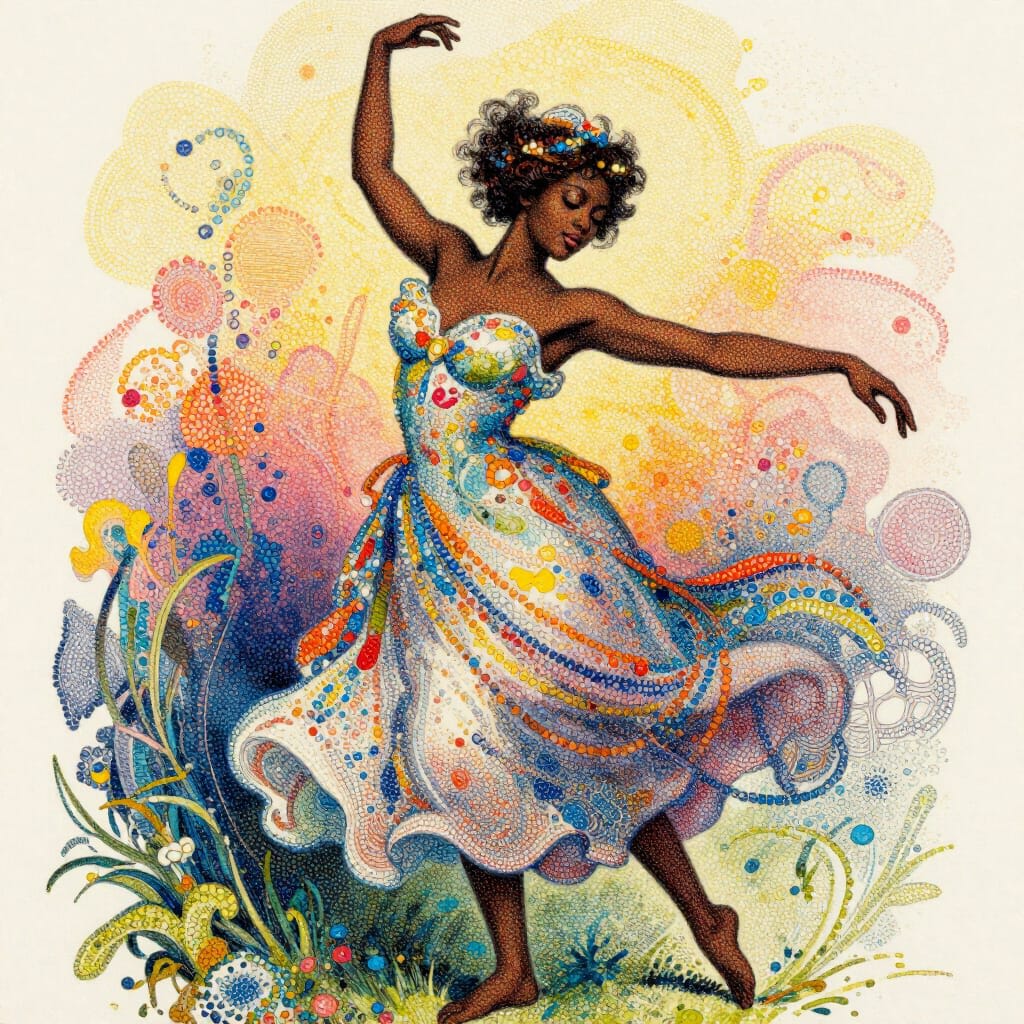
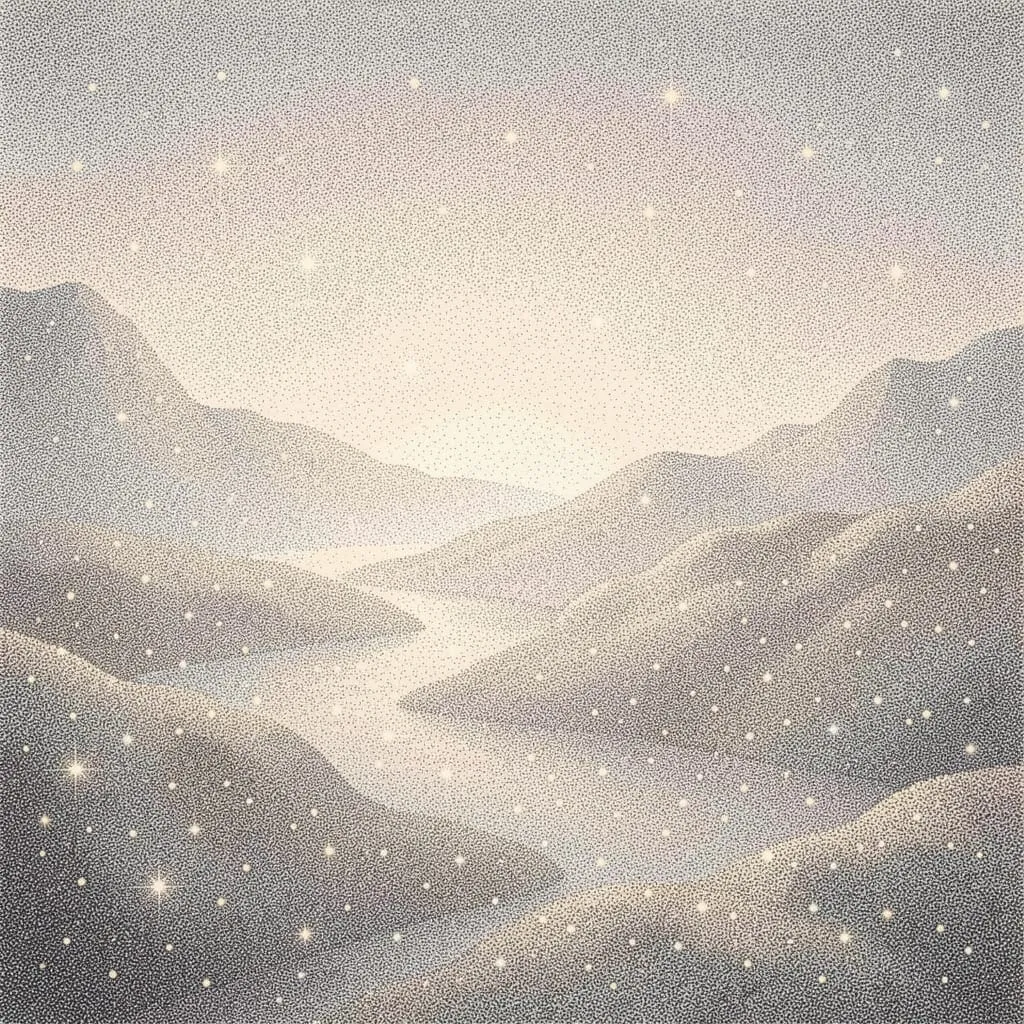
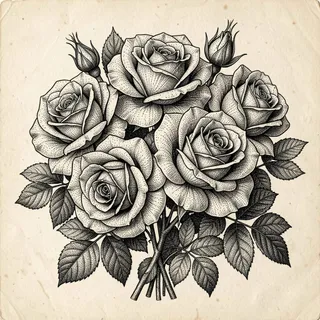
Stippling art is a drawing technique that creates images, textures and shading using thousands of tiny dots instead of lines or solid areas.
It is the practice of creating an image entirely from dots ~ no lines, no shading strokes, just countless tiny points placed with intention until they bloom into form. At its heart and essence, it’s a form of meditation disguised as technique.
✦ The Core Idea
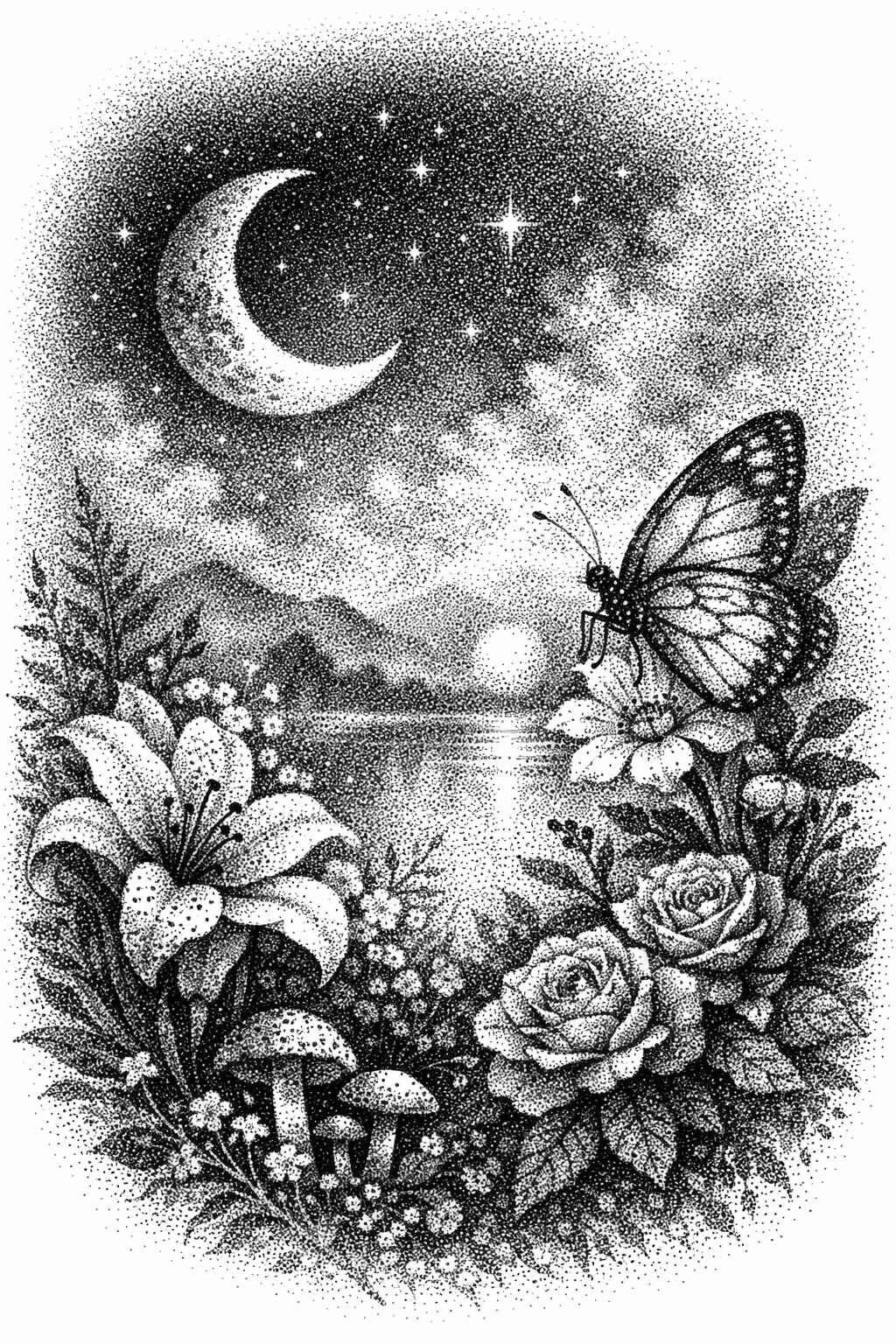
Stippling uses density of dots to create value:
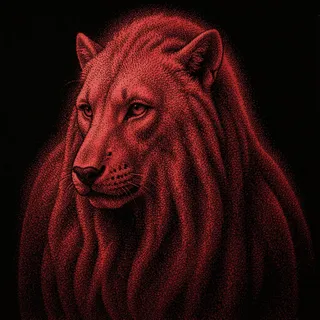
More dots clustered together → darker areas
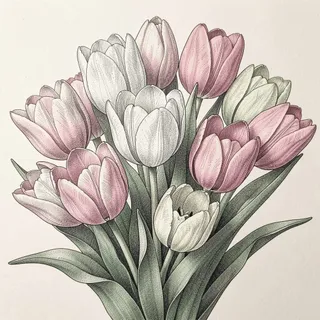
Fewer dots spaced apart → lighter areas
Patterns of spacing → texture, depth, atmosphere
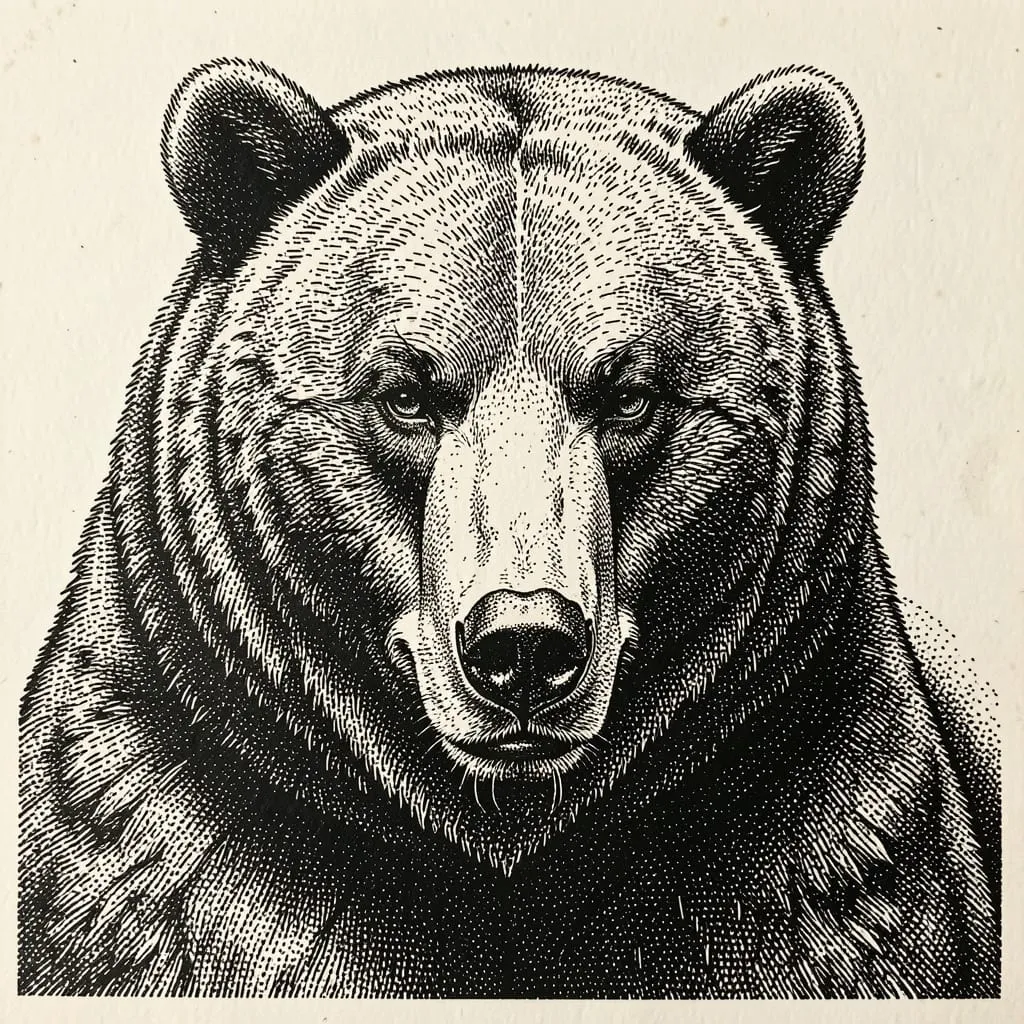
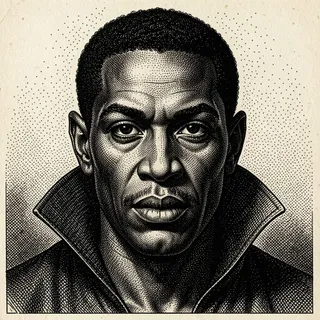
From a distance, the eye blends the dots into smooth gradients. Up close, you see the constellation of marks that built the illusion.
✦ Why Artists Love It
Stippling is slow, deliberate, and rhythmic. It rewards patience and precision. Many artists describe it as:
A grounding practice
A way to train the eye to see value
A method that gives drawings a soft, almost ethereal realism
A technique that feels like building a world grain by grain
It’s especially popular in ink drawing, botanical illustration, tattoo design, and surreal or symbolic art ~ because dots can create a velvety, dreamlike texture that lines can’t.
✦ How It Works in Practice
Most stippling is done with:
Fine‑tip pens (0.05–0.2 mm)
Digital brushes that mimic ink dots
Sometimes graphite or paint, though ink is the classic medium
Artists build the image in layers:

Outline lightly (or mentally hold the form)
Place dots in the darkest regions first
Expand outward, adjusting density
Refine transitions so shadows feel smooth and dimensional
It’s less about drawing things and more about drawing light.
✦ The Feel of Stippling
There’s something poetic about it:
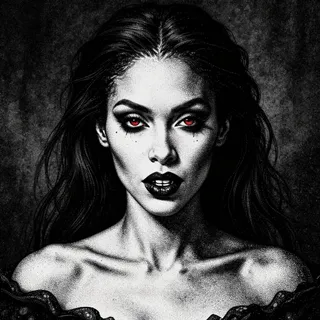
You’re creating an entire world out of tiny, almost insignificant marks ~yet together they become something whole, something luminous. It mirrors how recall and recollection works, how stories accumulate, how identity forms from small moments.
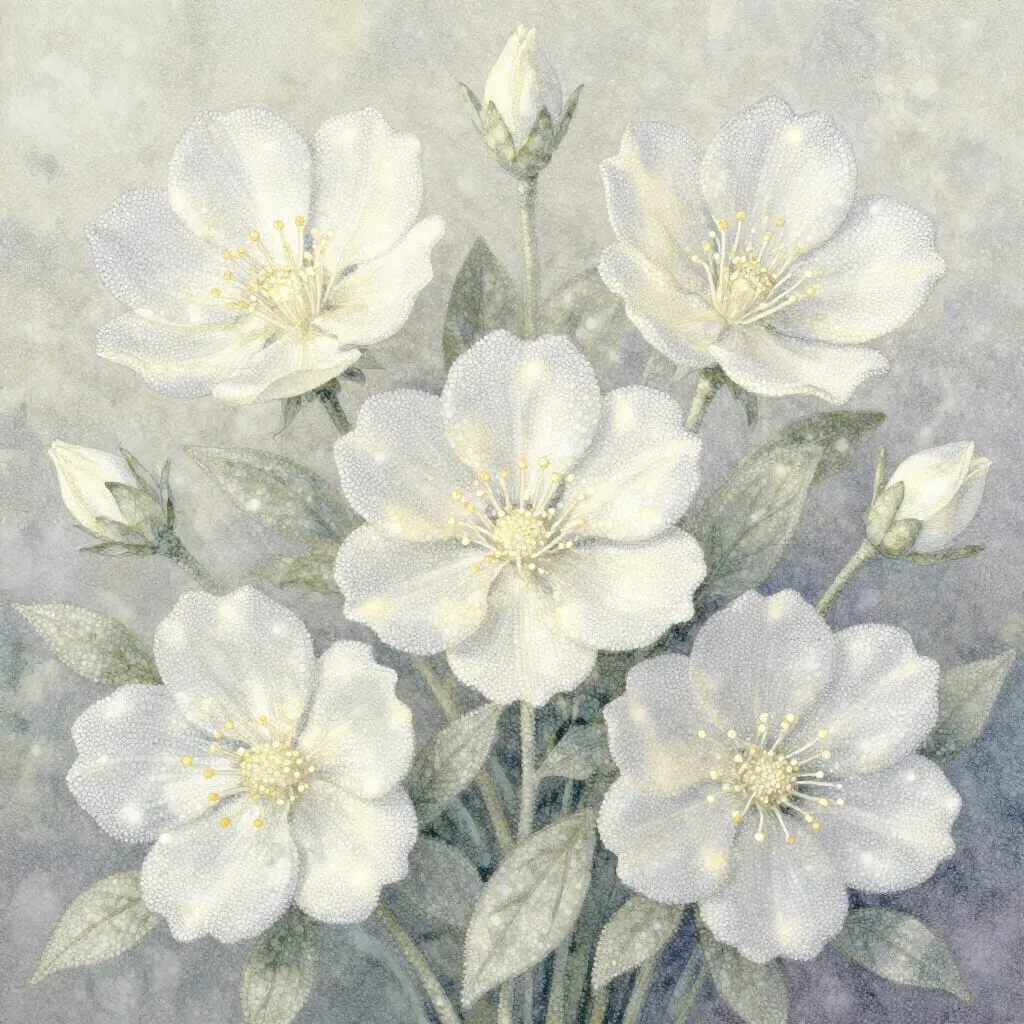
✦ It's beauty in dots...distinct dots on a surface to build up an image, create depth, and simulate light and shadow. The closer the dots are, the darker the area appears; the farther apart, the lighter it looks. Artists can use pens, pencils, ink, or even digital tools to apply the dots, allowing for precise control over tone and texture
This method requires patience and a steady hand, as detailed pieces can take hours to complete. Beginners often practice on test sheets to experiment with dot spacing and shading before working on the final piece
History
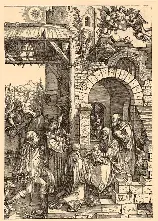
Stippling has a long history in art. It was first developed in printmaking and engraving, with early use by artists like Giulio Campagnola in the 16th century and later perfected in the 18th century by Francesco Bartolozzi. The technique influenced movements such as Renaissance engraving and later inspired pointillism in the 19th century, where artists like Georges Seurat and Paul Signac adapted dot-based methods using paint.
Appeal and Applications
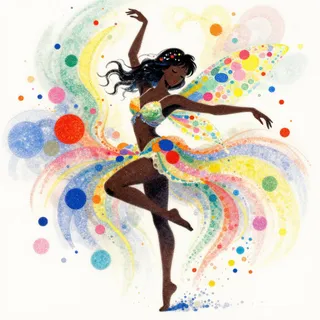
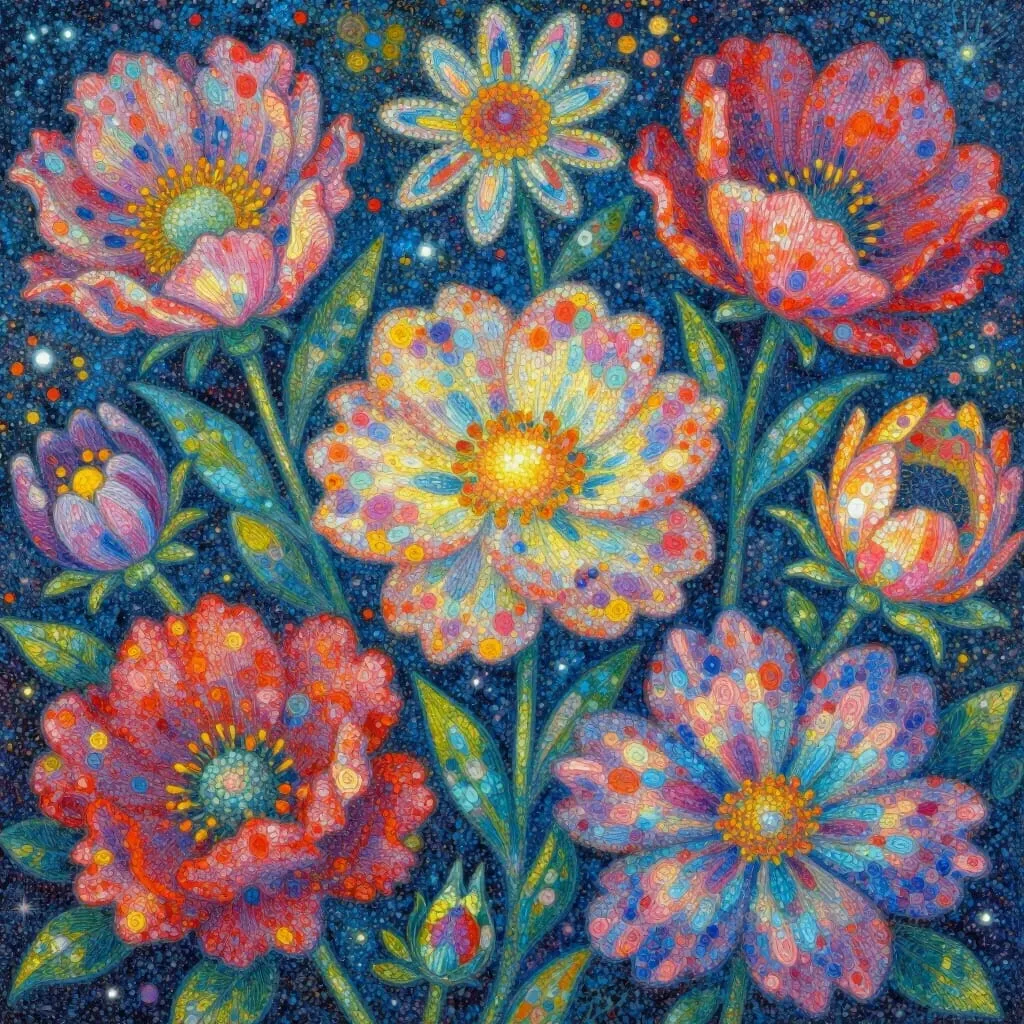
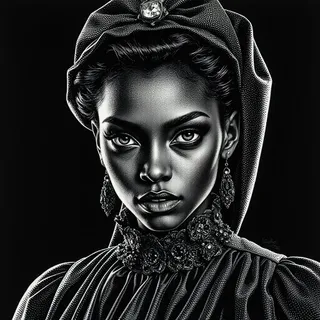
One can appreciate Stippling for its visual texture, subtle gradations, and meditative process. It allows artists to create highly detailed and realistic images, from portraits to landscapes, and is accessible to both beginners and experienced artists. The technique is versatile, working well in monochrome or color, and can be combined with other methods like crosshatching for enhanced effects.
Crosshatching: is a drawing technique that uses intersecting lines to create shading, texture, and depth in artwork.
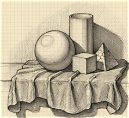
Stippling as a form of art can transform simple dots into intricate, textured images, offering both a visually striking result and a relaxing, methodical creative process.
✦✦✦✦
About the Creator
Novel Allen
Existing in mist and shadow. Neutrally Abstract.
Enjoyed the story? Support the Creator.
Subscribe for free to receive all their stories in your feed. You could also become a paid subscriber, letting them know you appreciate their work.
Comments
There are no comments for this story
Be the first to respond and start the conversation.