Techniques
The Art of Living: Cultivating Mindfulness in a Chaotic World
In today's fast-paced and chaotic world, finding moments of peace and clarity can seem like an elusive task. We are constantly bombarded with information, distractions, and the pressures of modern life. In the midst of this chaos, cultivating mindfulness has become more important than ever. Mindfulness, often associated with meditation and awareness, offers a pathway to navigate the challenges of the world with grace and presence.
By Aaditya Bhattarai3 years ago in Art
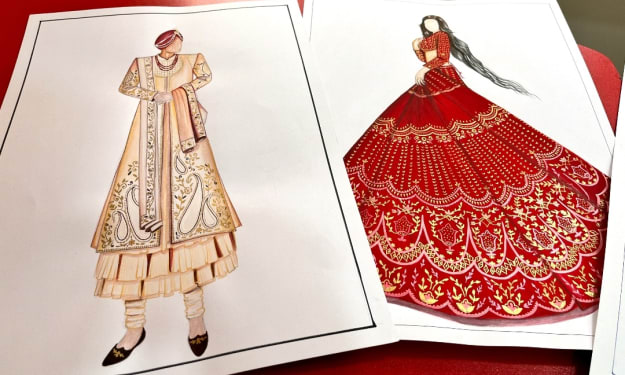
The Importance of Illustration in Fashion Design
Fashion illustration serves as a powerful tool for fashion designers, allowing them to express their creative ideas and communicate their vision effectively. Beyond being a form of artistic expression, fashion illustration plays a pivotal role in the design process. It aids in concept development, collaboration, and promotional activities. In this article, fashion illustrators are discussed in terms of their multifaceted benefits. A key role it plays in enhancing brand promotion, facilitating communication, and unleashing creativity is explored in this lesson.
By IIFD Chandigarh3 years ago in Art
"Symbiosis: Harnessing Technology for a Sustainable Future"
Introduction: In the ever-evolving landscape of technology, a question arises: Can we strike a balance between progress and nature? As we witness rapid advancements in various technological domains, we must also ponder the impact they have on our environment. However, amidst concerns about ecological degradation, a new wave of innovation has emerged—one that embraces sustainable practices and seeks to harmonize technology with the natural world. In this article, we will explore the vision of a future where technology and nature coexist in perfect harmony, creating a world that resembles a modern-day paradise.
By Literary fusion3 years ago in Art
"The Legendary Guardian: Cristiano Ronaldo's Heroic Journey"
In the picturesque island of Madeira, Portugal, a young boy named Cristiano Ronaldo came into this world. From the moment he took his first breath, it was evident that he was destined for greatness. Born into a humble family, his childhood was filled with love, but financial struggles were a constant presence.
By Literary fusion3 years ago in Art
The Art of Food Photography
In the age of social media and culinary exploration, food photography has become a ubiquitous and powerful form of visual communication. From mouth-watering dishes in cookbooks to tantalizing menus on restaurant websites, captivating food photography has the ability to evoke emotions, spark cravings, and inspire culinary adventures. However, creating stunning food photographs requires more than just a keen eye and a camera. It is an art form that requires careful consideration of composition, lighting, styling, and storytelling.
By Eazy Practiz3 years ago in Art
A Journey of Trust
Once upon a time in a small town, there lived a service provider named Emily. She ran a small but dedicated business, offering personalized handmade crafts to her clients. Emily strongly believed in the power of trust, respect, and transparency, and she strived to build strong relationships with her clients.
By Okonji Nwafor Friday 3 years ago in Art
The Art of Celebrity Tattoos
Celebrity tattoos have become a fascinating aspect of popular culture, capturing the attention of fans and critics alike. These inked icons, adorning the bodies of famous actors, musicians, and athletes, go beyond mere fashion statements. Each tattoo holds a profound story and symbolic significance, making them intriguing works of body art. In this article, we delve into the artistry of celebrity tattoos, unraveling the captivating stories and hidden meanings behind these iconic inked masterpieces.
By Mystic World3 years ago in Art
Unleashing the Creative Potential: How AI Empowers Artistic Expression
Introduction Artificial intelligence (AI) is making its impact in fields like healthcare and economics as well as in the sphere of creativity and creative expression in a society driven by technological breakthroughs. AI doesn't threaten human creativity at all, despite what some people may think. AI has the potential to enhance our creative capacities by providing new resources, ideas, and opportunities for artistic discovery. This essay explores how AI is supporting innovation, changing the creative landscape, and broadening the possibilities for artistic expression.
By Enos Odera3 years ago in Art
Unearthing Gold: Handmade Techniques in South Africa's Mining Industry
South Africa is renowned for its rich mineral resources, particularly gold. Throughout history, the country's mining industry has played a vital role in its economy, contributing significantly to its growth and development. While modern technologies and large-scale mining operations dominate the industry today, it is essential to recognize the historical significance of handmade techniques in gold extraction. This article delves into the art and science of gold extraction through traditional handmade techniques that have been employed by skilled miners in South Africa for centuries. By exploring the historical context, processes, and cultural impact, we shed light on the intricate methods used to extract gold manually. Historical Context The history of gold mining in South Africa dates back to ancient times. Indigenous peoples, such as the San and the Tswana, were the first to discover gold deposits in the region. However, it was the arrival of European settlers and the subsequent Witwatersrand Gold Rush in the late 19th century that led to a significant boom in gold mining activities. During this period, early miners employed handmade techniques to extract gold from the earth. These methods, passed down through generations, involved meticulous manual labor and relied on traditional knowledge of geological formations and mineral identification. Hand tools like picks, shovels, and pans were used to unearth gold-rich gravels and ores. Traditional Handmade Techniques 2.1. Prospecting: Prospecting was the initial phase of gold extraction, involving the identification and exploration of potential gold-bearing areas. Skilled prospectors relied on their knowledge of geological indicators, such as rock formations and water sources, to locate promising sites. Through careful observation and experience, they could identify the presence of gold based on visual cues or by panning for alluvial gold in streams and rivers. 2.2. Hand Digging: Once a gold-rich deposit was discovered, miners used hand tools to excavate the earth manually. Hand digging involved the labor-intensive process of breaking up rocks and soil using picks and shovels. Miners would create narrow tunnels and shafts, working in precarious conditions to reach deeper layers where gold veins were present. 2.3. Ore Crushing and Grinding: After extracting ore from the mines, miners employed various techniques to crush and grind the rocks into smaller particles. Initially, simple tools like handheld hammers were used, but as technology advanced, more efficient methods like stamp mills were introduced. Stamp mills utilized heavy metal stamps to pulverize the ore, facilitating the release of gold particles. 2.4. Panning and Sluicing: Panning and sluicing were essential techniques for separating gold from the surrounding sediment or ore. Miners would use shallow pans or wooden troughs called sluices, which allowed the lighter sediment to wash away, while heavier gold particles settled at the bottom due to their high density. This process required skillful manipulation of water flow and careful observation to ensure the retention of fine gold. 2.5. Amalgamation: Amalgamation was a widely used technique for extracting gold by combining it with mercury. Miners would mix mercury with crushed ore, forming an amalgam that trapped gold particles. Subsequently, the amalgam was heated, evaporating the mercury and leaving behind the gold. Although effective, this technique posed significant health and environmental risks due to mercury's toxicity. 3. Cultural Impact and Legacy The handmade techniques employed in South Africa's gold mining industry not only shaped the nation's economy but also left an indelible cultural impact. The artistry and skill required in these traditional methods created a unique cultural heritage that is cherished to this day. 3.1. Artisanal Craftsmanship: Handmade gold extraction techniques showcased the craftsmanship and ingenuity of South African miners. The meticulous work involved in prospecting, digging, and processing the ore required expertise and a deep understanding of the geological landscape. This craftsmanship was passed down through generations, forming a rich cultural tradition. 3.2. Cultural Identity: Gold mining became deeply embedded in the cultural identity of communities living near mining regions. The knowledge and techniques associated with gold extraction were shared among family members and local communities, fostering a sense of shared heritage and pride. Traditional rituals and ceremonies often accompanied mining activities, further reinforcing the cultural significance of gold mining. 3.3. Economic Empowerment: Handmade techniques provided opportunities for economic empowerment, particularly for marginalized communities. Small-scale miners, often operating independently or in small groups, could engage in gold mining without the need for large investments in machinery or infrastructure. This allowed individuals to generate income and support their families, contributing to local economies. 3.4. Social Dynamics: Gold mining communities developed their social dynamics, creating tight-knit networks and support systems. Miners often formed cooperatives or associations to pool resources, share knowledge, and protect their rights. These social structures promoted solidarity and collective decision-making, strengthening community bonds. 3.5. Historical Significance: The handmade techniques used in South Africa's gold mining industry hold historical significance as a testament to the resilience and determination of early miners. Their labor-intensive methods played a pivotal role in the development of the mining industry, shaping the trajectory of South Africa's economy and its position as a global gold producer. The handmade techniques employed in South Africa's gold mining industry represent a unique blend of art, science, and cultural heritage. These traditional methods, passed down through generations, played a crucial role in unearthing the country's vast gold reserves. They reflect the resourcefulness and ingenuity of early miners who relied on their knowledge, skills, and manual labor to extract gold from the earth. While modern technologies and large-scale mining operations dominate the industry today, it is essential to acknowledge and preserve the cultural legacy of handmade techniques. They not only contributed to the economic growth of mining communities but also shaped the cultural identity of South Africa. By understanding and appreciating the artistry and craftsmanship involved in these traditional methods, we can honor the historical significance of gold mining in South Africa and celebrate the enduring spirit of those who contributed to its rich mining heritage.
By Rahul Lohiya3 years ago in Art
Rediscovering Passion and Purpose in the World of Science
Mark had always been fascinated by science and had dreamed of becoming a scientist since he was a child. He had excelled in his studies and had gone on to earn a PhD in his field. However, after years of working in academia, he found himself feeling unfulfilled and disillusioned. He had lost touch with the curiosity and passion that had driven him to become a scientist in the first place.
By Daniel Dahlstrom3 years ago in Art