Sculpture
Babylonian history and civilization
In the historical point of view it Babylon a peninsula that render vast knowledge of human act . Babylonian history and civilization has composed significantly . Archaeologist discovered huge evidences of its history and civilization in the territory of Mesopotamia or present Iraq.The city was referenced with awe by ancient Greek writers and was reportedly the site of the Hanging Gardens of Babylon, one of the Seven Wonders of the Ancient World. Its reputation has been tarnished by the many unfavorable references to it in the Bible beginning with Genesis 11:1-9 and the story of the Tower of Babel associated with the ziggurat of Babylon.
By Tusher Enam2 years ago in Art
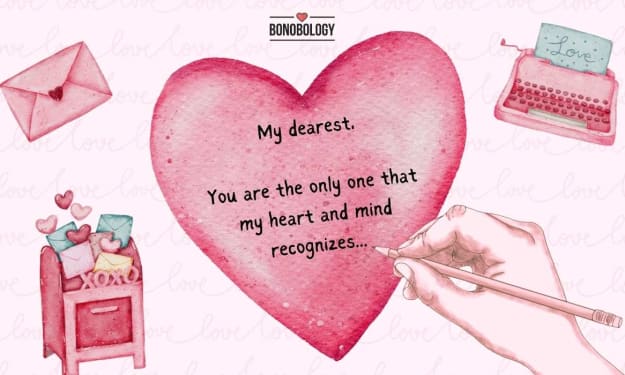
Love Letters Through Time: A Journey of the Heart
Ancient Beginnings: The Dawn of Love Letters The tradition of writing love letters can be traced back to ancient civilizations, where love was often celebrated in poetic and written form. One of the earliest examples comes from the ancient Egyptians, who crafted love letters on papyrus. These letters were filled with endearing terms, promises, and sentiments that mirror the romantic expressions we find today. While the tools of communication have evolved, the core emotions remain strikingly similar.
By Malik Kashif2 years ago in Art
Dirty Money Unmasked
From Capone to Crypto: The Wild World of Money Laundering Picture this: the roaring 1920s, jazz echoing in speakeasies, and a notorious gangster, Al Capone, at the helm of a vast criminal empire. Capone wasn’t just a name; he was a legend who ruled over a network of illegal gambling dens, bootlegging operations, brothels, and extortion rings. At his peak, his underground ventures were raking in nearly $100 million a year – the equivalent of about $1.4 billion in today’s dollars. Yet, when the law finally caught up with him, the only charge that stuck was tax evasion. Why? Because the actual cash from his empire was nowhere to be found.
By Eyo Otoabasi2 years ago in Art
Chunk Out the Chaos: Mastering Memory One Piece at a Time
Chunk It Up: Unlocking the Magic of Memory Ever glance at a string of numbers like 081127882 and feel your brain rebel? That seemingly random sequence might intimidate at first, but here’s a secret: break it down into bite-sized pieces. Split it into 081 127 882, and suddenly it transforms from a daunting jumble into a set of manageable, memorable chunks. This simple trick is known as “chunking,” a powerful mental strategy that turns overload into clarity.
By Eyo Otoabasi2 years ago in Art
Trending Wedding Rangoli Designs You Can’t Miss!
A wedding is one of the most memorable and joyous occasions in life, and every detail counts when it comes to making it special. From the décor to the ambiance, everything should reflect beauty, tradition, and celebration. One of the most artistic and colorful ways to enhance wedding décor is by creating breathtaking rangoli designs. These intricate patterns not only add charm to the venue but also hold deep cultural significance, symbolizing prosperity, positivity, and good luck.
By Shaadi Dukaan2 years ago in Art
AI image prompt
A Captivating Tapestry of Light and Emotion Envision a place where reality and dreams entwine under a gilded sky, forming a realm that radiates both mystery and warmth. At the heart of this landscape, a single focal point captures the eye: an otherworldly structure shaped by nature’s own artistry. Its surfaces glow with gentle highlights, while the surrounding shadows lend depth and drama. In the foreground, subtle details—delicate flowers swaying in the breeze, smooth stones reflecting faint luminescence—offer an invitation to linger and explore. A soft haze drifts across the scene, weaving misty tendrils that heighten the sense of distance and wonder.
By Joshua Happiness2 years ago in Art
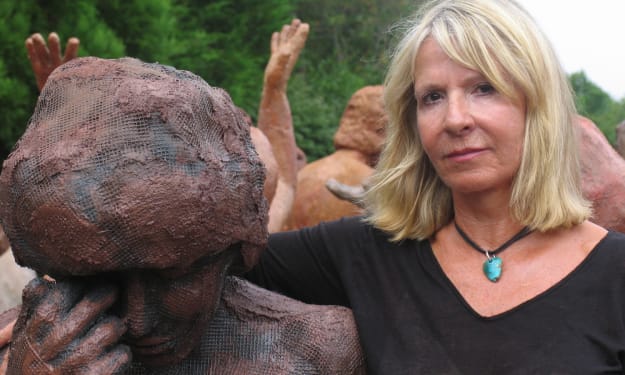
This is Suse Lowenstein. Top Story - February 2025.
Four years ago, I wrote of a time/circumstance that told of a very dark place of which I was going through...a transition that I had not wanted to experience. But sometimes, neither dread nor prayers can prevent that part of life.
By Shirley Belk2 years ago in Art
Royal & Minimal Mehndi Designs for Grooms – Wedding Special
Mehndi is no longer just a bridal tradition; grooms are embracing the beauty of henna designs to add a touch of elegance and culture to their wedding look. From simple and minimal patterns to intricate and royal motifs, Groom Mehndi Designs are now a popular wedding trend. Whether you want a subtle design that complements your outfit or a bold statement pattern to impress your bride, there are countless styles to choose from.
By Shaadi Dukaan2 years ago in Art
Decorative Objects: The Intersection of Art and Function
Decorative Objects are an essential aspect of interior design, providing both aesthetic value and a sense of personality to a space. These items transcend mere functionality, acting as conversation starters, mood enhancers, and reflections of the taste and preferences of the people who live in the space. From sculptures and vases to throw pillows and lamps, decorative objects allow individuals to infuse their environment with creativity, culture, and style.
By Studio Renaissance2 years ago in Art
The Power of Minimalist Art: Simplicity as Expression
Minimalist art is a movement that embraces simplicity, clarity, and the power of negative space. It rejects excessive detail and focuses on the essence of form, color, and composition. Emerging in the mid-20th century, minimalism became a response to the complexity of modern life, offering a visual retreat into purity and balance. In this article, we will explore the history of minimalist art, its key characteristics, famous artists, and how it continues to shape contemporary creative fields. --- 1. The Origins of Minimalist Art Minimalism emerged as a reaction against the expressive, emotionally charged works of Abstract Expressionism. Artists sought to remove all unnecessary elements and create art that was objective and free from personal interpretation. Influences on Minimalist Art: The Bauhaus movement, which emphasized function and simplicity. The Zen philosophy of reducing everything to its core essence. Modern architecture, which favored clean lines and open spaces. Key Figures in Minimalist Art: Frank Stella (b. 1936): His “Black Paintings” featured simple geometric patterns. Donald Judd (1928–1994): Known for his industrial, sculptural forms. Agnes Martin (1912–2004): Created soft, meditative grid paintings. These artists helped define minimalism as an artistic philosophy that values restraint and clarity. --- 2. Key Characteristics of Minimalist Art Minimalist art can take many forms, but it often follows these principles: Simplicity: Only the essential elements remain—no unnecessary details. Geometric Shapes: Circles, squares, and lines are common. Limited Color Palette: Often uses black, white, and neutral tones. Repetition and Patterns: Repeated shapes and forms create rhythm. Use of Negative Space: The empty areas are as important as the filled ones. These characteristics create a sense of balance and tranquility in minimalist art. --- 3. Psychological and Philosophical Impact of Minimalism Minimalist art is not just about aesthetics—it also carries deeper meanings. Encourages Focus and Mindfulness: The simplicity invites calmness and reflection. Symbolizes Order and Clarity: Minimalism represents the idea that less is more. Challenges Traditional Art: It shifts the focus from storytelling to pure form. Eliminates Distractions: Forces viewers to engage with the artwork’s core message. Minimalism is often seen as a meditation on space, silence, and the beauty of reduction. --- 4. The Influence of Minimalist Art on Modern Design Minimalism has shaped many creative fields beyond painting and sculpture, including: Architecture: Clean, open spaces with simple forms. Interior Design: Neutral colors, functional furniture, and uncluttered spaces. Graphic Design: Simple typography and bold use of white space. Fashion: Monochromatic styles and sleek, structured silhouettes. Minimalist principles continue to influence the way we experience art and design in everyday life. --- 5. How to Create Minimalist Art Want to experiment with minimalist art? Here are some tips: Limit Your Color Palette: Use just one or two colors. Focus on Basic Shapes: Keep forms clean and geometric. Embrace Negative Space: Let the empty areas be part of the design. Use Repetition: Repeated elements create a sense of harmony. Remove the Unnecessary: Ask yourself if each detail is essential. Minimalist art is about intentionality—every line, shape, and color must have a purpose. --- Conclusion: The Timeless Appeal of Minimalism Minimalist art proves that sometimes, the simplest things can have the deepest impact. By stripping away excess, it allows viewers to focus on what truly matters. Whether in painting, design, or daily life, minimalism encourages clarity, mindfulness, and the beauty of simplicity. Next time you encounter a minimalist artwork, take a moment to appreciate its quiet power—because in minimalism, every detail speaks volumes.
By Hridoy Hasan2 years ago in Art
The Evolution of Abstract Art: Beyond the Visible
Abstract art is one of the most revolutionary movements in modern art history. Unlike traditional art forms that represent people, landscapes, or objects, abstract art focuses on colors, shapes, and emotions rather than direct visual references. This movement allows both artists and viewers to experience freedom of interpretation, making each piece unique in meaning. In this article, we’ll explore the origins of abstract art, its evolution over time, major artists, key techniques, and how it continues to influence contemporary creativity. --- 1. The Birth of Abstract Art Abstract art emerged in the early 20th century as artists sought to move beyond realistic depictions and explore the essence of form and color. Influences on Abstract Art: The desire to break away from traditional representational art. The rise of modern science, which questioned reality and perception. The impact of music, which conveys emotion without direct representation. Pioneering Artists: Wassily Kandinsky (1866–1944): Considered the father of abstract art, he believed colors and shapes had their own emotional power. Piet Mondrian (1872–1944): Developed a geometric style using grids and primary colors. Kazimir Malevich (1879–1935): Created Suprematism, focusing on pure geometric forms. These artists helped define abstraction as a legitimate and powerful artistic movement. --- 2. Key Characteristics and Techniques of Abstract Art Abstract art takes many forms, but it generally follows certain principles: No Direct Representation: Abstract art does not depict realistic objects or scenes. Emphasis on Color and Form: Shapes, lines, and colors create mood and meaning. Expression of Emotion: Artists use abstraction to convey feelings rather than concrete ideas. Freedom of Interpretation: Each viewer may see and feel something different. Use of Texture and Movement: Brushstrokes, layering, and mixed media add depth. These techniques allow artists to break from tradition and create limitless possibilities. --- 3. Psychological and Emotional Impact of Abstract Art Though abstract art may seem random, it often evokes deep emotions and intellectual responses. Encourages Personal Interpretation: Viewers bring their own experiences to the artwork. Stimulates Creativity and Imagination: Abstract compositions invite exploration. Triggers Emotional Responses: Colors and forms influence mood and perception. Challenges Traditional Thinking: Abstract art pushes boundaries and encourages new ways of seeing. This freedom makes abstract art one of the most thought-provoking forms of artistic expression. --- 4. Abstract Art’s Influence on Modern Creativity Abstract art has shaped various fields beyond painting, including: Architecture: Modern buildings embrace abstract forms and asymmetry. Fashion: Abstract patterns and bold color choices dominate clothing design. Graphic Design: Minimalist and abstract compositions define contemporary branding. Digital Art: Abstract techniques thrive in motion graphics and interactive media. Abstract art continues to evolve, influencing how we engage with visual culture today. --- 5. How to Create Abstract Art Want to experiment with abstract art? Here are some creative approaches: Focus on Emotion: Let your feelings guide your brushstrokes. Experiment with Colors: Choose hues that evoke different moods. Play with Shapes and Lines: Geometric or organic forms can create unique compositions. Use Texture and Layers: Try different materials to add depth. Embrace Spontaneity: Don’t be afraid to let go and paint freely. Abstract art is about self-expression—there are no rules, only possibilities. --- Conclusion: The Infinite Possibilities of Abstraction Abstract art invites us to see beyond the visible, explore new ideas, and embrace the unknown. Whether through bold colors, geometric designs, or fluid movements, abstraction challenges our perception and expands our understanding of artistic expression. Next time you encounter an abstract painting, take a moment to experience it without searching for meaning—sometimes, the beauty lies in the unknown.
By Hridoy Hasan2 years ago in Art