Illustration
Papua New Guinea
Papua New Guinea (PNG), a tropical paradise in Oceania, is an island country situated in the southwestern Pacific. Known for its rugged terrain, dense rainforests, diverse wildlife, and vibrant indigenous cultures, PNG is a country where tradition and natural beauty intersect. It occupies the eastern half of the island of New Guinea, sharing a border with Indonesia to the west. This fascinating nation is home to around 850 different languages, representing one of the most linguistically diverse places in the world, and is inhabited by people who maintain a deep connection with nature, including the country’s famous symbol: the Bird of Paradise. Geography and Biodiversity Papua New Guinea's landscape is strikingly diverse, with mountainous highlands, active volcanoes, extensive river systems, and coastal lowlands. Much of the country remains unexplored, as dense rainforests cover over 70% of its land area. This unique geography supports an incredibly rich biodiversity, boasting over 20,000 species of plants, thousands of insects, and hundreds of reptiles, mammals, and birds. Among PNG’s most iconic and captivating creatures are its birds. Bird enthusiasts and naturalists worldwide are drawn to the country’s forests, as they provide a habitat for more than 700 bird species. PNG is a dream destination for anyone interested in ornithology, with perhaps the most famous and admired of these birds being the Bird of Paradise. With their striking plumage, elaborate courtship displays, and almost mythical beauty, these birds are an embodiment of PNG’s natural allure. The Birds of Paradise: National Treasures The Bird of Paradise family, scientifically known as Paradisaeidae, includes around 42 species, most of which are native to New Guinea and its surrounding islands. These birds are famed for their vibrant colors, intricate feather patterns, and elaborate dances and displays. Each species has its own unique appearance and courtship behaviors, with males often sporting extravagant plumage to attract females. Their feathers come in an array of colors, including iridescent blues, greens, reds, yellows, and purples, often forming long, graceful tails, feather "capes," or plumes. The Birds of Paradise have not only captivated scientists and nature lovers but also play a significant role in the cultural heritage of Papua New Guinea. For centuries, their feathers were used in traditional ceremonies, particularly in the highlands, where headdresses adorned with Bird of Paradise feathers symbolize status and beauty. Although traditional hunting for ceremonial purposes has declined, the Bird of Paradise remains a revered symbol of PNG, even appearing on the national flag and currency. The Evolutionary Marvels of the Birds of Paradise The Birds of Paradise are an extraordinary example of evolution. Because PNG’s rainforests are so remote, species evolved without many predators, allowing the birds to develop bold colors and intricate feathers, traits that might be dangerous in a more predator-rich environment. Charles Darwin himself was fascinated by these birds, as they provided him with evidence of sexual selection—the idea that certain traits evolve not for survival advantages, but to attract mates. In the case of Birds of Paradise, males evolved elaborate plumage and complex courtship behaviors to compete for female attention. In particular, species like the Raggiana Bird of Paradise, PNG’s national bird, exhibit breathtaking mating displays. During these displays, males will fluff up their chest feathers, perform dances, and make unique vocalizations to draw the attention of nearby females. These mating rituals are both competitive and highly ritualized, often lasting hours as males compete for the opportunity to pass on their vibrant genes. Conservation and Ecotourism While PNG’s Birds of Paradise have thrived in the nation’s dense forests, they are not immune to modern environmental threats. Deforestation, mining, and agricultural expansion pose serious risks to the birds’ habitats. Additionally, illegal hunting has been a concern, though this has decreased in recent years due to conservation efforts and education about the birds' ecological importance. Fortunately, growing awareness around conservation and a burgeoning ecotourism industry are helping protect these birds and their habitats. Birdwatchers from around the world travel to Papua New Guinea to catch a glimpse of these extraordinary creatures in their natural habitat. Organizations like the Papua New Guinea Conservation Trust are working to establish protected areas and promote sustainable tourism, offering locals economic alternatives to activities that damage the environment. Conclusion Papua New Guinea is a land of natural wonders, and the Birds of Paradise are perhaps the most mesmerizing jewels in its ecological crown. These birds not only represent PNG’s natural heritage but also serve as a testament to the beauty and power of evolution. For those fortunate enough to visit, witnessing a Bird of Paradise in the wild is an unforgettable experience, capturing the essence of this vibrant country—a place where ancient cultures and untamed nature coexist in stunning harmony. Through continued conservation efforts and sustainable tourism, PNG aims to protect its breathtaking wilderness and ensure that these national treasures continue to dazzle future generations.
By Grace Guise2 years ago in Art
Angelic Wonder Under the Tree of Eternal Love
In the heart of a lush forest, where the sun's rays danced through the leaves, stood the magnificent Tree of Eternal Love. This tree was no ordinary tree; it was said to have been planted by the hands of the angels themselves, its branches reaching up towards the heavens, its roots delving deep into the earth.
By Angelina Vasas2 years ago in Art
The Ultimate Guide to Collecting Antique Chairs
Antique chairs are not just functional pieces of furniture; they represent art, history, and craftsmanship that have stood the test of time. Whether you're drawn to the elegance of a Savonarola chair or the rustic charm of antique bamboo chairs, these timeless pieces can elevate the style of any room. Collecting antique chairs is an exciting journey that combines passion for history with an eye for design. With the rise of online auctions, such as Bidsquare, finding rare and valuable antique chairs has never been more accessible.
By Chris Bale2 years ago in Art
Jodhpur to Ranthambore Distance Routes & Travel Tips
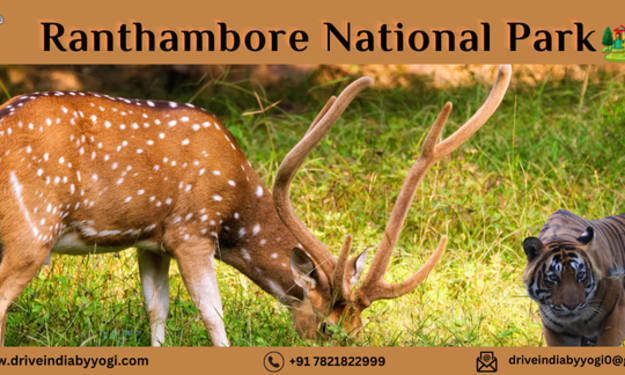
How to Travel from Jodhpur to Ranthambore: Distance, Routes, and Tips Planning a trip from Jodhpur to Ranthambore? Whether you’re seeking an adventurous safari experience or a relaxing escape into nature, Ranthambore has it all. In this blog, we’ll cover the distance, best travel options, sightseeing possibilities along the way, and some frequently asked questions to make your journey hassle-free and enjoyable.
By Yogi India2 years ago in Art
How to Set Up and Teach Art Classes from Your Home
Are you an artist looking to make extra money? Have you considered opening your home studio to others and teaching others how to do art? Running art classes right in your home means you don’t have to spend money on renting space. If you have the right space for doing something like this, then you can offer a more affordable art class for people. You’ll also be able to keep more of the profits for yourself rather than having to pay someone else to use their space.
By Marzan Hossain 2 years ago in Art
The Future of Web Design
The landscape of web design is undergoing a seismic shift, propelled by advancements in artificial intelligence (AI) and automation. These technologies are not only changing how websites are created but also enhancing user experience, optimizing processes, and allowing designers to focus on creativity and innovation. As we look to the future, here are some of the key trends in AI and automation that are shaping the web design industry.
By Desinoir Company2 years ago in Art