Illustration
Nakshi Kantha
Nakshi Kantha: The Embroidered Legacy of Bengal Nakshi Kantha, the traditional embroidered quilt of Bengal, is much more than a household item—it is a canvas of dreams, memories, and cultural heritage, lovingly stitched by the hands of rural women for generations. With roots deeply embedded in the rural life of Bangladesh and West Bengal in India, Nakshi Kantha is a unique form of folk art that blends functionality with storytelling, transforming everyday cloth into a reflection of life’s joys, sorrows, and aspirations. Origins and History The word kantha simply means "quilt" in Bengali, while nakshi is derived from naksha, meaning artistic pattern or design. The tradition of kantha-making dates back to ancient times, with some historians tracing its origins as far back as the 1st or 2nd century BCE. However, the more recognized form of Nakshi Kantha took shape in the 19th century. Traditionally, Nakshi Kantha was created by repurposing old saris, dhotis, and lungis. Women would layer these worn-out fabrics and stitch them together using simple running stitches, often with colorful threads pulled from the borders of the original garments. What began as a way to recycle old clothes gradually evolved into a deeply personal and artistic expression of rural life. The Craft and Techniques The beauty of Nakshi Kantha lies in its simplicity. The primary stitch used is the running stitch, locally known as the "kantha stitch." However, artisans also incorporate other stitches such as chain, herringbone, and satin stitches to add variety and texture. The designs are typically drawn freehand, making each piece unique. Patterns range from geometric shapes and floral motifs to detailed depictions of daily village life, folklore, animals, religious symbols, and mythological tales. These motifs are not random; they often carry cultural symbolism or personal meaning. For instance, a lotus may symbolize purity, while a tree could represent life and continuity. Remarkably, most Nakshi Kantha artisans have no formal training. The skills are passed down from mother to daughter, along with stories, traditions, and a natural sense of design. Types of Nakshi Kantha Over time, various types of Nakshi Kantha have developed, based on their specific uses. Some of the most notable types include: Lep Kantha: Quilted wraps used for warmth. Sujni Kantha: Decorative quilts used during special occasions or as bedspreads. Baiton Kantha: Used for wrapping books and valuable items. Durjani or Thalia Kantha: Small wraps used to carry items or cover plates. Oaar Kantha: Pillow covers. Rumal Kantha: Napkins or handkerchiefs. Each type serves a distinct purpose, but all feature the characteristic embroidery techniques that define Nakshi Kantha. Cultural and Emotional Significance For rural women, making a Nakshi Kantha is more than just sewing—it is a meditative and emotional journey. Women often create these quilts as part of their wedding trousseau, stitching their hopes and dreams for married life into the fabric. Others craft them in memory of loved ones, using fabric from the clothing of the deceased, turning the quilt into a cherished keepsake. Because of this deeply personal nature, each Nakshi Kantha is a narrative—a stitched diary of the maker’s life. Themes of motherhood, nature, domestic scenes, and spirituality often dominate, offering a rich visual record of village life in Bengal. Revival and Modern Adaptations In the latter half of the 20th century, Nakshi Kantha began to decline due to industrialization and changing lifestyles. However, in the 1980s and 1990s, efforts to revive the art form gained momentum, led by NGOs and cultural organizations aiming to preserve traditional crafts and empower rural women. Today, Nakshi Kantha has moved beyond its utilitarian roots and found a place in modern fashion and interior design. Designers now incorporate kantha embroidery into sarees, kurtas, cushion covers, wall hangings, bags, and even Western clothing. This revival has created new economic opportunities for thousands of women, turning a traditional domestic skill into a viable livelihood. Bangladesh has embraced Nakshi Kantha as a symbol of national heritage. In 2008, it was awarded Geographical Indication (GI) status, recognizing its cultural significance and its unique connection to the region.
By Nabir Mondolabout a year ago in Art
modeling
The World of a Professional Model: More Than Just a Pretty Face Behind the glossy pages of magazines, high-fashion runways, and flawless social media images lies the demanding and dynamic world of a professional model. While the industry often highlights glamour and beauty, the truth is that professional modeling is a full-time career that requires discipline, resilience, and a sharp understanding of business and branding. Far from being just about looks, being a model is about professionalism, adaptability, and hard work.
By Gayatri Nagpalabout a year ago in Art
Banjara Market Gurgaon: Discover Unique Home Decor in Gurugram
Unique Home Decor in Gurugram – Discover Treasures at Banjara Market Gurgaon When it comes to adding charm, personality, and a distinct touch to your living space, nothing beats unique home decor. In the bustling city of Gurugram, one destination stands out for its eclectic and affordable range of home furnishings – Banjara Market Gurgaon. Known for its vibrant collection and artisanal products, this market is a treasure trove for those seeking Unique Home Decor in Gurugram.
By Aashika Yadavabout a year ago in Art
Mythical Creatures Toys: Ignite Your Imagination with Dragons, Unicorns, and More
Since the beginning of time, humans have been fascinated with myths and legends. Tales of dragons soaring through the skies, unicorns roaming enchanted forests, and phoenixes rising from ashes have captured the imagination of children and adults alike. Today, one of the most delightful ways to bring these ancient stories to life is through mythical creatures toys. With their whimsical designs and vibrant colors, these toys not only entertain but also nurture creativity and storytelling skills in people of all ages.
By Alice Seoclicksabout a year ago in Art
Beginner’s Guide: 7 Easy 3D Modeling Projects to Kickstart Your Journey
3D modeling is a skill like no other. People can take any two-dimensional idea and make models that look and feel like real life. It is a skill that many nowadays are interested to learn, practice, and grow with. But how can you start making the 3D models come to life?
By Leo Johnsonabout a year ago in Art
The House That Whispers
Sometimes the past doesn’t just linger — it waits. When Elena bought the old farmhouse at the edge of Ashridge Hollow, she thought she’d stumbled onto a miracle. A century-old home for less than the cost of a downtown studio? It was hard not to sign on the dotted line.
By Hamza khanabout a year ago in Art
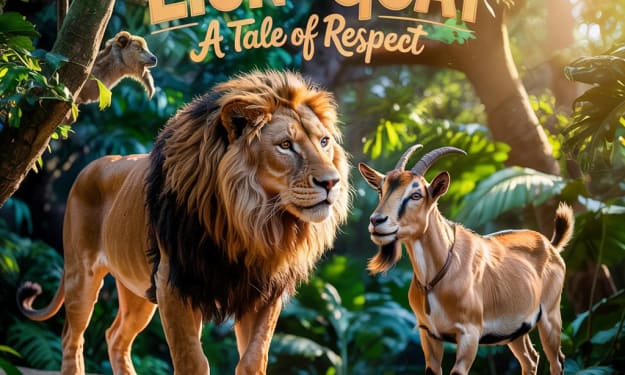
The Lion and the Clever Goat
Once upon a time, deep in the heart of the vast jungle, there ruled a mighty lion named Zor. His golden mane glowed under the sun, and his roar echoed through the trees, sending a shiver down the spine of every creature. Zor had no rival; he was the undisputed king of the jungle. Every animal, from the smallest insect to the tallest giraffe, obeyed his commands without question. His power was unmatched, and his pride was unshakable.
By saqiab khanabout a year ago in Art
Ghibli Art
The Timeless Art of Studio Ghibli: A History of Traditional Animation For decades, Studio Ghibli has captivated audiences with its breathtaking animation, emotionally resonant storytelling, and profound appreciation for nature. From the sweeping landscapes of My Neighbor Totoro to the intricate cityscapes of Spirited Away, Ghibli’s hand-drawn artistry is synonymous with warmth, nostalgia, and wonder. Rooted in traditional animation techniques, the studio’s art continues to inspire generations of artists and animators.
By Saahil Sinhaabout a year ago in Art