History
The Evolution of Digital Art: A New Era of Creativity
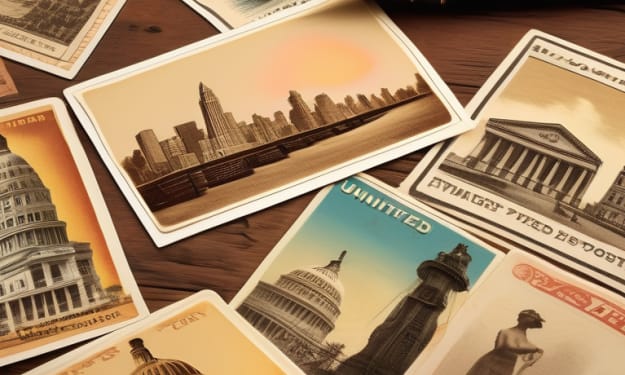
Art has always been a reflection of human creativity and expression. From the earliest cave paintings to the masterpieces of Renaissance artists, the art world has continually evolved. But in the past few decades, a new shift has occurred, thanks to the rapid development of technology: digital art. Digital art is the creation of artwork using digital tools and platforms, such as graphic design software, 3D modeling programs, and digital painting apps. It has revolutionized the way artists create, communicate, and share their work with the world. The Rise of Digital Art The 21st century saw a significant rise in digital tools that allowed artists to break free from traditional mediums. Programs like Adobe Photoshop, Illustrator, and Procreate have become staples in every digital artist’s toolkit. These programs allow for infinite flexibility, offering features like undo/redo, layers, and virtual brushes, which traditional art methods simply can’t match. The ability to create and manipulate art digitally means artists can experiment without fear of ruining their work. The process has become more fluid and forgiving, providing new ways to visualize and experiment with ideas. In addition to this, digital platforms like Behance and DeviantArt have given artists global exposure, enabling them to connect with a wider audience than ever before. The Impact of Social Media on Digital Art One of the key drivers behind the popularity of digital art is the rise of social media. Platforms like Instagram, Pinterest, and TikTok have become crucial spaces for artists to showcase their work. In many ways, social media has democratized art, making it possible for anyone with an internet connection to share their creations with the world. For digital artists, this exposure can lead to new opportunities. From collaborations with brands to commissions from fans, social media has created a thriving economy around digital art. In fact, some artists have gone on to build full-time careers solely through social media platforms, showcasing the enormous potential of digital artistry in today’s world. Digital Art in the Modern Art World Although digital art has existed for decades, it is only in recent years that it has started to gain acceptance in the traditional art world. Digital works are being featured in galleries, auctioned at major events, and even displayed in museums. The integration of digital art into the broader art market is helping to establish its place in the long history of artistic innovation. One of the most exciting developments in the digital art world is the emergence of NFTs (Non-Fungible Tokens). NFTs are digital assets that use blockchain technology to verify ownership, allowing artists to sell their work directly to buyers while ensuring authenticity. NFTs have opened up a new avenue for artists to monetize their digital creations, creating a new frontier for art collectors and artists alike. Challenges and Criticisms Despite its rise, digital art is still often misunderstood. Some critics argue that digital art lacks the "soul" of traditional art, as it doesn’t involve physical mediums like paint or clay. Additionally, the idea that digital artwork can be reproduced infinitely challenges traditional notions of uniqueness and originality. However, these criticisms are being challenged as digital art continues to evolve. With the advent of NFTs, each digital artwork can now be uniquely identified and owned, similar to a physical artwork. Furthermore, many digital artists combine digital and traditional techniques, blurring the lines between the two worlds. The Future of Digital Art As technology continues to advance, so too will the possibilities for digital art. Virtual reality (VR) and augmented reality (AR) are already being integrated into the world of art, allowing artists to create immersive, interactive experiences that transcend the limitations of traditional art forms. AI-generated art is also a growing trend, with programs like DeepArt and Artbreeder allowing creators to use artificial intelligence to generate entirely new images or even collaborate with AI to produce unique works. While this raises questions about authorship and creativity, it also expands the boundaries of what is possible in art. In the future, we may see even more groundbreaking innovations, as digital tools continue to evolve, offering artists new ways to create, share, and sell their work. The digital art world is an exciting space, and we are only just beginning to scratch the surface of its potential. --- Conclusion: Digital art is not just a trend; it is the future of artistic expression. It has reshaped how art is created, shared, and consumed. As technology continues to evolve, digital art will continue to break boundaries and inspire the next generation of artists.
By Hridoy Hasan2 years ago in Art
Top 10 Most Beautiful Libraries Around the World: Stunning Architectural Gems for Book Lovers. AI-Generated.
Libraries are more than mere repositories of books; they are sanctuaries of knowledge, architectural masterpieces, and reflections of human creativity. From historic treasures to futuristic designs, libraries have been inspiring visitors for centuries. In this article, we explore ten of the most beautiful libraries around the world that every book lover and architecture enthusiast should know about.
By Sadia Kabir2 years ago in Art
Sloppy handwriting by doctors is responsible for over 7,000 deaths every year.
Illegible Scrawl: How Doctors' Handwriting Kills Thousands Yearly The clarity of a doctor's handwriting can be a matter of life and death. Surprisingly, a staggering statistic reveals that over 7,000 deaths occur annually due to illegible prescriptions and medical notes. This alarming figure prompts a critical examination of the underlying issues in healthcare communication. Introduction: The Deadly Cost of Poor Penmanship The Shocking Statistic: 7,000+ Deaths Annually Every year, more than 7,000 people die because doctors’ handwriting is hard to read. This fact highlights the devastating consequences of poor penmanship. Misunderstandings can easily happen, especially when medical prescriptions are unclear. A Case Study: Real-Life Consequences of Misinterpretation Consider the case of a patient who received the wrong dosage of medication due to an illegible prescription. This error led to severe complications and ultimately, death. Such incidents are not isolated; they occur frequently, underscoring the urgent need for change. The Human Cost: Beyond the Numbers The impact of illegible handwriting extends beyond statistics. Families suffer emotional trauma, while healthcare providers face guilt and stress. The ramifications ripple through the entire healthcare system, affecting trust and collaboration. The Root of the Problem: Why is Doctor's Handwriting so Bad? Time Constraints and Pressure in Healthcare Healthcare professionals often work long hours under immense pressure. Rapid decision-making leaves little time for careful writing. As a result, clarity often takes a back seat to speed. The Lack of Emphasis on Legibility in Medical Training Medical schools typically focus on clinical skills and knowledge rather than legible handwriting. Consequently, many doctors graduate without mastering the art of clear writing, perpetuating the problem. The Prevalence of Digital Systems vs. Handwriting While digital systems are becoming more common, many healthcare settings still rely on handwritten notes. This blend of digital and handwritten communication can confuse patients and providers alike. Deciphering the Danger: How Illegible Prescriptions Lead to Errors Medication Errors: Dosage, Drug Interactions, and Allergies Illegible prescriptions can result in: Incorrect dosages Dangerous drug interactions Overlooking patient allergies These mistakes can severely impact treatment outcomes and patient safety. Misinterpretation of Test Results and Diagnoses Doctors may misread critical test results or make incorrect diagnoses if they cannot decipher their own notes. In such instances, the consequences can be catastrophic. Impact on Patient Safety and Treatment Effectiveness Patient care hinges on clear communication. Legibility issues undermine the effectiveness of treatment plans and can lead to avoidable complications. The Ripple Effect: Legal and Ethical Implications Medical Malpractice and Legal Ramifications Errors stemming from illegible handwriting can lead to medical malpractice lawsuits. Providers may face significant legal consequences for mistakes that could have been prevented. Erosion of Patient Trust and Confidence Patients expect their healthcare professionals to communicate clearly. When this expectation is not met, trust erodes. Fear of errors can discourage patients from seeking necessary care. The Ethical Obligation for Clear Communication Healthcare providers have a moral responsibility to ensure that their communication is clear. This obligation is vital to maintaining patient safety and delivering effective treatments. Toward a Solution: Strategies for Improvement Implementing Standardized Handwriting Guidelines Creating standard guidelines for handwriting may help improve legibility. Emphasizing clarity in all medical documentation is a crucial step toward better patient outcomes. Encouraging the Use of Electronic Prescribing Systems Adopting electronic prescribing systems can eliminate the problem of illegibility. Technology can streamline communication and ensure that prescriptions are clear and accessible. Technological Advancements and Their Role in Legibility Innovations in healthcare technology can support clear communication. Tools like text recognition software can detect and correct errors, further protecting patients. Protecting Patients: Advocating for Change Patient Empowerment and Self-Advocacy Patients must be encouraged to speak up about unclear instructions or prescriptions. Advocacy plays a key role in ensuring clarity in communication. The Role of Medical Regulatory Bodies Medical boards and organizations should enforce guidelines that mandate legibility. They should also promote educational programs focused on the importance of legible handwriting. Collective Action and Public Awareness Campaigns Raising public awareness about the dangers of illegible handwriting can drive change. Campaigns highlighting this issue can influence both healthcare providers and policy makers. Conclusion: A Call for Legibility in Healthcare Key Takeaways: The Urgency for Change Clear communication is essential in healthcare. The consequences of illegible handwriting are severe, and the time for change is now. The Future of Legible Prescriptions: Technology and Training Integrating technology with proper training can lead to a future where misunderstandings are minimized. Improved legibility can save lives. Protecting Lives Through Clear Communication A commitment to legible handwriting and clear communication in healthcare will uphold patient safety. It's time to prioritize clarity and advocate for systematic change throughout the industry.
By Story silver book 2 years ago in Art
science of knee renewal
Science of knee renewal The science of knee renewal is a fast-growing field that offers hope for knee pain relief. It helps us understand how to keep our joints healthy and reduce pain. This field is based on the newest research in orthopaedics and regenerative medicine.
By Top Services 2 years ago in Art
home doctor brand new book printed
The Home Doctor: Practical Medicine for Every Household is a groundbreaking book designed to empower individuals to take control of their health in everyday situations. Written by experienced medical professionals, this comprehensive guide provides easy-to-follow advice for managing common illnesses, injuries, and emergencies when professional medical care is unavailable. The book is tailored for individuals who value preparedness and want to equip themselves with practical knowledge to handle medical challenges at home. With clear illustrations and step-by-step instructions, readers can learn to address issues ranging from minor cuts and burns to more serious conditions like infections and dehydration.
By Top Services 2 years ago in Art
Painting Gods on Empty Stomachs!
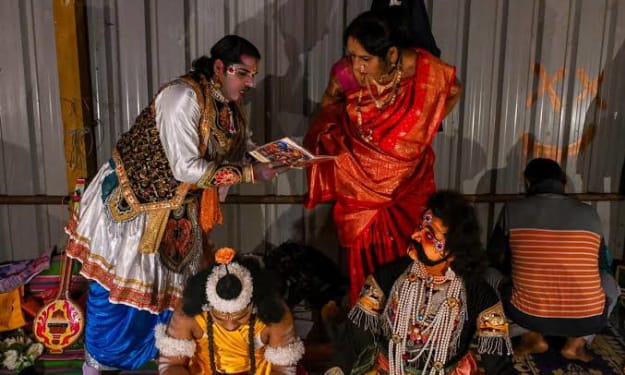
Embodying gods and goddesses It's easy to get caught up in the glamour of performance, especially when it involves ancient stories and vibrant costumes. We see the Dashavatar actors on stage, embodying gods and goddesses, and it's breathtaking. But behind the designed and painted faces and it describes attire lies a reality that often goes unseen, a reality that resonates deeply with the struggles of many in our modern world.
By Kiran Bajulge2 years ago in Art
April 12, 1863
As I sit beneath the flickering glow of this modest candle, the weight of longing settles heavily upon my heart. The war rages on, relentless and unyielding, yet it is not the boom of the cannons nor the clash of steel that troubles me most—it is the unbearable distance between us.
By Anu Official2 years ago in Art