History
The Heart of the Andes
- Andean Beauty The Heart of the Andes is a renowned painting created by the American landscape artist Frederic Edwin Church in 1859. This majestic artwork, measuring approximately 5 feet by 10 feet, captures the sublime beauty of the Andes Mountains in South America. With its meticulous attention to detail and awe-inspiring depiction of nature, The Heart of the Andes remains a masterpiece that continues to captivate viewers even today. Church's painting transports us to the grandeur of the Andes, showcasing the vastness and diversity of the mountain range. The foreground of the artwork presents a lush and vibrant tropical landscape, teeming with dense vegetation, cascading waterfalls, and exotic flowers. The artist skillfully portrays the intricate interplay of light and shadow, lending a sense of depth and realism to the scene. Every leaf, rock, and droplet of water is meticulously rendered, inviting the viewer to immerse themselves in this awe-inspiring environment. As our eyes move from the foreground to the middle ground, we encounter a winding river that cuts through the landscape, leading our gaze towards the distant peaks of the Andes. Church's attention to detail is breathtaking, as he meticulously renders the geological formations, capturing the jagged edges and the play of light on the rocky surfaces. The river's azure waters cascade down the canvas, creating a sense of movement and vitality. It is as if we can hear the gentle rush of the water as it flows through the painting. The centerpiece of The Heart of the Andes is undoubtedly the majestic mountain range that dominates the background. Church's meticulous brushwork conveys the sheer magnitude of the Andes, with snow-capped peaks disappearing into the clouds. The artist portrays the changing atmospheric conditions, from the crisp, clear air at the lower altitudes to the misty, ethereal veils that shroud the highest peaks. This dynamic portrayal of the mountains evokes a sense of awe and reverence, reminding us of the sublime power of nature. Beyond its aesthetic beauty, The Heart of the Andes also reflects the cultural and historical context of the time. In the mid-19th century, when the painting was created, the exploration and documentation of the natural world were of great interest to scientists and the general public. Church's work exemplifies the spirit of exploration and discovery, as he meticulously studied the Andean landscape, flora, and fauna during his travels to South America. The painting made its debut at the Tenth Street Studio in New York City in 1859, where it garnered widespread acclaim. Church's attention to detail and his ability to capture the essence of nature earned him accolades from critics and art enthusiasts alike. The painting's immense popularity led to a touring exhibition, allowing audiences across the United States and Europe to experience the grandeur of The Heart of the Andes. The impact of The Heart of the Andes extends far beyond its initial reception. Church's meticulous technique and his ability to evoke a sense of wonder and awe influenced subsequent generations of landscape painters. His work inspired the Hudson River School, a group of American artists who celebrated the beauty of the American landscape and sought to capture the sublime in nature. Today, The Heart of the Andes can be admired at the Metropolitan Museum of Art in New York City, where it continues to draw visitors from around the world. Its enduring appeal lies in its ability to transport viewers to the remote, untamed beauty of the Andes, inviting us to contemplate our place in the natural world. In conclusion, The Heart of the Andes by Frederic Edwin Church stands as a testament to the artist's exceptional talent and his reverence for the natural world. With its meticulous attention to detail, breathtaking portrayal of the Andes, and its ability to evoke a sense of wonder, this masterpiece continues to capture the hearts and image.
By Mister Bix3 years ago in Art
Ways to read and enjoy master pieces in Museums
Ever been to a Museum before to see beautiful artwork and pictures,but the problem is that u do not get the whole idea of the art work or piece you saw hence it doesn’t make any sense to you.Well say no more because today am going to be helping you see that art work you saw as a masterpiece.
By Fortune David3 years ago in Art
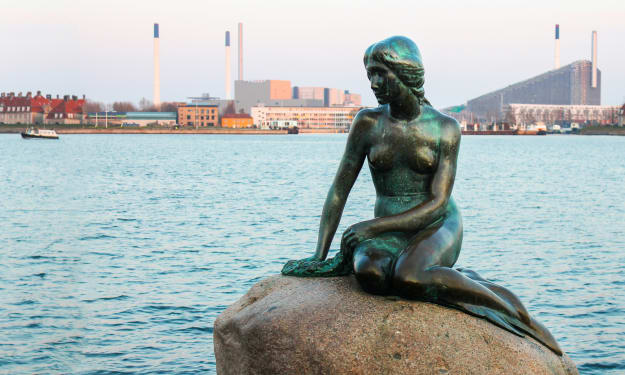
The Intriguing Tale of The Little Mermaid. Content Warning.
Dive into the enchanting depths of "The Little Mermaid" and embark on a captivating journey beneath the waves. Hans Christian Andersen's timeless fairy tale has captured hearts for generations, weaving a tale of sacrifice, longing, and the pursuit of true love. Join us as we explore the hidden secrets and enduring allure of this beloved story, diving into the viral keywords that have made it an enduring sensation.
By Master Scribe3 years ago in Art
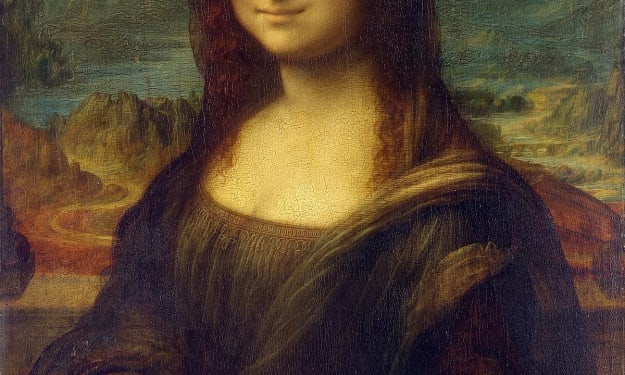
The Intriguing Saga of the Mona Lisa. Content Warning.
Step into the mesmerizing world of Leonardo da Vinci's masterpiece, the Mona Lisa, as we embark on a journey to unravel the mysteries behind her enigmatic smile. With her piercing gaze and elusive expression, this iconic painting has captivated audiences for centuries. Join us as we delve into the secrets of the most famous portrait in art history, unlocking its allure with a blend of history, intrigue, and viral intrigue.
By Master Scribe3 years ago in Art
The Intriguing Tale of La Grande Odalisque. Content Warning.
Step into the captivating world of Jean-Auguste-Dominique Ingres' masterpiece, "La Grande Odalisque," as we peel back the layers of this enigmatic painting to reveal a seductive tale that has intrigued audiences for centuries. With its elegant curves, exotic allure, and a touch of controversy, this iconic artwork continues to bewitch art enthusiasts worldwide. Join us on a journey through time as we uncover the secrets behind this sensuous odalisque.
By Master Scribe3 years ago in Art
Celebrating Magdalena Abakanowicz:. Content Warning.
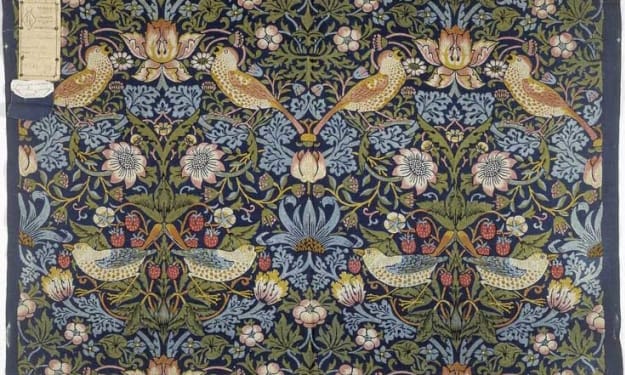
The artist belonged to a generation whose childhood ended with the outbreak of World War II. In a blog post on Tuesday (20 June), Google explained the cognition behind Abakanowicz’s Doodle, writing: “Is it a tapestry or a sculpture? Magdalena Abakanowicz’s figures of woven fibre broke the mold when she pioneered a new category of art known as Abakans.
By JessyJones3 years ago in Art
The Everlasting Tapestry of Humanity:How Art Connects Us All
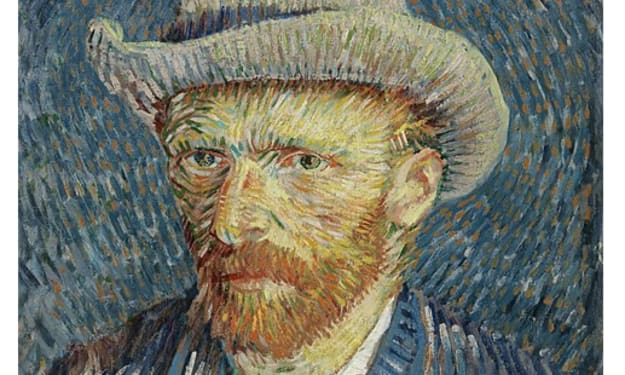
Art, in its myriad forms, has the unique ability to weave an everlasting tapestry of humanity, transcending time, borders, and cultural differences. This exploration delves into the profound impact of art on the human experience, highlighting its power to connect individuals, foster empathy, and celebrate our shared essence. Throughout history, art has served as a testament to the depth and diversity of human expression. From cave paintings to Renaissance masterpieces, artistic creations have consistently mirrored the triumphs, struggles, joys, and sorrows of the human spirit. It is through this medium that we have preserved our cultural heritage, communicated our values, and forged a profound connection with one another. Art speaks a universal language, transcending linguistic barriers and cultural nuances. It possesses the remarkable ability to evoke emotions, stimulate contemplation, and inspire introspection in all who encounter it. Whether through the brushstrokes of a painting, the harmonies of a musical composition, or the words of a poem, art has the power to touch the core of our being and foster a sense of shared humanity. Vincent van Gogh, an extraordinary artist of the 19th century, encapsulated the essence of this everlasting tapestry of humanity through his work. His vibrant and emotionally charged paintings, such as "The Starry Night" and "Sunflowers," capture the universal human experiences of awe, beauty, and transience. Van Gogh's bold brushwork and use of color evoke profound emotions, allowing viewers to connect with his art on a deeply personal level. Art not only reflects the human experience but also serves as a catalyst for empathy and understanding. When we engage with a work of art, we are invited to step into the artist's world, to perceive life through their unique lens. We gain insights into different perspectives, cultures, and historical contexts, expanding our horizons and fostering compassion for the experiences of others. Artistic expression has the power to transcend social, political, and geographical boundaries, facilitating cross-cultural dialogue and unity. It has the ability to challenge preconceived notions, break down stereotypes, and bridge the gaps between diverse communities. Art provides a platform for conversations that celebrate our shared humanity, fostering mutual respect and appreciation for our differences. Furthermore, art serves as a testament to our collective memory and cultural heritage. It allows us to explore the narratives of our ancestors, to gain insights into their struggles, achievements, and aspirations. From ancient cave paintings to contemporary installations, art embodies the stories of civilizations past and present, reminding us of our interconnectedness and shared legacy. In today's fast-paced and increasingly digital world, art offers a respite, an opportunity to pause and engage with the present moment. It encourages us to slow down, observe, and reflect, nourishing our emotional well-being and fostering a deeper connection with ourselves and the world around us. Artistic experiences create spaces for introspection, healing, and personal growth, enabling us to navigate the complexities of modern life. The everlasting tapestry of humanity is intricately woven through the threads of art. It connects individuals across time and space, ignites empathy, and celebrates our shared essence. Art serves as a universal language that transcends borders and cultural differences, allowing us to communicate, understand, and celebrate our diversity. Vincent van Gogh's profound impact as an artist exemplifies the transformative power of artistic expression. His works and those of countless other creators throughout history continue to shape our collective consciousness, offering solace, provoking thought, and inspiring change. As we engage with art, let uswriting.
By Lawrence Sampaga3 years ago in Art