Fine Art
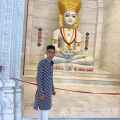
Wheat sprouts are often hailed as a divine gift,
Wheat sprouts are often hailed as a divine gift, revered for their remarkable health benefits and medicinal properties that have captivated health enthusiasts around the globe. These tiny green shoots, bursting with vitality, encapsulate the essence of nature’s bounty and serve as a potent reminder of how the simplest foods can offer profound wellness advantages.
By KETAN J HARANIYA2 years ago in Art
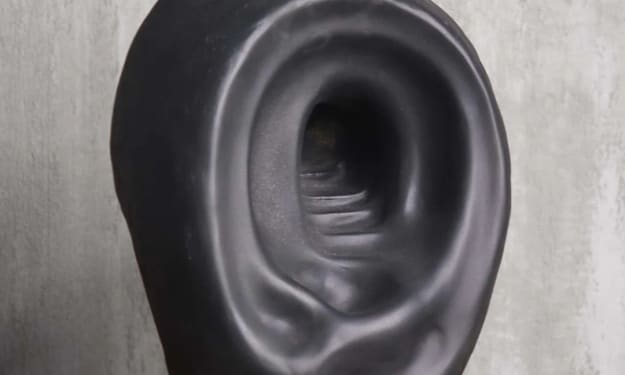
Abstract Sculpture: The Art of Form, Emotion, and Imagination
Abstract Sculpture is a fascinating art form that challenges conventional representation, focusing instead on shapes, textures, and emotions. Unlike traditional sculptures that depict recognizable figures or objects, abstract sculptures convey meaning through artistic expression, leaving interpretation open to the viewer.
By Studio Renaissance2 years ago in Art
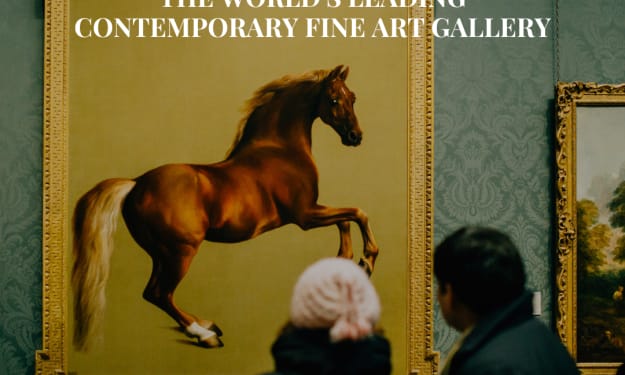
Famous Symbolism Paintings
Symbolism was an artists movement in the late 19th century. It was a creative response to the rapid industrialization and scientific progress at that time. Symbolism allowed artists to express complex emotions and ideas through visual representation. It is amazing how emotions can be depicted on canvas making these artists very creative in their artwork.
By Rasma Raisters2 years ago in Art
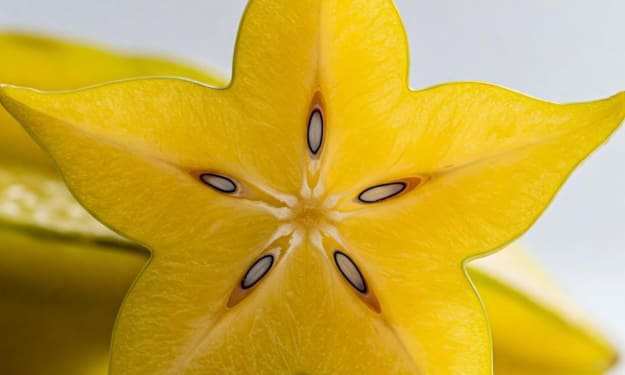
———————Kamrakh (Starfruit ——————-
Kamrakh (starfruit) is a type of fruit. Kamrakh has been used as a medicine since ancient times. Kamrakh has been described in Puranas and many Ayurvedic texts by the name of Karmarang. Kapha-vata, pitta disorders can be cured by the use of Kamrakh. Kamrakh is an appetite stimulant and is tasty.
By KETAN J HARANIYA2 years ago in Art
The Power of Minimalist Art: Simplicity as Expression
Minimalist art is a movement that embraces simplicity, clarity, and the power of negative space. It rejects excessive detail and focuses on the essence of form, color, and composition. Emerging in the mid-20th century, minimalism became a response to the complexity of modern life, offering a visual retreat into purity and balance. In this article, we will explore the history of minimalist art, its key characteristics, famous artists, and how it continues to shape contemporary creative fields. --- 1. The Origins of Minimalist Art Minimalism emerged as a reaction against the expressive, emotionally charged works of Abstract Expressionism. Artists sought to remove all unnecessary elements and create art that was objective and free from personal interpretation. Influences on Minimalist Art: The Bauhaus movement, which emphasized function and simplicity. The Zen philosophy of reducing everything to its core essence. Modern architecture, which favored clean lines and open spaces. Key Figures in Minimalist Art: Frank Stella (b. 1936): His “Black Paintings” featured simple geometric patterns. Donald Judd (1928–1994): Known for his industrial, sculptural forms. Agnes Martin (1912–2004): Created soft, meditative grid paintings. These artists helped define minimalism as an artistic philosophy that values restraint and clarity. --- 2. Key Characteristics of Minimalist Art Minimalist art can take many forms, but it often follows these principles: Simplicity: Only the essential elements remain—no unnecessary details. Geometric Shapes: Circles, squares, and lines are common. Limited Color Palette: Often uses black, white, and neutral tones. Repetition and Patterns: Repeated shapes and forms create rhythm. Use of Negative Space: The empty areas are as important as the filled ones. These characteristics create a sense of balance and tranquility in minimalist art. --- 3. Psychological and Philosophical Impact of Minimalism Minimalist art is not just about aesthetics—it also carries deeper meanings. Encourages Focus and Mindfulness: The simplicity invites calmness and reflection. Symbolizes Order and Clarity: Minimalism represents the idea that less is more. Challenges Traditional Art: It shifts the focus from storytelling to pure form. Eliminates Distractions: Forces viewers to engage with the artwork’s core message. Minimalism is often seen as a meditation on space, silence, and the beauty of reduction. --- 4. The Influence of Minimalist Art on Modern Design Minimalism has shaped many creative fields beyond painting and sculpture, including: Architecture: Clean, open spaces with simple forms. Interior Design: Neutral colors, functional furniture, and uncluttered spaces. Graphic Design: Simple typography and bold use of white space. Fashion: Monochromatic styles and sleek, structured silhouettes. Minimalist principles continue to influence the way we experience art and design in everyday life. --- 5. How to Create Minimalist Art Want to experiment with minimalist art? Here are some tips: Limit Your Color Palette: Use just one or two colors. Focus on Basic Shapes: Keep forms clean and geometric. Embrace Negative Space: Let the empty areas be part of the design. Use Repetition: Repeated elements create a sense of harmony. Remove the Unnecessary: Ask yourself if each detail is essential. Minimalist art is about intentionality—every line, shape, and color must have a purpose. --- Conclusion: The Timeless Appeal of Minimalism Minimalist art proves that sometimes, the simplest things can have the deepest impact. By stripping away excess, it allows viewers to focus on what truly matters. Whether in painting, design, or daily life, minimalism encourages clarity, mindfulness, and the beauty of simplicity. Next time you encounter a minimalist artwork, take a moment to appreciate its quiet power—because in minimalism, every detail speaks volumes.
By Hridoy Hasan2 years ago in Art