Drawing
The Fascinating World of Google Doodles: Art, Innovation, and Hidden Stories . AI-Generated.
Introduction: What Are Google Doodles? Google Doodles are creative, temporary alterations of the Google logo that celebrate holidays, events, achievements, and notable figures. These artistic renditions transform the search engine’s homepage into an interactive canvas, blending art, education, and technology.
By Khalid Lamabout a year ago in Art
art image pencel. AI-Generated.
The Value of Art School Art school provides a special setting where critical thinking, technique, and creativity come together. As they learn how to visually convey concepts, students experiment with a variety of media, including painting, sculpture, digital art, photography, animation, and more. Beyond technical proficiency, art education encourages creativity, self-control, and the capacity to take criticism well and develop from it.
By Md Riaz Hosainabout a year ago in Art
Meet the Future of Art at the Best Art Gallery for Emerging Artists
The world of art is in a continuous flux, where things are evolving and fresh talents are reshaping the world in their own creative ways. This is a new chapter of visual expression. Now, the trend is to challenge the set norms of art & expression and to go beyond the creative boundaries seeking innovation. There are art enthusiasts, collectors, and curators who look out for fresh ideas in art and fresh talents to explore.
By rachel brownabout a year ago in Art
Christmas Celebrations 2025: How the World is Celebrating This Year
Introduction: Christmas celebrations are one of the most cherished events of the year, bringing joy, togetherness, and a sense of warmth that transcends borders. Every December, millions of people across the globe come together to celebrate Christmas Day with family, friends, and loved ones. As we approach Christmas celebrations 2024, the excitement is already building. From grand festive displays to intimate family traditions, the way we celebrate Christmas continues to evolve while maintaining its core spirit. In this article, we’ll explore how Christmas celebrations have changed over the years and what to expect from the holiday season in 2024.
By Rifat It Firmabout a year ago in Art
Arizona Art Prints: A Colorful Celebration of Desert Beauty
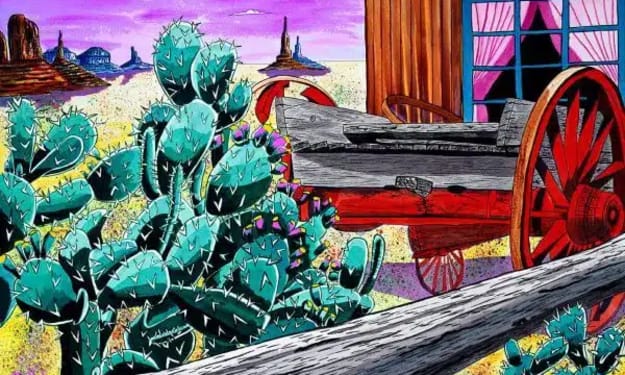
Arizona art prints offer a stunning view of the desert’s natural beauty, bold colors, and peaceful energy. From vibrant cactus scenes to soft mountain silhouettes, these prints bring warmth and spirit to any space.
By sedona art studiosabout a year ago in Art
Southwest Art Prints: Bringing Desert Beauty into Your Home
Southwest art prints capture the heart of the desert with bold colors, unique patterns, and timeless charm. These prints often feature rugged landscapes, sacred symbols, and warm tones that reflect the American Southwest. Whether for home decor or gifts, these prints are full of meaning and magic.
By sedona art studiosabout a year ago in Art
Sedona Cactus Artwork: A Unique Blend of Nature and Creativity
When you think of the desert, what comes to mind? For many, it’s the beauty of Sedona cactus artwork. These stunning pieces turn the desert’s most iconic plant into beautiful expressions of art and color. Filled with vibrant energy, this artwork reflects both nature and the spirit of the Southwest.
By sedona art studiosabout a year ago in Art
Sedona Art Studios: A Creative Journey Through Arizona’s Desert Magic. AI-Generated.
Welcome to Sedona art studios, where desert beauty and artistic passion come together. Nestled among red rocks and cactus-filled landscapes, these studios inspire artists and visitors alike. The calm energy of Sedona breathes life into every canvas and creation.
By sedona art studiosabout a year ago in Art
Elegant & Easy Arabic Mehandi Designs for Every Occasion
Arabic Mehandi design has taken the world of henna art by storm with its bold lines, floral patterns, and flowing styles. Loved for its simplicity and elegance, Arabic Mehandi is a favorite among brides, bridesmaids, and anyone who enjoys adorning their hands and feet with beautiful motifs. Whether it’s a wedding, festival, or casual celebration, these designs add a timeless charm that never goes out of fashion. In this blog, we’ll explore some stunning yet simple Arabic Mehandi designs, tips to perfect the art, and ideas for every kind of celebration.
By shaadi dukaanabout a year ago in Art
Nakshi Kantha
Nakshi Kantha: The Embroidered Legacy of Bengal Nakshi Kantha, the traditional embroidered quilt of Bengal, is much more than a household item—it is a canvas of dreams, memories, and cultural heritage, lovingly stitched by the hands of rural women for generations. With roots deeply embedded in the rural life of Bangladesh and West Bengal in India, Nakshi Kantha is a unique form of folk art that blends functionality with storytelling, transforming everyday cloth into a reflection of life’s joys, sorrows, and aspirations. Origins and History The word kantha simply means "quilt" in Bengali, while nakshi is derived from naksha, meaning artistic pattern or design. The tradition of kantha-making dates back to ancient times, with some historians tracing its origins as far back as the 1st or 2nd century BCE. However, the more recognized form of Nakshi Kantha took shape in the 19th century. Traditionally, Nakshi Kantha was created by repurposing old saris, dhotis, and lungis. Women would layer these worn-out fabrics and stitch them together using simple running stitches, often with colorful threads pulled from the borders of the original garments. What began as a way to recycle old clothes gradually evolved into a deeply personal and artistic expression of rural life. The Craft and Techniques The beauty of Nakshi Kantha lies in its simplicity. The primary stitch used is the running stitch, locally known as the "kantha stitch." However, artisans also incorporate other stitches such as chain, herringbone, and satin stitches to add variety and texture. The designs are typically drawn freehand, making each piece unique. Patterns range from geometric shapes and floral motifs to detailed depictions of daily village life, folklore, animals, religious symbols, and mythological tales. These motifs are not random; they often carry cultural symbolism or personal meaning. For instance, a lotus may symbolize purity, while a tree could represent life and continuity. Remarkably, most Nakshi Kantha artisans have no formal training. The skills are passed down from mother to daughter, along with stories, traditions, and a natural sense of design. Types of Nakshi Kantha Over time, various types of Nakshi Kantha have developed, based on their specific uses. Some of the most notable types include: Lep Kantha: Quilted wraps used for warmth. Sujni Kantha: Decorative quilts used during special occasions or as bedspreads. Baiton Kantha: Used for wrapping books and valuable items. Durjani or Thalia Kantha: Small wraps used to carry items or cover plates. Oaar Kantha: Pillow covers. Rumal Kantha: Napkins or handkerchiefs. Each type serves a distinct purpose, but all feature the characteristic embroidery techniques that define Nakshi Kantha. Cultural and Emotional Significance For rural women, making a Nakshi Kantha is more than just sewing—it is a meditative and emotional journey. Women often create these quilts as part of their wedding trousseau, stitching their hopes and dreams for married life into the fabric. Others craft them in memory of loved ones, using fabric from the clothing of the deceased, turning the quilt into a cherished keepsake. Because of this deeply personal nature, each Nakshi Kantha is a narrative—a stitched diary of the maker’s life. Themes of motherhood, nature, domestic scenes, and spirituality often dominate, offering a rich visual record of village life in Bengal. Revival and Modern Adaptations In the latter half of the 20th century, Nakshi Kantha began to decline due to industrialization and changing lifestyles. However, in the 1980s and 1990s, efforts to revive the art form gained momentum, led by NGOs and cultural organizations aiming to preserve traditional crafts and empower rural women. Today, Nakshi Kantha has moved beyond its utilitarian roots and found a place in modern fashion and interior design. Designers now incorporate kantha embroidery into sarees, kurtas, cushion covers, wall hangings, bags, and even Western clothing. This revival has created new economic opportunities for thousands of women, turning a traditional domestic skill into a viable livelihood. Bangladesh has embraced Nakshi Kantha as a symbol of national heritage. In 2008, it was awarded Geographical Indication (GI) status, recognizing its cultural significance and its unique connection to the region.
By Nabir Mondolabout a year ago in Art