
Music Culture Moves So Fast That Nothing Feels Legendary Anymore
Something feels different about music now.
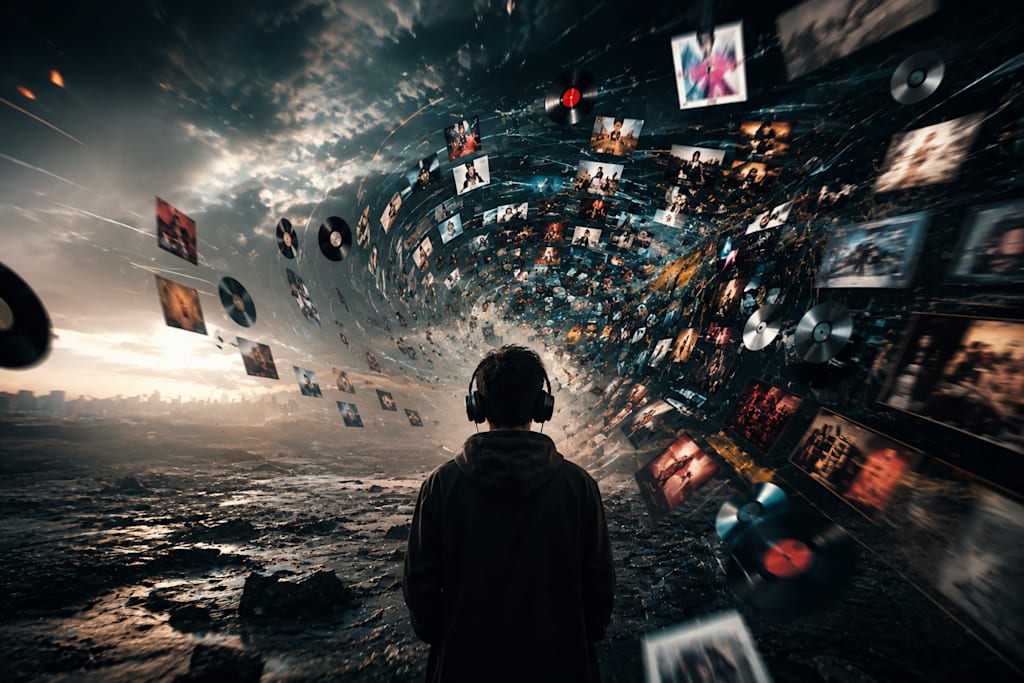
Not the sound itself.
The feeling around it.
Songs still go viral.
Albums still break streaming records.
Artists still dominate social media for weeks at a time.
But somehow…
nothing feels truly legendary anymore.
Moments disappear too quickly.
Albums fade too fast.
Artists trend constantly but rarely feel immortal.
And a lot of music fans feel this shift emotionally, even if they can’t fully explain it.
The internet accelerated music culture so aggressively that people barely have time to emotionally live inside an era before the next one already arrives.
Music Used To Feel Like An Era
Older music eras felt culturally massive.
Not because there was more talent.
Not because technology was worse.
But because people experienced music more slowly.
An album release could dominate culture for an entire year.
Fans replayed projects endlessly.
Music videos stayed iconic for years.
Artists disappeared between releases, building anticipation naturally.
Now?
Everything moves instantly.
A viral album on Friday can already feel old by Monday.
Streaming Changed Emotional Attachment
Streaming gave listeners unlimited access to music.
That sounds amazing — and in many ways it is.
But unlimited access changed emotional connection.
Years ago, people replayed the same albums constantly because music felt limited.
You sat with songs longer.
You memorized tracklists.
You developed relationships with projects emotionally over time.
Now listeners jump endlessly between:
playlists
recommendations
TikTok sounds
algorithmic suggestions
new releases every Friday
Music became infinite.
And strangely, infinite access made individual songs feel less emotionally permanent.
Albums Barely Get Time To Breathe
This is one of the biggest problems.
Albums used to unfold slowly culturally.
People debated lyrics for months.
Fans analyzed production deeply.
Songs evolved emotionally over time.
Now albums enter a content cycle:
release
reactions
memes
rankings
hot takes
next trend
all within a few days.
The internet consumes music so aggressively that projects rarely have space to grow naturally anymore.
TikTok Compressed Music Culture Completely
TikTok accelerated everything.
Songs now explode through:
15-second clips
trends
edits
viral sounds
dance challenges
Music spreads faster than ever before.
But speed has consequences.
People often connect to fragments of songs instead of full artistic experiences.
A single hook becomes famous while entire albums disappear around it.
That changes how cultural memory works.
Virality Replaced Longevity
This might be the biggest shift of all.
Modern music culture prioritizes:
immediate attention
engagement
trends
replayable moments
over long-term emotional impact.
A song can dominate the internet for two weeks…
then vanish completely afterward.
Meanwhile older “legendary” songs often grew slowly over years.
They became culturally immortal through time, repetition, and emotional attachment — not instant virality.
Artists Are Forced To Move Too Fast
The pressure on artists is insane now.
Streaming culture demands constant activity:
singles
deluxe albums
snippets
features
TikToks
livestreams
social media posts
If artists disappear too long, algorithms punish visibility.
So musicians release content constantly just to stay relevant.
But constant visibility weakens impact.
Legendary moments usually require scarcity.
Mystery Disappeared
Older artists felt larger than life partly because fans didn’t have constant access to them.
Now audiences see artists:
tweeting daily
livestreaming constantly
posting random thoughts
sharing unfinished songs
reacting in real time
The internet removed distance between artist and audience.
That created accessibility.
But it also weakened mythology.
Fans Consume Music Differently Now
Modern listeners rarely live inside one album emotionally for long.
People multitask constantly:
scrolling
gaming
texting
working
watching short videos
Music became background texture for internet life.
That affects emotional depth.
Some listeners hear hundreds of songs weekly while barely forming deep attachment to any of them.
Every Week Feels Like A New Era
The internet moves at impossible speed now.
A single month online contains:
multiple viral songs
trending artists
controversies
snippets
leaks
aesthetic shifts
microgenres
Culture constantly resets itself.
Nothing stays culturally dominant long enough to fully mature into legend.
Nostalgia Happens Almost Instantly Now
One strange side effect of internet speed:
People become nostalgic incredibly fast.
Fans already romanticize:
2016 SoundCloud
2018 trap
early TikTok music eras
even though those periods happened relatively recently.
Why?
Because modern internet culture burns through eras so quickly that even recent moments feel emotionally distant already.
Algorithms Decide Cultural Attention
Streaming platforms and social media algorithms heavily shape what people experience now.
That creates fragmented audiences.
Years ago massive numbers of people experienced the same albums together simultaneously.
Now everyone exists inside personalized algorithm bubbles.
Music culture became less unified.
And unified cultural experiences are usually what create legendary moments historically.
Too Much Content Weakens Impact
Artists release more music than ever.
Fans consume more music than ever.
But overload creates emotional numbness.
When everything is constantly available:
surprise weakens
anticipation shrinks
emotional buildup disappears
Legendary art often needs silence around it.
The modern internet rarely allows silence.
Some Albums Still Break Through
Interestingly, the albums people call “classic” today usually share one thing:
They slow people down emotionally.
Projects from artists like:
Frank Ocean
Kendrick Lamar
Kanye West
Travis Scott
The Weeknd
created worlds people emotionally stayed inside for long periods.
Those albums felt immersive instead of disposable.
That’s why they lasted culturally.
The Internet Rewards Moments — Not Eras
Modern platforms are built around constant stimulation.
So culture prioritizes:
moments
clips
trends
reactions
virality
instead of long-lasting eras.
But legendary music usually requires:
patience
repetition
emotional memory
cultural permanence
Those things develop slowly.
Fans Secretly Miss Cultural Permanence
A lot of music fans don’t necessarily miss old music itself.
They miss when music felt bigger emotionally.
When albums felt like seasons of life.
When artists felt untouchable.
When songs stayed culturally alive longer.
People miss emotional permanence.
And the internet struggles to create permanence because everything moves too fast.
Maybe Legendary Music Still Exists
Maybe the problem isn’t the music.
Maybe it’s the environment around it.
There are still incredible artists making timeless work today.
But modern internet culture rarely allows people to fully sit with art long enough for mythology to naturally form around it.
Everything gets consumed instantly now.
Even greatness.
Final Thoughts
Music culture moves so fast now that legendary moments struggle to fully exist.
Streaming accelerated listening.
TikTok compressed attention spans.
Algorithms fragmented audiences.
Constant content weakened anticipation.
And slowly, music stopped feeling permanent.
Not because artists became less talented…
but because the internet changed humanity’s relationship with time, attention, and emotional memory itself.
That’s why so many people feel nostalgic constantly now.
They’re searching for moments that lasted long enough to actually feel unforgettable.
About the Creator
Enjoyed the story? Support the Creator.
Subscribe for free to receive all their stories in your feed.
Comments
There are no comments for this story
Be the first to respond and start the conversation.