
Most Important Buildings in London, England
Impressive architecture


22 Bishopsgate
22 Bishopsgate is also known as TwentyTwo and is the second-tallest skyscraper in London. This 62-story office building in the financial district has a market and a busy dining area. It is referred to as a 'Vertical Village', incorporating work, dining, wellness, and cultural spaces. It was designed by PLP Architecture.
One Canada Square
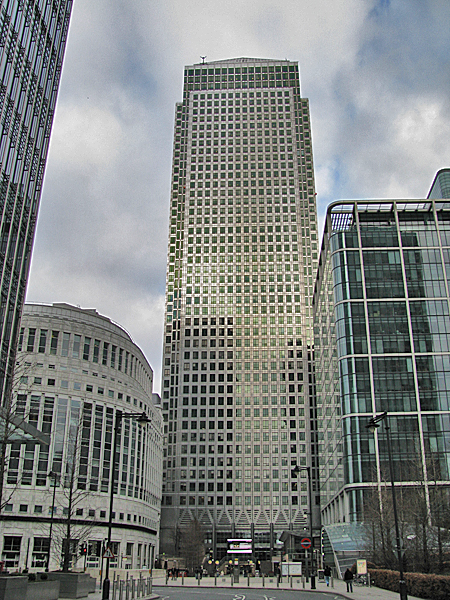
One Canada Square, designed by architect César Pelli, is a prominent example of postmodern architecture in London, standing at 236 meters (771 feet) tall. Completed in 1991, it features a distinctive obelisk shape and a stainless-steel exterior, symbolizing London's financial resurgence. The tower played a crucial role in establishing Canary Wharf as a global financial center.
20 Fenchurch Street
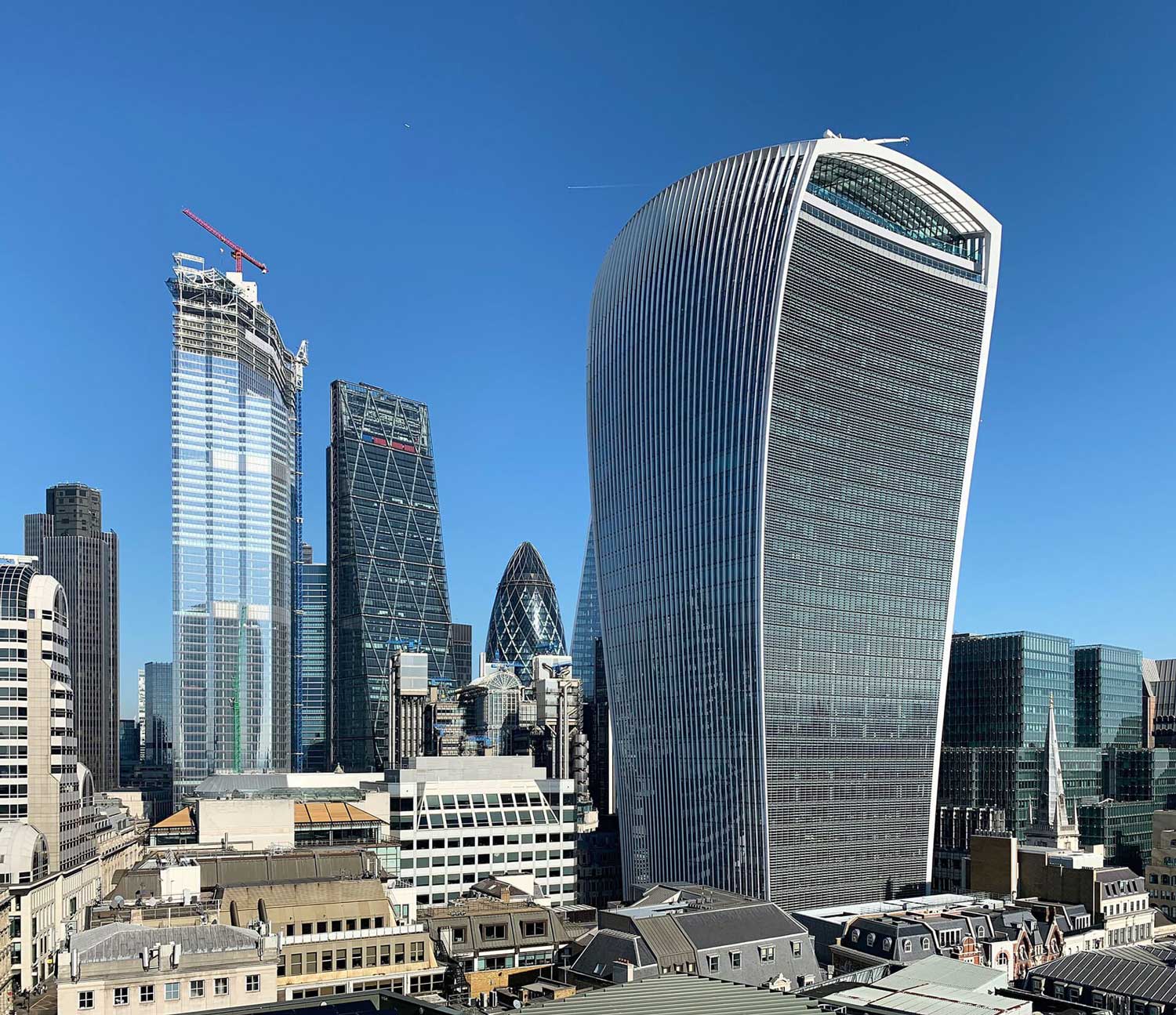
It is easy to understand how 20 Fenchurch Street’s unique architecture, which evokes the imagery of cell phones from the 1980s, gained its nickname “walkie talkie." It became famous not only for its moniker but also for being the building that melted an automobile.
This distinctive skyscraper was designed by Rafael Viñoly Architects. Completed in 2014, it features a unique bulging shape and includes a public sky garden offering panoramic views of the city.
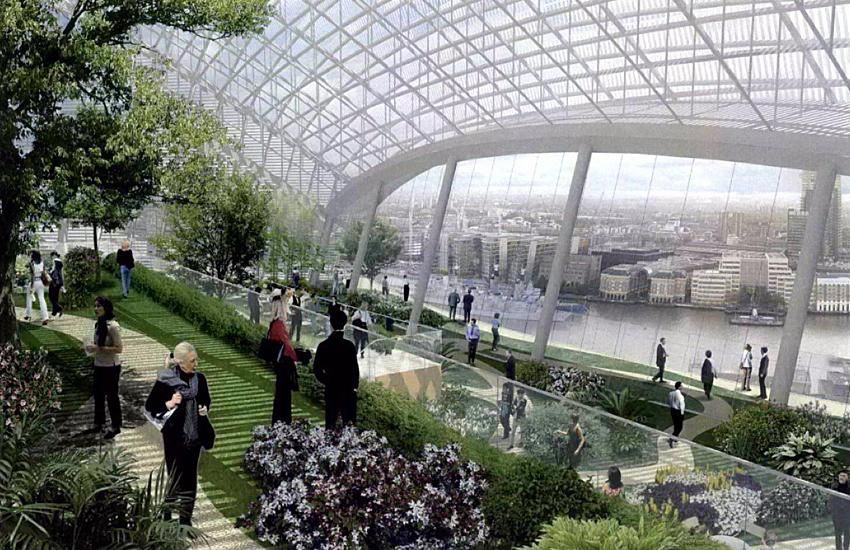
It is most known for its lovely Sky Garden, which is full of plants and offers city views.
30 St. Mary Ax
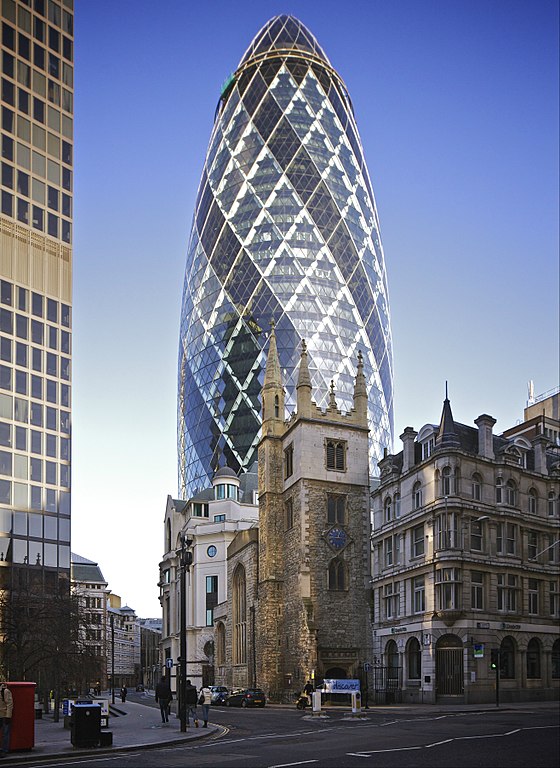
This building is sometimes referred to as “The Gherkin” and is one of the city’s most iconic skyscrapers. Built in 2003 by renowned British architect Norman Foster, the bullet-shaped structure with diamond-shaped windows may be seen from Windsor Great Park. The Gherkin is London's first ecological skyscraper, incorporating energy-efficient technologies. The building features a diagrid facade that enhances structural stability while reducing material use.
It is situated on the location of the original Baltic Exchange, which suffered significant damage in 1992 due to an IRA attack. The unique “lens” atop the Gherkin pays homage to a well-known glass dome that was originally located on the ground floor of the original building and is currently on display at the National Maritime Museum.
Big Ben
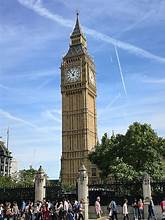
Big Ben, officially known as the Elizabeth Tower, showcases a stunning example of Gothic Revival architecture, designed by Augustus Pugin. Its intricate details, including pointed arches and elaborate stone carvings, reflect the grandeur of the Victorian era and the historical significance of the British Parliament.
The BT Tower
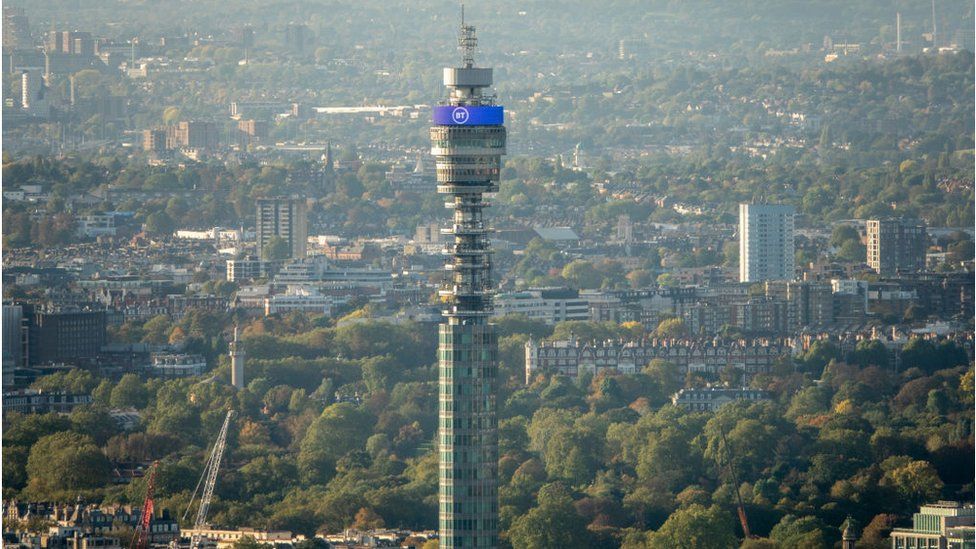
The BT Tower is a Grade II listed communications tower known for its futuristic design and architectural significance. Completed in 1964, it was originally built as a telecommunications hub and has since become an iconic landmark in the city. It was awarded Grade II listed status in 2003 for its architectural and cultural importance.
Buckingham Palace
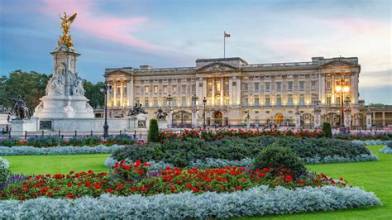
Buckingham Palace showcases a blend of Neoclassical and Gothic architectural styles, evolving from a modest townhouse into a grand royal residence. Key architects like John Nash and Edward Blore significantly contributed to its iconic design, particularly the East Front and State Rooms. Buckingham Palace has 775 rooms, including 19 State Rooms, 52 bedrooms, and 78 bathrooms.
The Cheesegrater
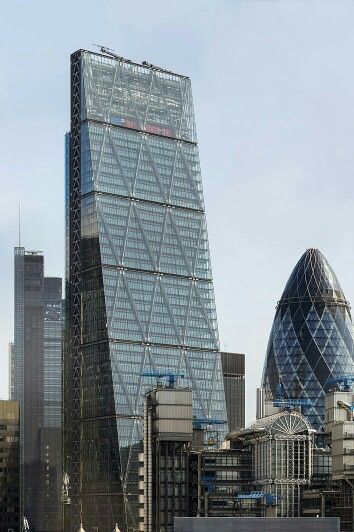
The Cheesegrater, officially known as the Leadenhall Building, is a distinctive skyscraper characterized by its wedge-shaped design. Completed in 2014, it was designed by architect Richard Rogers and is notable for its sustainable features and striking glass façade. It incorporates eco-friendly technologies, including energy-efficient systems.
Heron Tower
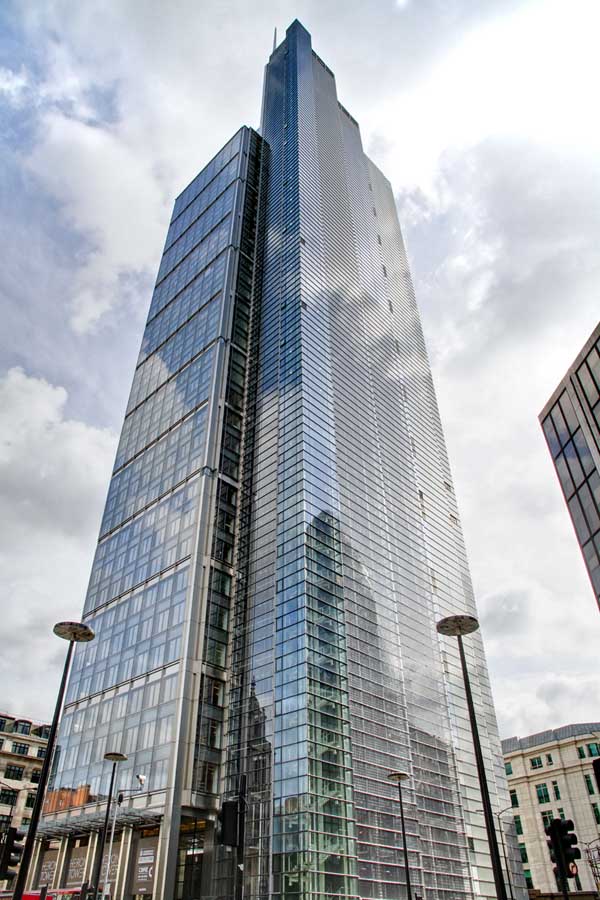
Heron Tower, completed in 2014, is a striking example of modern architecture characterized by its glass-and-steel design and innovative office spaces. It stands as the tallest building in the City of London, featuring a unique layout that promotes collaboration and sustainability.
London City Hall
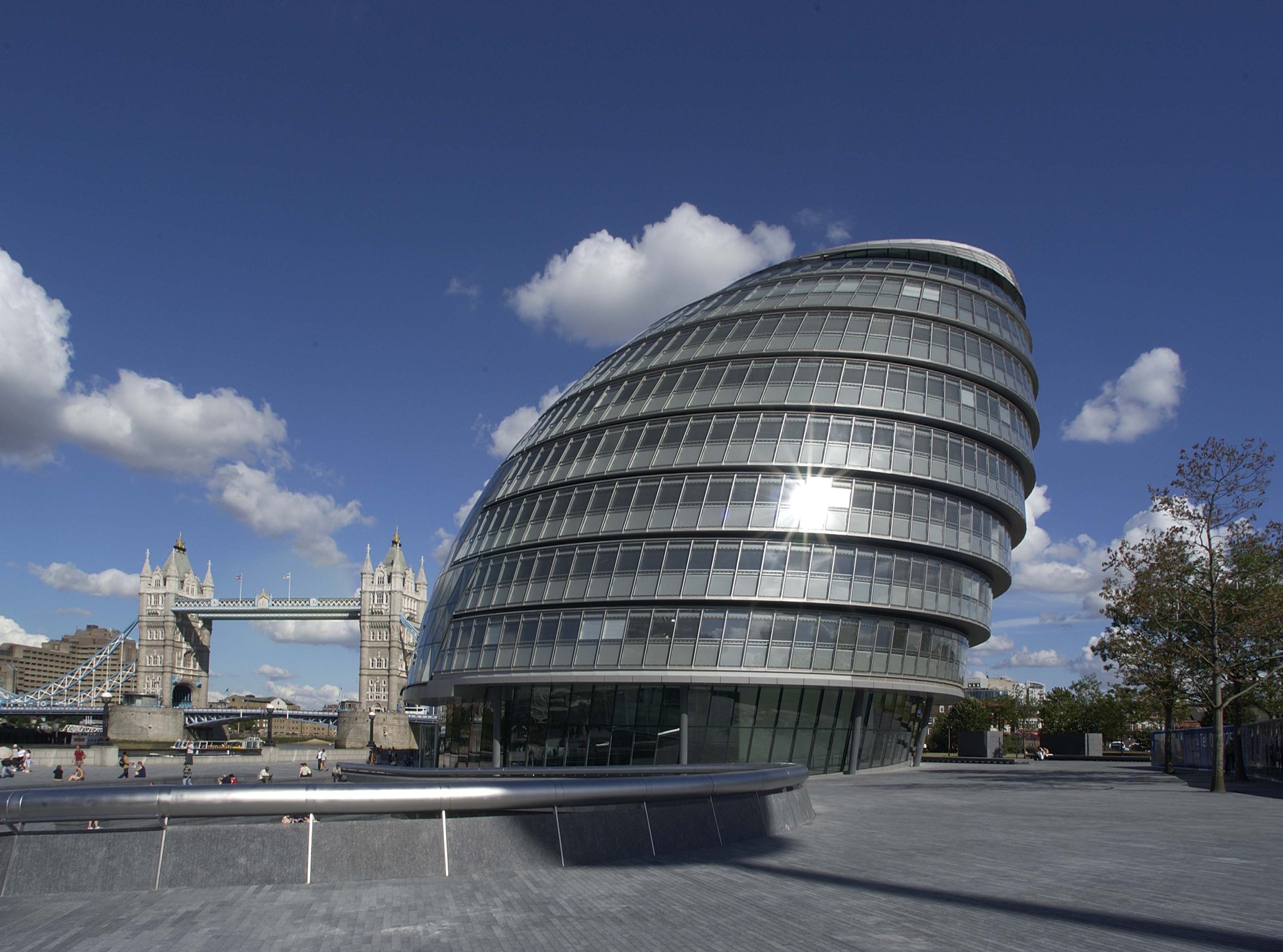
London City Hall was designed by Norman Foster and features a distinctive bulbous shape aimed at enhancing energy efficiency and transparency in governance. Completed in 2002, it stands as a symbol of modern architecture in London, reflecting a commitment to sustainability and public accessibility.
It houses the offices of the Mayor of London and the London Assembly, serving as the headquarters for the Greater London Authority. It also includes public spaces for events and exhibitions, promoting civic engagement and transparency in governance.
The Shard
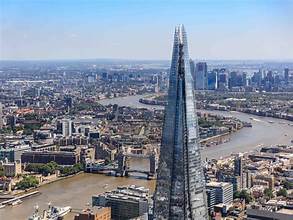
The Shard is the tallest skyscraper in the UK, standing 95 floors tall and towering over all other buildings in London. It was designed by Italian architect Renzo Piano. It is a striking example of contemporary architecture, characterized by its glass facade and unique shape resembling a shard of glass.
Its architecture combines contemporary modernism with postmodern elements, featuring a facade made up of 11,000 glass shards. The building includes offices, apartments, hotels, restaurants, and public viewing galleries, creating a vertical city.
St. Paul’s Cathedral
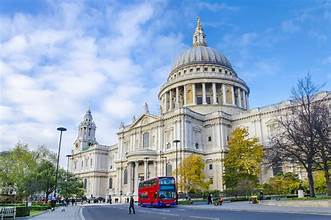
St. Paul's Cathedral in London is a masterpiece of Baroque architecture designed by Sir Christopher Wren, featuring a distinctive dome and a blend of classical styles. Completed in 1710, it remains one of the city's most iconic landmarks. It was constructed primarily from Portland stone; the building exhibits a striking white facade that enhances its grandeur. The interior is richly decorated with mosaics, sculptures, and intricate carvings, contributing to its historical significance.
About the Creator
Rasma Raisters
My passions are writing and creating poetry. I write for several sites online and have four themed blogs on Wordpress. Please follow me on Twitter.
Enjoyed the story? Support the Creator.
Subscribe for free to receive all their stories in your feed. You could also become a paid subscriber, letting them know you appreciate their work.
Comments
There are no comments for this story
Be the first to respond and start the conversation.