
Most Iconic Buildings in Topeka Kansas
Impressive architecture

Brown v. Board of Education National Historic Site
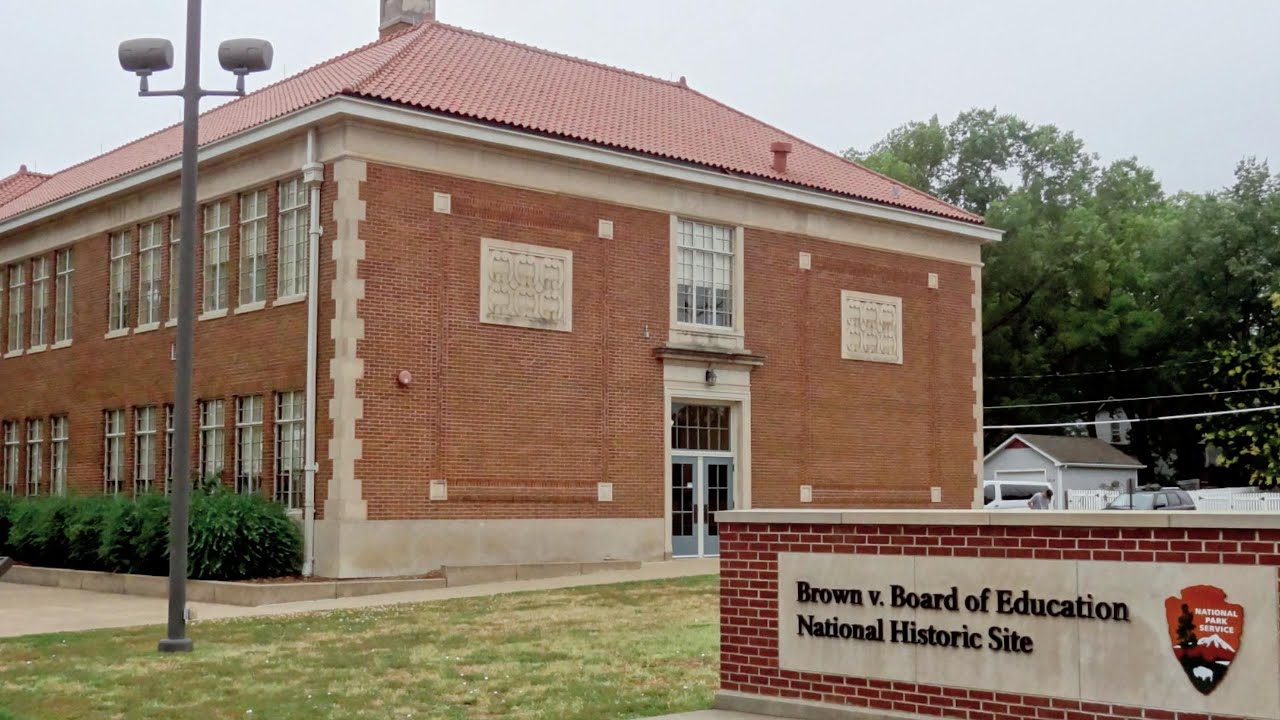
The architecture of the Brown v. Board of Education National Historic Site, particularly the Monroe Elementary School, reflects the Italian Renaissance Revival style, designed to serve as a progressive educational facility. This site is significant as it was central to the landmark Supreme Court case that declared racial segregation in public schools unconstitutional. This building is a two-story brick and limestone structure designed in the Italian Renaissance Revival style, showcasing progressive educational ideals. The architecture was intended to reflect a commitment to modern education and inclusivity, aligning with the goals of the civil rights movement during the 1950s.
Charles Curtis House
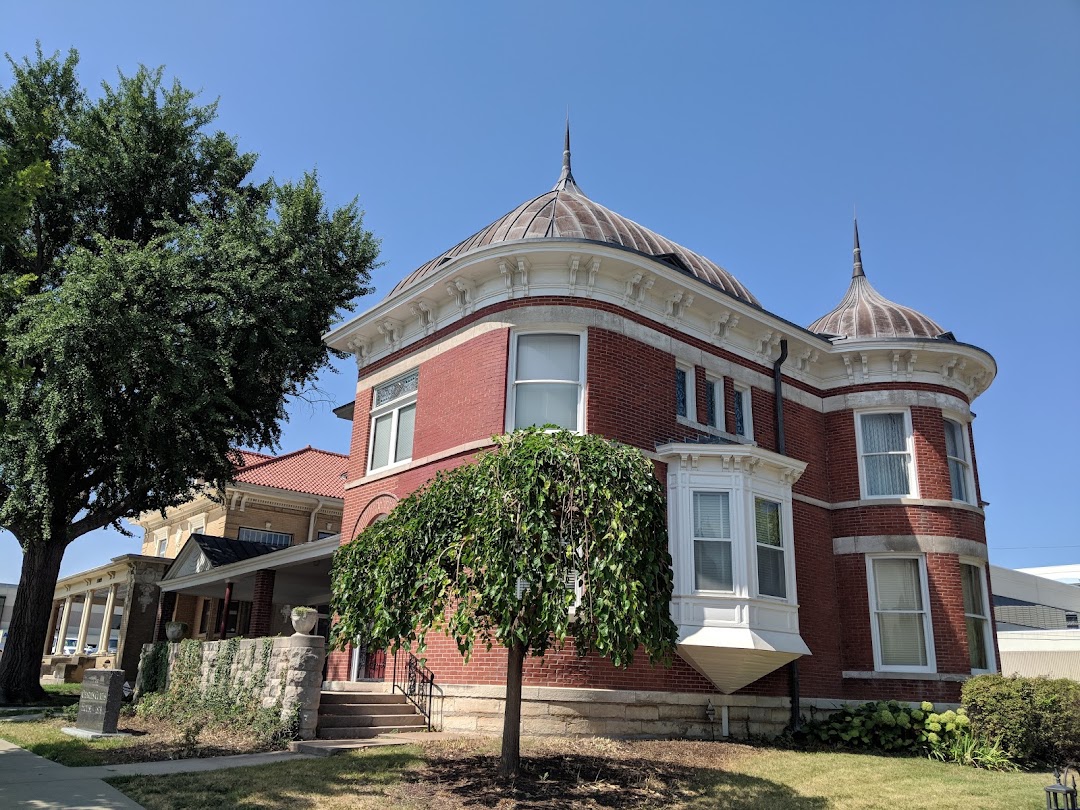
The Charles Curtis House showcases a blend of architectural styles, primarily reflecting the Italianate and Queen Anne influences. Built in 1879, it features intricate detailing and has been preserved as a museum, highlighting its historical significance. It exhibits a mix of Italianate and Queen Anne styles, characterized by decorative brackets and asymmetrical facades. It served as the residence of Charles Curtis, the first Indigenous U.S. vice president. The house is listed on the National and Kansas State Registers of Historic Places, ensuring its protection.
Great Overland Station
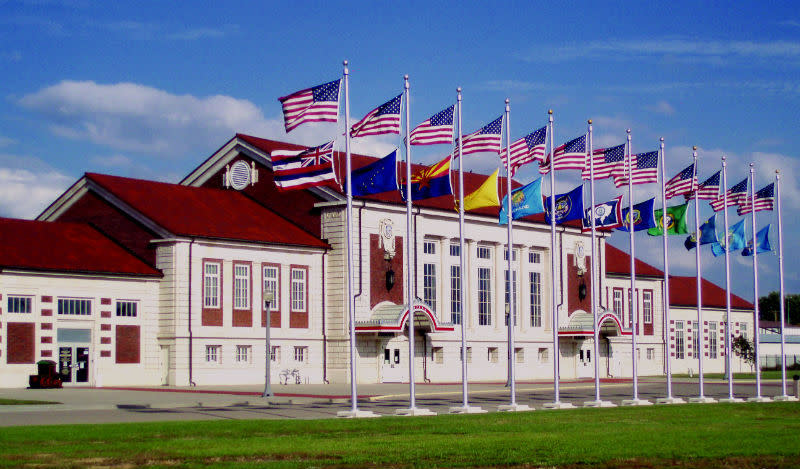
The Great Overland Station features a neoclassical architectural style and opened in 1927; it is renowned for its grand interior and ornate terra cotta ornamentation, making it one of the finest passenger stations of its time. Designed by Gilbert Stanley Underwood, who created numerous Union Pacific stations, emphasizing functional beauty. The interior features soaring ceilings and a spacious layout, reflecting the opulence of the era when it was built. It served as a major passenger depot until 1971, contributing to the region's transportation history.
Kansas Expocenter
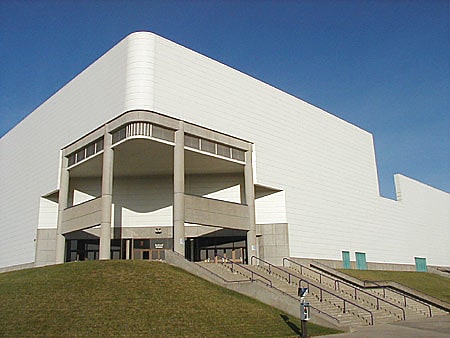
The Kansas Expocentre, now known as the Stormont Vail Events Center, is a notable architectural landmark in Topeka, featuring a multi-purpose arena that was built in 1987. Recent renovations, led by HTK Architects, have modernized the facility, enhancing its functionality and aesthetic appeal. The venue hosts a variety of events, including concerts and exhibitions, making it a key community hub.
Kansas Museum of History
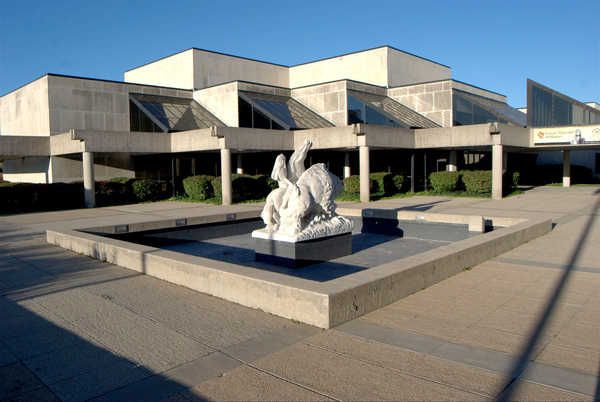
The Kansas Museum of History features a modern architectural design characterized by limestone cladding and a step-back form, which connects it visually to its surroundings. Completed in 1984, the museum's design emphasizes both functionality and aesthetic appeal, enhancing the visitor experience with interactive exhibits. The exterior is adorned with limestone, similar to other historical buildings in the area. The layout encourages exploration of Kansas history through thematic displays rather than a strict chronological order.
Kansas State Capitol
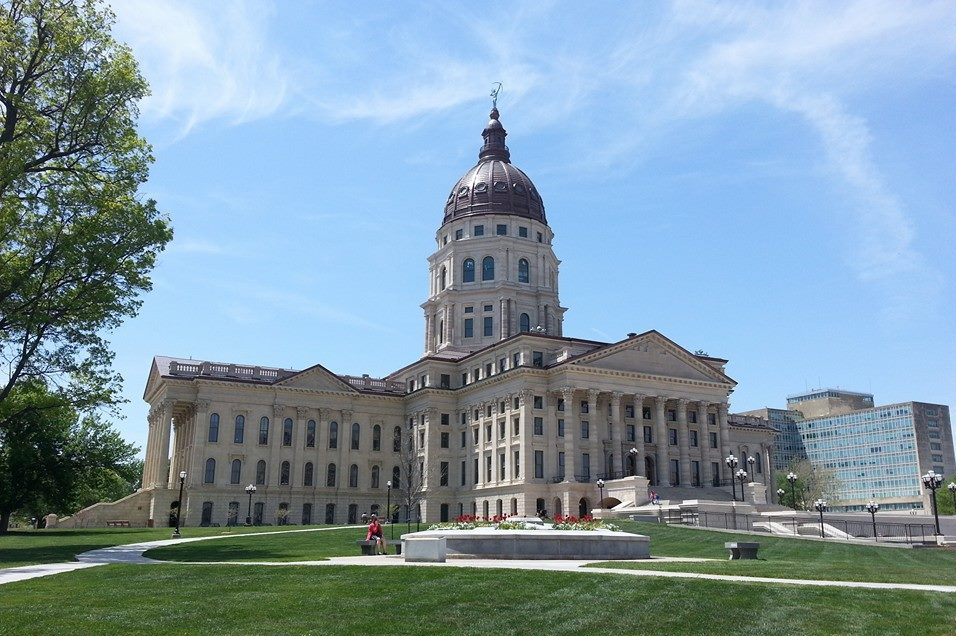
The Kansas State Capitol is a notable example of classical architecture, completed in 1903 after 37 years of construction. Designed by Edward Townsend Mix, it features Kansas Limestone and incorporates elements inspired by ancient Greek and Roman styles. The Capitol took 37 years to complete, officially finishing in 1903. It embodies Classical design, influenced by ancient Greek and Roman architecture. The building was voted one of the 8 Wonders of Kansas Architecture, reflecting the vision of early Kansans.
North Kansas Avenue Bridge
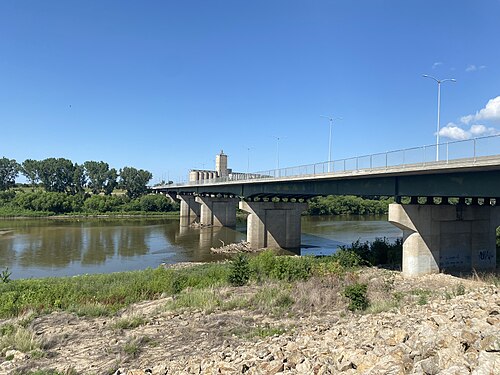
The North Kansas Avenue Bridge features a multi-lane design that accommodates both vehicular and pedestrian traffic, connecting downtown Topeka with North Topeka. Opened in 1967, it serves as a vital artery for daily commutes and showcases a modern architectural style suitable for contemporary traffic demands. It includes four lanes plus shoulders, enhancing safety and traffic flow between downtown and North Topeka. The bridge features a multi-beam girder design with a concrete deck, providing durability and support for heavy traffic loads.
Topeka High School
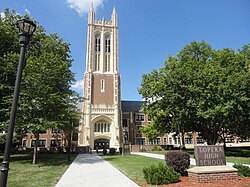
Topeka High School, completed in 1931, is a notable example of Gothic Revival architecture, designed by architects Thomas Williamson and Ted Greist. Its iconic features include a 155-foot bell tower and elements inspired by Hampton Court Palace in England. The school showcases Gothic Revival architecture, characterized by its pointed arches and intricate details. Many design elements were influenced by Hampton Court Palace, reflecting a blend of local and historical styles. It has been named one of the "8 Wonders of Kansas Architecture" due to its iconic status in the region.
Topeka Performing Arts Center
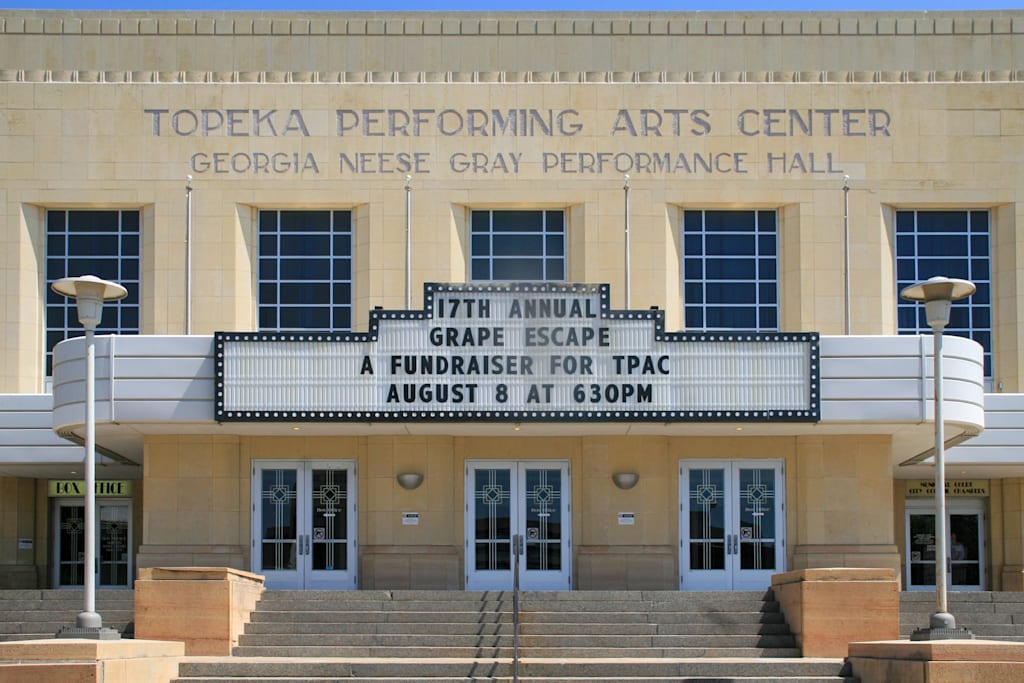
The Topeka Performing Arts Center, originally built as the Municipal Auditorium in 1940, showcases Art Deco architecture characterized by geometric patterns and streamlined forms. This historic venue has been a cultural hub in Topeka, hosting a variety of performances and events over the decades. Originally opened in 1940, it reflects the civic architecture influenced by New Deal-era public works. (pictured above)
About the Creator
Rasma Raisters
My passions are writing and creating poetry. I write for several sites online and have four themed blogs on Wordpress. Please follow me on Twitter.
Enjoyed the story? Support the Creator.
Subscribe for free to receive all their stories in your feed. You could also become a paid subscriber, letting them know you appreciate their work.
Comments
There are no comments for this story
Be the first to respond and start the conversation.