
Most Iconic Buildings in Juneau, Alaska
Impressive architecture


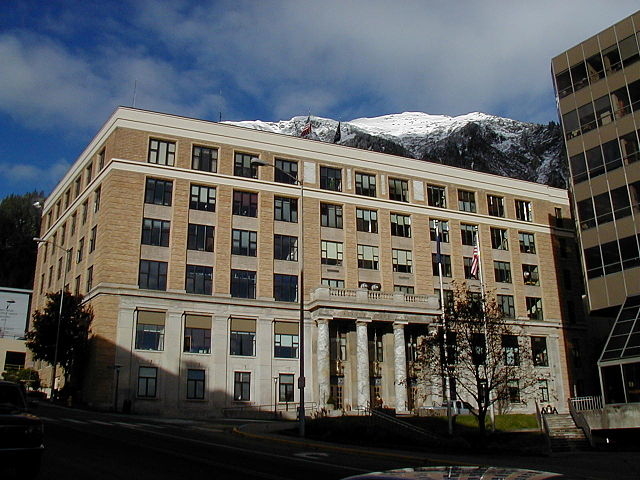
The Alaska State Capitol serves as the home for the Alaska Legislature and the offices of the governor and lieutenant governor. Opened in 1931, it was originally built as a federal building before Alaska achieved statehood in 1959. Built in 1931, it was initially known as the Federal and Territorial Building. It features a simple, functional design rather than the grandiose style typical of many state capitols. Inside, the capitol features murals depicting life in Alaska, highlighting the state's cultural connection to its land and ocean.
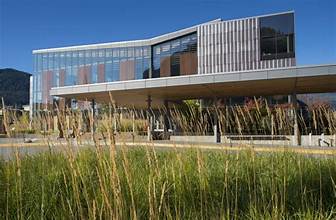
The Alaska State Museum features a striking architectural design that reflects the region's natural landscape and cultural heritage. Its modern structure includes expansive windows and distinctive wood grille ceilings, creating a unique space for showcasing Alaska's history and art. The museum is situated at the waterline entrance to downtown Juneau, enhancing its visibility and accessibility. Expansive windows frame views of five nearby mountain peaks, integrating the natural beauty into the museum experience.
The museum features a variety of exhibits showcasing Alaska's rich history, culture, and art, including artifacts from indigenous peoples and contemporary works. Visitors can explore both physical and virtual exhibits year-round.
The Douglas Bridge, also known as the Juneau-Douglas Bridge, connects Juneau, Alaska, to Douglas Island, spanning the Gastineau Channel. Built in 1981, it serves as a vital two-lane road link and is one of the busiest bridges in southeastern Alaska. It accommodates vehicles, pedestrians, and cyclists, offering scenic views. (pictured above)
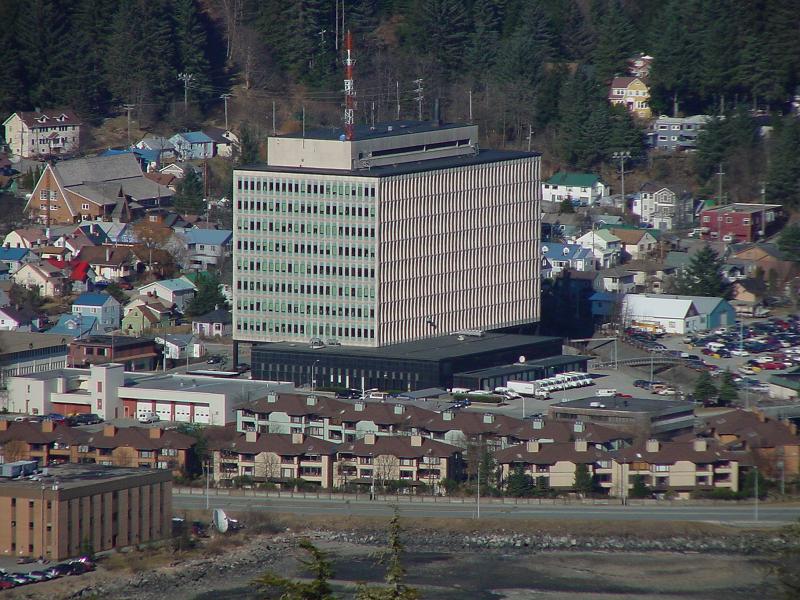
The Federal Building is a significant structure located at 709 West 9th Street. This building houses various federal agencies and is managed by the General Services Administration. It features nine floors, a basement, and a mezzanine level and is situated near Gold Creek, which has been lined with concrete to manage runoff from Mount Juneau. The building is also a hub for various legal and postal services in the area.
It showcases mid-century Modern architecture, reflecting a significant era in American civic design. The building stands nine stories tall, making it one of the taller structures in Juneau.
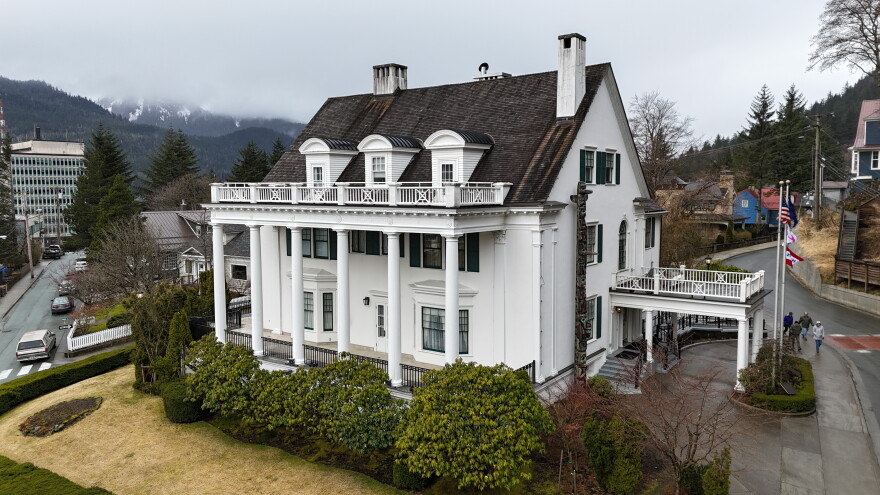
The Governor's Mansion serves as the official residence of the state's governor and their family. Built in 1912, this historic mansion is located at 716 Calhoun Avenue and features a distinctive architectural style designed by James Knox Taylor. The mansion was completed in 1912 and first occupied by Territorial Governor Walter Eli Clark. The mansion includes eight fireplaces and a totem pole outside, reflecting Alaskan culture.
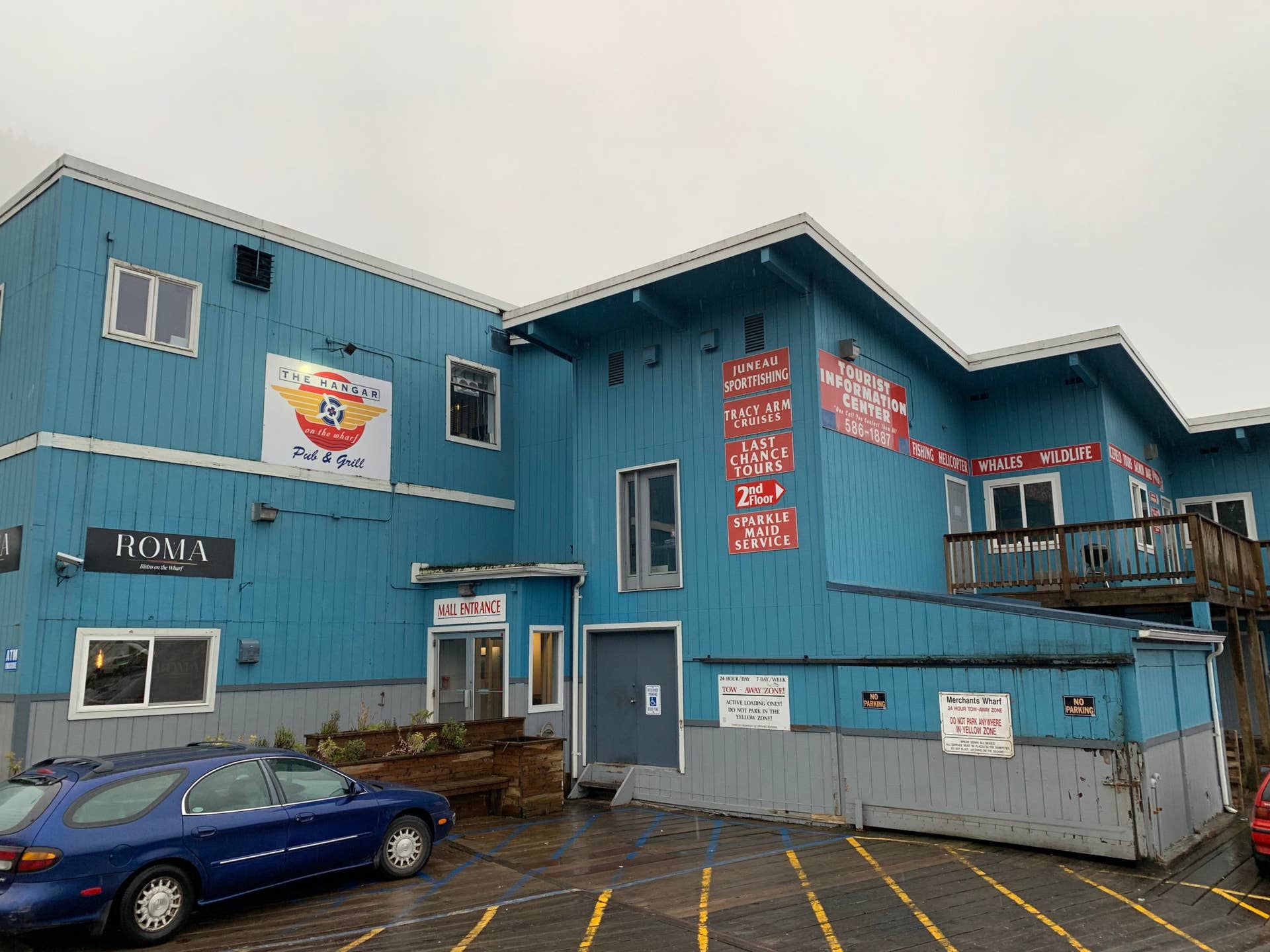
The Hangar on the Wharf is a historic building originally constructed in 1932 as a seaplane hangar. Its architecture features rustic elements, including vintage aircraft models and a design that offers stunning views of the waterfront. The interior features vintage aircraft models hanging from the ceiling, creating a memorable dining atmosphere. The outdoor seating area provides breathtaking views of the ocean and mountains, enhancing the dining experience. The building is part of the Historic Merchant's Wharf, making it a notable landmark in Juneau.
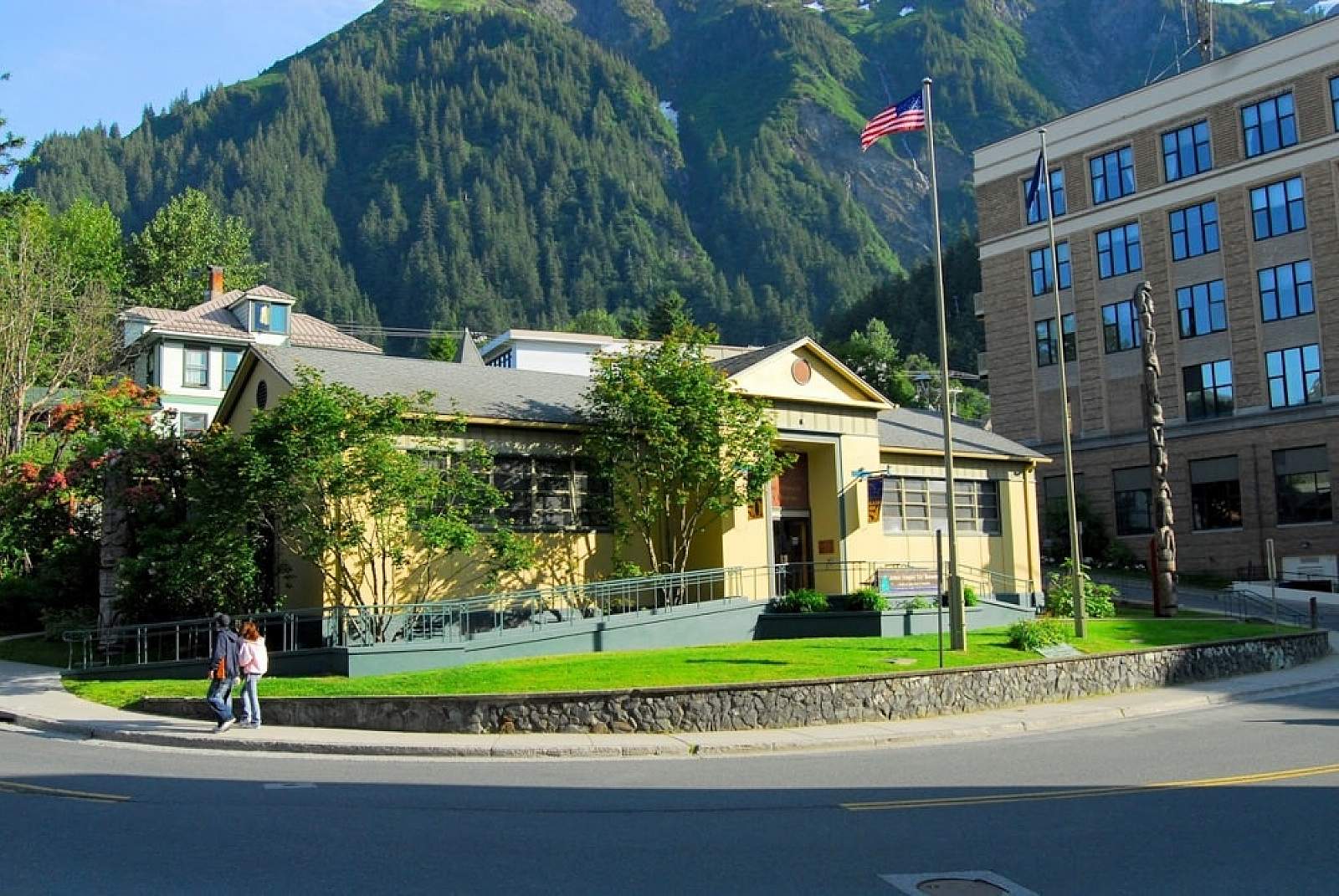
The Juneau-Douglas City Museum is housed in a two-story Classical Revival building constructed between 1950 and 1951, originally serving as the Juneau Memorial Library. Its architectural style features concrete construction with red marble trim elements, reflecting the historical significance of the area. The building is listed on the National Register of Historic Places, emphasizing its cultural value to Juneau.
The museum features a variety of exhibits that highlight the history and culture of Juneau and Southeast Alaska, including permanent displays on fishing, mining, and Alaska Native history. The museum also hosts temporary exhibits showcasing local artists and historical topics throughout the year.
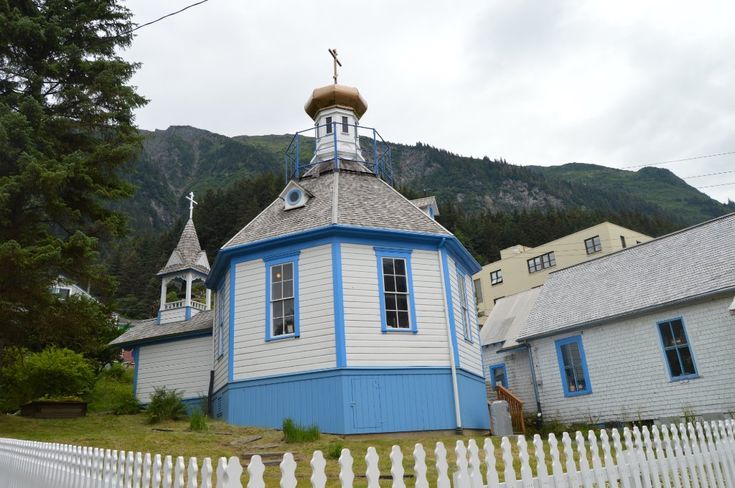
The Saint Nicholas Russian Orthodox Church has a significant historical presence in Alaska, dating back to the early 19th century when Russian missionaries arrived to spread Christianity. Today, it remains an integral part of Alaska's cultural heritage, with numerous historic churches and a diverse community of worshipers.
Constructed in 1893 by a dedicated congregation primarily made up of Tlingit and Siberian gold miners, this small octagonal wooden church is painted in striking blue and white hues. Its unique architecture features a golden onion dome that captures attention against the backdrop of Mount Roberts.
About the Creator
Rasma Raisters
My passions are writing and creating poetry. I write for several sites online and have four themed blogs on Wordpress. Please follow me on Twitter.
Enjoyed the story? Support the Creator.
Subscribe for free to receive all their stories in your feed. You could also become a paid subscriber, letting them know you appreciate their work.
Comments
There are no comments for this story
Be the first to respond and start the conversation.