
Most Iconic Buildings in Denver, Colorado
Impressive architecture

Brown Palace Hotel
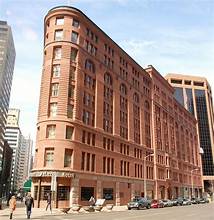
The Brown Palace Hotel is renowned for its unique architectural design, featuring a distinctive triangular shape and an impressive atrium. Designed by architect Frank E. Edbrooke, it was completed in 1892 and is recognized as one of America's most historically significant hotels. Constructed using Colorado red granite and sandstone, it exemplifies local materials. The opulent interior retains many antique furnishings and features medallions of native Colorado animals. It is listed on the National Register of Historic Places and is the second-longest operating hotel in Denver.
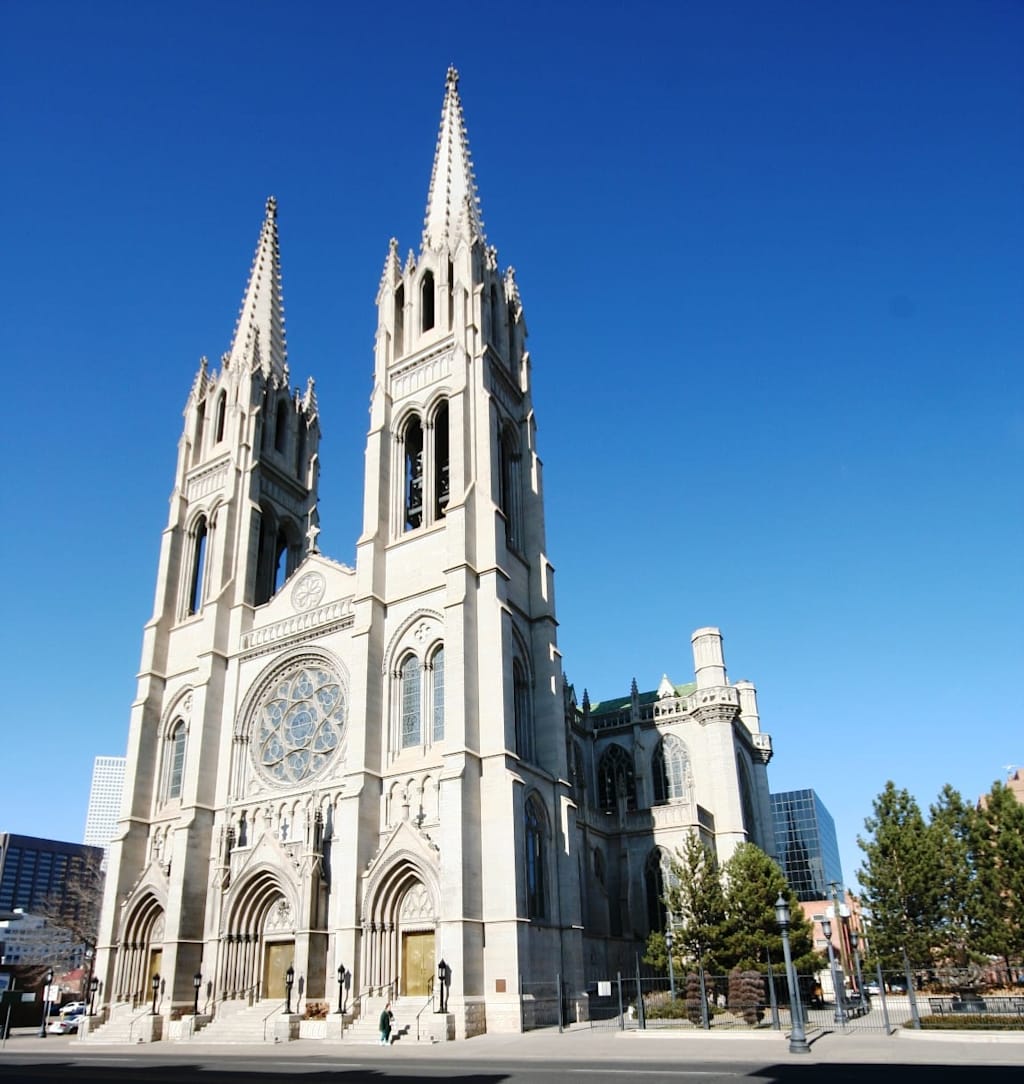
Cathedral Basilica of the Immaculate Conception
A magnificent example of French Gothic architecture, the Cathedral Basilica of the Immaculate Conception is frequently referred to as the “Pinnacled Glory of the West." Leon Coquard designed it, and Gove & Walsh completed it in 1912. The cathedral is renowned for its 68-foot faulted ceiling and twin 210-foot spires. Inside are exquisite stone sculptures and stunning stained-glass windows.
Colorado State Capitol

One important landmark in Denver is the Colorado State Capitol Building. Its gold-plated dome, which can be seen from all around the city, makes it stand out. The Senate, the House, and the Governor’s Office are housed in the architectural wonder, which was finished in 1901. The capitol has hand-painted depictions of American history and elaborate stained glass windows.
The building was designed by architect Elijah E. Myers, features a distinctive gold dome, and is constructed from Colorado white granite. Opened in 1894, it serves as a prominent symbol of the state's government and architecture. The Capitol has been a central part of Denver's Civic Center for nearly 130 years.
Daniels and Fisher Tower
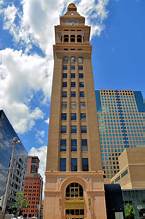
The Daniels and Fisher Tower, designed by Frederick G. Sterner, is a historic landmark inspired by St. Mark’s Campanile in Venice. Completed in 1911, it originally served as a prominent feature of the Daniels and Fisher Department Store and has undergone several restorations since its near-demolition in the 1970s. The tower stands at 325 feet, making it one of Denver's tallest structures at the time.
Denver Art Museum
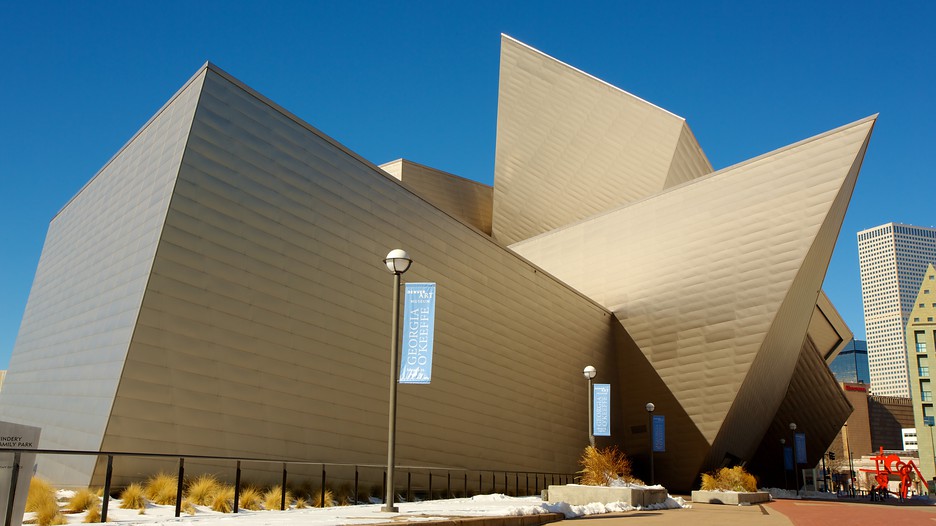
Italian architect Gio Ponti and Denver-based James Sudler Associates created the Martin Building, which debuted in 1971. It is now home to the Denver Art Museum, one of the earliest high-rise art museums in history; the edifice has a towering silhouette.
The museum features a unique blend of architectural styles, prominently showcasing the work of renowned architects like Daniel Libeskind and Gio Ponti. Its buildings, including the Hamilton Building and the Martin Building, reflect a modern aesthetic while integrating historical elements, making it a significant architectural landmark in Denver.
The Denver Art Museum houses over 80,000 works of art, featuring a diverse range of collections that include Western American art, Indigenous art, and pieces from various cultures around the world. Its extensive collection highlights both historical and contemporary works, making it one of the largest art museums in the region.
Denver Public Library
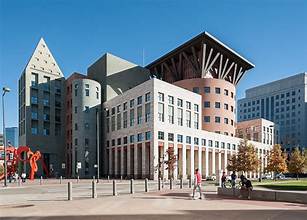
The Denver Public Library, designed by architect Michael Graves, is a prominent example of postmodern architecture, blending innovative and classical styles. Completed in 1995, it serves as the flagship of the Denver Public Library System and is notable for its unique design and expansive interior spaces. The central great hall and western history reading room are highlighted as spectacular interior spaces.
Molly Brown House
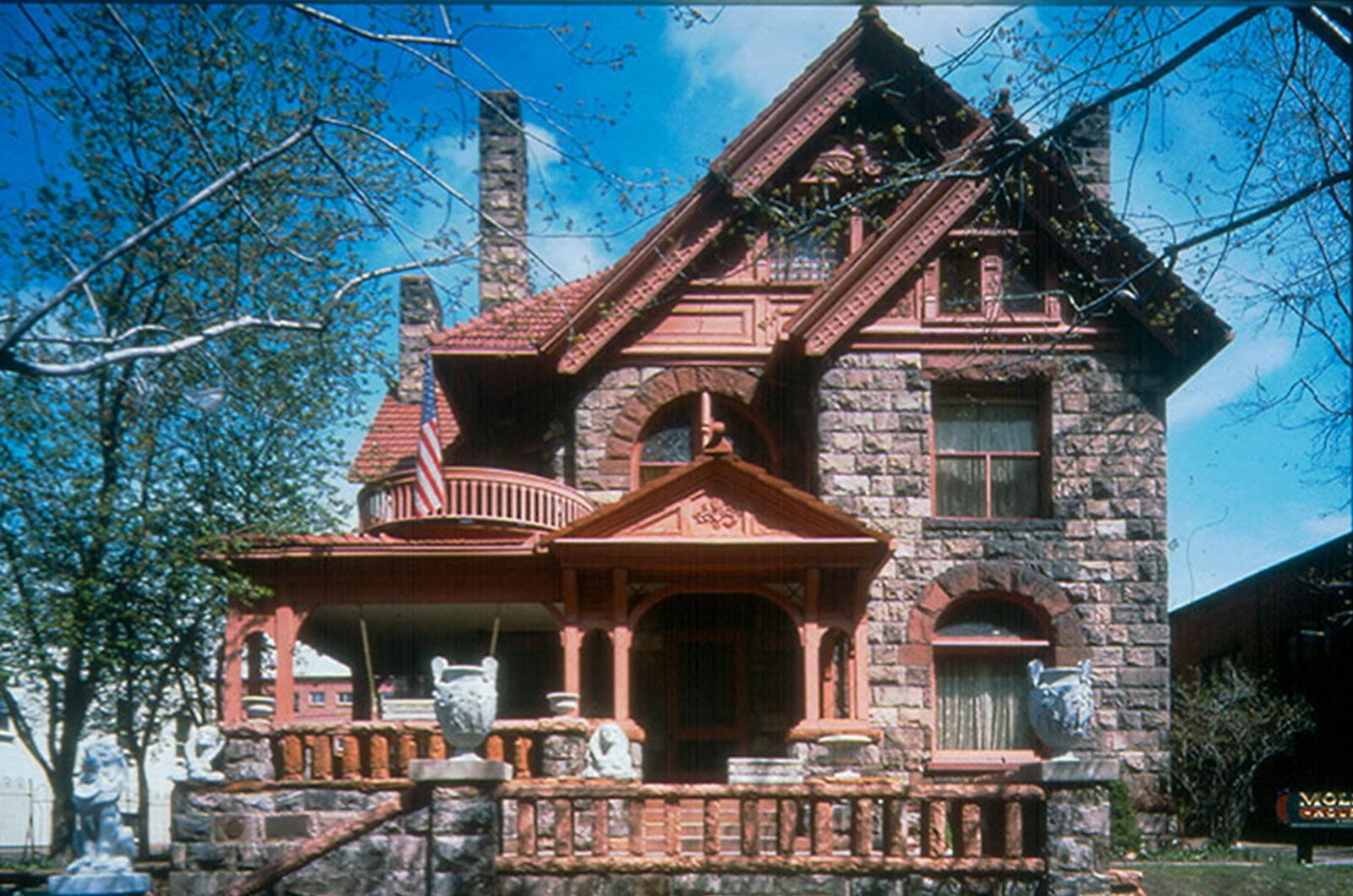
One of Denver’s important historical sites is the Molly Brown House. Architect William A. Lang created the design, and it was constructed in 1889. The home features Richardsonian Romanesque architecture and Queen Anne-style architecture. This Victorian house is now a museum honoring philanthropist and Titanic survivor Margaret “Molly” Brown.
Union Station
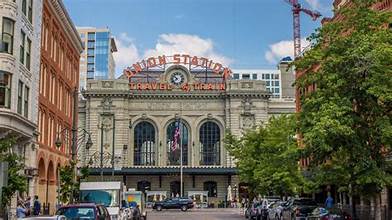
Originally constructed in 1881, Union Station has undergone extensive renovations, most notably in 1914 and from 2010 to 2014. In addition to being a significant transportation center, the station features Beaux-Arts architecture. It is a historic Beaux-Arts masterpiece designed by D.H. Burnham & Co., featuring ornate details and a significant renovation that transformed it into a vibrant hub for transportation and community activities.
It is also home to the Crawford Hotel, which combines historical features with contemporary convenience. The station features a mix of award-winning restaurants, shops, and the luxurious Crawford Hotel, making it a popular gathering place for both locals and visitors.
About the Creator
Rasma Raisters
My passions are writing and creating poetry. I write for several sites online and have four themed blogs on Wordpress. Please follow me on Twitter.
Enjoyed the story? Support the Creator.
Subscribe for free to receive all their stories in your feed. You could also become a paid subscriber, letting them know you appreciate their work.
Comments
There are no comments for this story
Be the first to respond and start the conversation.