
Most Iconic Buildings Des Moines, Iowa
Impressive architecture

Des Moines Art Center
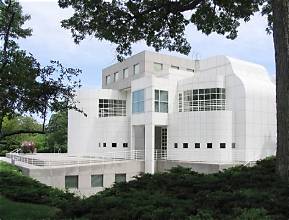
The Des Moines Art Center is a modern and contemporary art museum. It was designed by three renowned architects—Eiel Saarinen, I. M. Pei, and Richard Meier. Saarinen completed the original building in 1948 featuring clean lines and natural materials. A modern wing with a minimalistic aesthetic was added by Pei in 1968. In 1984, Meier added geometric forms and large windows to enhance natural light.
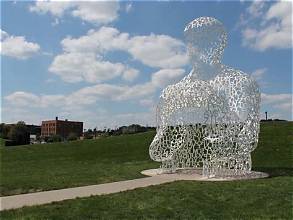
The center is also home to the Pappajohn Sculpture Park with amazing outdoor installations.
Hoyt Sherman Place
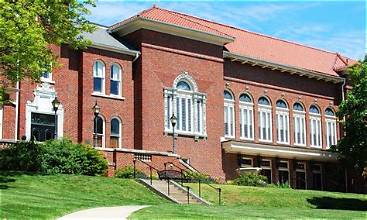
Completed in 1877, the Hoyt Sherman Place is a historic site situated in the Sherman Hill neighborhood of Des Moines. The building was initially the family home of Hoyt Sherman, an influential figure, and later became a hub for art and culture.
Iowa State Capitol
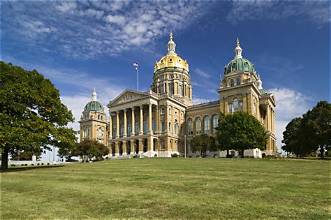
The Iowa State Capitol showcases a blend of architectural styles, primarily influenced by Renaissance Revival. It is rectangular with large windows and high ceilings, typical of 19th-century public buildings. The capitol was designed by architect Alfred H. Piquenard and features a prominent dome. It serves as a landmark of history and civic life in Iowa, hosting various governmental functions.
Iowa Women of Achievement Bridge
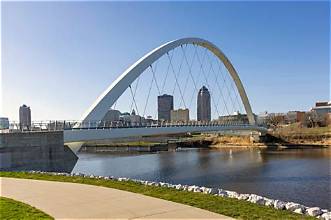
The Iowa Women of Achievement Bridge is a pedestrian bridge connecting the east and west sides of Downtown Des Moines. It spans the Des Moines River. It is great for leisurely strolls with breathtaking views of the city skyline and the Lauridsen Skatepark. It looks amazing all lit up at night.
Salisbury House
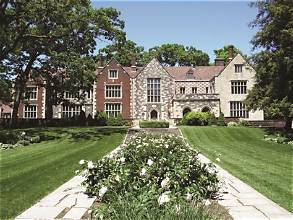
Salisbury House showcases a unique blend of architectural styles. Built between 1923 and 1928 by cosmetics magnate Carl Weeks and his wife Edith, the house is primarily designed in Tudor, Gothic, and Carolean styles. The house is modeled after the King's House in Salisbury, England, incorporating elements from various historical styles. The estate features 42 rooms and is set on 9.5 acres of landscaped gardens and woodlands, providing a picturesque setting.
Science Center of Iowa
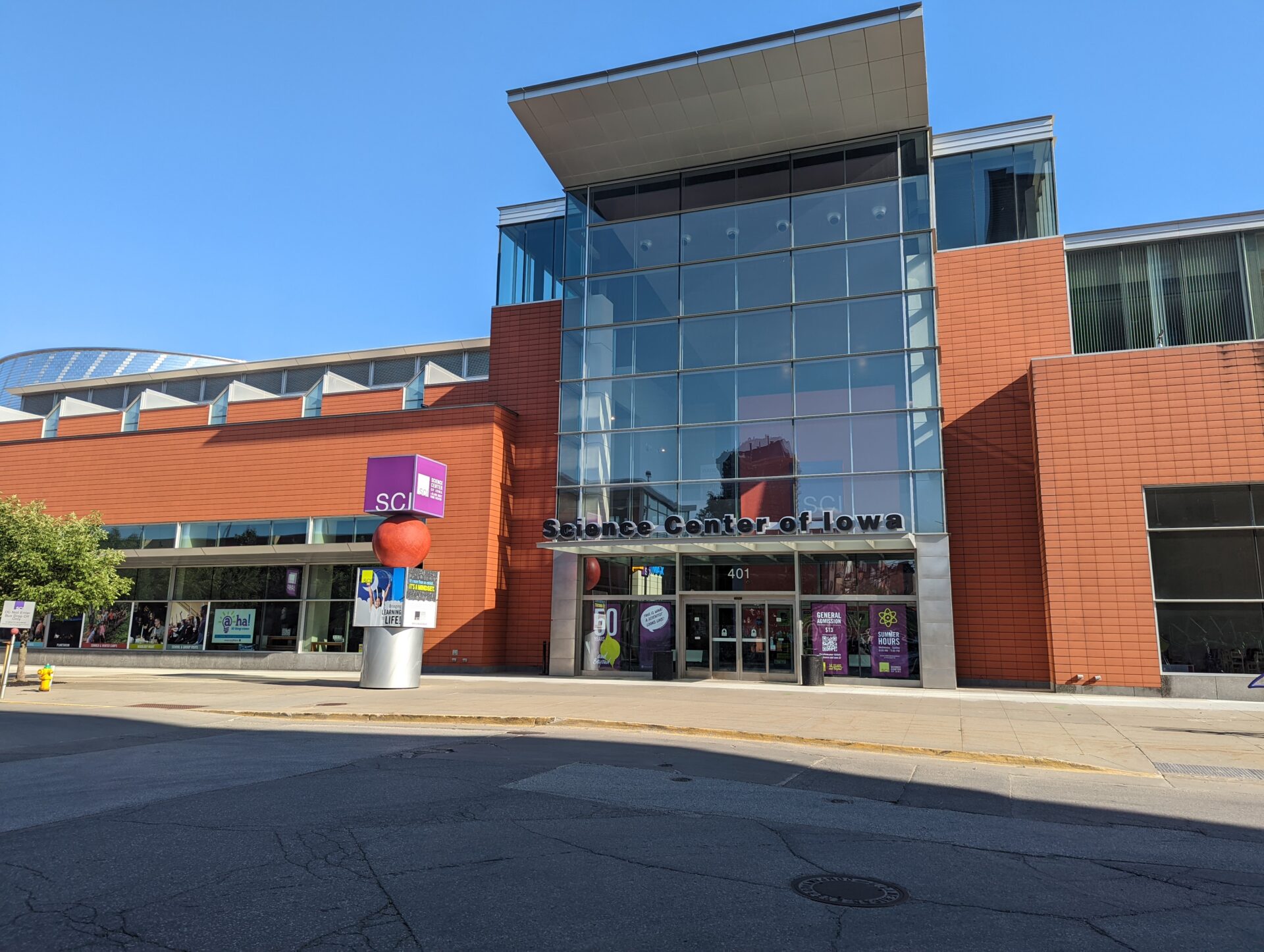
The Science Center of Iowa features innovative architecture that enhances the learning experience. The building's design is characterized by a high, sweeping curvilinear ceiling that creates a dynamic atmosphere, symbolizing discovery and informal learning. It houses one of the most visually striking IMAX dome theaters in the Midwest, which rises six stories.
State Historical Building
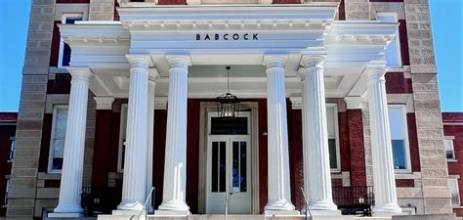
The State Historical Building serves as the flagship museum for the state, showcasing Iowa's rich history. It features a variety of exhibitions that highlight the state's accomplishments, contributions, and heritage across its 99 counties. The museum includes artifacts and displays that cover various aspects of Iowa's past, including its agricultural roots and cultural developments. The building showcases a blend of architectural styles and modernist design. It serves multiple functions, including public spaces and areas for staff and collections storage, reflecting a thoughtful architectural space program. It is also referred to as the Ola Babcock Miller Building and is listed on the National Register of Historic Places.
Terrace Hill
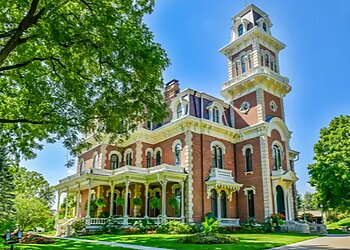
Terrace Hill, the Governor's Mansion, is a notable example of Victorian Second Empire architecture. It was commissioned by Benjamin Franklin Allen and designed by architect William W. Boyington in 1866; it showcases a 90-foot tower and a mansard roof, typical of the Second Empire style. It serves as the governor’s residence and is a National Historic Landmark. Situated on a high hill, the property features landscaped grounds that enhance its grandeur, designed by landscape architect J. T. Elletson.
World Food Prize Hall of Laureates
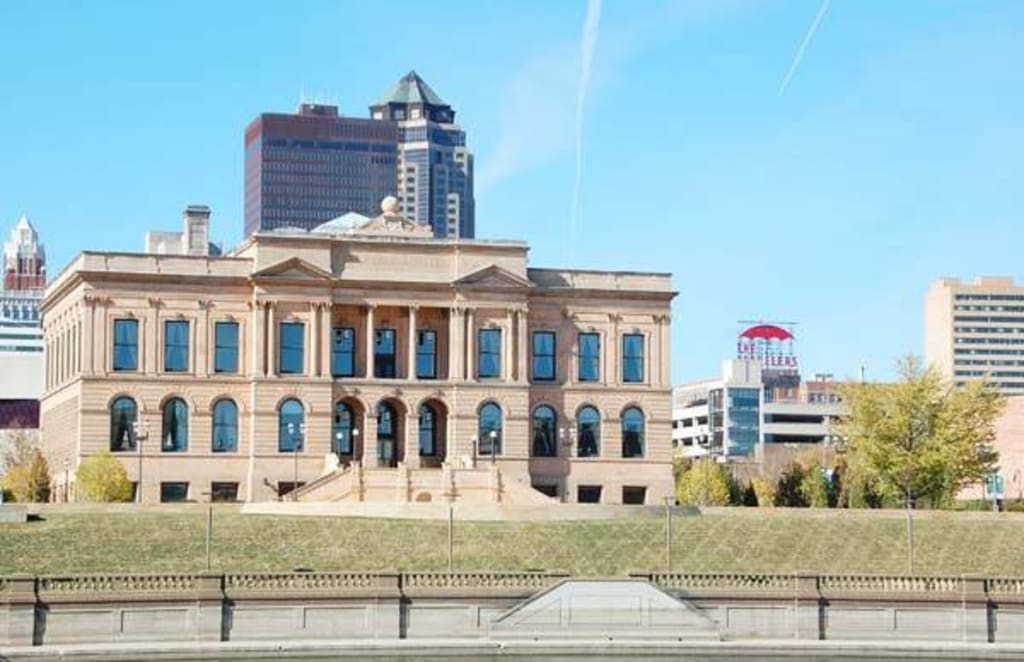
The World Food Prize Hall of Laureates features stunning Beaux-Arts architecture. This historic building, originally the Des Moines Public Library, has been transformed to honor the contributions of agricultural innovators. The heart of the Hall showcases a breathtaking dome and intricate details. It was designed to achieve LEED Platinum certification, emphasizing energy efficiency and sustainability. Museum areas display the achievements of laureates and the founder, Dr. Norman Borlaug, with accessible features like elevators. (pictured above)
About the Creator
Rasma Raisters
My passions are writing and creating poetry. I write for several sites online and have four themed blogs on Wordpress. Please follow me on Twitter.
Enjoyed the story? Support the Creator.
Subscribe for free to receive all their stories in your feed. You could also become a paid subscriber, letting them know you appreciate their work.
Comments
There are no comments for this story
Be the first to respond and start the conversation.