
Most Famous Buildings Luxembourg City, Luxembourg
Impressive architecture

Cathedral Notre Dame
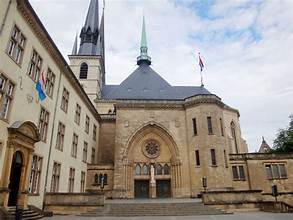
Notre-Dame Cathedral was constructed between 1613 and 1621, originally serving as a Jesuit church before being consecrated as a cathedral in 1848. It features a fusion of Gothic and Renaissance styles, evident in its intricate designs and structures. It features intricate details and significant historical elements that reflect its role in the Counter-Reformation. Inside visitors can see the beautiful stained glass, wood carvings, and sculptures. The north gate with its Baroque design is impressive.
Court of Justice of the European Union
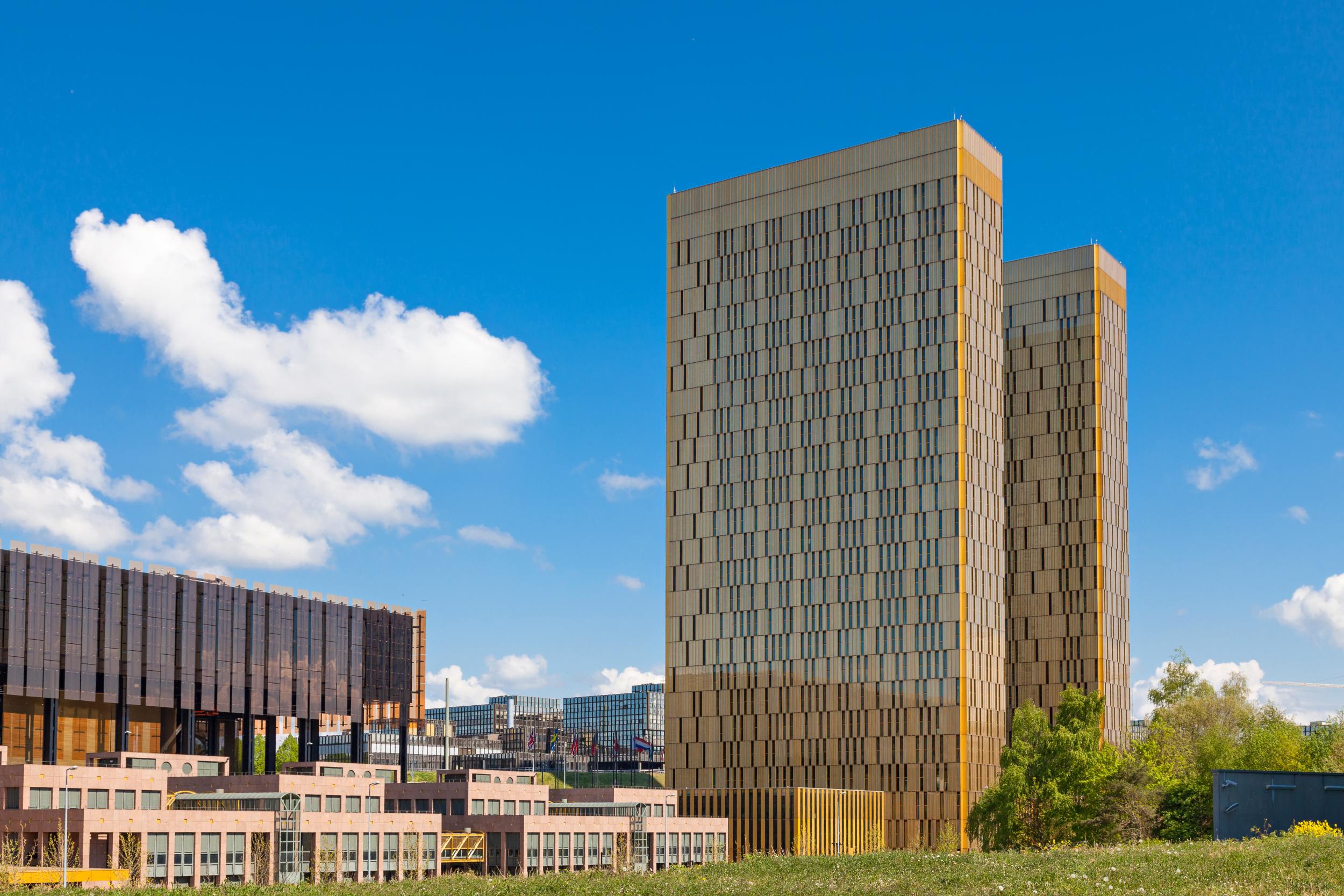
The highest court in the EU is the Court of Justice of the European Union, which is situated on the Kirchberg Plateau. Since it was built in 1973, the building has undergone multiple renovations. It interprets EU law to ensure consistent application across all member states, addressing legal disputes between national governments and EU institutions.
It features a distinctive architectural style characterized by its modern extensions and original design elements from the 1970s. The complex includes notable structures like the tallest building in Luxembourg, showcasing a blend of functionality and aesthetic appeal. In order to capture sunrays and brighten the skies, architect Dominique Perrault painted the Twin Towers a brilliant shade of gold.
Hotel de Ville
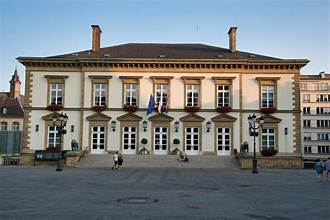
The magnificent neo-Classical structure known as the Hotel de Ville was built in the 1830s by French architect Justin Remont. Materials from a Franciscan monastery that had previously been on the location in the 13th century were used to build it. Situated on Place Guillaume II, it is currently home to the mayor's office and functions as the hub of municipal government.
Hotel Le Place d’Armes
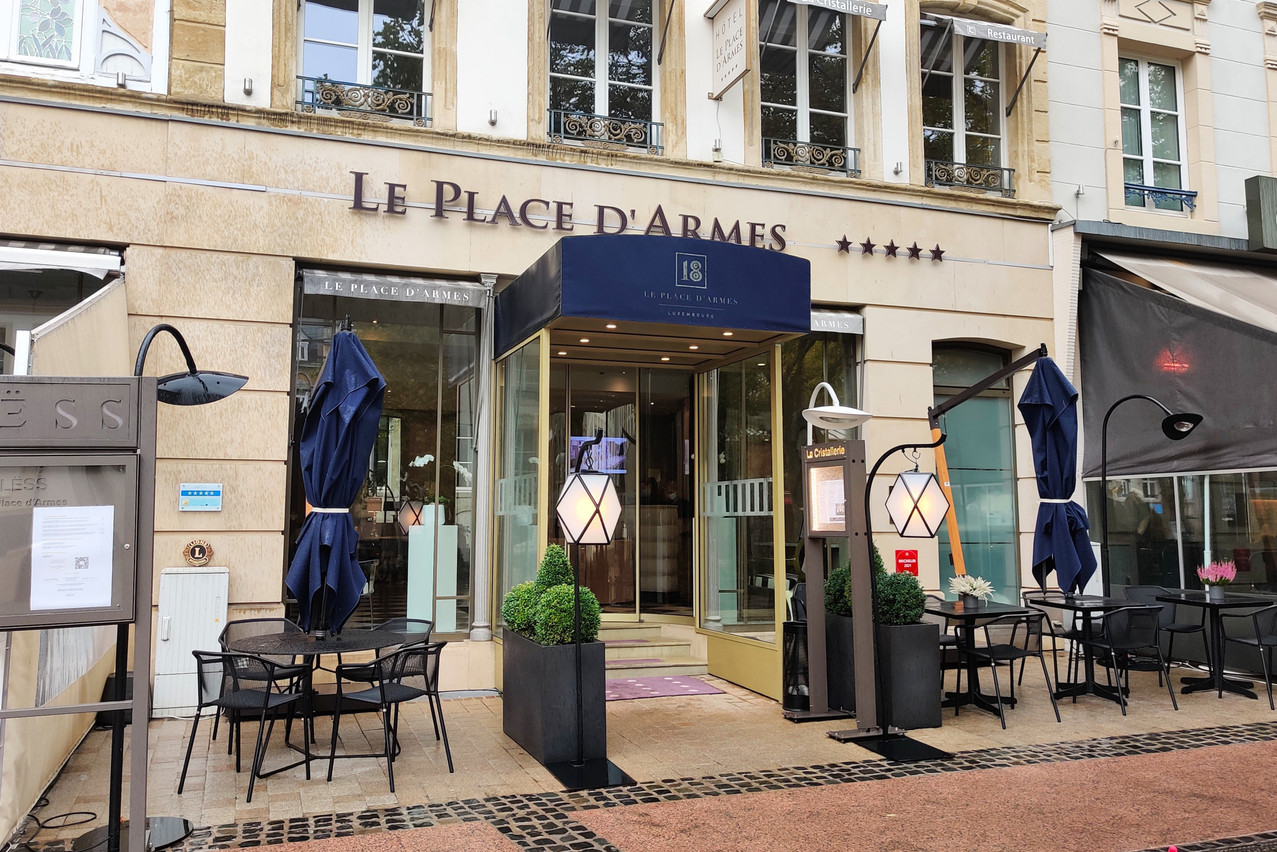
The opulent five-star hotel is situated in the center of Ville Haute. It is housed in 18th-century townhouses skillfully combining contemporary convenience with historic elegance. The tastefully designed room maintains original elements like repaired stonework and timber supports.
Luxembourg City History Museum
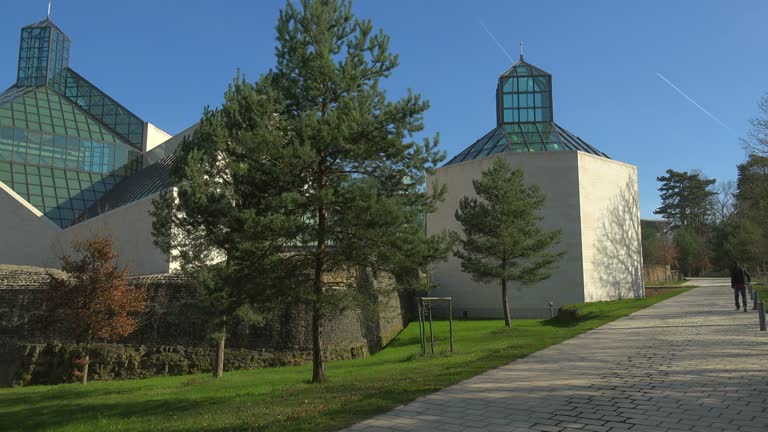
The Luxembourg City History Museum features a unique blend of historic and modern architecture, housed in four restored houses from the 17th to 19th centuries, showcasing the city's rich history and cultural evolution. It juxtaposes ancient architecture with modern extensions, including a sleek glass façade. An immersive six-story vertical tour is provided by the glass elevator.
Musee Drai Eechelen
Situated in the renovated Fort Thungen, which was constructed between 1732 and 1733. Musee Drai Eechelen is a contemporary museum that provides a remarkable journey through the history of the country. The museum features displays and objects that highlight the fortress’s importance in the nation’s identity and territorial growth. Underground tunnels and casemates that showcase the various eras the fortress went through can be explored by visitors.
National Art and History Museum
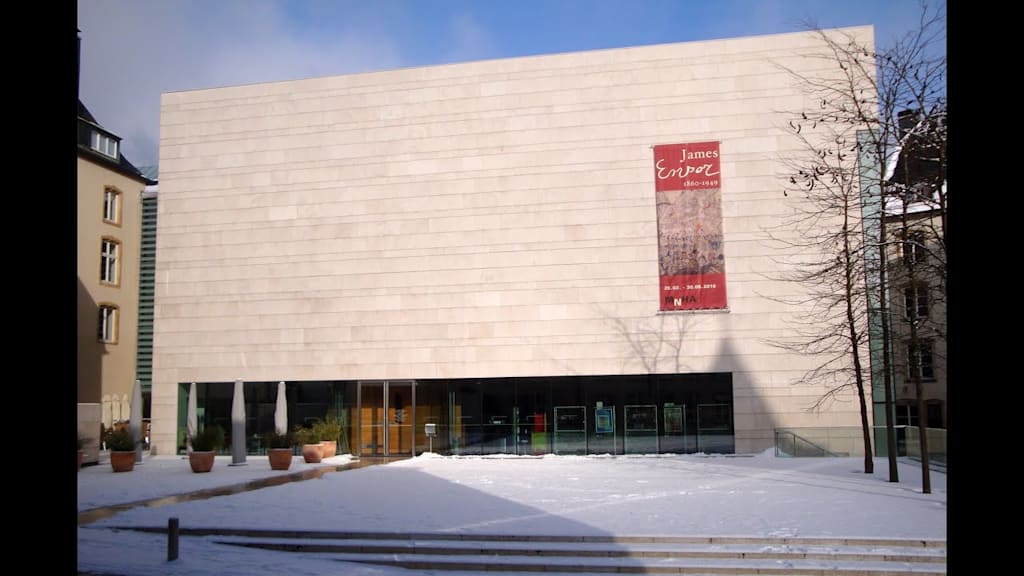
The National Museum of History and Art features a blend of modern and historical architecture, showcasing the city's cultural heritage through its design and exhibitions. The museum is situated in the UNESCO-listed Old Town, between the Grand Ducal Palace and the Bock Casemates. It includes three levels of 700 square meters each, carved from rock and visible through glass walls. (pictured above)
The museum houses an extensive collection of fine art, decorative art, archaeology, and coins.
Neumunster Abbey
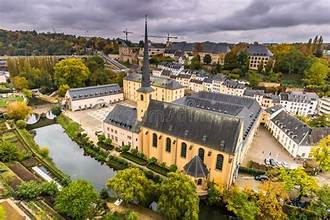
The abbey has undergone numerous changes since it was first constructed in 1688 by Benedictine monks and enlarged in 1720. The Neumunster Abbey has been used as a prison, police station, and Prussian army barracks. It consists of a church and four wings enclosing an inner courtyard.
It hosts conferences, live music concerts, and exhibitions.
Palais Grand Ducal
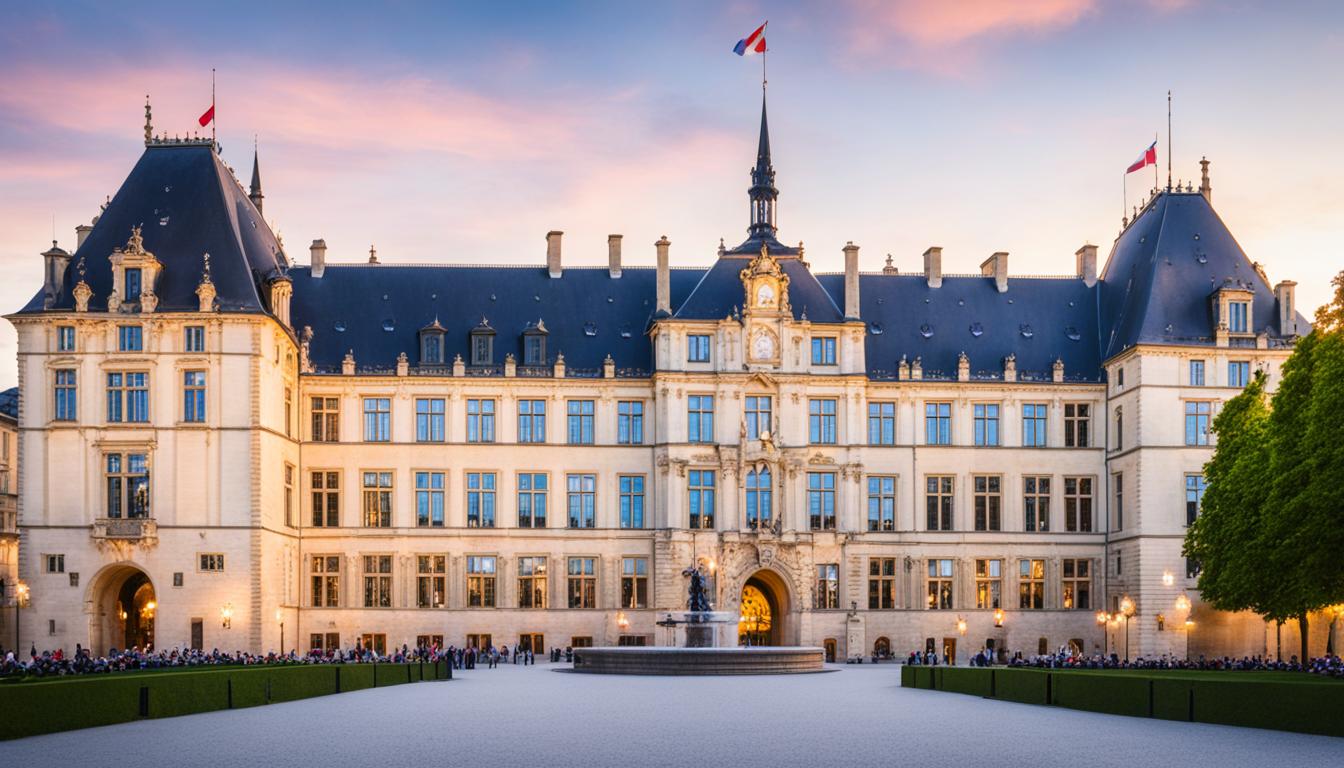
The Grand Ducal Palace, also known as Guillaume II Palace, is the official residence of the Grand Duke of Luxembourg. Located in the heart of Luxembourg City, this historic building serves as a key site for the Grand Ducal family’s official duties and public engagements. The majestic Renaissance structure was first built in 1572 as the city hall and has undergone numerous changes over the years. In 1890, it was recognized as the Grand Duke of Luxembourg’s formal house after serving as a government headquarters.
Philharmonic Luxembourg
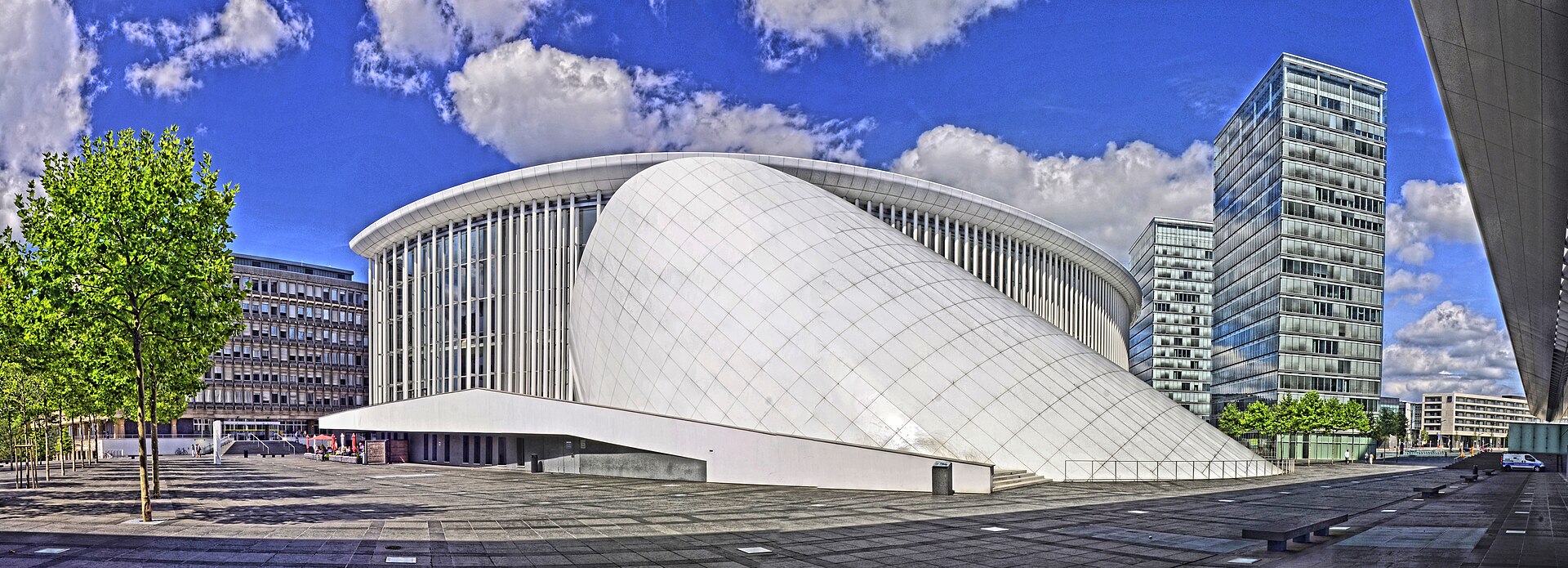
Also referred to as the Grande-Duchesse Josephine-Charlotte Concert Hall, the Philharmonic Luxembourg is a renowned concert venue situated in the Kirchberg Plateau. French architect Christian de Portzamparc constructed it in 1997. The building features an impressive design with 827 vertical lines that form a foyer. It hosts 400 performances annually.
Place Guillaume II
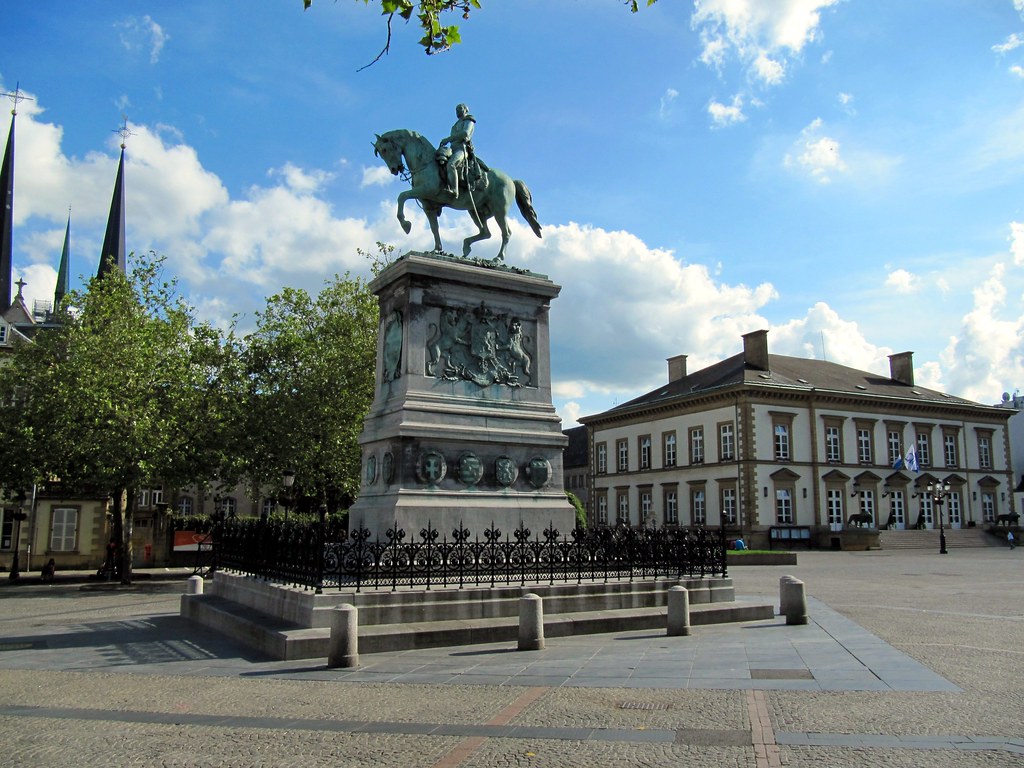
William Square, also known as Place Guillaume II is a public square that dates back to the 13th century and was named for King William II. It is a bustling center of activity in the middle of the city, hosting outdoor markets and festivals.
It is well-known for the bronze statue of Grand Duke William II and full of impressive structures.
About the Creator
Rasma Raisters
My passions are writing and creating poetry. I write for several sites online and have four themed blogs on Wordpress. Please follow me on Twitter.
Enjoyed the story? Support the Creator.
Subscribe for free to receive all their stories in your feed. You could also become a paid subscriber, letting them know you appreciate their work.
Comments
There are no comments for this story
Be the first to respond and start the conversation.