
Most Famous Buildings in Zagreb, Croatia
Impressive architecture

Art Pavilion
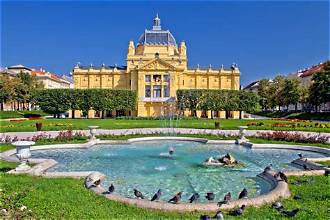
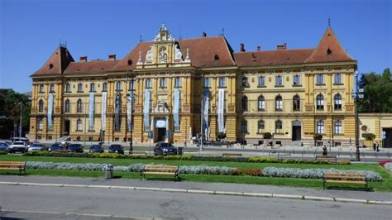
The Art Pavilion in Zagreb is a significant architectural landmark, showcasing a blend of styles. Established in 1898, it is the oldest gallery in Southeast Europe and was specifically designed for large-scale exhibitions. The pavilion was originally constructed for the Millennium Exhibition in Budapest, celebrating a thousand years of Hungarian statehood. Designed by the architectural duo Ferdinand Fellner and Hermann Helmer, the pavilion reflects a mix of styles, primarily influenced by late Art Deco and modernist architecture. Located on King Tomislav Square, it plays a crucial role in Zagreb's cultural scene, hosting various art exhibitions and events.
Croatian National Theater
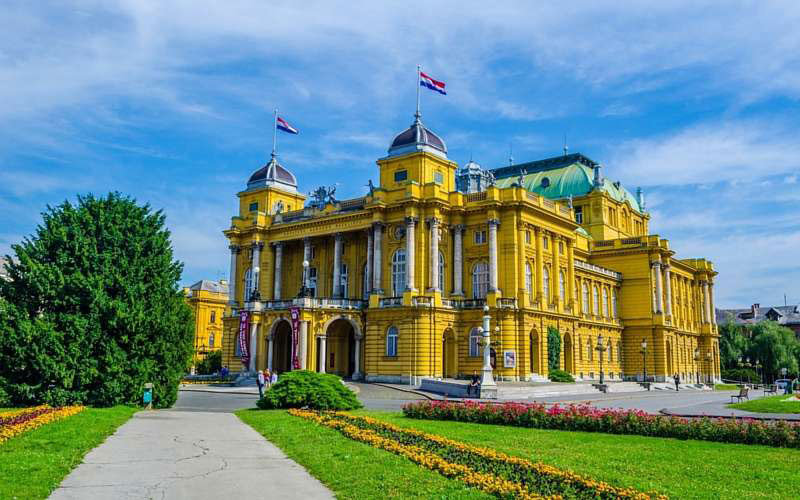
The Croatian National Theatre in Zagreb is a stunning example of Neo-Baroque architecture. The theater features a bright yellow façade that stands out prominently in Republic of Croatia Square. Built in just 16 months, it was inaugurated on October 14, 1895, in the presence of Emperor Franz Joseph I. The interior is richly decorated, complementing its grand exterior and showcasing the artistic heritage of Croatia.
Green Horseshoe
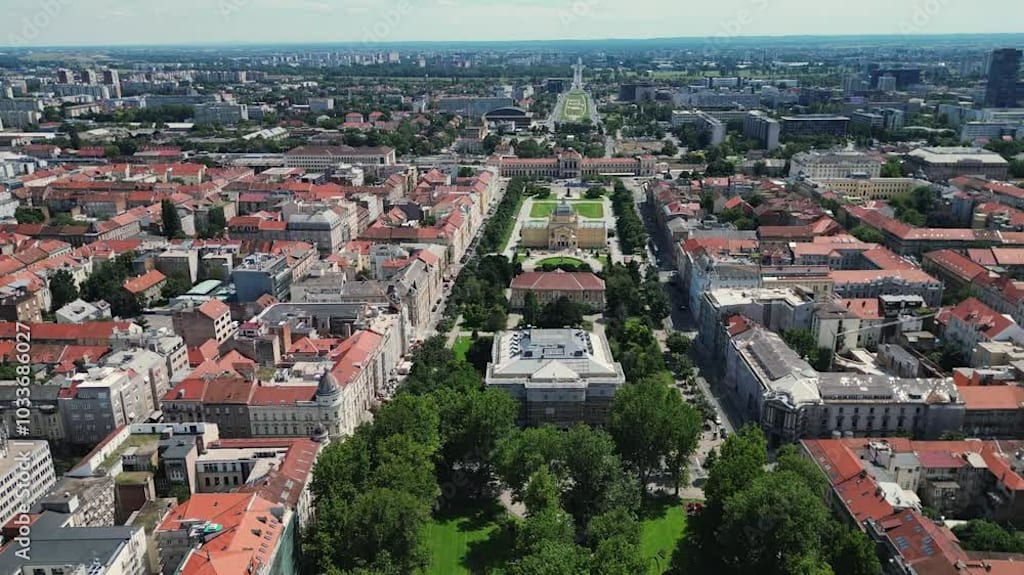
The Green Horseshoe was conceived in 1882 and constructed between 1883 and 1887, showcasing a blend of natural beauty and urban design. Each of the seven squares is dedicated to important Croatian historical figures, enhancing the cultural significance of the area. Located centrally within the horseshoe, the botanical garden features over 10,000 plant species, providing a serene environment for visitors. (pictured above)
Jimi Hendrix Bridge
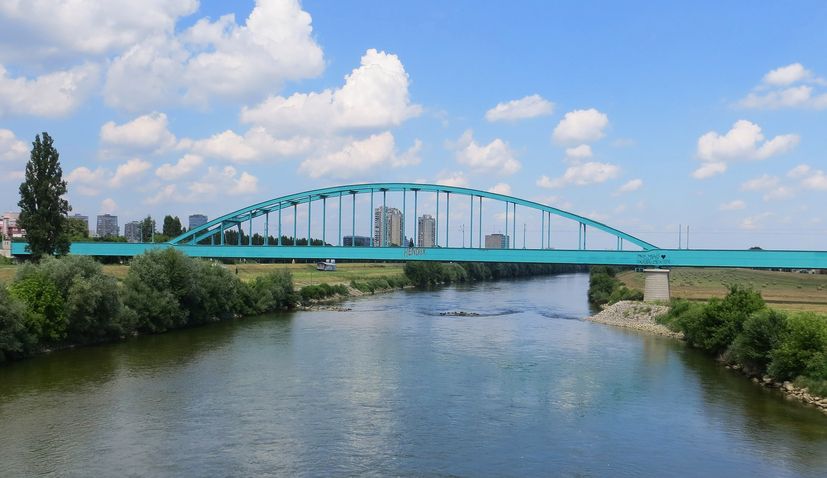
The most famous bridge in Zagreb is the Jimi Hendrix Bridge, also known as the Green Bridge. The bridge spans the Sava River, connecting important parts of the city. It gained its name in 2015 to honor the graffiti that originally adorned it, making it a significant cultural landmark in the city. It is one of the oldest bridges in Zagreb, originally built for railway traffic. The bridge features a distinctive green color and is a popular spot for both locals and tourists.
Lotrscak Tower
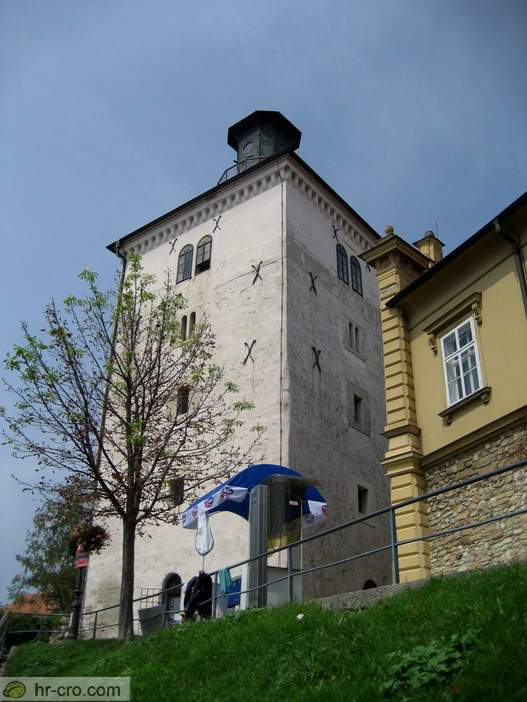
Lotrščak Tower is a historic landmark built in the 13th century. It served as a medieval watchtower to protect the southern gate of Gradec, the old town of Zagreb. The tower is renowned for the Grički cannon, which has been fired daily at noon since 1877, marking the hour for locals and visitors alike. Its design features a predominantly Romanesque base, with modifications made during the mid-19th century under architect Kuno Waidmann, which added upper stories and new windows. The tower also includes a wooden polygonal fire lookout, enhancing its defensive capabilities.
Metstrovic Pavilion
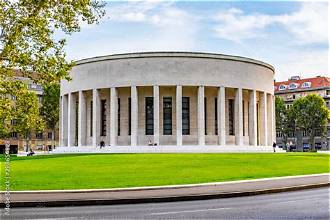
Also referred to as the Home of Croatian Artists, the Mestrovic Pavilion is a key architectural landmark in the city. It is situated on the Square of the Victims of Fascism. The circular building was designed by renowned Croatian sculptor Ivan Mestrovic and completed in 1938. Today it is the headquarters for the Croatian Society of Fine Artists.
Museum of Contemporary Art
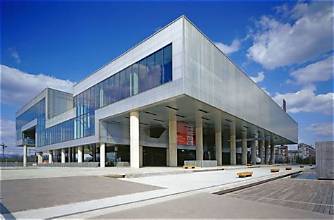
One of the most modern buildings in Zagreb, the Museum of Contemporary Art is situated across the River Sava. Designed by Croatian architect Igor Franić, the museum opened in 2009. The architecture is a blend of modernity and functionality. The museum's design emphasizes open spaces, allowing for flexible exhibition arrangements and a seamless flow for visitors. It is home to various modern art pieces, among them video artworks projected on a 90-meter-long LED screen.
St. Mark’s Church
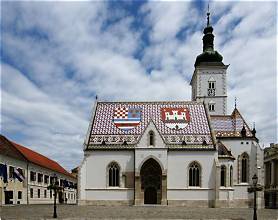
One of the oldest buildings in Zagreb, St. Mark’s Church dates back to the 13th century. It is situated in the Upper Town on St. Mark’s Square. The church is known for its colorful roof featuring red, white, and blue tiles arranged in a pattern that depicts the coats of arms of Zagreb and Croatia. It is renowned for its Gothic style and intricate sculptures. The church was built on Romanesque foundations. The church features a blend of Gothic and Romanesque architectural elements, showcasing its historical evolution. Additionally, it incorporates Baroque-style elements due to various reconstructions over the centuries.
Zagreb Cathedral
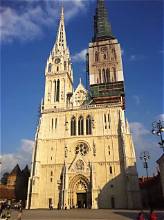
Situated at Kaptol, the Zagreb Cathedral is among the city’s most iconic structures, It is also referred to as the Cathedral of the Assumption of the Blessed Virgin Mary and Saints Stephen and Ladislav. This is the second tallest building in Croatia. It is a fine example of the neo-Gothic style with slender, cross-ribbed arches. The cathedral is characterized by its twin spires, which rise prominently above the Zagreb skyline, making it a defining landmark of the city.
Zagreb City Museum
Zagreb City Museum is a significant cultural institution housed in the historic Kulmer Palace. This late Baroque palace, built in the 18th century, provides a fitting backdrop for the museum's extensive collection, which chronicles the city's history from ancient times to the present day. The museum features a variety of artifacts, including architectural fragments, period costumes, and historic photographs, showcasing the evolution of Zagreb's architecture and urban planning
About the Creator
Rasma Raisters
My passions are writing and creating poetry. I write for several sites online and have four themed blogs on Wordpress. Please follow me on Twitter.
Enjoyed the story? Support the Creator.
Subscribe for free to receive all their stories in your feed. You could also become a paid subscriber, letting them know you appreciate their work.
Comments
There are no comments for this story
Be the first to respond and start the conversation.