
Most Famous Buildings in Warsaw, Poland
Impressive architecture

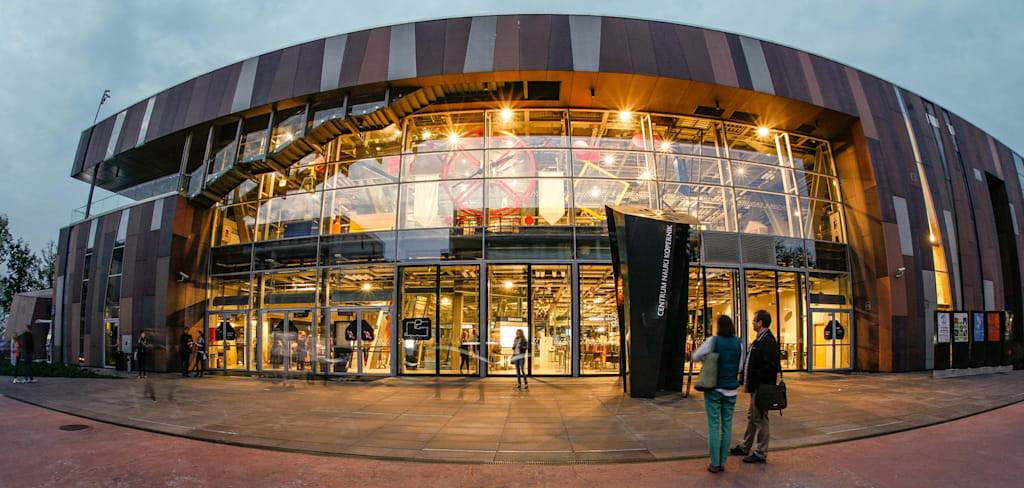
Copernicus Science Center
The Copernicus Science Center is a striking example of modern architecture that integrates ecological and contextual elements, designed by the architectural firm RAr-2. It serves as a multi-functional facility, combining educational exhibits with innovative design features that enhance the surrounding environment. It is the largest facility of its kind in Poland, featuring permanent and temporary exhibitions, laboratories, and a multimedia planetarium. The surrounding greenery improves air quality and regulates temperature, showcasing a commitment to sustainability.
Krolikarnia Palace
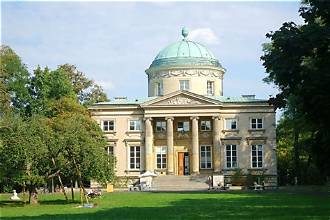
Amazingly also known as “The Rabbit House," the Krolikarnia Palace is situated in the Mokotow District of the city. It was built in the 18th century by Count de Valery, based on the design by Dominik Merlini. The palace was initially set up to be a zoo for hunting rabbits. Today it is home to the Xawery Dunikowski Museum of Sculpture which showcases the artworks of the notable Polish sculptor Xawery Dunikowski.
Surrounding the palace is a lovely park where visitors can take leisurely strolls and see temporary exhibitions on themes connected to sculpture.
Palace of Culture and Science
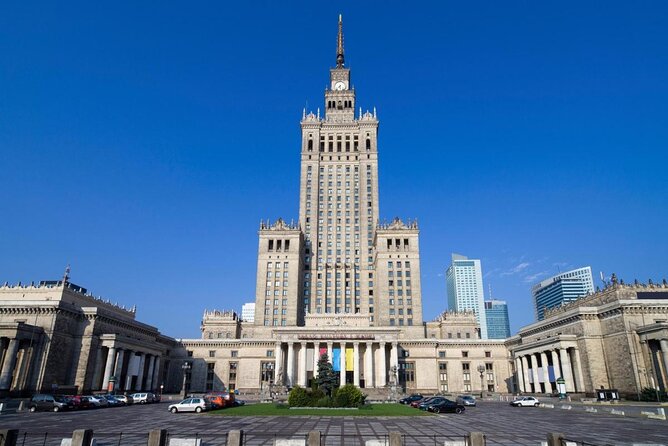
Situated in central Warsaw, the Palace of Culture and Science is the second tallest building in the city and the sixth tallest in the European Union. Built in 1955 it is a prime example of Socialist Classicism and traditional Polish architecture. The palace was designed by Russian architect Lev Rudney, and it was presented as a “gift” form the Soviet Union. The structure is home to theaters, a cinema, museums, and office spaces. Form the observation deck, visitors can get spectacular views over Warsaw.
POLIN
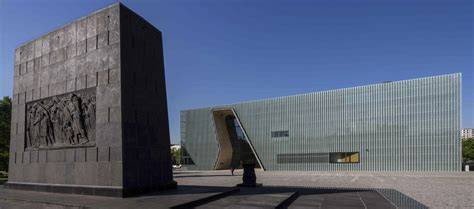
The POLIN Museum of the History of Polish Jews features a striking architectural design by Finnish architects Rainer Mahlamäki and Ilmari Lahdelma, blending modern aesthetics with historical context. Its construction began in 2009, and it has become a significant cultural landmark, reflecting the rich history of Polish Jews. Situated in Muranów, Warsaw's former Jewish quarter, the site is historically significant and enhances the museum's narrative.
Poniatowski Bridge
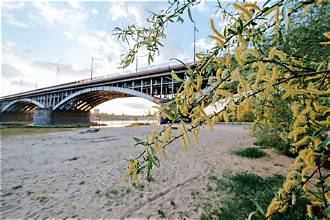
The most popular bridge in Warsaw is the Poniatowski Bridge, known for its iconic design and connection between the city's historic center and the Praga district. The bridge spans the Vistula River, linking the Powiśle and Praga districts. It features a steel structure with eight spans, designed by Stefan Szyller.
Royal Castle
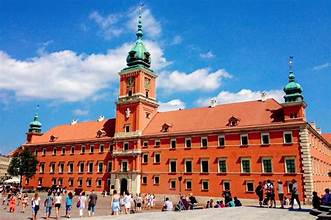
The Royal Castle showcases a blend of Gothic and Baroque architectural styles, reflecting its historical significance and the various renovations it underwent over the centuries. Originally a medieval stronghold, it was transformed into a royal residence in the 16th century and has been a symbol of Polish heritage ever since. The castle features a mix of Gothic, Mannerist, and Baroque styles, with significant renovations by architects like Giovanni Battista Trevano and Matteo Castelli. The interiors are richly decorated, showcasing art and furnishings that reflect the royal heritage of Poland.
Warsaw University Library
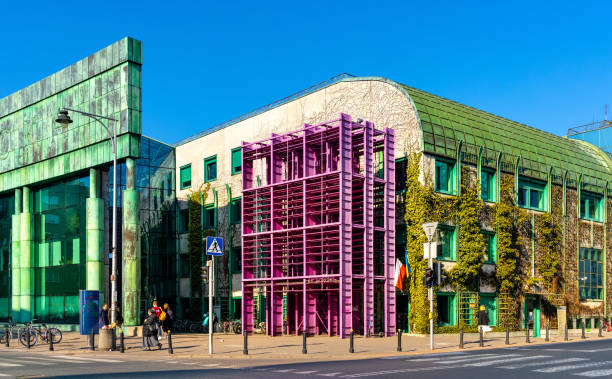
Built in 1999, the Warsaw University Library, also referred to as Biblioteka Uniwersytecka w Warszawie (BUW), stands out with its unique postmodernist design. The library has become an architectural icon in the city. The exterior has bold shapes and colors. It was designed by Marek Budzyński and Zbigniew Badowski and integrates a functional library space with a rooftop garden, making it a unique cultural and natural landmark in Warsaw.
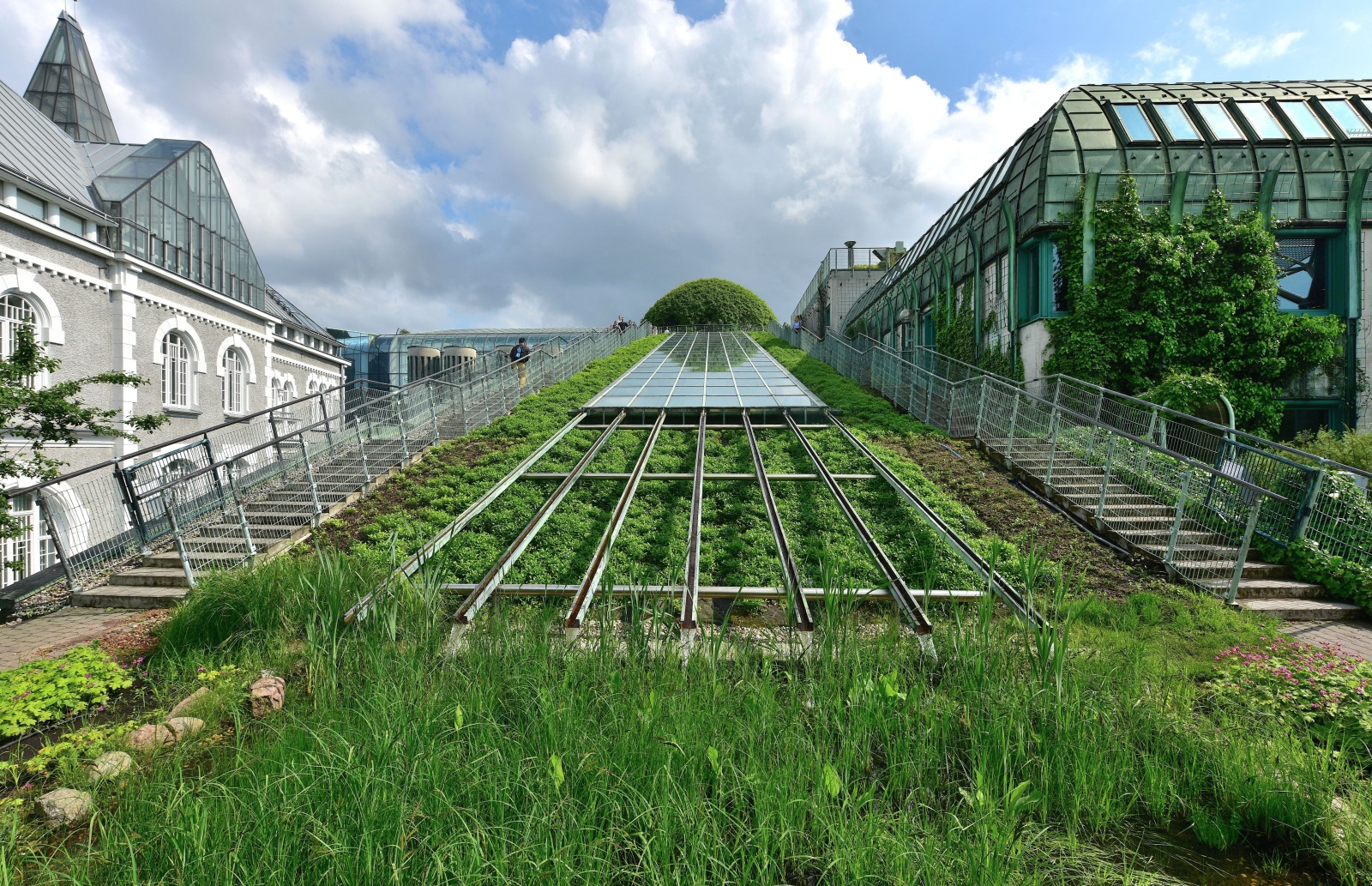
The garden features maze-like paths and walkways.
Zlote Tarasy
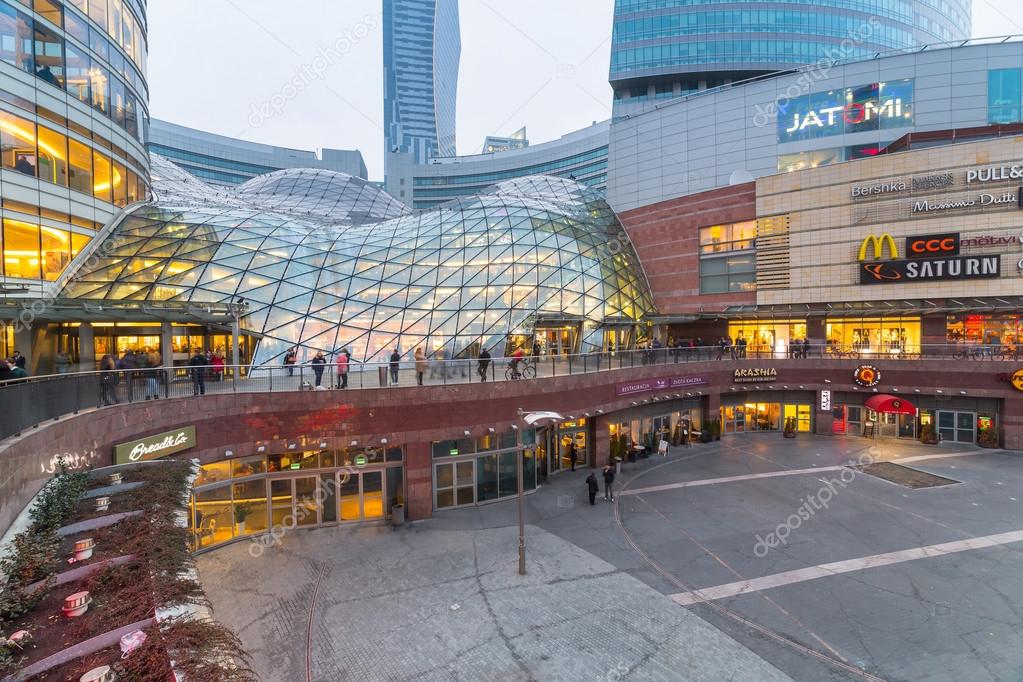
Also known as Golden Terraces, Zlote Tarasy is an amazing commercial and entertainment complex. The venue includes a glass roof that was inspired by tree canopies. It is home to a shopping mall, the Lumen Office building, and the Skylight Office skyscraper. Visitors will also find a Cinemaplex Multikino, with more than 30 restaurants and bars among them, including the first Hard Rock Cafe in Poland. This vast venue is connected to the Warszawa Central Railways Station by underground passageways.
About the Creator
Rasma Raisters
My passions are writing and creating poetry. I write for several sites online and have four themed blogs on Wordpress. Please follow me on Twitter.
Enjoyed the story? Support the Creator.
Subscribe for free to receive all their stories in your feed. You could also become a paid subscriber, letting them know you appreciate their work.
Comments
There are no comments for this story
Be the first to respond and start the conversation.