
Most Famous Buildings in Vilnius, Lithuania
Impressive architecture

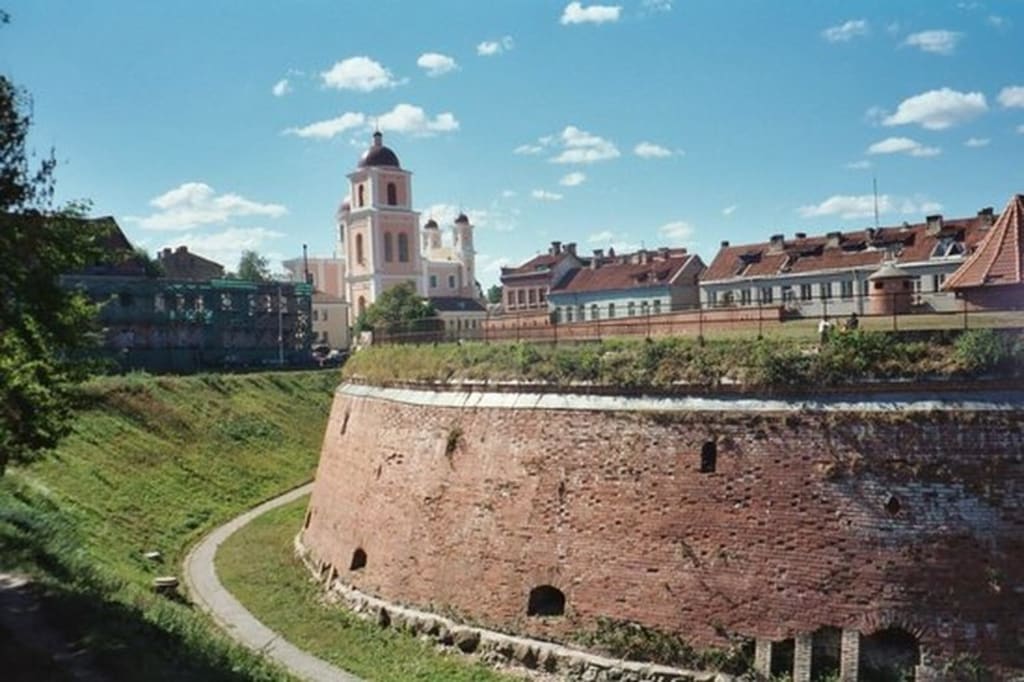
The Bastion of the Vilnius Defensive Wall is a historical site in Lithuania that showcases the military history of the Grand Duchy of Lithuania. It features a museum that highlights the region's weaponry and defense practices, making it a significant cultural attraction. The structure is noted for its unique architecture, blending historical and modern elements. It houses exhibits on weaponry and defense strategies used in the Grand Duchy of Lithuania.
Cathedral Square is a central landmark featuring the iconic Vilnius Cathedral and its separate Bell Tower, which stands at 52 meters tall. This area serves as a significant cultural and historical site, attracting many visitors each year.
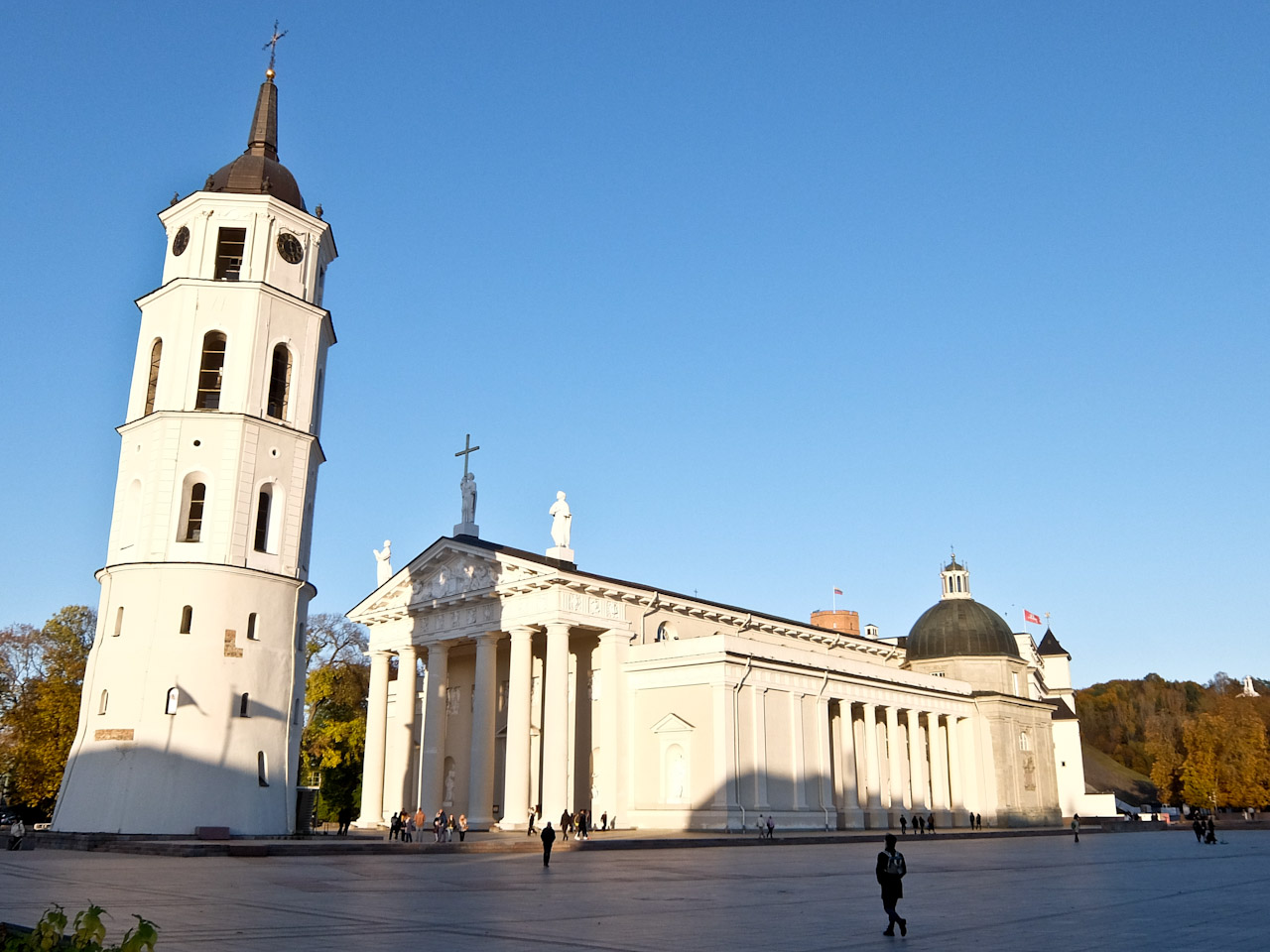
The Bell Tower, originally a defensive structure, was adapted for its current use and offers panoramic views of the city.
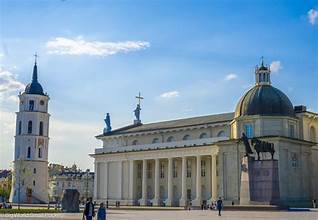
The Vilnius Cathedral, officially known as the Cathedral Basilica of St. Stanislaus and St. Ladislaus, is the main Catholic cathedral in Lithuania, located in the heart of Vilnius. It is renowned for its neoclassical architecture and historical significance, having been first mentioned in 1387 during the Christianization of Lithuania. It features a neoclassical design, with significant renovations completed in 1801 by architect Laurynas Gucevičius.

Situated in the Old Town, the site includes the Chapel of St. Casimir, a notable example of early Baroque art, housing the saint's remains.
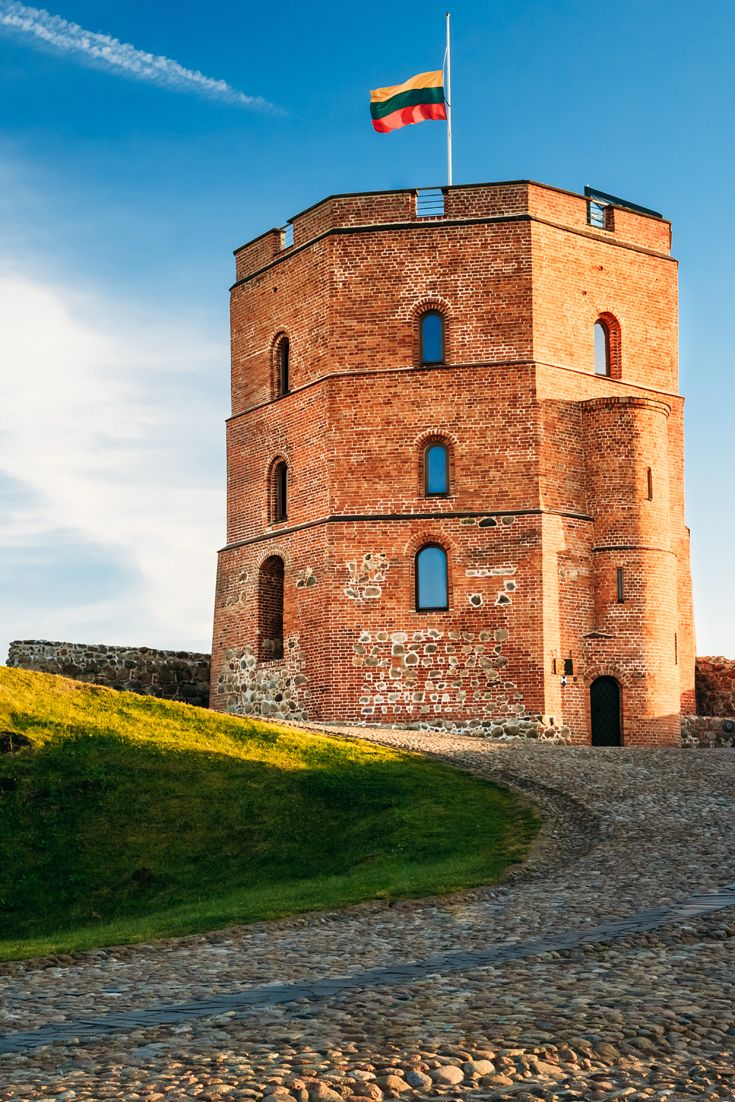
Gediminas Tower is a historic symbol of the city and a prominent tourist attraction. Originally built in the early 14th century, it offers panoramic views of Vilnius and serves as a reminder of Lithuania's rich history. It was established under Grand Duke Gediminas, who made Vilnius the capital of Lithuania in the early 14th century. The first brick structure of Gediminas Tower was completed in 1409 by Grand Duke Vytautas, enhancing its defensive capabilities.
The tower is part of the Upper Castle and features a viewing platform that provides scenic views of the city. It represents Lithuania's independence and national identity, with the Lithuanian flag flying atop. The tower is the most visited branch of the National Museum of Lithuania, attracting many tourists each year.
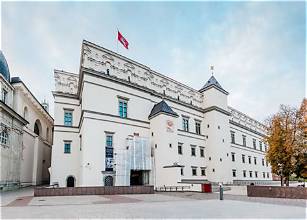
The Palace of the Grand Dukes of Lithuania served as a significant political, administrative, and cultural center from the 15th to the 17th centuries. It was reconstructed after being demolished in 1801 and now functions as a national museum showcasing Lithuanian history and heritage. Today, it features four themed routes that explore different aspects of Lithuanian history, including archaeology and ceremonial halls.
It was originally built in the 15th century for the rulers of the Grand Duchy of Lithuania and the future Kings of Poland. Initially built in the Gothic style, it underwent significant changes over the years, including Baroque renovations in the 17th century.
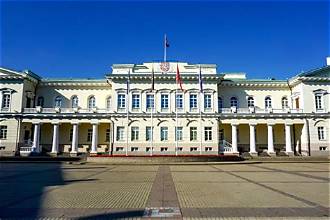
The Presidential Palace serves as the official residence and workplace of the president. It is a significant historical site, showcasing late-classical architecture and a rich political history. The building exemplifies late-classical architecture, making it one of the most graceful structures in the area. The palace is situated in Vilnius Old Town, fronting Daukantas Square.

St. John's Church is one of the oldest and most significant churches in the country, known for its Gothic architecture and historical importance. Construction began in 1386 and was completed in 1426, making it a key landmark in the University Quarter of Vilnius. It showcases Gothic architecture, which was prevalent during its construction period.
The bell tower, built in the 17th century, offers a panoramic view of Vilnius from its 45-meter-high observation platform.
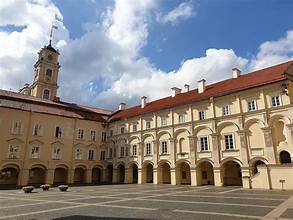
Vilnius University, founded in 1579, is the oldest and largest university in Lithuania, recognized as a prominent institution in Central and Eastern Europe. The architecture of Vilnius University is a rich blend of styles reflecting its long history, featuring elements from Gothic, Renaissance, Baroque, and Neoclassical periods. The university complex, located in the heart of Vilnius, showcases over a dozen buildings and numerous courtyards, making it a significant cultural landmark in Lithuania. It is a UNESCO World Heritage site, emphasizing its importance in European history.
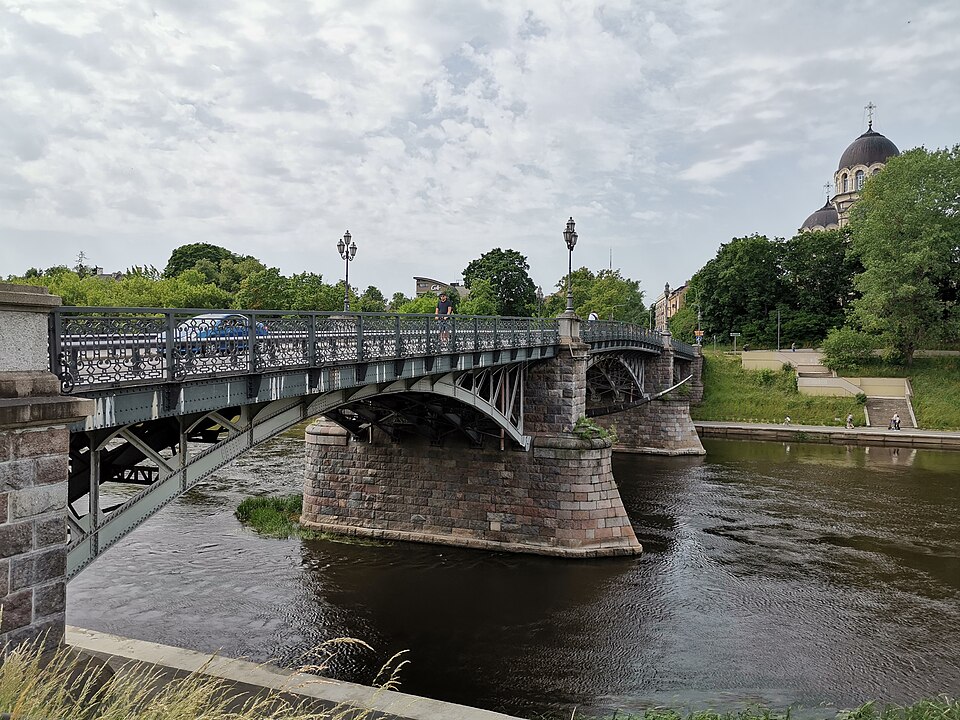
Žvėrynas Bridge, an iconic landmark in Vilnius, offers breathtaking views and a serene atmosphere, perfect for tourists seeking to capture the essence of this beautiful city. It is a state-protected, three-span steel truss bridge built across the Neris in 1905-1907, linking A. Mickevičiaus Street in Žvėrynas with the axis of Gedimino Avenue beside the Lithuanian Parliament. Its riveted five-truss deck, cut-stone supports, openwork railings, and historic lamps remain part of Vilnius's everyday transport network.
About the Creator
Rasma Raisters
My passions are writing and creating poetry. I write for several sites online and have four themed blogs on Wordpress. Please follow me on Twitter.
Enjoyed the story? Support the Creator.
Subscribe for free to receive all their stories in your feed. You could also become a paid subscriber, letting them know you appreciate their work.
Comments
There are no comments for this story
Be the first to respond and start the conversation.