
Most Famous Buildings in Vienna. Austria
Impressive architecture

Hofburg Palace
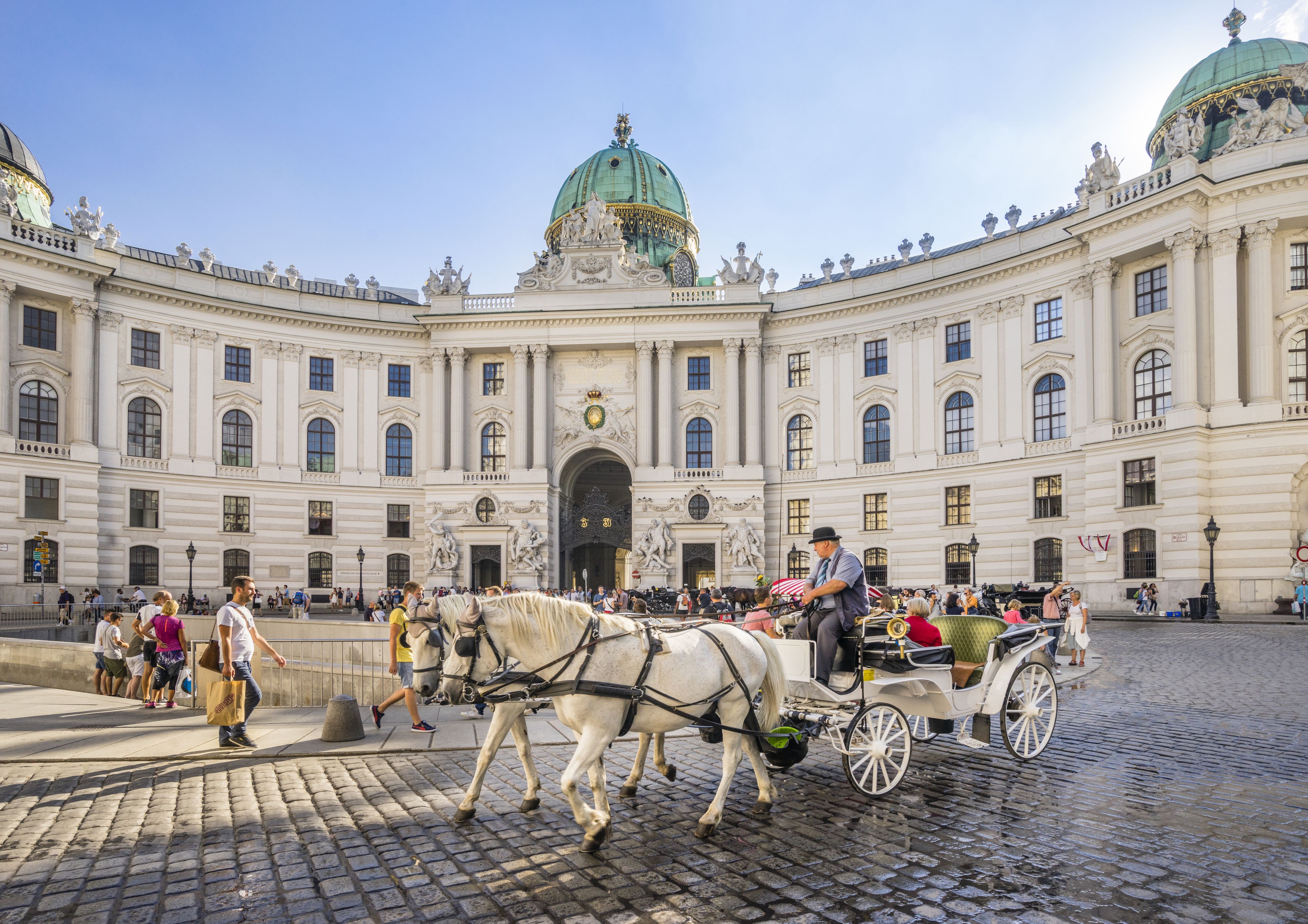
The Hofburg is a vast complex that served as the imperial palace of the Habsburg dynasty and is now the official residence of the Austrian president. This historic site has been a central part of Austrian history since its construction in the 13th century. It was originally built in the 13th century by Ottokar II of Bohemia. Today, it houses museums and serves as a cultural center.
Karlskirche
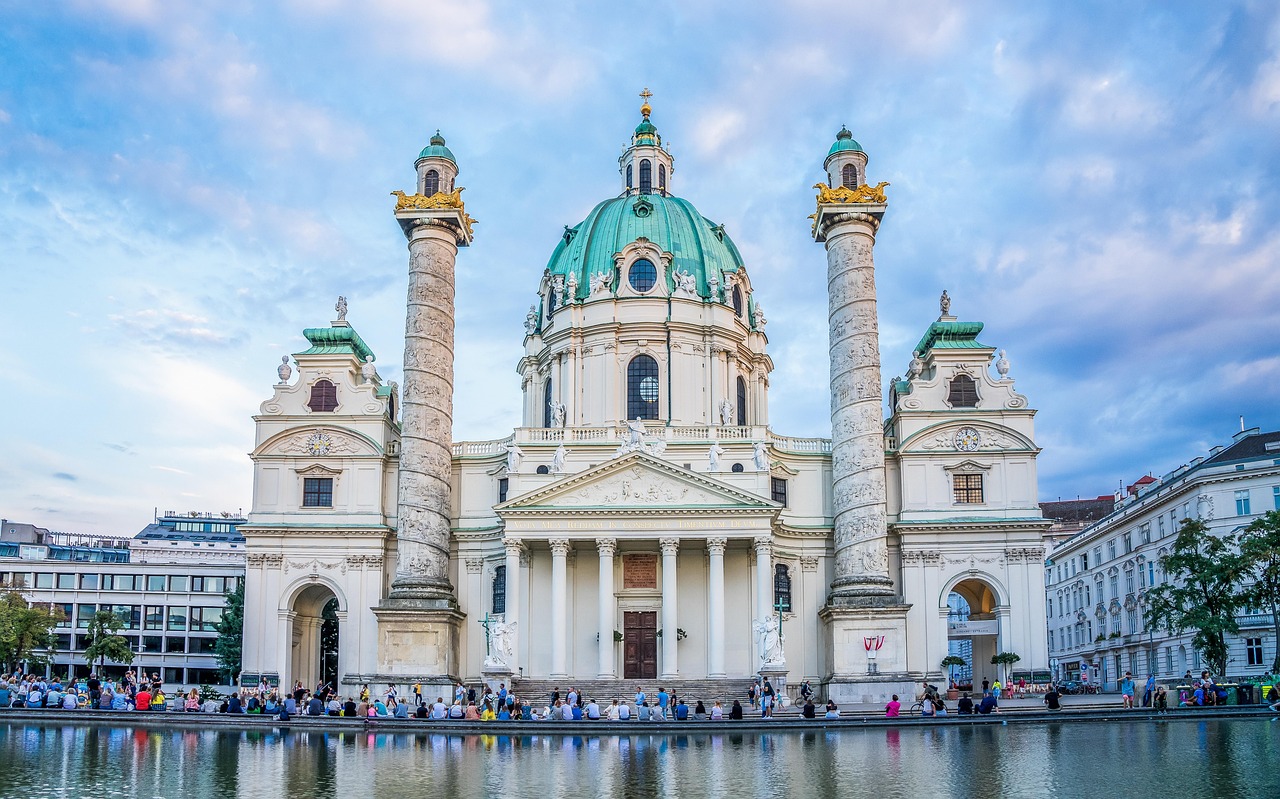
Karlskirche, or St. Charles Church, is a prominent Baroque church dedicated to Saint Charles Borromeo. Built in the early 18th century, it was commissioned by Emperor Charles VI as a vow during the plague, showcasing stunning architecture and rich historical significance. It features a striking dome and ornate frescoes, making it a prime example of Baroque architecture. The Church serves not only as a place of worship but also hosts classical music concerts, enhancing its cultural relevance.
Kunsthistorisches Museum
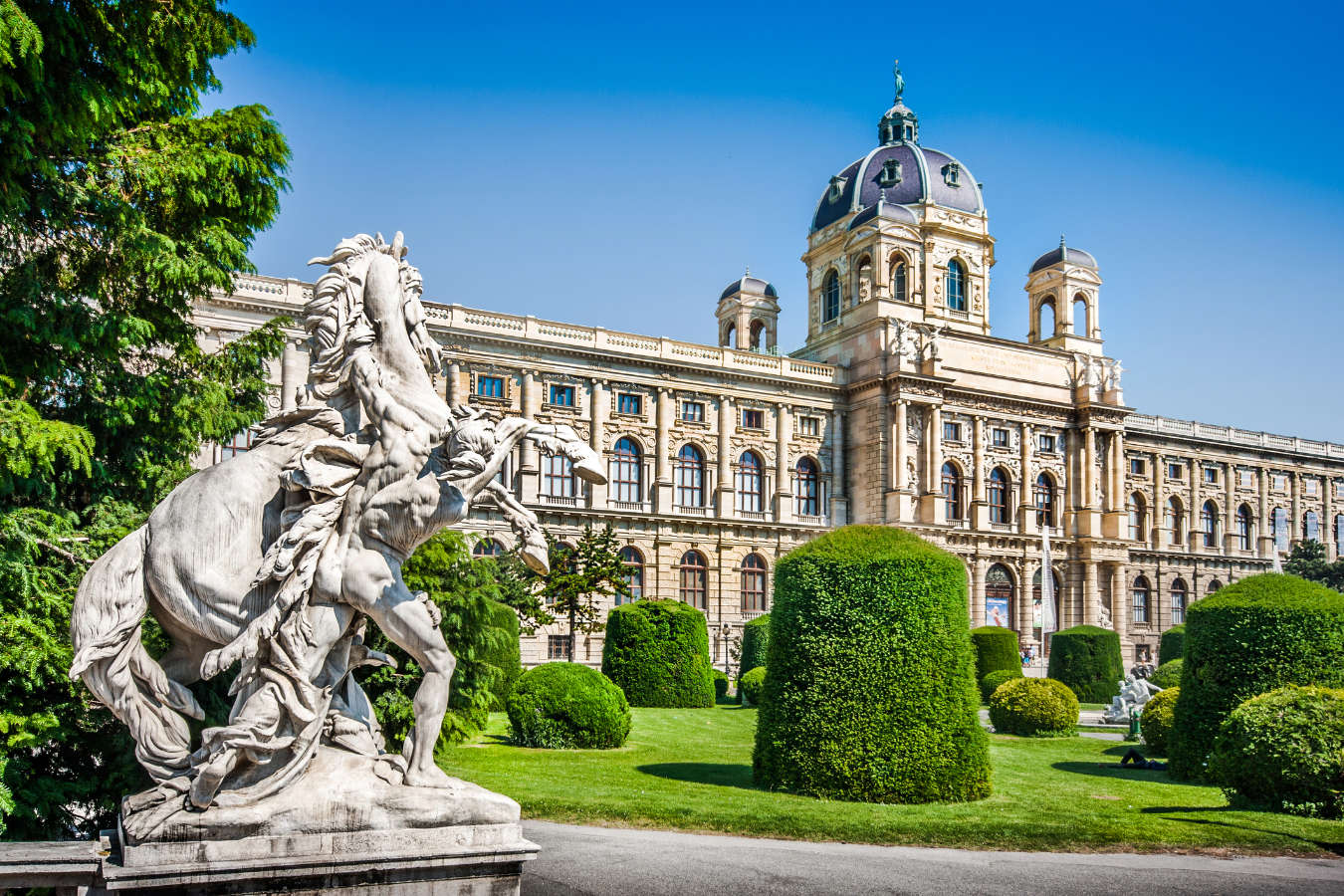
The Kunsthistorisches Museum is one of the world's most prestigious art museums, showcasing an extensive collection of art and artifacts accumulated by the Habsburg dynasty over centuries. It features masterpieces from ancient Egypt, classical antiquity, and the Renaissance, making it a must-visit for art enthusiasts. The museum is situated on the Vienna Ring Road, housed in a grand building crowned with an octagonal dome.
It is renowned for its stunning Renaissance Revival architecture, designed by Gottfried Semper and Karl von Hasenauer. Completed in the late 19th century, the museum features a grand facade and an octagonal dome, making it a prominent landmark in the city.
Reichsbrucke Bridge
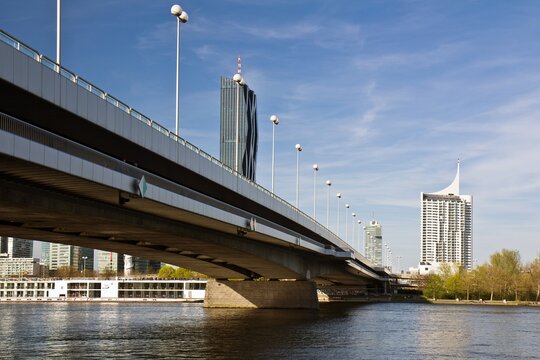
The most popular bridge in Vienna is the Reichsbrücke, which connects Mexikoplatz in Leopoldstadt with the Donauinsel across the Danube River. It is not only a vital transportation link but also a notable landmark in the city. Originally opened in 1937, it has undergone several reconstructions. The bridge features a modern design and is a vital traffic artery.
Schonbrunn Palace
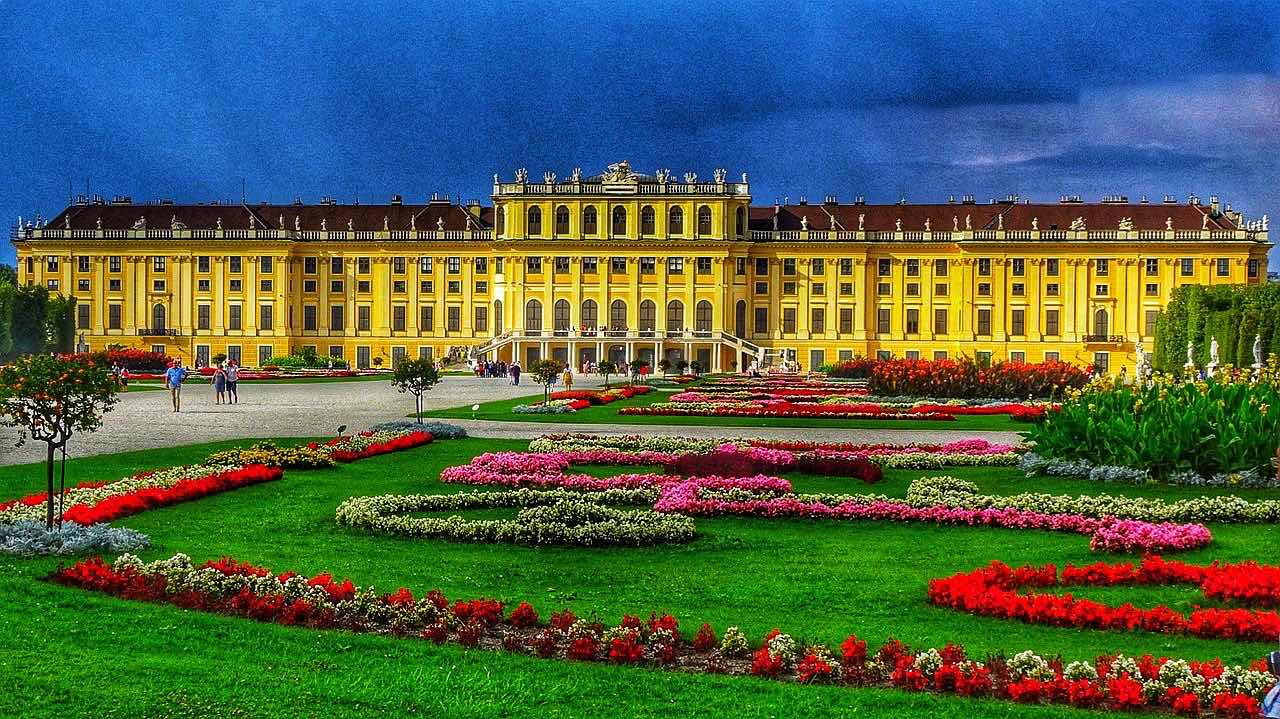
Schönbrunn Palace is a UNESCO World Heritage Site and a former summer residence of the Habsburgs. This magnificent Rococo-style palace features 1,440 rooms and extensive gardens, making it one of Austria's most visited attractions. The palace was designed by Johann Bernhard Fischer von Erlach in 1690, aiming to rival the Palace of Versailles.
The palace grounds include beautifully landscaped gardens, a zoo, and a maze, enhancing its appeal.
Vienna Zoo
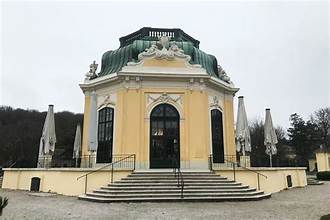
Vienna Zoo, also known as Tiergarten Schönbrunn, is the oldest zoo in the world, established in 1752. Located in the Schönbrunn Palace gardens, it is home to over 700 species of animals and is recognized as a UNESCO World Heritage Site. The zoo dates back to the 18th century. It was designed around a central pavilion that was built in the Baroque architectural style and was once the breakfast house for the Imperial family.
Palmenhaus at Schonbrunn Palace
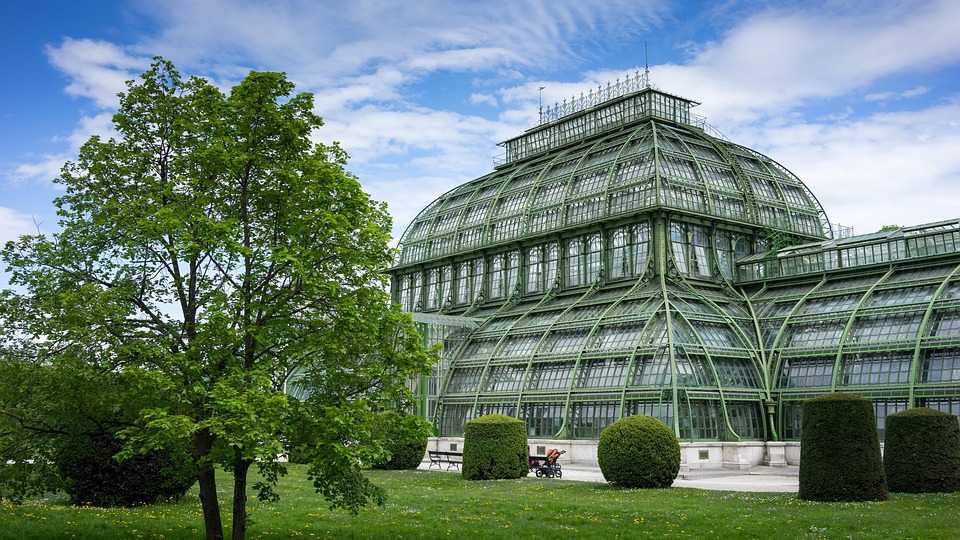
The Palmenhaus is a stunning example of iron and glass architecture, constructed between 1902 and 1906. This monumental greenhouse houses one of Europe's largest plant collections. The structure combines classical elegance with modern design elements, allowing ample sunlight for the plants. It is one of the four monumental greenhouses in the gardens of the Schönbrunn Palace.
St. Stephen’s Cathedral
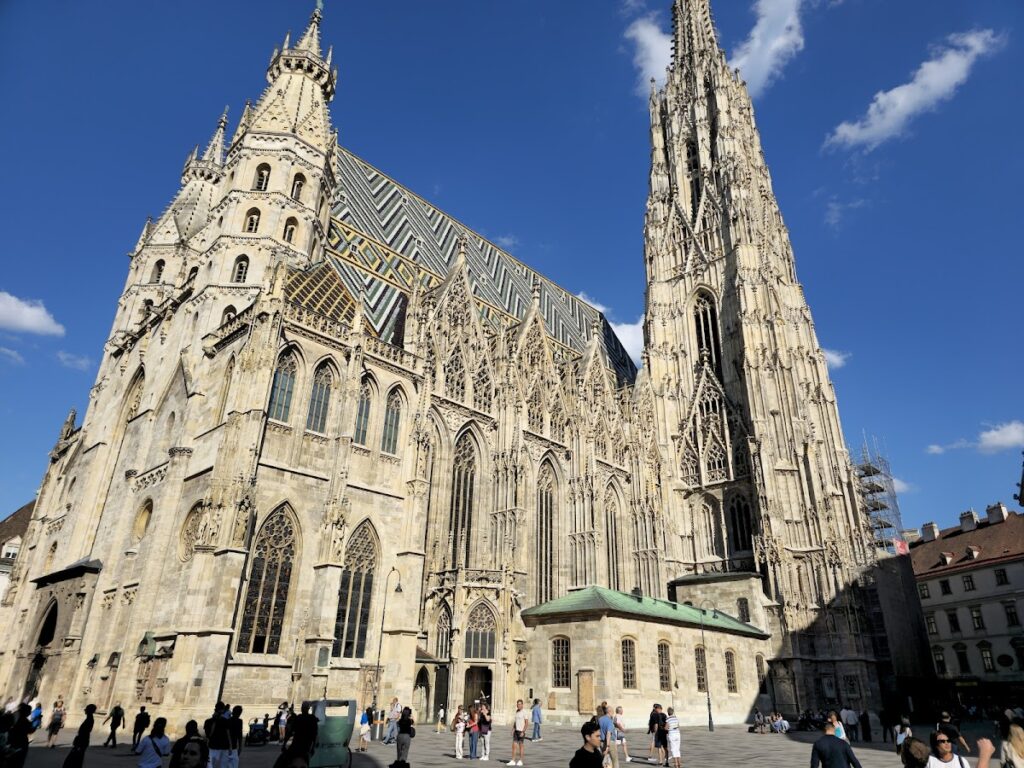
This cathedral is the main church in Vienna and the official seat of the Roman Catholic Archdiocese of Vienna. It was built between 1137 and 1160 and finally completed in 1511. The cathedral is a mix of Romanesque and Gothic architectural design. It has a multi-colored tile roof consisting of 230,000 glazed tiles depicting the double-headed eagle, the symbol of the Habsburg Dynasty, on one side and on the other the coats of arms of Vienna and Austria.
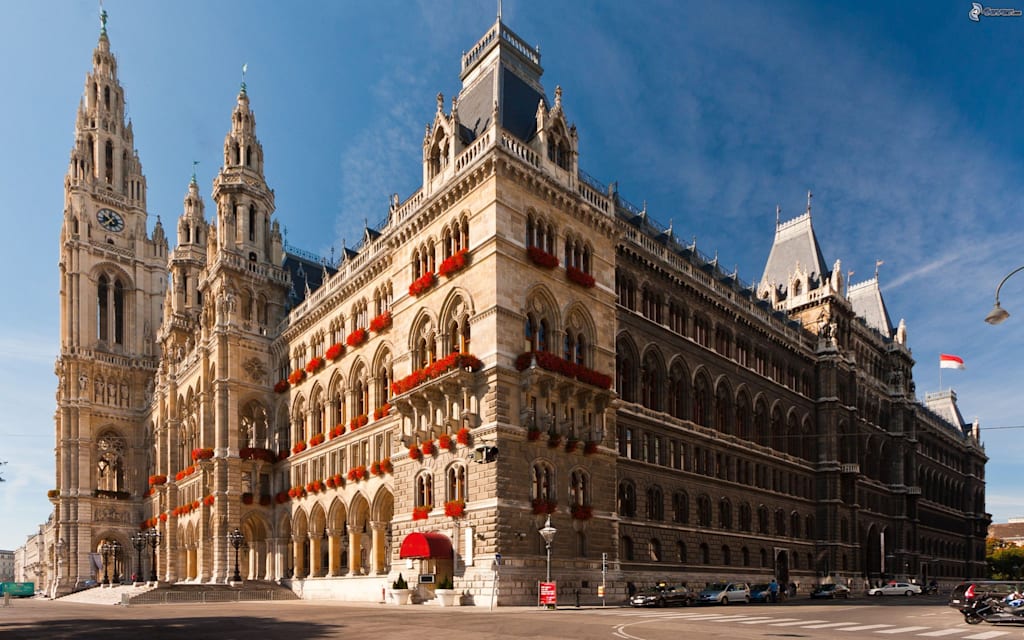
Vienna City Hall
Vienna City Hall, known as Rathaus, is a prominent neo-Gothic building located in the heart of Vienna. Completed between 1872 and 1883, it serves as the seat of the city government and is renowned for its architectural beauty and historical significance. It houses the Mayor of Vienna, the Provincial Government, and the City Council, with over 2,000 officials working there. The state rooms are often used for events like concerts and balls, showcasing its cultural significance. (pictured above)
Vienna Staatsoper
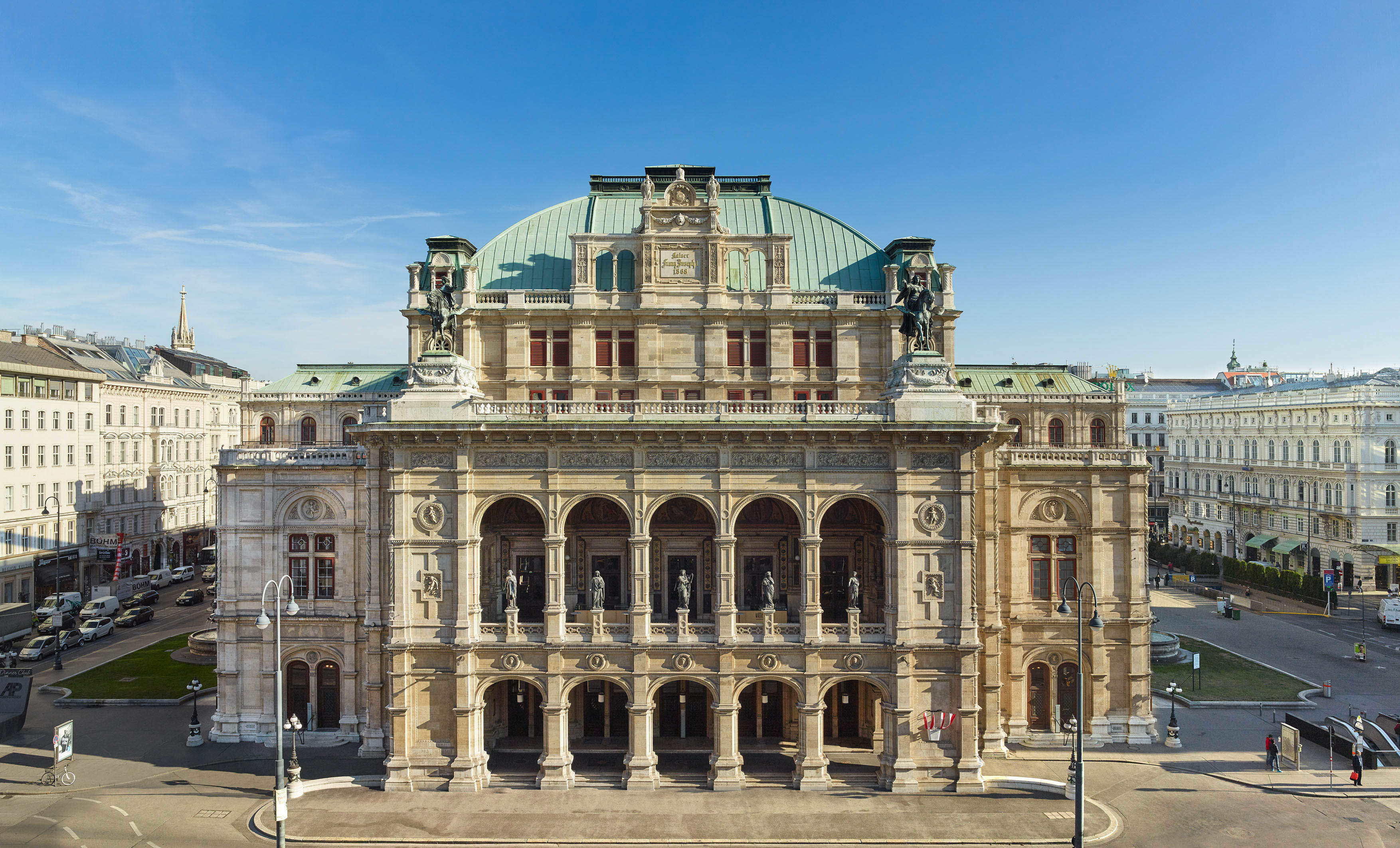
The common name for the Vienna State Opera is the Vienna Staatsoper, and it is the main opera house in the city. The opera is home to the Vienna Philharmonic and the Vienna State Opera and has hosted over 350 yearly performances.
The building was the first structure to be completed on the new Vienna Ring Road in the 1860s. This neo-Renaissance building was designed by architect Eduard van der Null, who tragically committed suicide after criticism he received about the design.
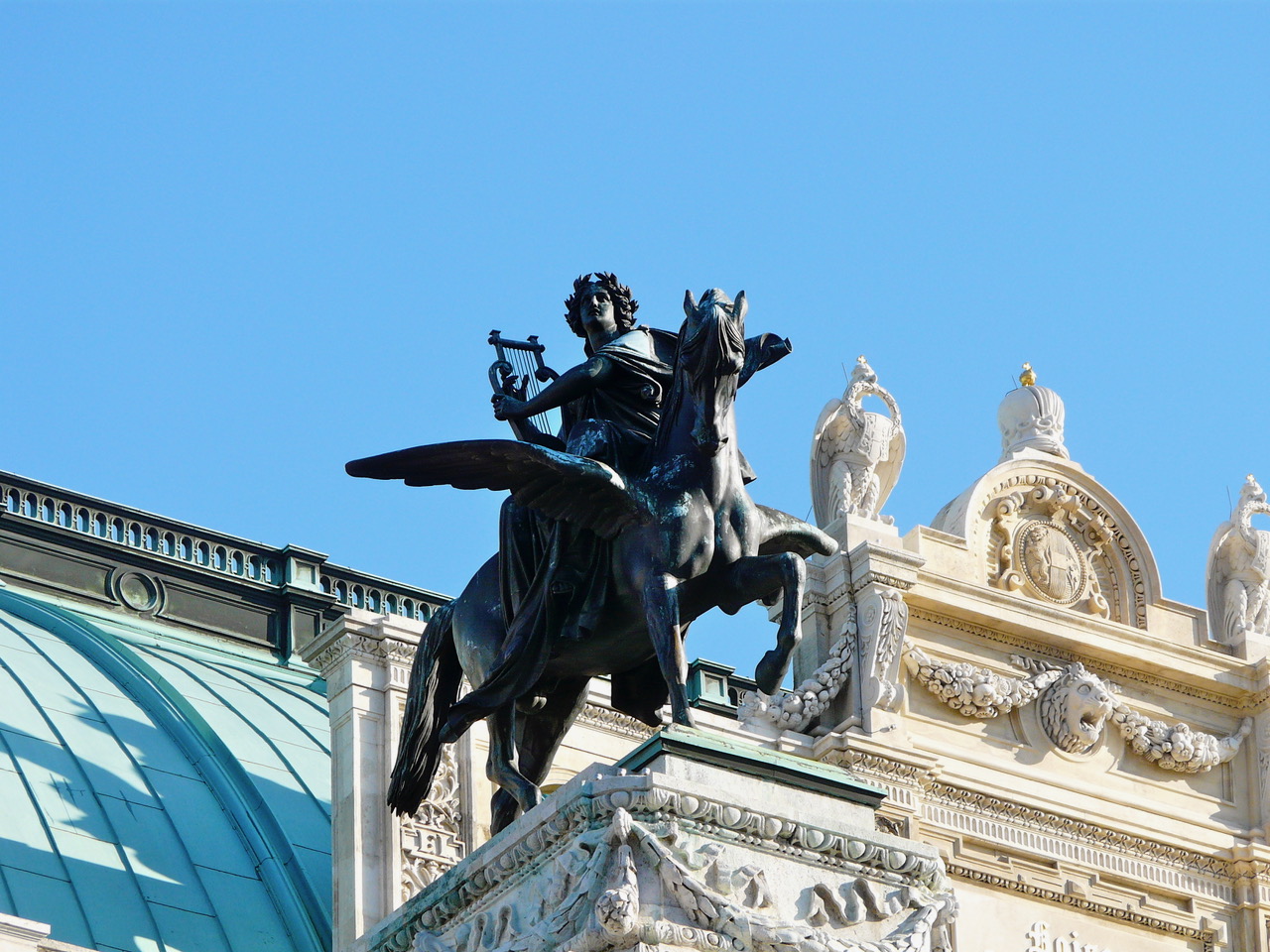
The Vienna State Opera features several notable statues, including five bronze figures representing heroism, Melpomene, fantasy, Thalia, and love, located in the loggia. Additionally, two equestrian statues symbolize Harmony and the Muse of Poetry above the main entrance, while seven allegorical statues inside embody the seven liberal arts. Inside, seven statues designed by Josef Gasser embody the seven liberal arts: Architecture, Sculpture, Poetry, Dance, Musical Art, Drama, and Painting.
About the Creator
Rasma Raisters
My passions are writing and creating poetry. I write for several sites online and have four themed blogs on Wordpress. Please follow me on Twitter.
Enjoyed the story? Support the Creator.
Subscribe for free to receive all their stories in your feed. You could also become a paid subscriber, letting them know you appreciate their work.
Comments
There are no comments for this story
Be the first to respond and start the conversation.