
Most Famous Buildings in Vaduz, Lichtenstein
Impressive architecture

Katedrale St. Florin
Katedrale St. Florin, a magnificent 19th-century neo-Gothic cathedral in Vaduz is renowned for its tall spire, remarkable stained glass windows, and lofty vaulted ceiling. Originally created in the 14th century as the Chapel of St. Florin, Austrian architect Friedrich von Schmidt transformed it into a cathedral in the 1870s.
Kunstmuseum Liechtenstein
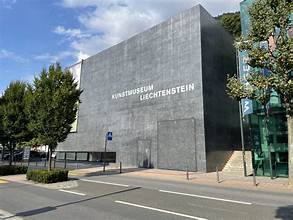
Renowned for its worldwide collection of modern and contemporary art, the Kunstmuseum Liechtenstein is situated in a distinctive black cubic edifice. With an emphasis on sculpture and a wide variety of artistic forms, the collection covers the 20th and 21st centuries.
The museum is a notable example of contemporary architecture designed by Swiss architects Meinrad Morger, Heinrich Degelo, and Christian Kerez. Completed in 2000, its monolithic structure and innovative use of materials create a striking presence in the city. Large openings in the walls enhance natural light and create a welcoming atmosphere.
Landtag Building
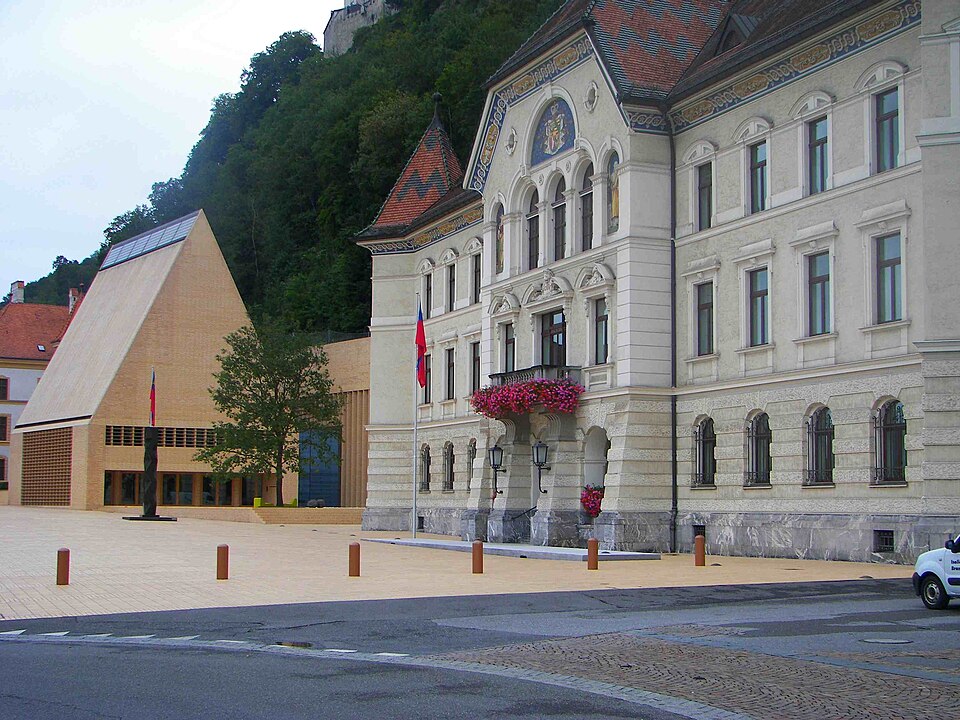
The Principality of Liechtenstein’s parliament is housed in the Landtag Building. It is a vital part of governance and is situated in the capital. The Long House, the High House, and the Joining House are all part of the building.
The building was designed by Hansjörg Göritz and features a unique round table seating arrangement for parliamentary discussions, emphasizing collaboration and transparency. Completed in 2008, it showcases modern architectural elements while integrating with the historical context of the area.
Red House
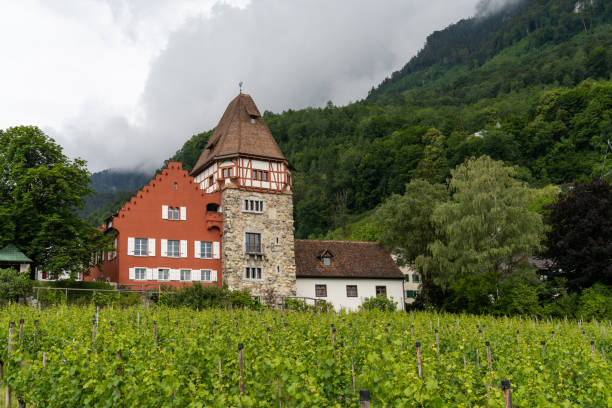
Constructed in 1338, the Red House is a picturesque historical site with a striking, dark-red hue. It sits perched on a hill, providing lovely views of the surroundings, and is visible from a distance when strolling through the Mitteldorf neighborhood. The Rheinberger family has owned the property since 1807. Built in the mid-19th century, it features a unique design with exposed natural stone masonry, making it a prominent symbol of the city. It features a central four-story residential tower with an almost square floor plan.
Regierungsgebäude des Fürstentums Liechtenstein
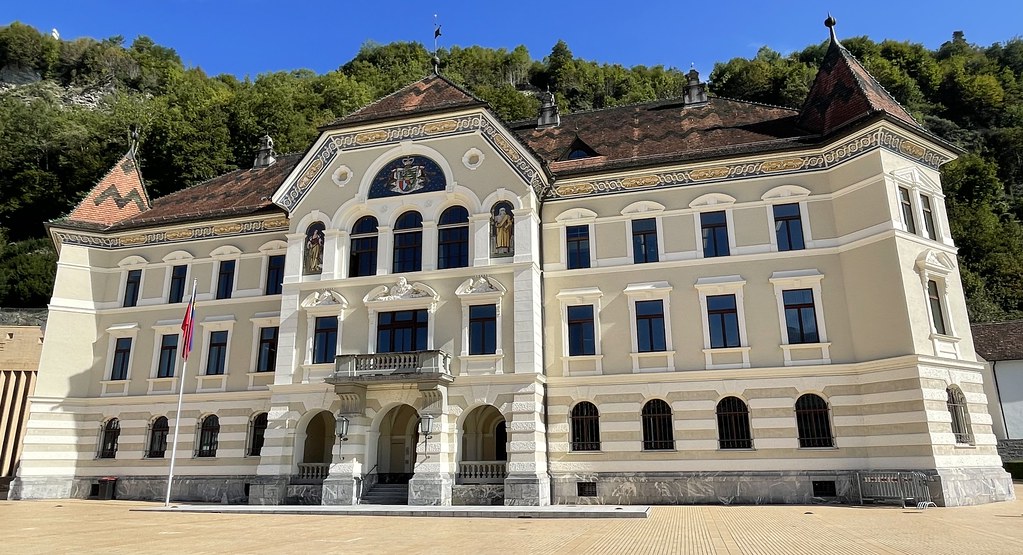
Liechtenstein’s government building is the Regierungsgebäude des Fürstentums Liechtenstein. Constructed between 1903 and 1905 it functioned as the State Parliament’s seat until 2008, when a new parliament building opened. With its striking architecture and serene gardens, the location invites tourists to explore both its historical significance and its beautiful surroundings.
Vaduz Castle
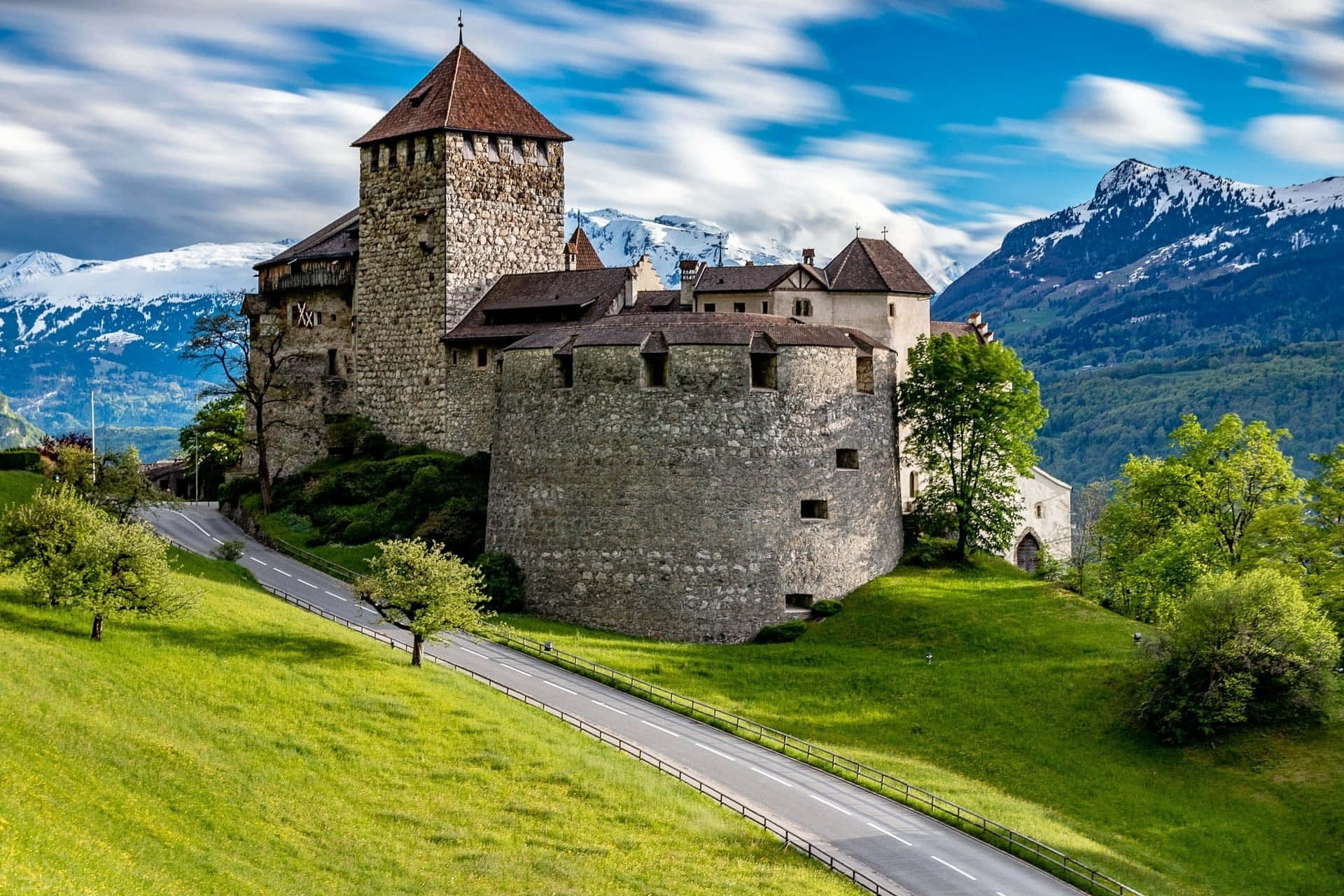
Vaduz Castle is the official residence of the Prince of Liechtenstein and a prominent landmark overlooking the capital. The castle has a rich history, dating back over 700 years, and is a popular tourist attraction in the region. It skillfully blends history and modernity, sitting between the majestic Alps and the tranquil Rhine River.
The castle showcases a blend of medieval and modern architectural styles, reflecting its evolution from a military fortress to a royal residence. The castle features imposing stone walls, turrets, and a Baroque-era western side, making it a significant historical landmark in the region.
Vaduz Old Town
Vaduz Old Town is a charming area in Liechtenstein, known for its narrow streets, traditional architecture, and historical landmarks. Visitors can explore sites like the Red House and enjoy the picturesque scenery that reflects the town's rich cultural heritage.
The Old Town is set against the backdrop of Vaduz Castle, which towers approximately 120 meters above the capital.
Vaduz Town Hall
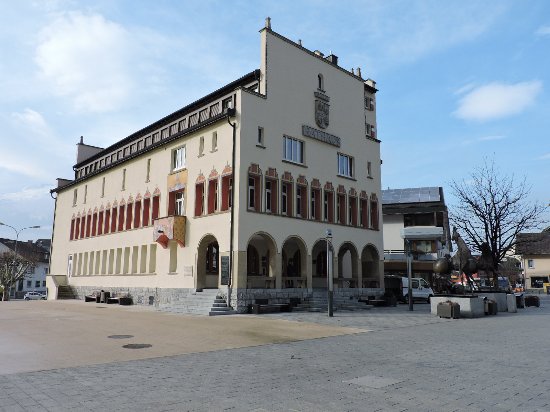
The Vaduz Town Hall reflects the essence of the city with its blend of traditional and modern architecture. The municipal hall’s courtyard is used for events and exhibitions. The building serves as a hub for local governance and reflects the forward-thinking spirit of the nation. Inside, the meeting room displays stylized portraits of Liechtenstein's princes, illustrating the country's history.
Vaduz Town Hall showcases a blend of modern functionalism and traditional architectural elements, reflecting the cultural confidence of Liechtenstein's capital. Constructed between 1932 and 1933, it features unique designs by architect Franz Roeckle and is adorned with artistic details, including a fresco by Johannes Troyer, depicting St. Pope Urban, the patron saint of winegrowers.
About the Creator
Rasma Raisters
My passions are writing and creating poetry. I write for several sites online and have four themed blogs on Wordpress. Please follow me on Twitter.
Enjoyed the story? Support the Creator.
Subscribe for free to receive all their stories in your feed. You could also become a paid subscriber, letting them know you appreciate their work.
Comments
There are no comments for this story
Be the first to respond and start the conversation.