
Most Famous Buildings in Riga, Latvia
Impressive architecture

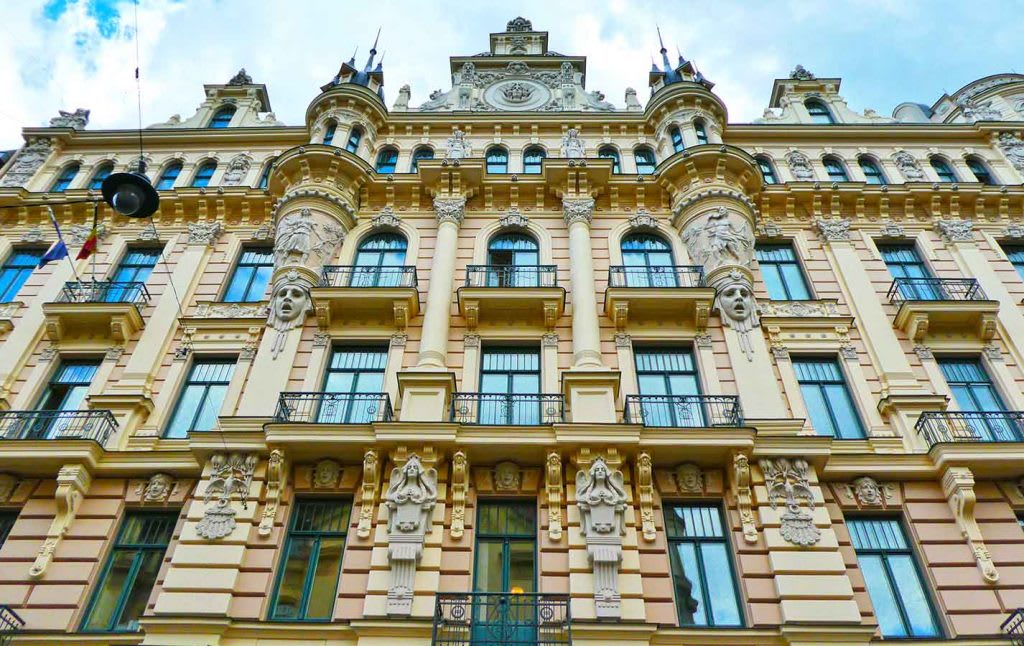
See the impressive Art Nouveau District with most of the buildings constructed during a period of rapid economic growth from 1904 to 1914. All the buildings have ornate facades, intricate details, and unique sculptures. This area is a UNESCO World Heritage site, showcasing the artistic expression of the early 20th century.
Among the highlights is Alberta Street, where many iconic buildings are located. (pictured above)
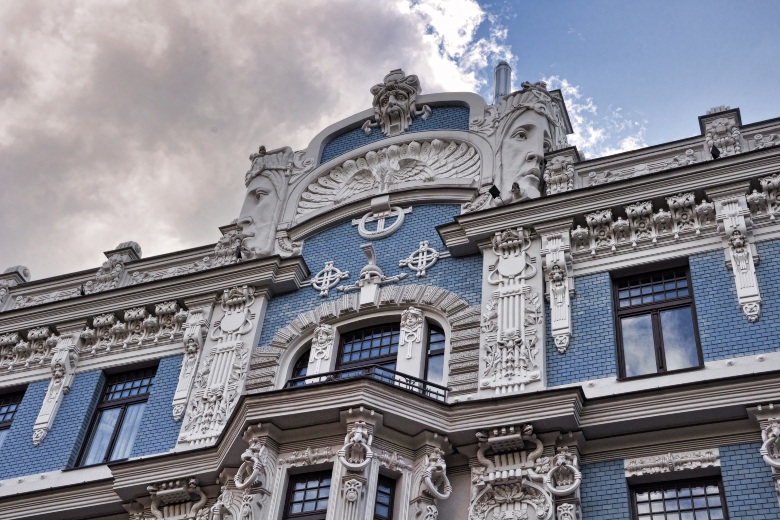
Other notable streets include Audeju Street and Jauniela Street.
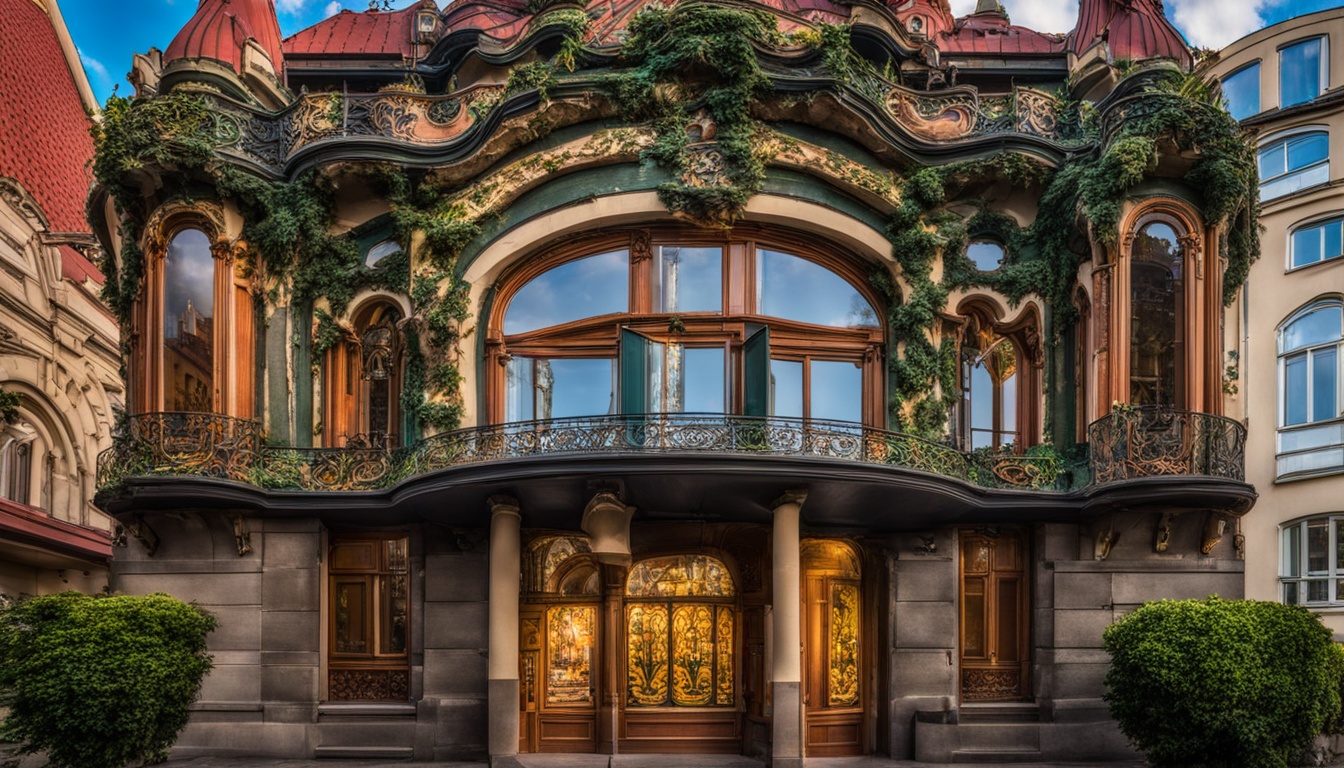
Visitors also enjoy the Riga Art Nouveau Museum.
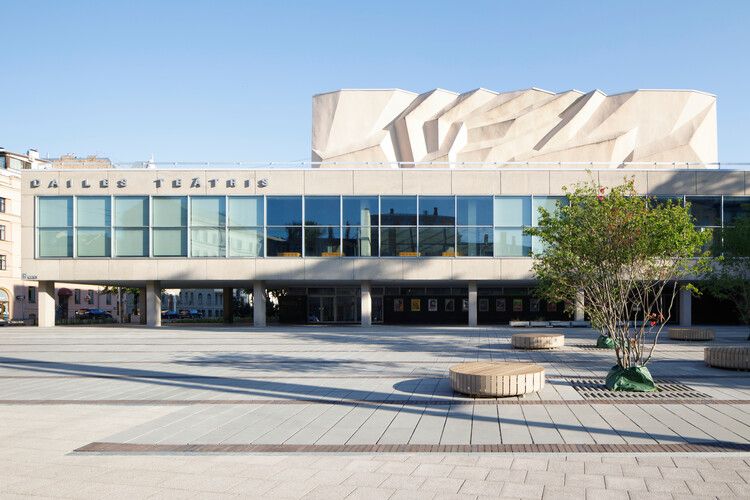
The Dailes Theater is a significant example of modernist architecture, designed by architect Marta Staņa. Completed in 1963, it features clean geometric lines and a dramatic glass façade, making it a cultural landmark in the city. It is included in the Latvian Cultural Canon, highlighting its importance in Latvian architectural history. The surrounding public space was designed as a cohesive unit with the theater, enhancing accessibility and community engagement.
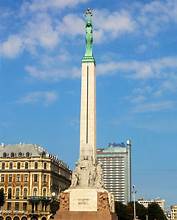
Even though not a building, the most impressive landmark in Riga must be mentioned: the Freedom Monument. It is a significant national symbol honoring soldiers who died during the Latvian War of Independence (1918–1920). Unveiled in 1935, it stands 42 meters tall and serves as a focal point for public gatherings and ceremonies.
The Freedom Monument features a female figure named Milda, who holds three golden stars above her head. These stars symbolize the unity of Latvia's three historical regions: Kurzeme, Vidzeme, and Latgale, representing the country's independence and national identity.
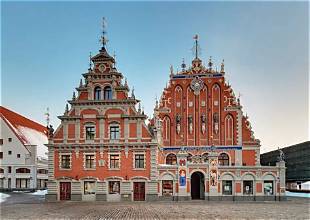
The House of Blackheads is among the most iconic buildings in the capital, located in the heart of the Old Town. The building is situated on the Riga Town Hall Square. Originally, it was built in 1334 as a meeting and celebration space for merchants. The Brotherhood of Blackheads, a guild of unmarried German merchants, once used the building.
Originally built in the 14th century, it offers a fascinating glimpse into Latvia’s rich cultural and historical heritage, with beautifully restored interiors, exhibitions, and guided tours. The House of Blackheads was destroyed during WW II and was rebuilt in the 1990s. The current replica was meticulously rebuilt and reopened in 1999, coinciding with Riga's 800th anniversary. The building features a red-and-white Dutch Renaissance design, making it a prominent symbol of Riga.
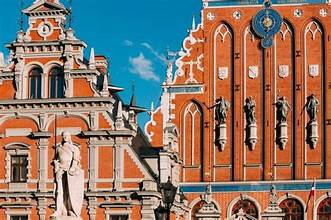
Statues of Neptune, Mercury, Peace, Justice, and Unity flank the second-storey windows. The facade includes reliefs of Saint Mary and Saint Mauritius.
Today it houses a museum and a concert hall.
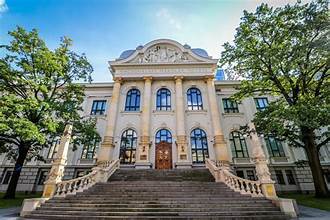
The Latvian National Museum of Art is an impressive example of the neo-Baroque style. It is the largest art museum in Latvia, housing over 52,000 artworks that span various periods and styles, including Baltic and Russian art, and features both permanent and temporary exhibitions, educational programs, and guided tours. The museum is noted for its impressive historic architecture, located in the Riga Boulevard Circle.
The Latvian National Theater was designed by architect August Reinberg, showcasing a blend of eclectic, baroque, and Art Nouveau architectural styles. It serves as a significant cultural venue for Latvian performances and has historical importance since it transitioned to Latvian use during World War I. Built from 1899 to 1902, the theater was officially opened in 1902, coinciding with Riga's 700th anniversary. The theater is situated near the site of Riga's 17th-century citadel, enhancing its historical context.
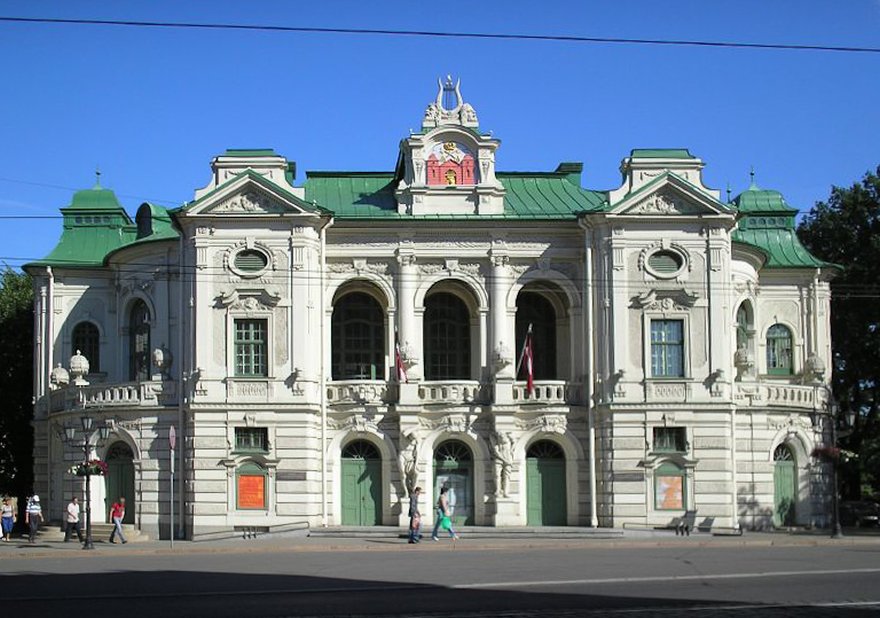
The Latvian National Theater also features several notable statues on its facade, which enhance its architectural significance and artistic appeal. These sculptures include representations of various cultural and historical themes, contributing to the theatre's identity as a national landmark. The front sculptures were created by artist A. Folz, adding artistic value to the building.
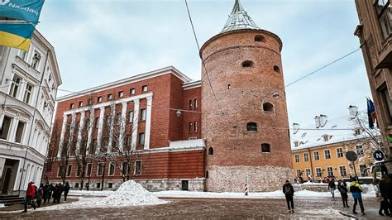
The Powder Tower in Latvian Pulvertornis is one of the most iconic landmarks. It was part of the city’s defenses dating back to 1650. The thick walls once stored gunpowder for use in defense. In 1937, the tower was incorporated into the Latvian War Museum.
Visitors can explore exhibits on Latvia’s military history inside.
Standing at 25.6 meters tall, the Powder Tower has distinctive red bricks and a cylindrical shape. It is situated in Riga’s Old Town and remains a popular attraction.
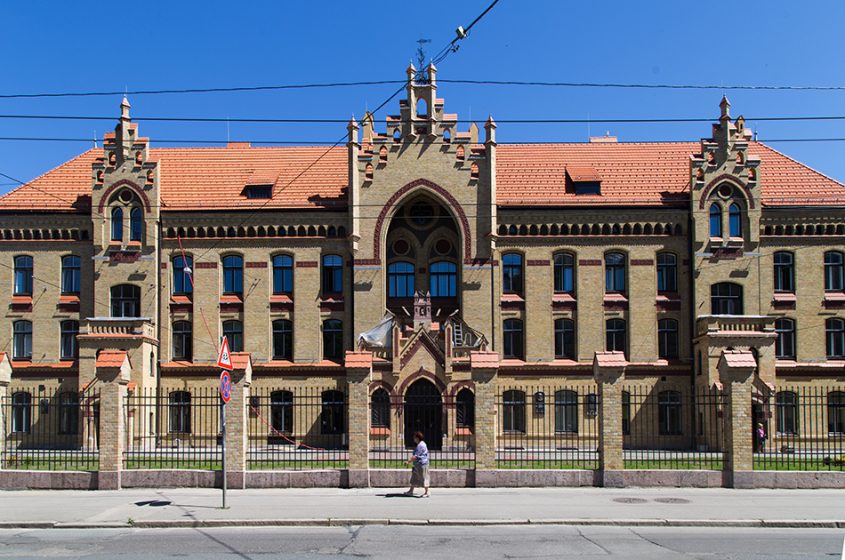
Riga's 1st Hospital, established in the 19th century, features a unique architectural style inspired by medieval countryside castles, characterized by red brick construction and Gothic details. The hospital complex includes several historical buildings, showcasing a blend of modern renovations and preserved architectural heritage. The main building incorporates Gothic details in its windows, gates, and turrets, enhancing its medieval aesthetic.
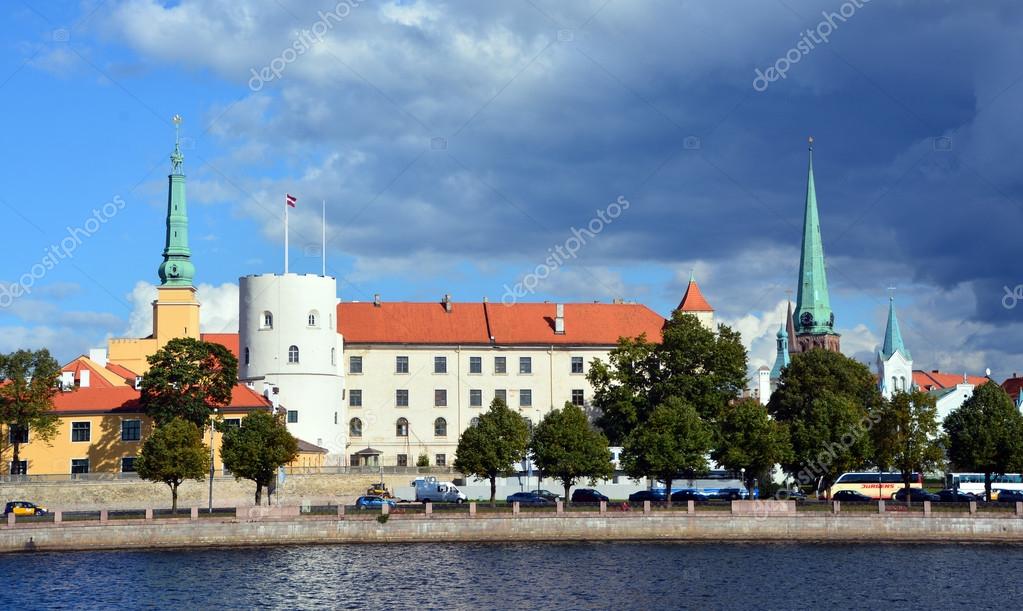
Situated on the banks of the Daugava River, Riga Castle is a historic fortress. It was originally built in 1330 and underwent changes between 1497 and 1515, and during the Swedish invasion in 1641, annexes were added. It showcases a blend of architectural styles developed over centuries, including medieval, Baroque, and Art Deco elements.
Today, Riga Castle is the official residence of the President of Latvia.
The castle houses the Latvian National Museum of History, showcasing the nation's heritage since 1920.
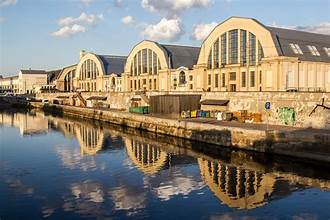
Riga Central Market features a unique architectural design, utilizing five former Zeppelin hangars, which were repurposed into market pavilions. This blend of Art Nouveau and Art Deco styles, along with its historical significance, makes it a notable cultural monument in Europe. The market is built from five dismantled Zeppelin hangars, originally constructed at Vainodes airfield. It is recognized as a UNESCO World Heritage site, highlighting its architectural and historical importance. The complex showcases a mix of Art Nouveau and Art Deco styles, reflecting the architectural trends of the time.
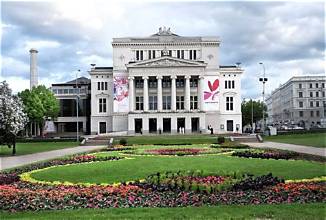
Situated at Aspazijas Boulevard 3 is the Latvian National Opera. It is a prime example of neoclassical architecture. The opera building was completed in 1863. After a fire in 1882, the chief architect in Riga, Reinholds Smelings, saw to the reconstruction. In 1919, it was handed over to the Latvian National Opera and hosts opera and ballet performances. Each season, which runs from mid-September to the end of May, features nearly 200 performances.
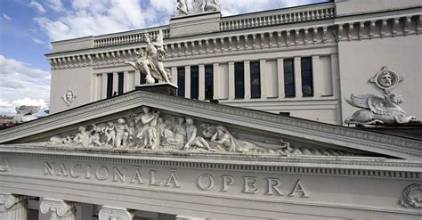
The Riga National Opera House features several statues on its pediment, including allegorical figures representing Apollo, as well as symbols of tragedy and comedy. These sculptures enhance the building's neoclassical design and reflect its cultural significance in Latvia.
In the 1990s, extensive reconstruction and interior restoration of the Opera House took place, in which the historical interior was strictly followed, stylistically adapting the newly created premises. Finally, construction work was completed in 2001, when a modern outbuilding complex was completed, offering new premises for technical and creative staff and a unique hall with 300 seats to implement wide-profile art projects.
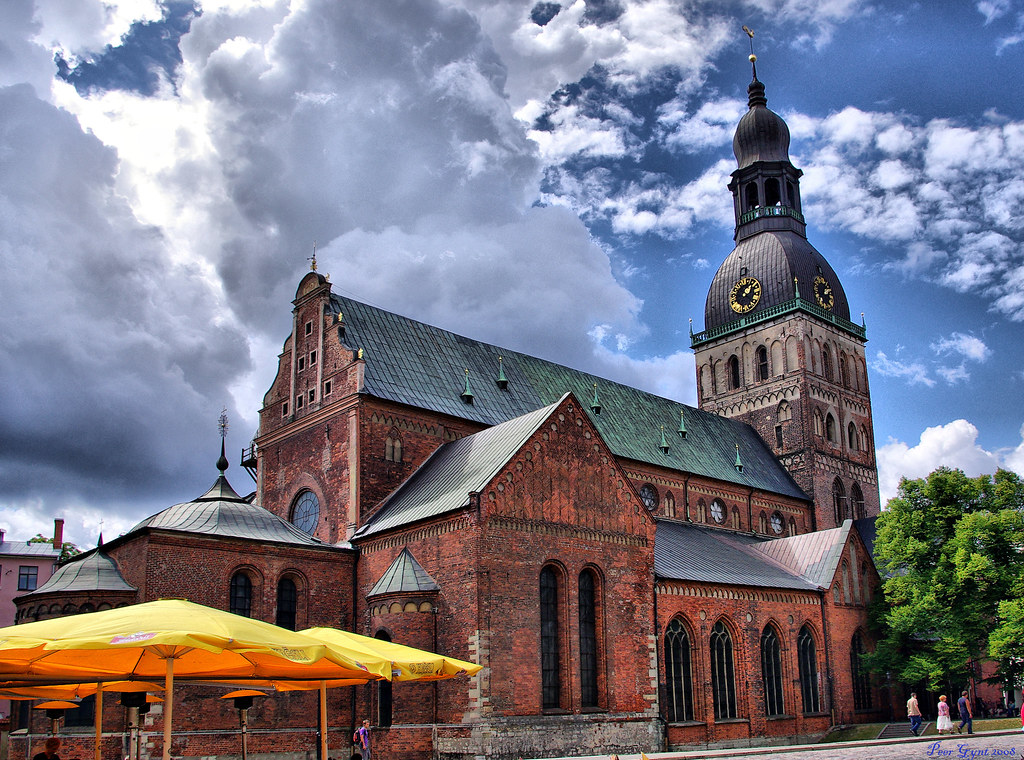
Situated on Dome Square, the Riga Dome Cathedral is formerly known as the Cathedral Church of Saint Mary. It is an iconic landmark in the capital. The cathedral dates back to the early 13th century and serves as the seat of the Archbishop of Riga.
This Evangelical Lutheran cathedral is recognized for its large organ and distinctive mix of architectural styles, including Romanesque, Gothic, and Baroque. It plays a significant role in Latvia’s religious and cultural landscape.
It hosts ecumenical services and concerts, making it a center for organ music.
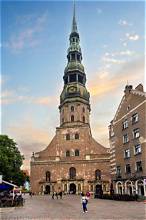
St. Peter’s Church is one of the oldest and highest churches in Riga. This impressive building was built in 1209, featuring Gothic, Romanesque, and early Baroque elements. The church spire reaches up into the sky at a height of 123 meters, offering visitors amazing views over Riga. From the observation deck, visitors can see the red roofs of houses below and the Daugava River.
The church hosts art exhibitions and concerts.
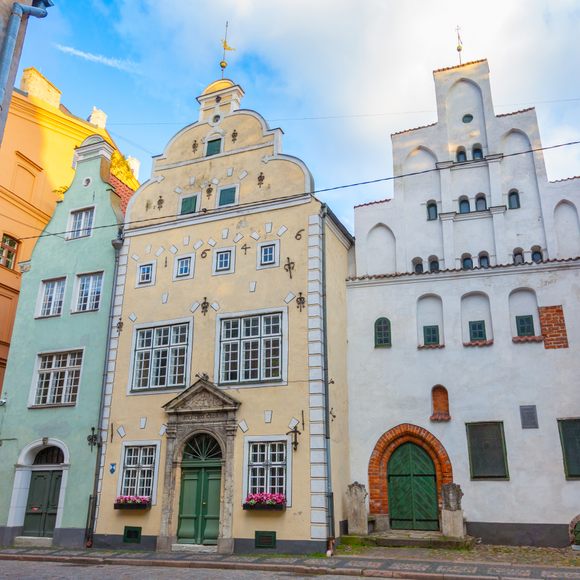
The Three Brothers is a unique complex of three historic houses. The oldest of the houses was built in the late 15th century, featuring Gothic and Dutch styles. IT was used for manufacturing and trade when Riga established ties with Dutch merchants.
The middle house was built in the second half of the 17th century and features Mannerist architecture. The facade includes decorative elements highlighting the elaborate styles of that era.
The newest house was built in the second half of the 17th century, reflecting Baroque architecture.
Local legend suggests that the houses were built by three brothers from the same family, adding a layer of cultural narrative to their history.
Today, these houses are home to the Museum of Architecture and the National Center for the Protection of Cultural Monuments.
About the Creator
Rasma Raisters
My passions are writing and creating poetry. I write for several sites online and have four themed blogs on Wordpress. Please follow me on Twitter.
Enjoyed the story? Support the Creator.
Subscribe for free to receive all their stories in your feed. You could also become a paid subscriber, letting them know you appreciate their work.
Comments
There are no comments for this story
Be the first to respond and start the conversation.