
Most Famous Buildings in Prague, Czech Republic
Impressive architecture

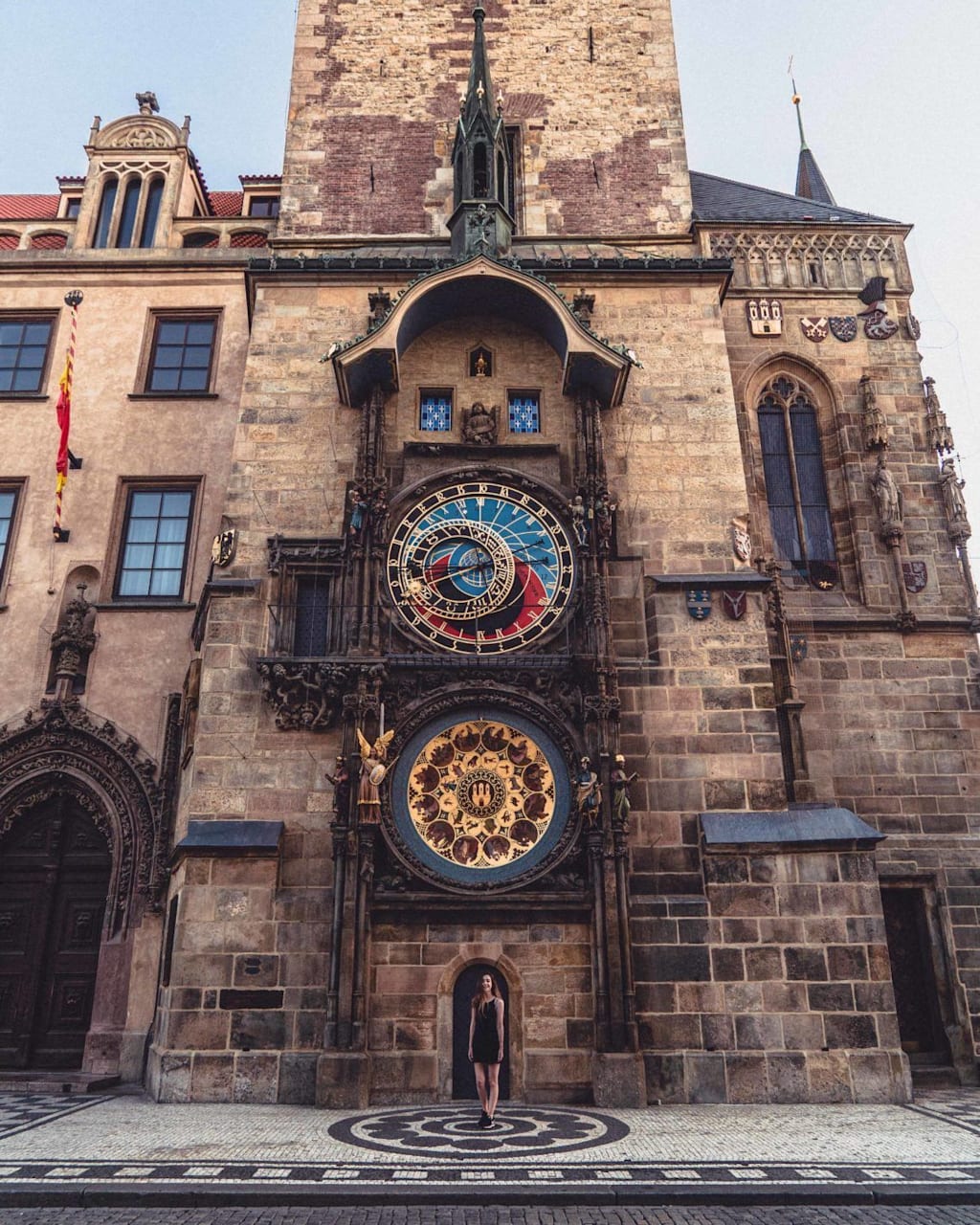
Astronomical Clock
The Prague Astronomical Clock, known as the Orloj, is a medieval astronomical clock installed in 1410, making it the oldest operational astronomical clock in the world. It is located on the southern wall of the Old Town Hall in Prague and features an hourly show of the twelve apostles from 8 AM to 11 PM. It includes a unique blend of astronomical and calendar displays, showcasing the position of celestial bodies.
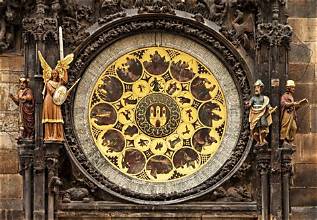
The hourly show of the Prague Astronomical Clock features a procession of the Twelve Apostles, which occurs every hour from 8 AM to 11 PM. During this spectacle, two windows above the clock open to reveal the Apostles in sequence, captivating visitors with their movement and accompanying figures.
Cernin Palace
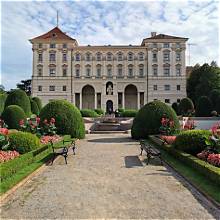
Czernin Palace is the largest Baroque palace in the city and has served as the headquarters for the Czech Ministry of Foreign Affairs since the 1930s. Originally built in the 17th century for the noble Czernin family, it features stunning architecture and beautiful gardens open to the public. It showcases elaborate Baroque design elements and has undergone various renovations over the centuries.
Charles Bridge
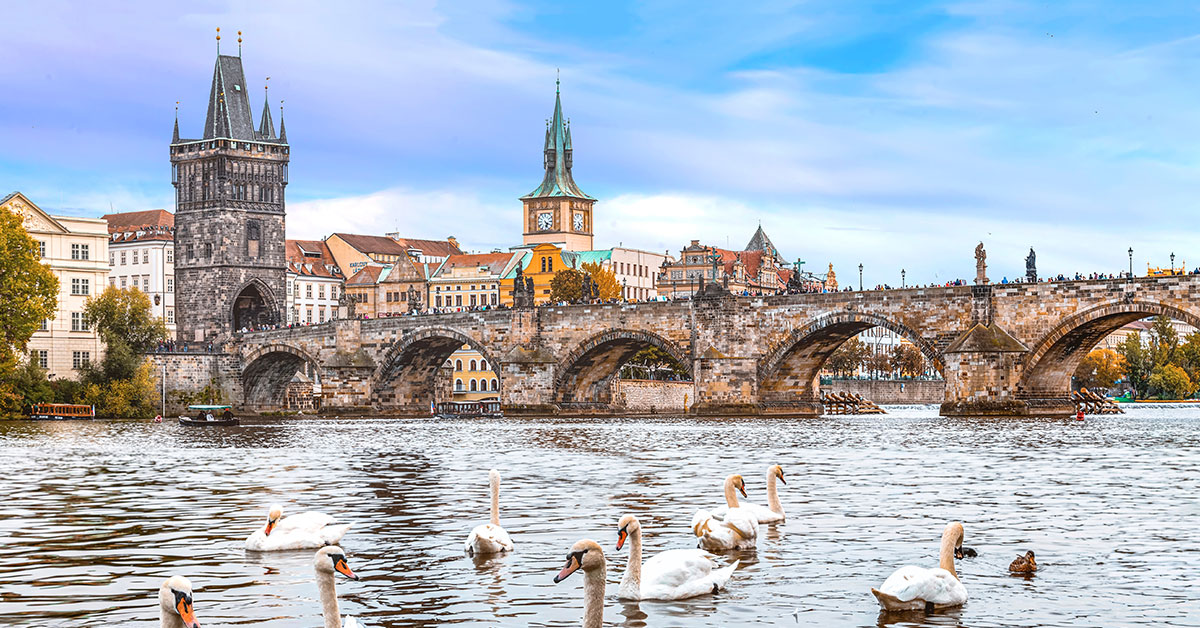
Situated close to the Old Town Square, the famous Charles Bridge spans the Vlatava River, which runs through the city. This intriguing bridge was named after King Charles IV and constructed between 1357 and 1402 during the Middle Ages. However, this stone arch bridge was originally referred to as Stone Bridge and didn’t get its current name until 1870. This was due to the fact that the previous bridges were constructed of wood. In 2010 it was named a UNESCO World Heritage Site.
Dancing House
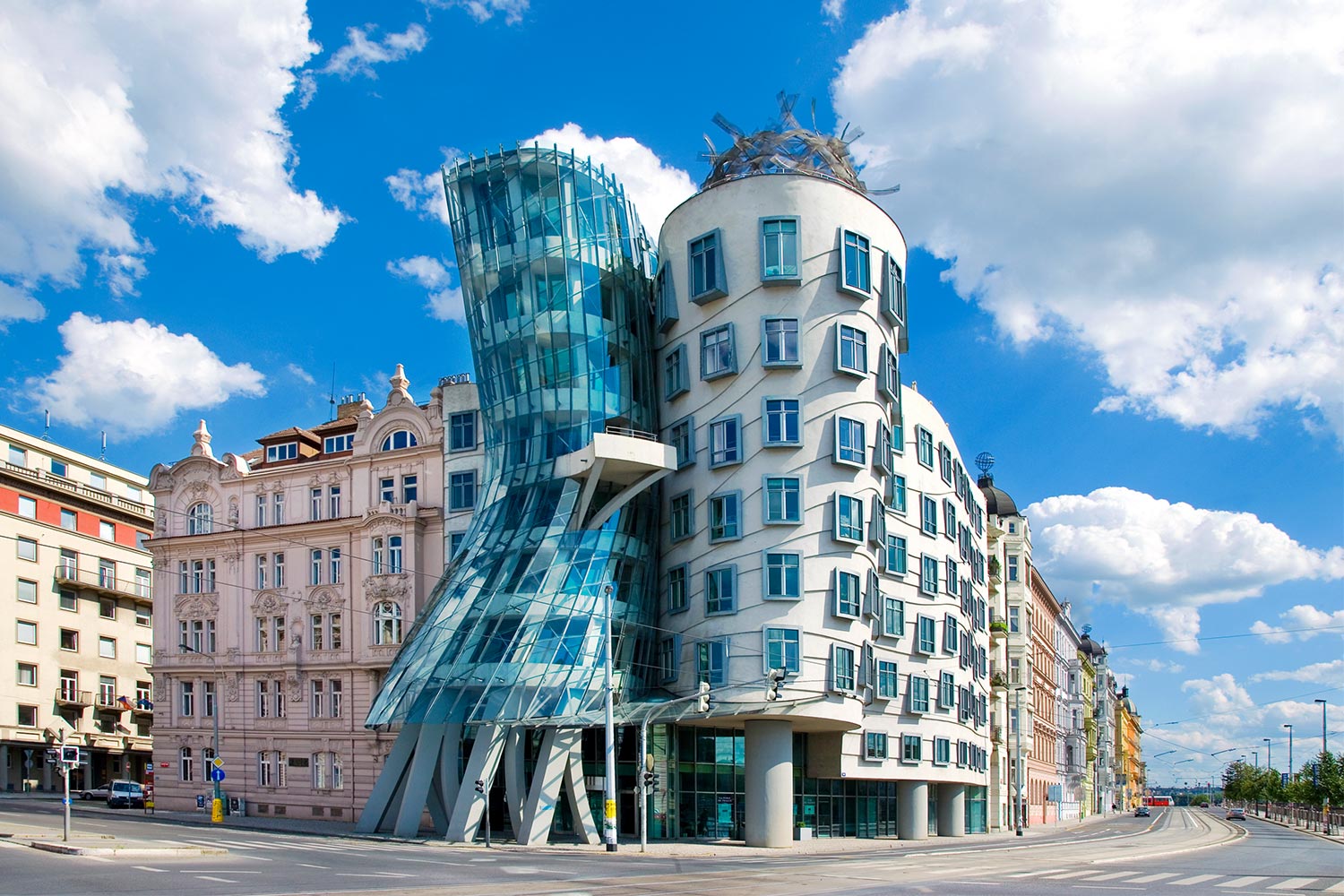
The Dancing House, also known as Tančící dům, is a modern architectural landmark designed by Frank Gehry and Vlado Milunić. Completed in 1996, its unique design symbolizes a pair of dancers, inspired by Fred Astaire and Ginger Rogers, and it serves as a cultural hub with a gallery and restaurant offering stunning views of the city. Built on a site that was previously destroyed during WWII, it symbolizes renewal and freedom.
Municipal House
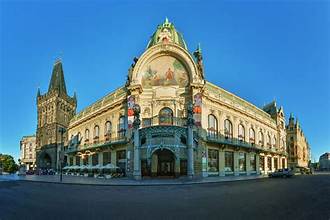
The Municipal House (Obecní dům) is a prominent Art Nouveau building that serves as a cultural and social hub, housing the famous Smetana Hall. It was completed in 1912 and is located at Náměstí Republiky, next to the Powder Gate, making it a key landmark in the city. Built on the site of the former Royal Court, it symbolizes Czech national identity and cultural life. The building includes a café, a French restaurant, and exhibition spaces.
Old Town Square
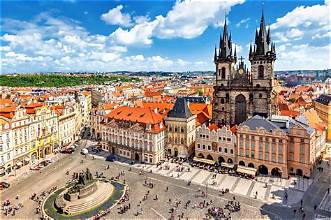
Old Town Square, located in the heart of Prague, is a historic and vibrant area known for its stunning architecture and cultural significance. It features notable landmarks such as the Astronomical Clock, Týn Church, and various historical monuments, making it a central hub for tourists and locals alike. The square hosts various events, including Christmas markets and public gatherings, reflecting its role as a social hub throughout history.
Petrin Tower
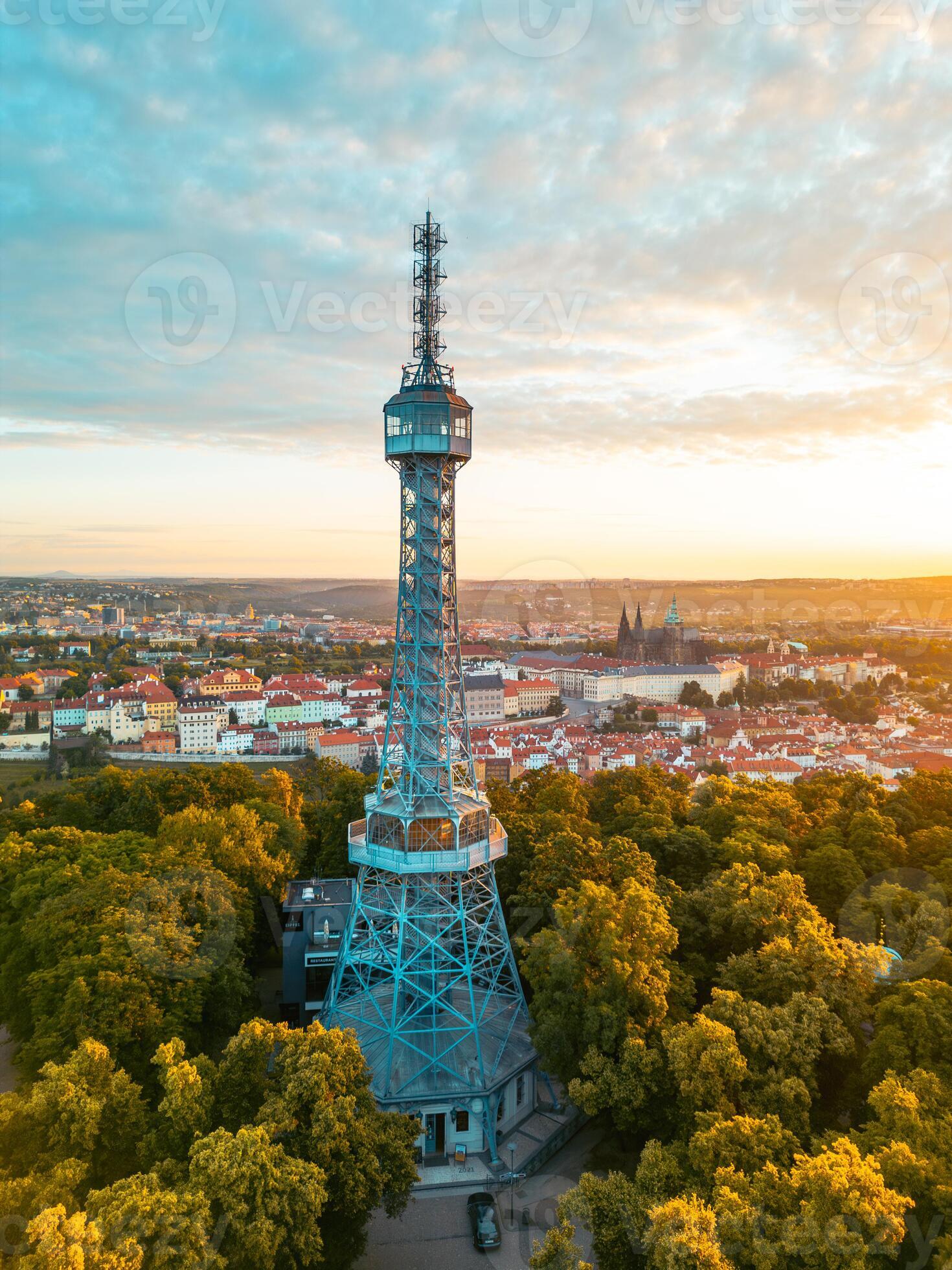
The Petřín Lookout Tower, located on Petřín Hill, is a 63.5-meter-tall steel structure built in 1891, resembling the Eiffel Tower. It serves as both an observation and transmission tower, making it a popular tourist attraction today. Built in 1891 for the Jubilee Exhibition, it was designed by František Prášil as a tribute to the Eiffel Tower. Visitors can reach the top via 299 steps, offering panoramic views of the city. The tower is illuminated at night and is considered a cultural monument of Prague.
Prague Castle
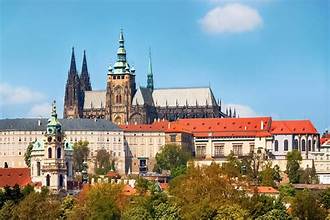
Prague Castle is one of the largest castle complexes in the world and serves as the official residence of the Czech president. It features a rich architectural heritage, including Gothic, Renaissance, and Baroque styles, and is a UNESCO World Heritage Site. It has been the seat of power for Czech kings, emperors, and presidents.
Rudolfinum
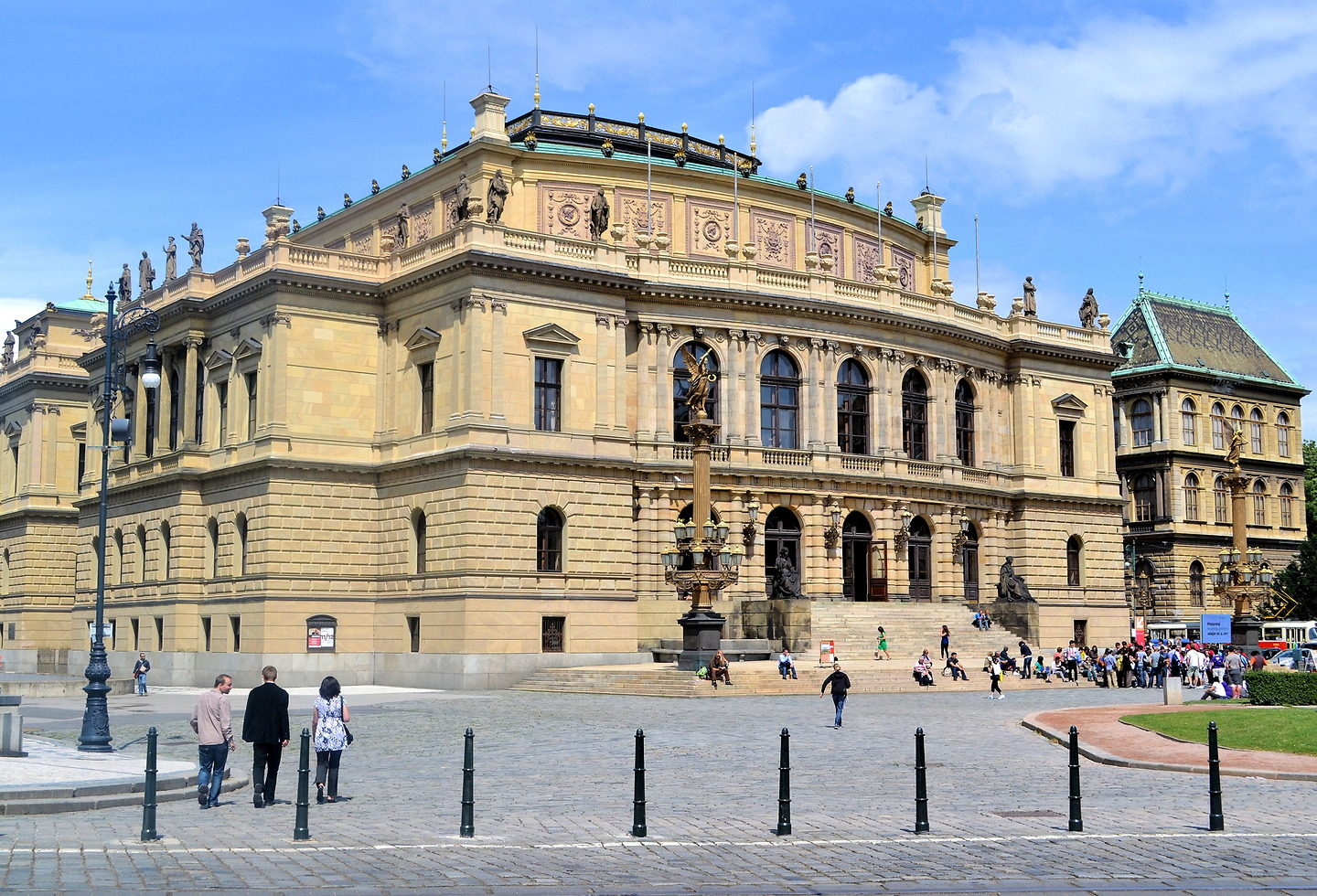
The Rudolfinum is a prominent cultural building known for its neo-Renaissance architecture and as the home of the Czech Philharmonic Orchestra. It serves as a venue for concerts and exhibitions, making it a significant landmark in the city. The Rudolfinum Gallery opened in 1994, showcasing contemporary art. Visitors can see 32 statues of famous composers adorning the building.
St. Vitus Cathedral
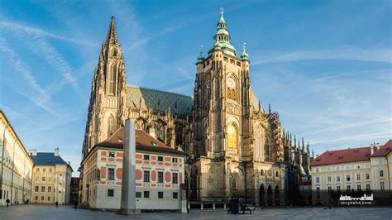
St. Vitus Cathedral is a stunning example of Gothic architecture and serves as a significant historical and cultural landmark. It is the largest cathedral in the Czech Republic and has been the site of many important events, including royal coronations and funerals. The cathedral took nearly 600 years to complete, starting in 930 and finishing in 1929. The cathedral is not only a religious site but also a symbol of Czech national identity and pride, prominently featured in Prague's skyline.
About the Creator
Rasma Raisters
My passions are writing and creating poetry. I write for several sites online and have four themed blogs on Wordpress. Please follow me on Twitter.
Enjoyed the story? Support the Creator.
Subscribe for free to receive all their stories in your feed. You could also become a paid subscriber, letting them know you appreciate their work.
Comments
There are no comments for this story
Be the first to respond and start the conversation.