
Most Famous Buildings in Oslo
Impressive architecture

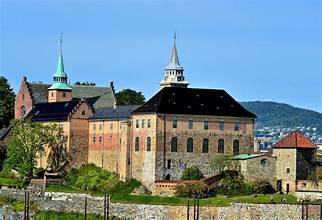
Situated on the waterfront, Akershus Fortress is a medieval castle dating back to 1299. It was built under King Hakon V to protect the city and serves as a royal residence. The fortress is situated at the end of the headland and has withstood many sieges over the centuries. Inside the fortress is a royal mausoleum and various historic buildings.
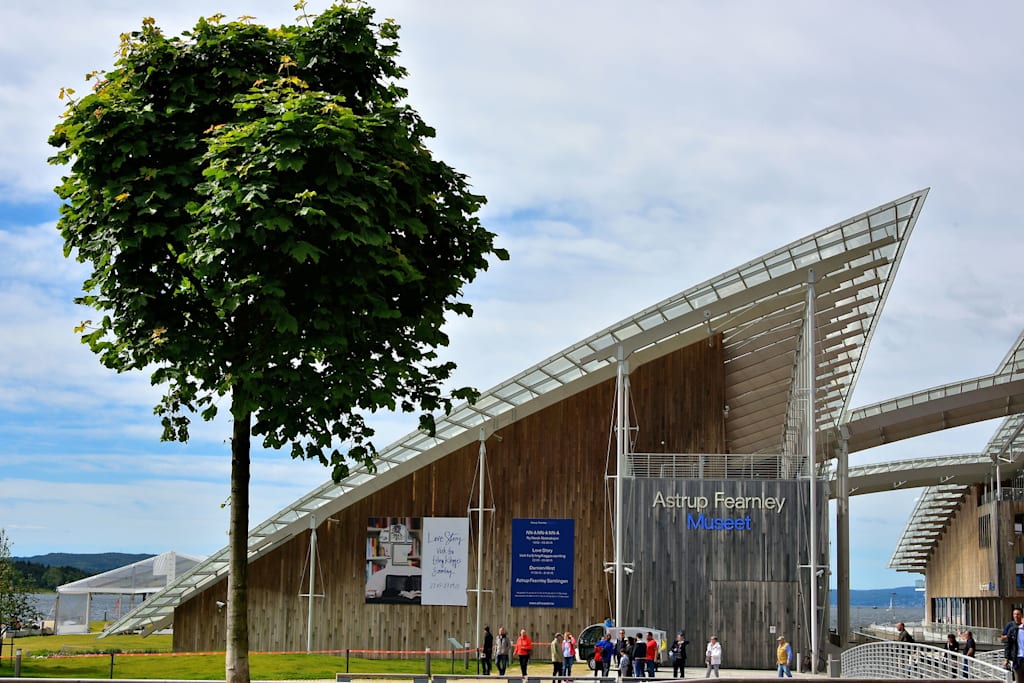
Situated in the Tjuvholmen neighborhood, the Astrup Fearnley Museum was opened to the public in 1993. It is a contemporary art gallery. The building was designed by Italian architect Renzo Piano right by the fjord, offering picturesque views. The exhibits focus on contemporary art, particularly American appropriation artists from the 1980s. Guided tours are available on Sundays.
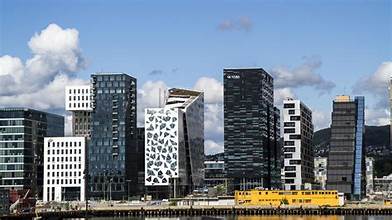
The Barcode Project is an amazing part of the city skyline. This group of high-rise buildings is situated in the Bjorvika neighborhood, making use of former dock and industrial land. These buildings are of uneven heights and narrow widths that give the appearance of a barcode when viewed from a distance. They were designed by the architectural firm Snohetta. These buildings house multi-purpose spaces, hosting offices, residential spaces, and commercial areas. The project emphasizes modern urban planning and innovative architecture.
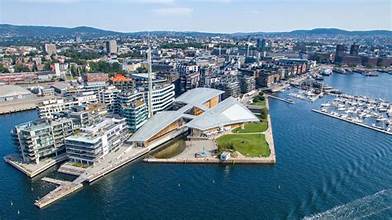
Combining modern architecture with lovely waterfront views is Fjord City. The area stretches almost ten kilometers from Skoyen to Kongshavn. It offers visitors a walking route that is marked by signs and lampposts. The design of Fjord City integrates public art, modern buildings, and green spaces, making it a unique blend of urban and natural beauty.
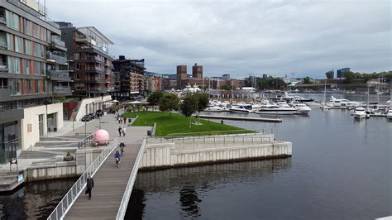
Among the highlights is the harbor promenade, a pedestrian path making it easy to explore the area and learn about the history. Orange containers along the route offer information.
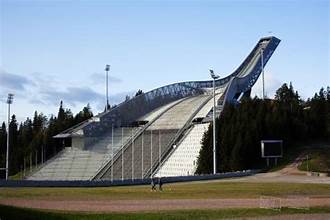
Holmenkollen Ski Museum is the oldest ski museum in the world. IT was founded in 1923 and is situated at the base of the iconic Holmenkollen ski jump. The museum features over 4000 years of skiing history, including exhibitions on ancient skis used by the early Nordic people. Visitors can also learn about famous polar explorers and their expeditions.
Renovation took place in 2023 for the museum’s 100-year anniversary, adding a new extension and outdoor entrance. The observation deck atop of the ski jump tower offers panoramic views of Oslo.
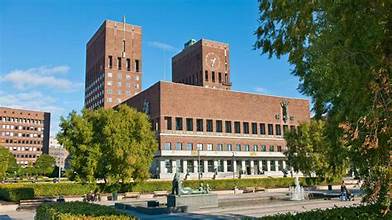
Completed in 1950, the Oslo City Hall is an impressive example of Functionalist architecture. It features solid brown bricks and heavy textiles. The building houses the city council and various municipal organizations. This is the place where the Nobel Peace Prize ceremony takes place every December 10. The most notable features are the two tall towers and an enormous clock. Visitors can tour the hall for free.
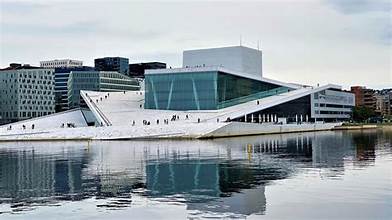
The Oslo Opera House is an impressive example of modern Scandinavian architecture. It is situated in the Bjorvika neighborhood, at the head of the Oslofjord. The building was designed by the Norwegian architecture firm Snohetta.
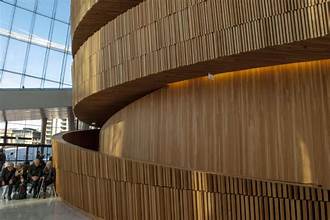
It features an iconic white “Wave Wall” that extends into the harbor. Visitors can walk on the marble roof for amazing views over Oslo and the surrounding fjord. The Oslo Opera House is home to the Norwegian National Opera and Ballet.
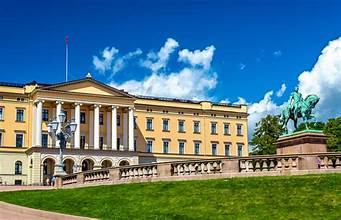
An impressive landmark in the city is the Royal Palace, situated at one end of the Karl Johans gate. The palace has been a symbol of Norwegian history since 1814. It was designed by architect Hans Dirlev Franciscus Linstow. Building began in 1824, and the foundation stone was laid by King Charles III John. It serves as the residence of the present Norwegian monarch, King Harald V. Visitors can tour the palace during the summer months.
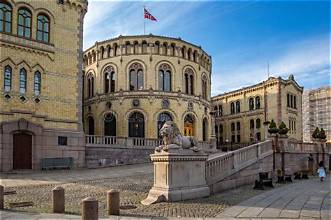
The Parliament of Norway, or Stortinget, is situated on Karl Johans Gate 22. This iconic building has served as the seat of Norway’s parliament. It was designed by Swedish architect Emil Victor Langlet and began its work in 1866. The building showcases a mix of architectural styles, featuring yellow brick and light gray granite. Its importance was highlighted during the 150th Anniversary celebration in 2016.
About the Creator
Rasma Raisters
My passions are writing and creating poetry. I write for several sites online and have four themed blogs on Wordpress. Please follow me on Twitter.
Enjoyed the story? Support the Creator.
Subscribe for free to receive all their stories in your feed. You could also become a paid subscriber, letting them know you appreciate their work.
Comments
There are no comments for this story
Be the first to respond and start the conversation.