
Most Famous Buildings in Ljubljana Slovenia
Impressive architecture

Cukrama
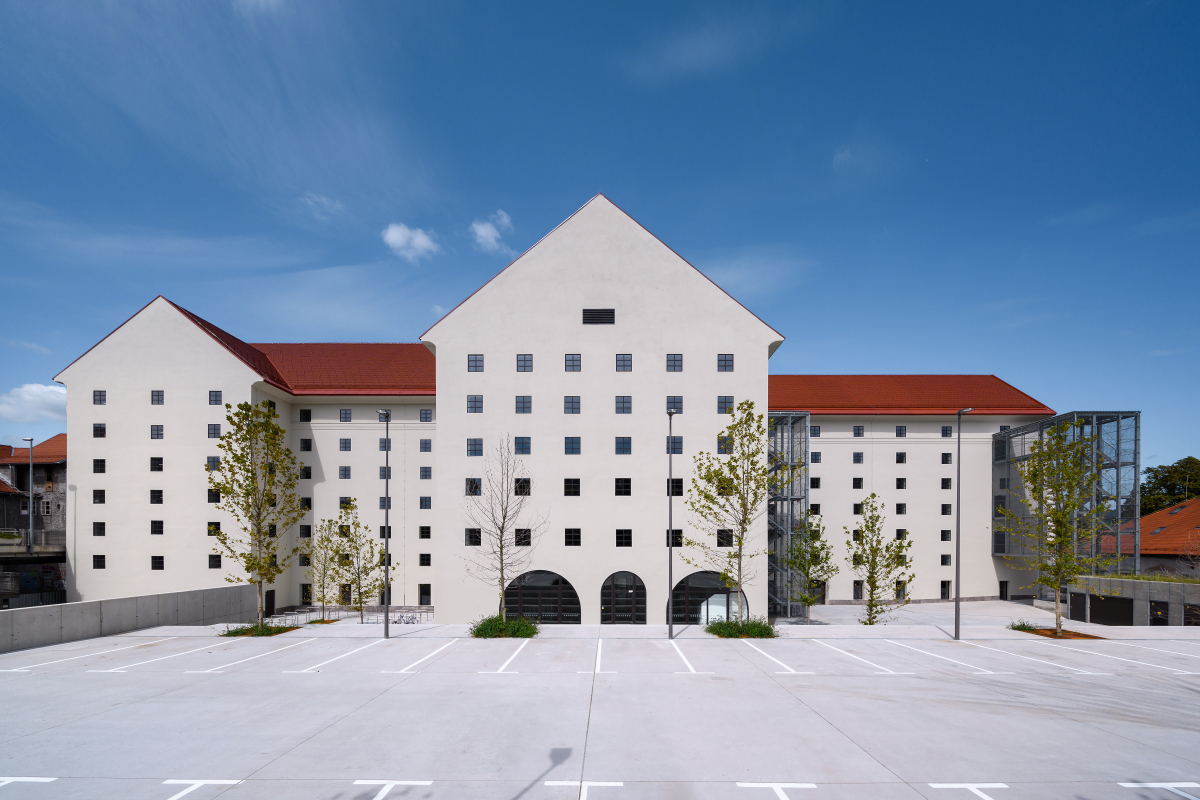
Cukrarna is a contemporary art gallery housed in a renovated former sugar refinery built in 1828. The renovation, completed by Scapelab, transformed the derelict structure into a vibrant cultural space that enhances the city's architectural landscape. The renovation by Scapelab features a floating cube clad in perforated sheet metal, which serves both aesthetic and functional purposes, including sound insulation. The lobby of Cukrarna is designed to be an open space filled with natural light, creating an inviting atmosphere for visitors and artists alike.
Dragon Bridge
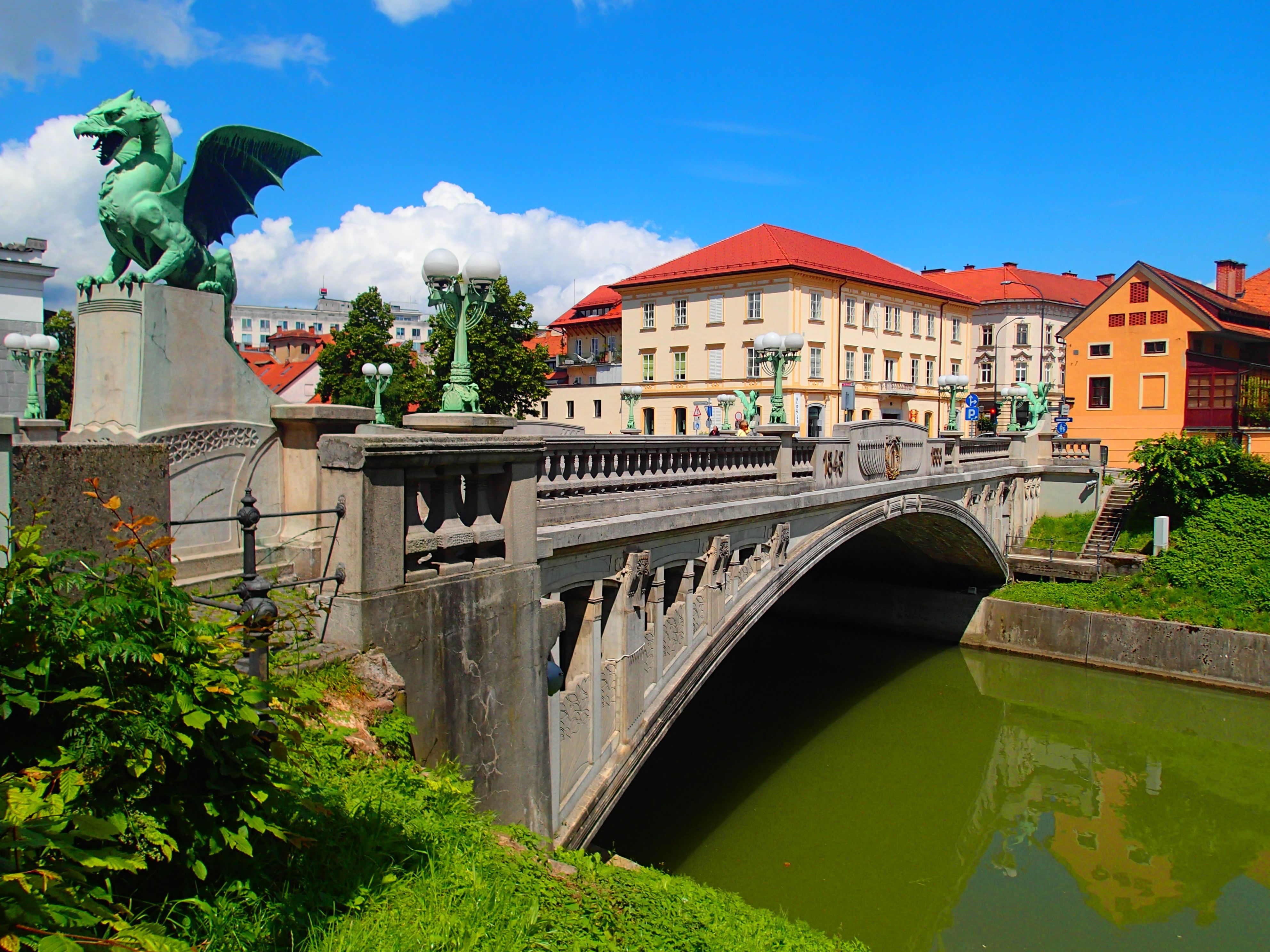
The Dragon Bridge is a notable example of early 20th-century Art Nouveau architecture, completed in 1901. Designed by architect Jurij Zaninović, it features iconic dragon statues and was the city's first reinforced concrete bridge. The bridge is a pioneering example of Art Nouveau architecture in Central Europe, reflecting the Vienna Secession movement. The four copper dragon statues symbolize the city and are integral to its identity.
Ljubljana Castle
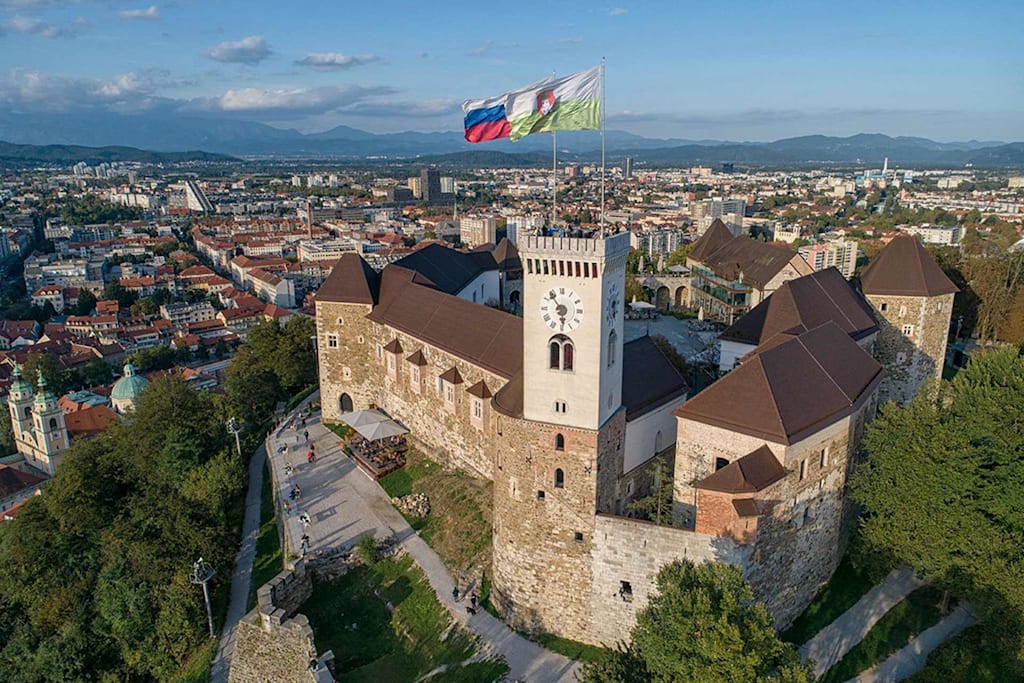
Ljubljana Castle showcases Venetian architectural influence, reflecting Adriatic coastal culture. The castle, perched on a hill, is a prominent symbol of Ljubljana and offers stunning views of the city. Its architecture features elements reminiscent of Venetian styles, which can be attributed to Slovenia's historical ties with the Adriatic region. The castle's design incorporates elements typical of Venetian architecture, such as decorative arches and stonework. Originally built in the 11th century, it has undergone various renovations that highlight its cultural heritage. The castle serves as a venue for cultural events, further emphasizing its role in the city's artistic landscape.
The National and University Library of Slovenia
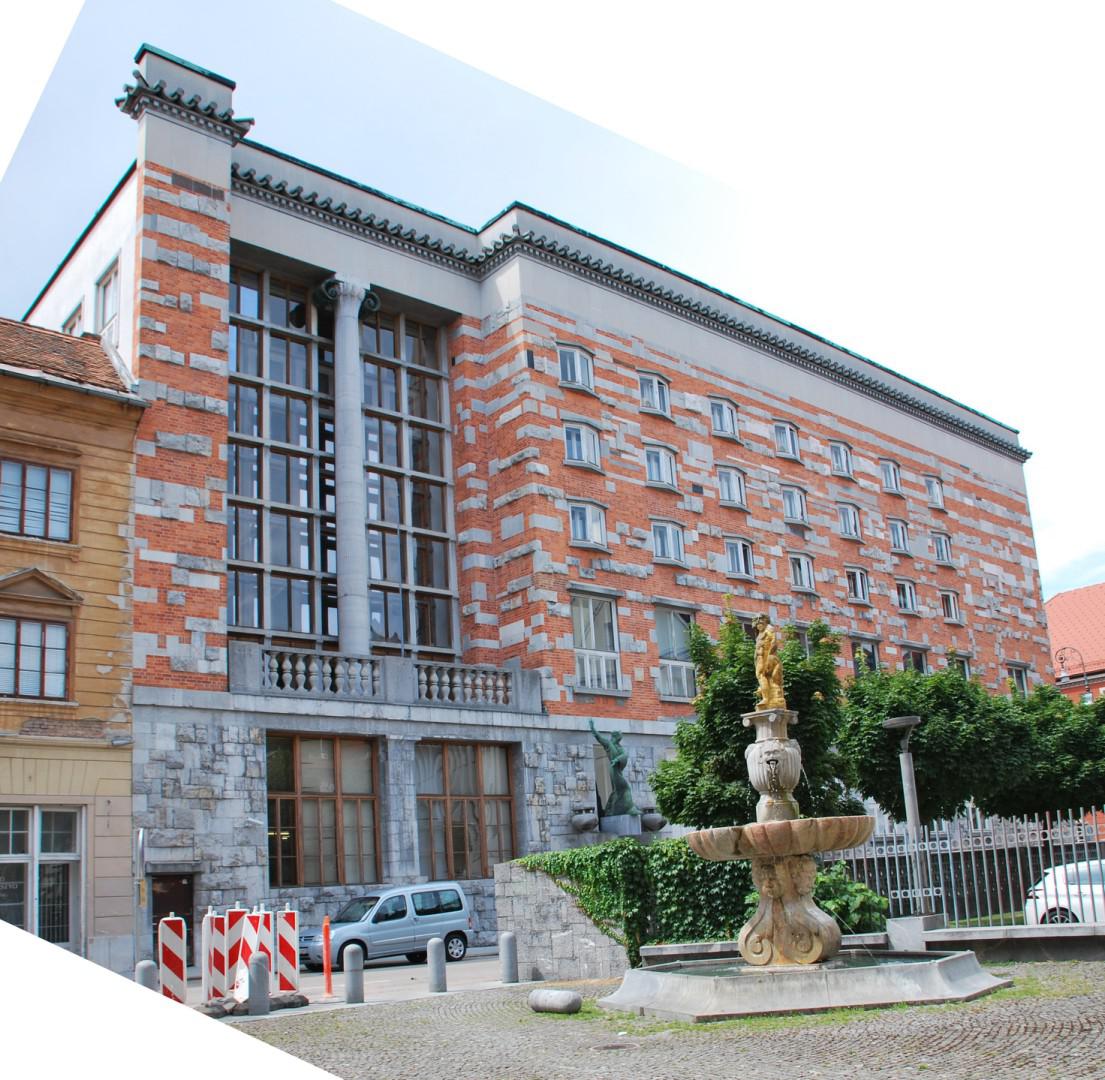
The National and University Library of Slovenia, designed by Jože Plečnik, is a significant example of 20th-century architecture, showcasing a blend of monumental and intimate design elements. Completed in 1941, it features a striking facade and a grand interior, making it a landmark in Ljubljana Its monumental facade combines brick and stone, creating a visually striking appearance.
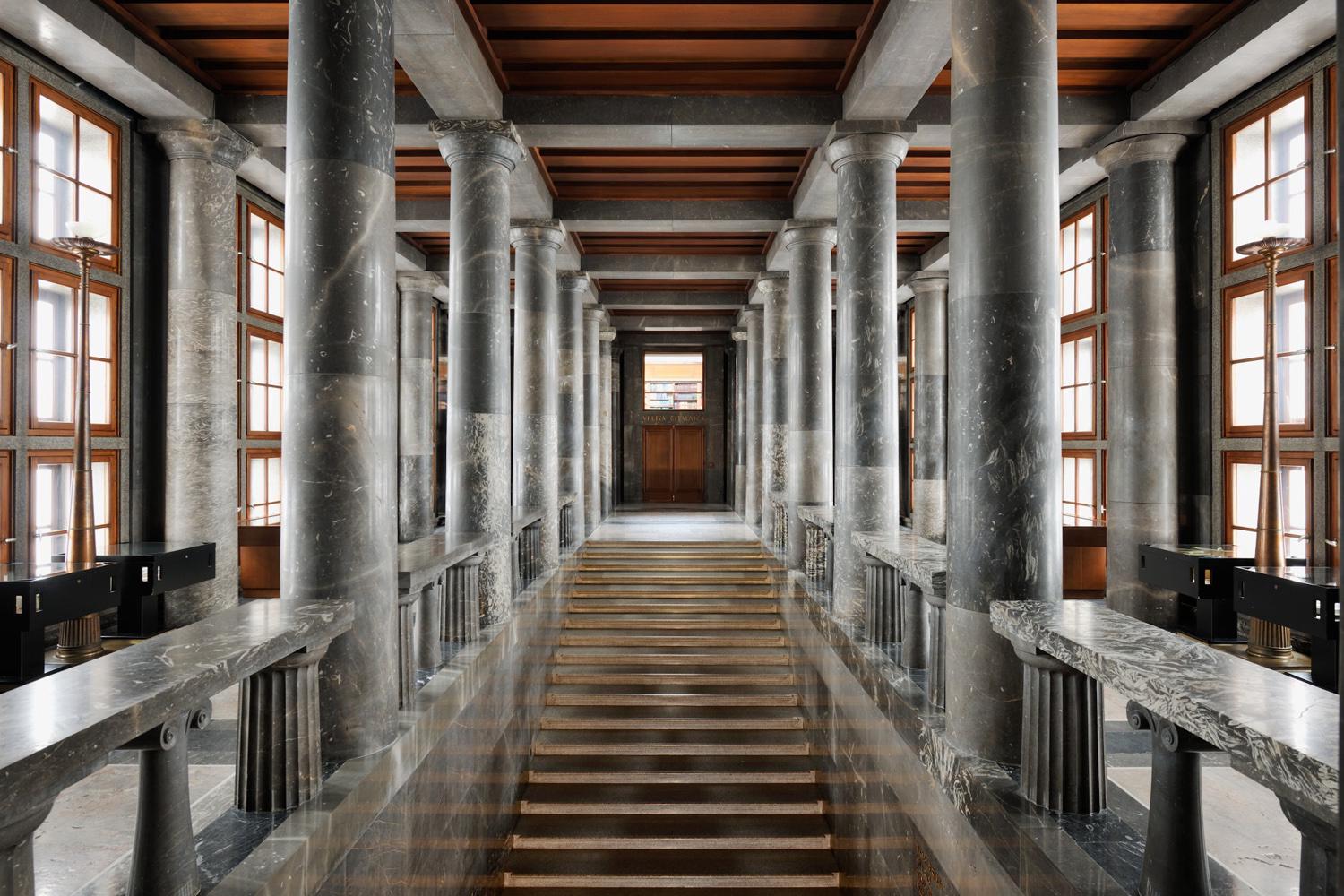
The interior includes a grand staircase and a spacious reading room, enhancing its functional beauty. The building also accommodates lecture halls for the university, blending library and educational functions.
National Museum of Slovenia
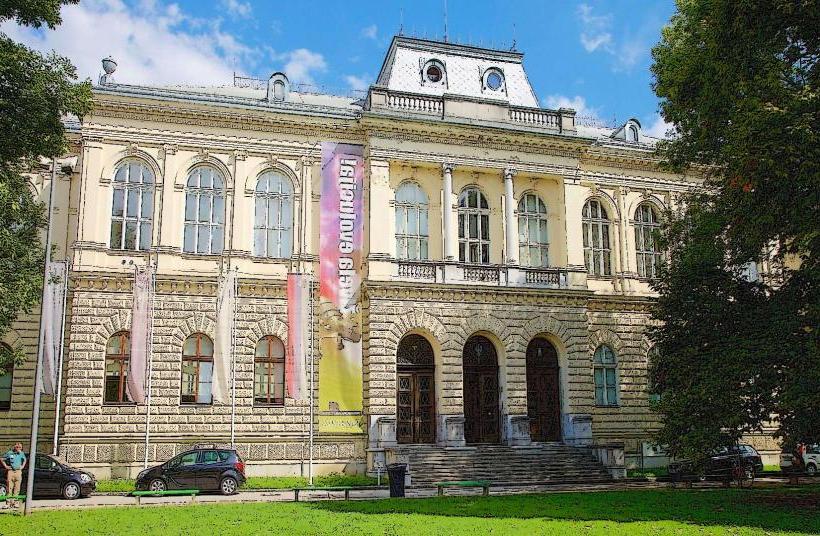
The National Museum of Slovenia showcases neo-Renaissance architecture designed by Viljem Treo, built between 1883 and 1885. It serves as a significant cultural institution, highlighting Slovenia's rich history through its extensive collections and exhibitions. The museum is designed in the neo-Renaissance style, characterized by its grand façade and intricate details. The museum not only houses artifacts but also represents a key part of Slovenia's architectural heritage.
Republic Square
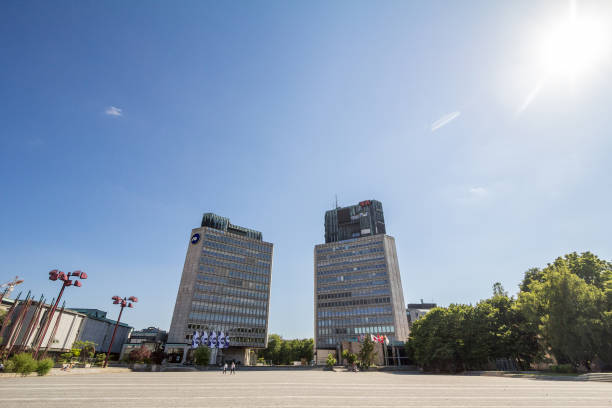
Republic Square is a significant example of socialist modernist architecture, designed by Edvard Ravnikar in the 1960s. The square serves as a political and cultural hub, featuring notable buildings and monuments that reflect Slovenia's history and architectural evolution. The square was designed by Edvard Ravnikar, a pupil of renowned architect Jože Plečnik, emphasizing socialist modernism. The square features granite facades and a layout that reflects both modern and classical influences, adhering to Gottfried Semper’s clothing theory.
Triple Bridge
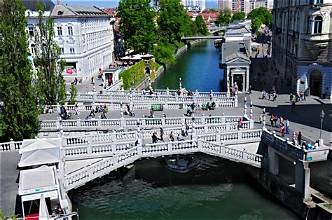
The Triple Bridge, or Tromostovje, is a unique architectural ensemble in Ljubljana, designed by architect Jože Plečnik in the 1930s. It consists of three bridges that span the Ljubljanica River, connecting the historical and modern parts of the city. The central bridge is constructed from Glinica limestone, while the side bridges utilize concrete. It is part of Plečnik's Ljubljana, which was inscribed as a UNESCO World Heritage Site in 2021. The Triple Bridge is freely accessible and serves as a central gathering point in Ljubljana.
Vurnik House
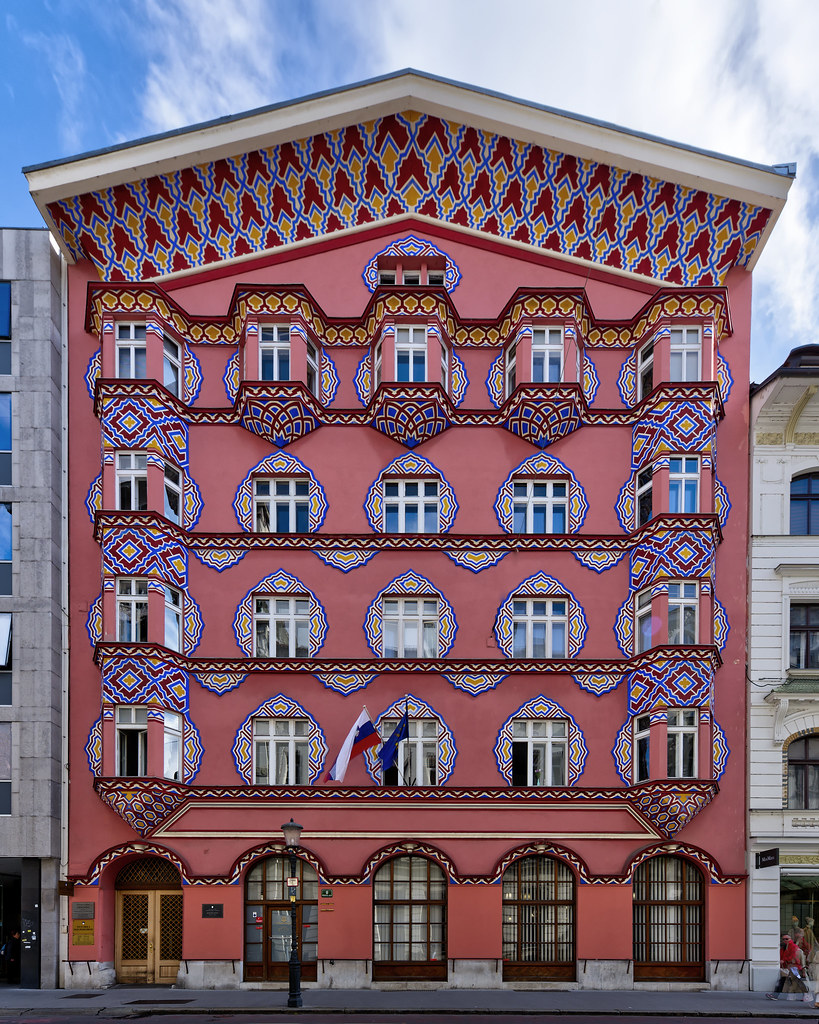
Vurnik House is a prominent example of Slovenian national style architecture, designed by architect Ivan Vurnik in 1921. Its richly decorated facade and unique blend of influences make it a standout in the city's Art Nouveau quarter The building showcases a mix of Slavic, Oriental, Mediterranean, and modern elements, reflecting diverse cultural influences.
About the Creator
Rasma Raisters
My passions are writing and creating poetry. I write for several sites online and have four themed blogs on Wordpress. Please follow me on Twitter.
Enjoyed the story? Support the Creator.
Subscribe for free to receive all their stories in your feed. You could also become a paid subscriber, letting them know you appreciate their work.
Comments
There are no comments for this story
Be the first to respond and start the conversation.