
Most Famous Buildings in Edinburgh, Scotland
Impressive architecture

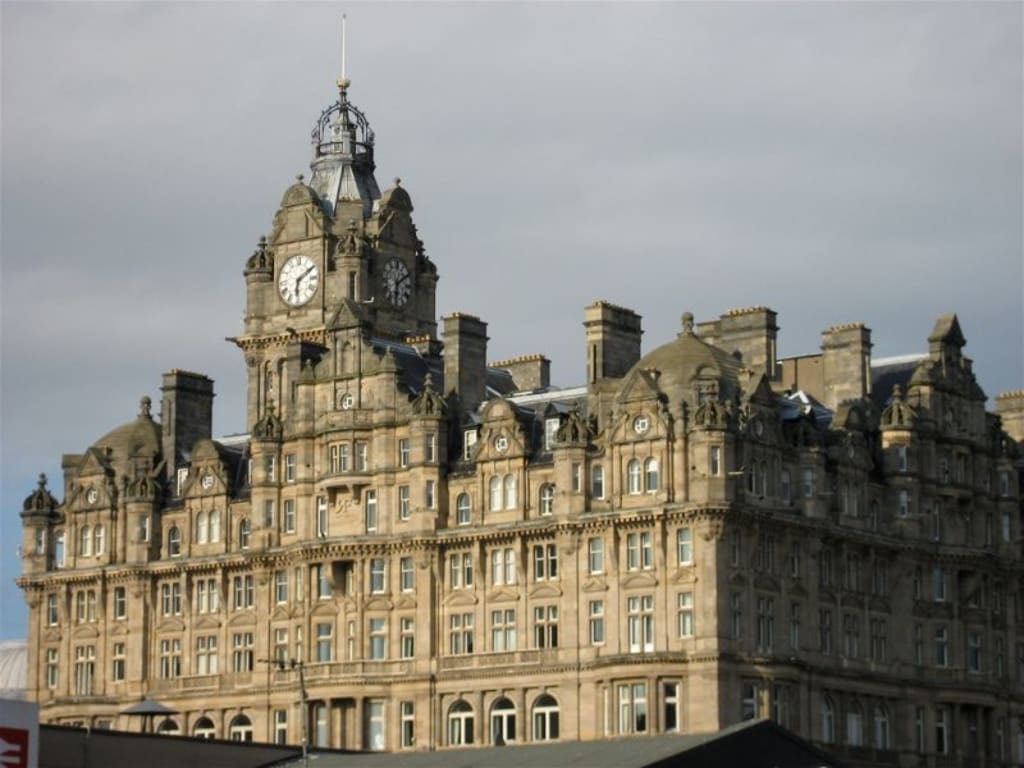
The Balmoral Hotel is a prominent example of Scottish baronial architecture, featuring a striking clock tower and elaborate turrets. Completed in 1902, it symbolizes the cultural heritage of the city and showcases the grandeur of late Victorian design. The hotel was designed by W. Hamilton Beattie and A.R. Scott, linking Old Edinburgh with the New Town.
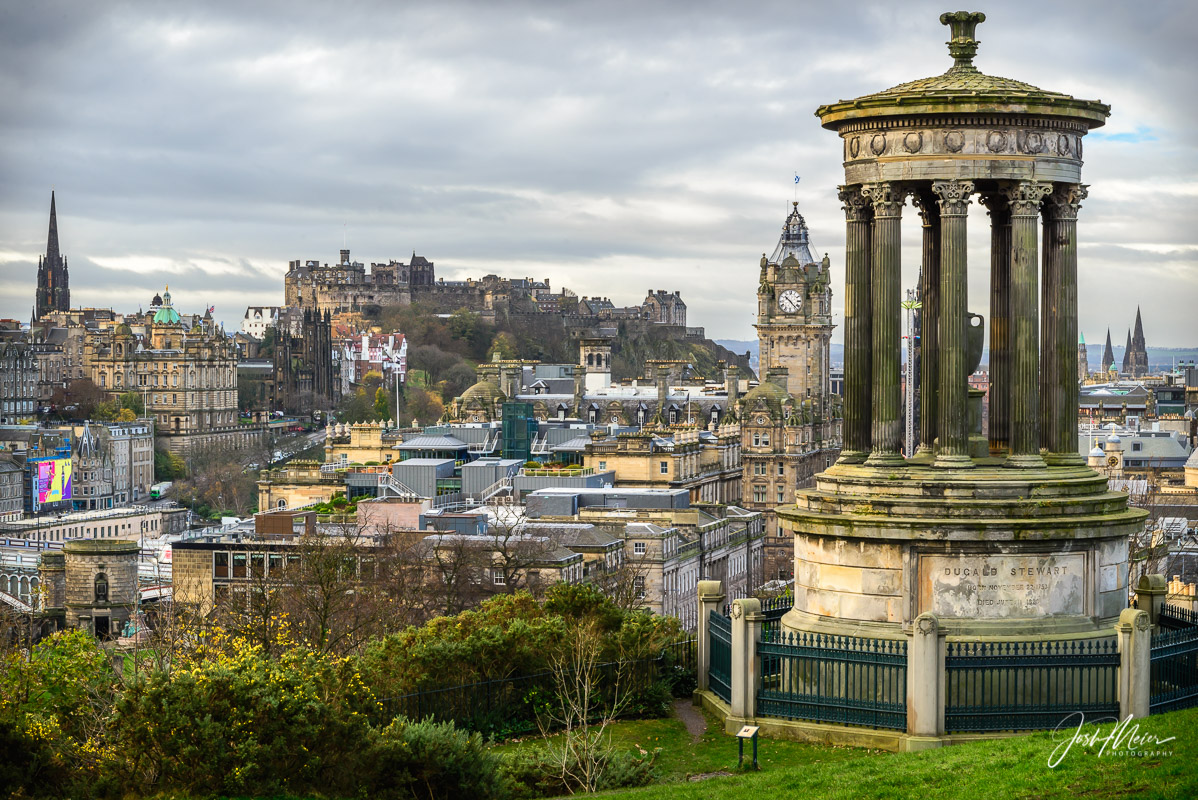
The Dugald Stewart Monument is a circular temple designed by architect William Henry Playfair, completed in 1831. It features nine fluted Corinthian columns and is inspired by the ancient Choragic Monument of Lysicrates in Athens. The monument serves as a tribute to philosopher Dugald Stewart, highlighting the importance of the Scottish Enlightenment.
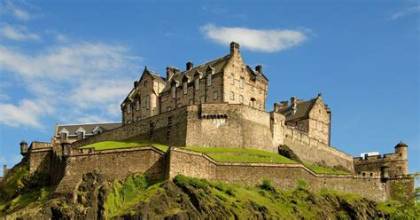
Edinburgh Castle showcases a rich architectural history, evolving from an Iron Age hillfort to a medieval royal residence and modern fortress. Its structures reflect various styles and periods, making it a significant landmark in Scotland. The castle exhibits a mix of medieval, Renaissance, and modern architectural elements, reflecting its long history. It has served as a royal residence and is home to the Honors of Scotland, the country's crown jewels.
During the 16th-century Lang Siege, intense cannon bombardment destroyed the majority of the medieval buildings occupying Castle Rock. The National War Museum of Scotland and the Scottich National War Memorial occupy a portion of the castle.
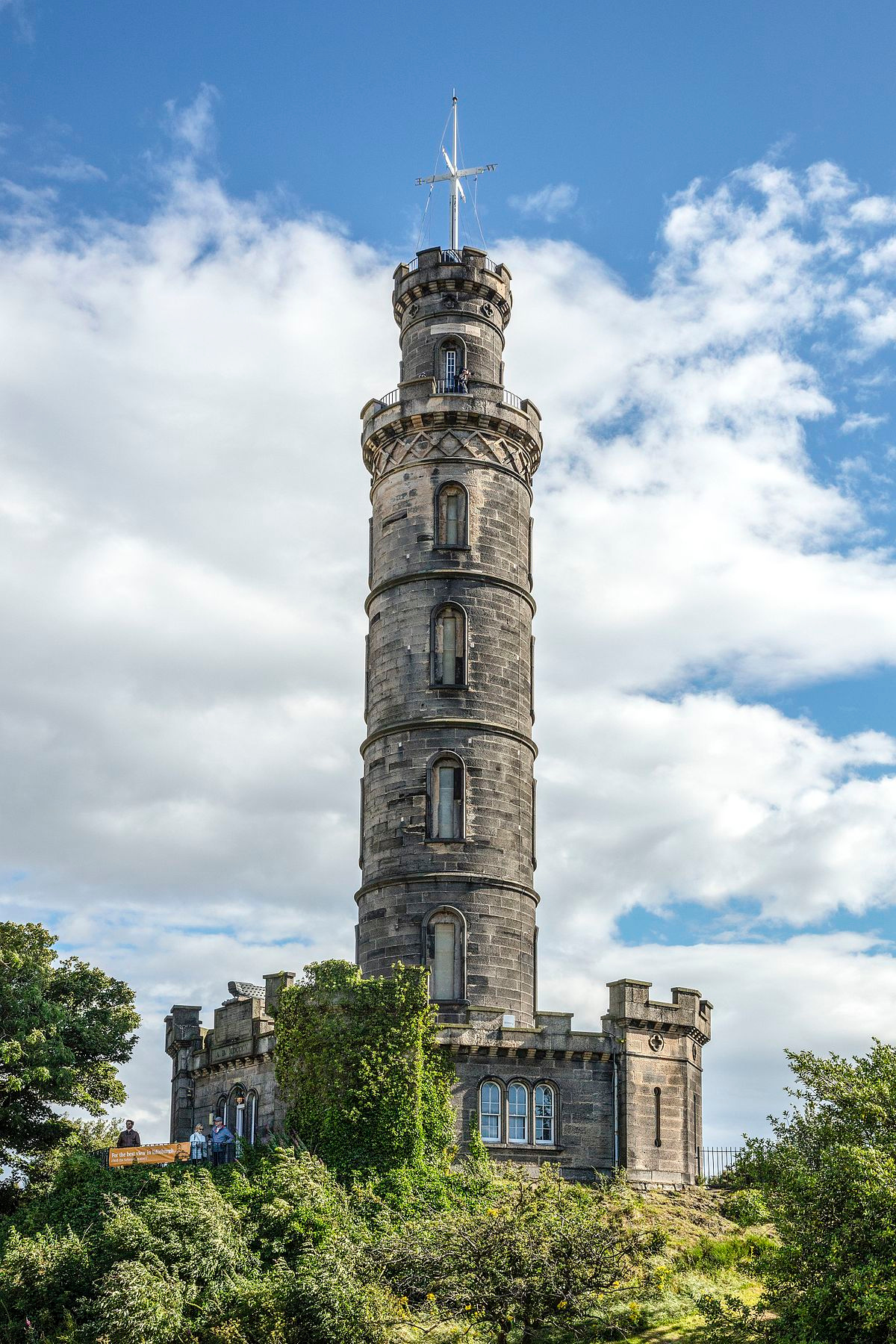
The Nelson Monument is a commemorative tower designed by architect Robert Burn, honoring Vice Admiral Horatio Nelson. It is styled as an upturned telescope and stands on Calton Hill, providing a prominent landmark in the city. It commemorates Admiral Nelson's victory at the Battle of Trafalgar in 1805, despite his fatal injury during the battle.
The monument can be climbed, offering stunning panoramic views of the city and surrounding landscape. Visitors can enjoy a 360-degree viewing deck that includes sights like Edinburgh Castle and Arthur’s Seat. The climb involves ascending 143 steps to reach the viewing platform.
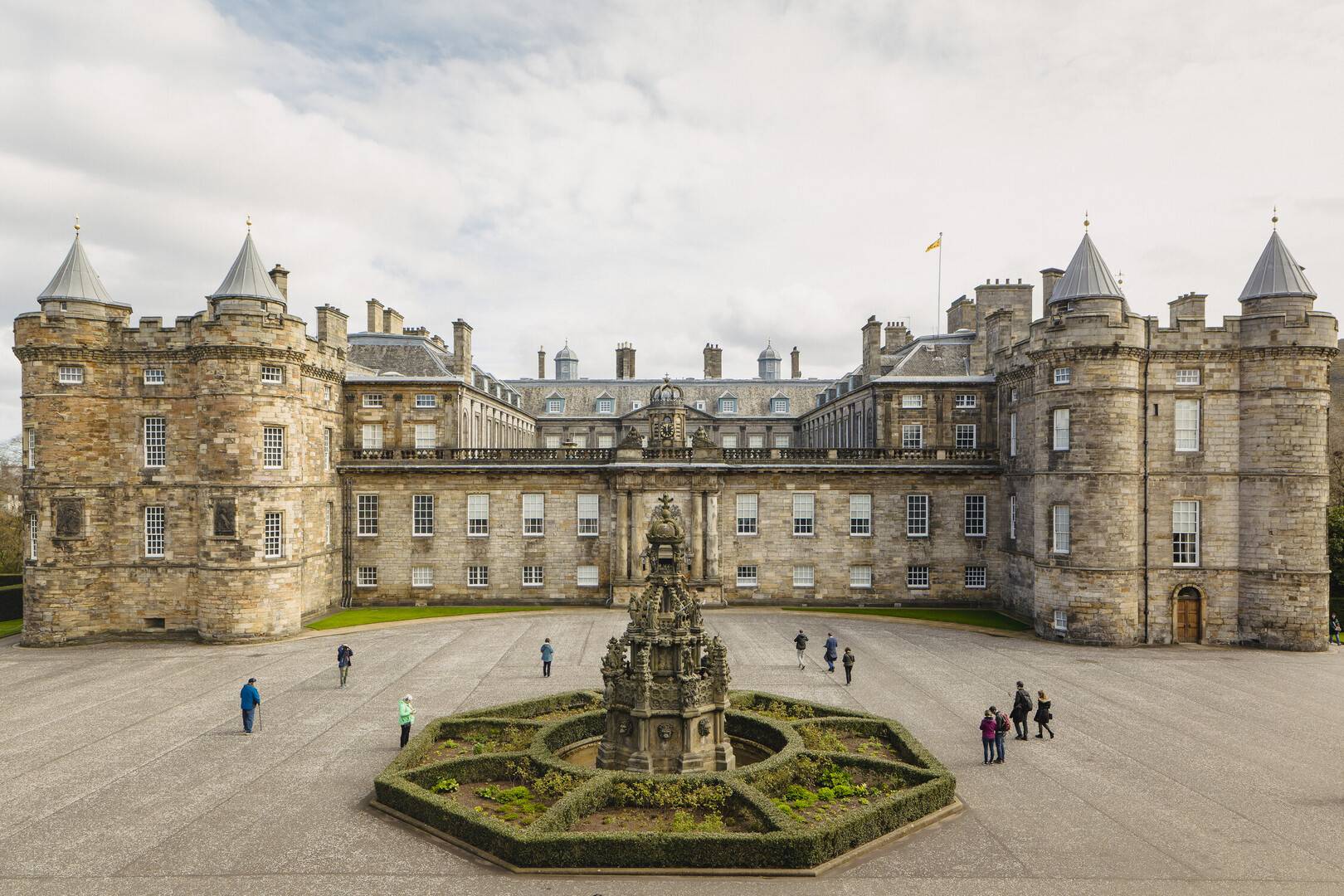
The Palace of Holyroodhouse features a classical quadrangular design, with its origins dating back to the early 16th century. It serves as the official residence of the British monarch in Scotland and showcases a blend of Gothic and Renaissance architectural styles.
The Royal Mile connects the palace to Edinburgh Castle and serves as the formal residence of the British king in Scotland. Despite being the queen's home, she only comes here once a year for ceremonial purposes at the start of the summer and this is the only time it is closed to the public.
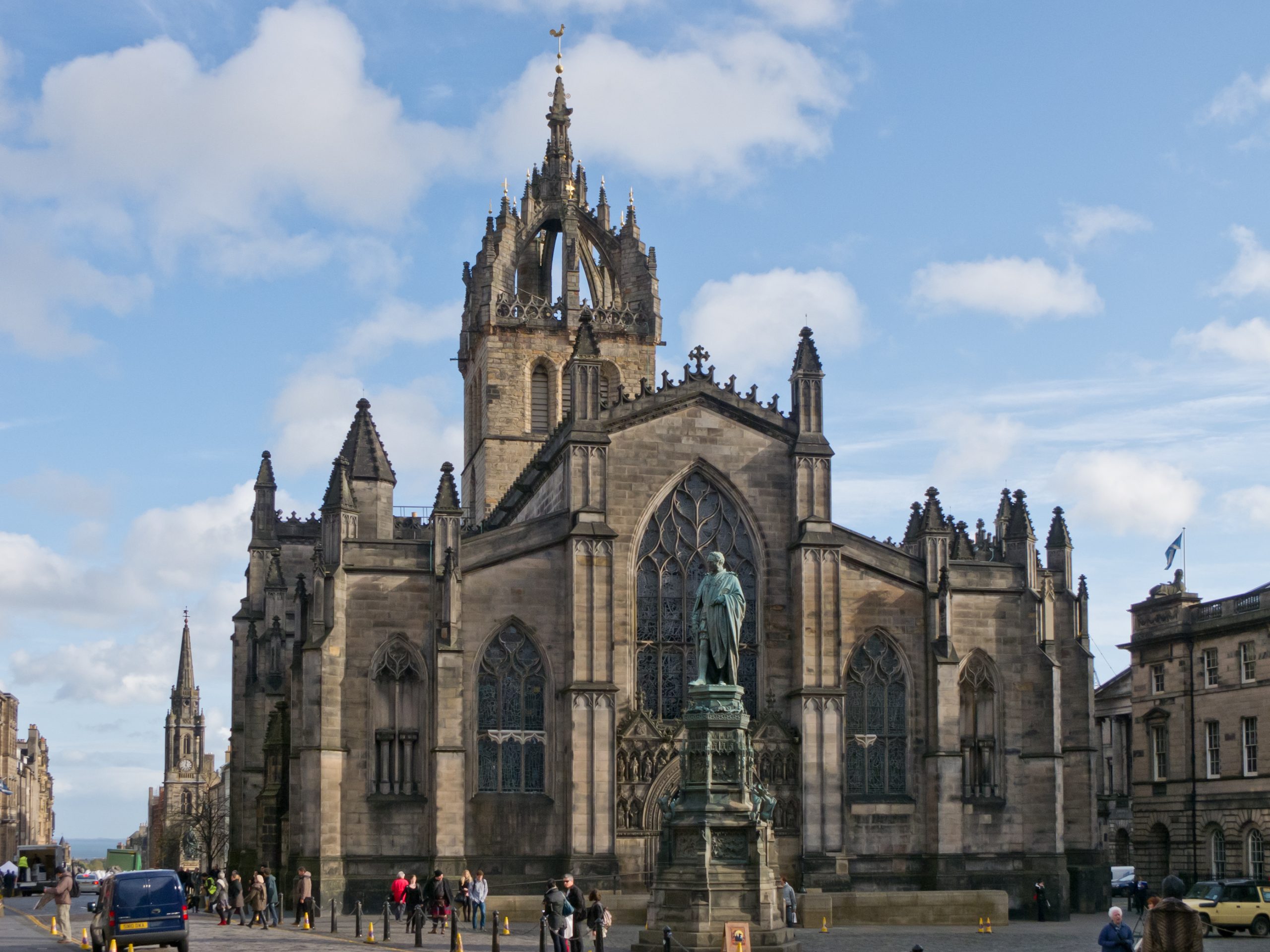
St. Giles' Cathedral showcases a blend of architectural styles, primarily Gothic, with its distinctive crown steeple and intricate stonework. The cathedral's design reflects centuries of modifications, making it a significant historical and architectural landmark in Scotland. Although an older building was established in the 12th century, the development of this amazing Old Town structure began in the 14th century. Since the Middle Ages, this intriguing church has been a significant structure in the city. The Order of the Thistle’s liturgies and other national events have taken place here.
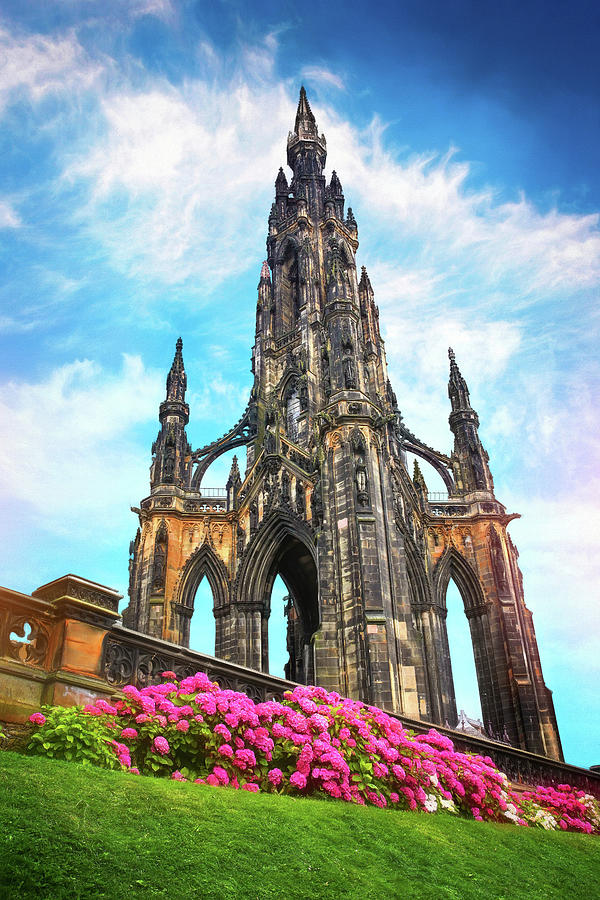
The Scott Monument is a striking example of Victorian Gothic Revival architecture, standing at 200 feet 6 inches (61.1 meters) tall. Designed by George Meikle Kemp and completed in 1846, it features intricate details and a central tower surrounded by arches, making it a prominent landmark in the city.
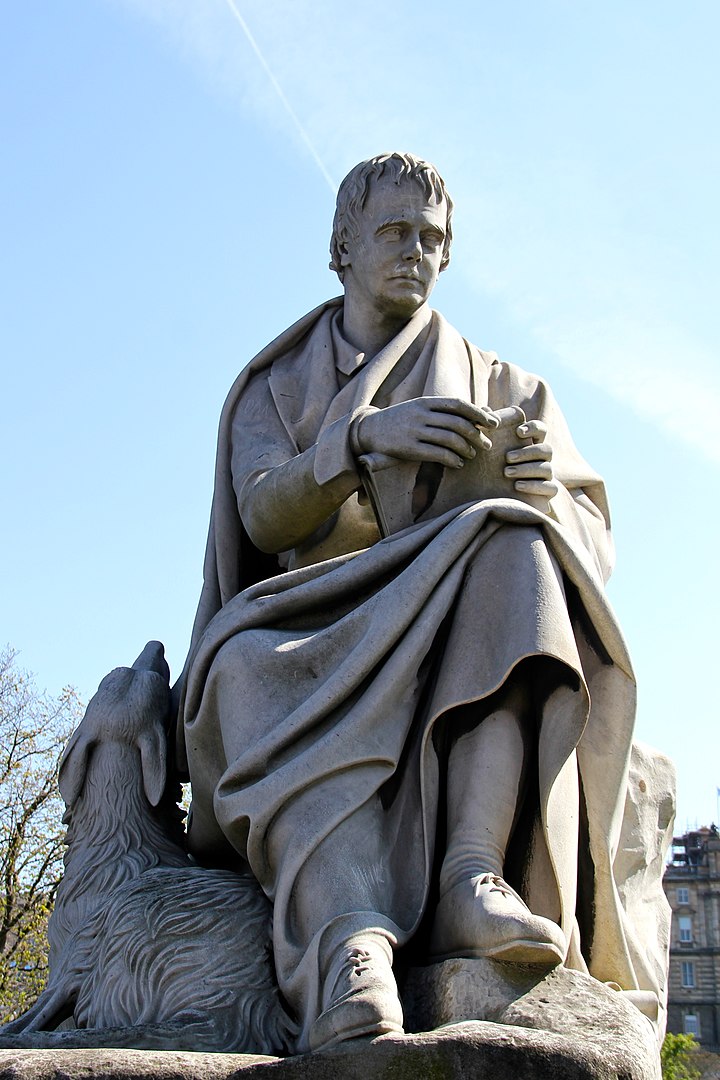
The monument is intricately adorned with 68 statues, including Sir Walter Scott and his dog, Maida. The statues were crafted by notable Scottish sculptors, showcasing intricate designs. Additionally, it has an observation deck with breathtaking views of the city and is accessible by stairs.
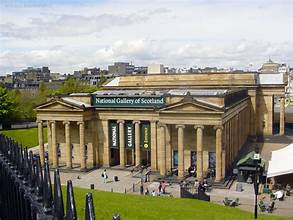
The Scottish National Gallery is renowned for its neoclassical architecture, designed by William Henry Playfair and opened in 1859. The building harmonizes functionality with aesthetic grace, making it a significant cultural landmark in Scotland.
The gallery houses an impressive collection of paintings, featuring works by renowned artists such as Botticelli, Titian, and the Impressionists. It features over 5,000 artworks, including paintings, sculptures, and decorative arts. Visitors can enjoy free admission and explore a diverse range of artworks spanning several centuries.
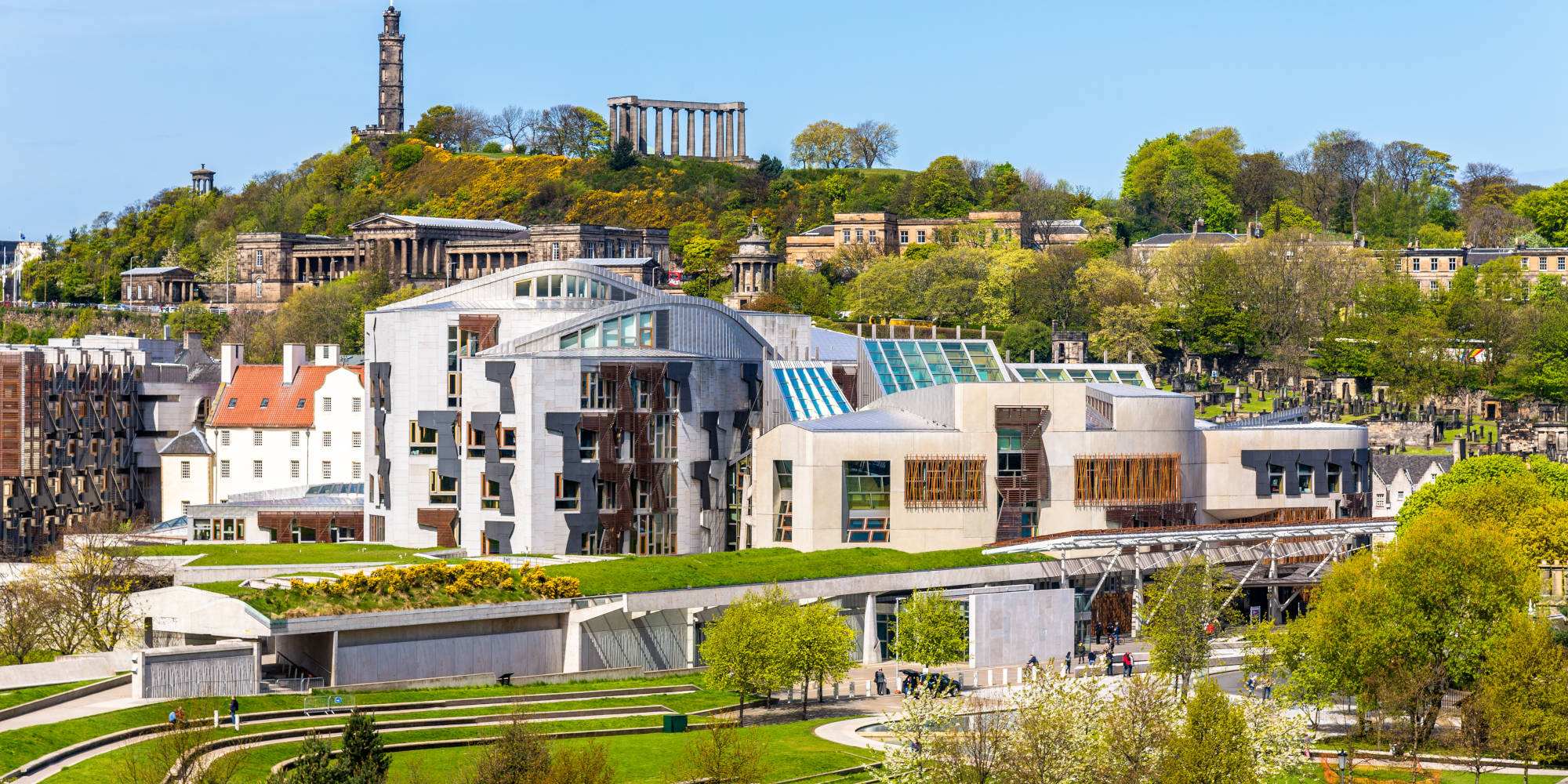
The Scottish Parliament building was designed by Spanish architect Enric Miralles and features a distinctive modern architectural style that reflects Scotland's cultural identity and history. Its design incorporates elements inspired by the natural landscape and traditional Scottish motifs, making it a significant landmark in the city. It is among the city’s newest structures completed in 2004. It prominently features concrete, steel, wood, and glass, creating a strikingly modern aesthetic.
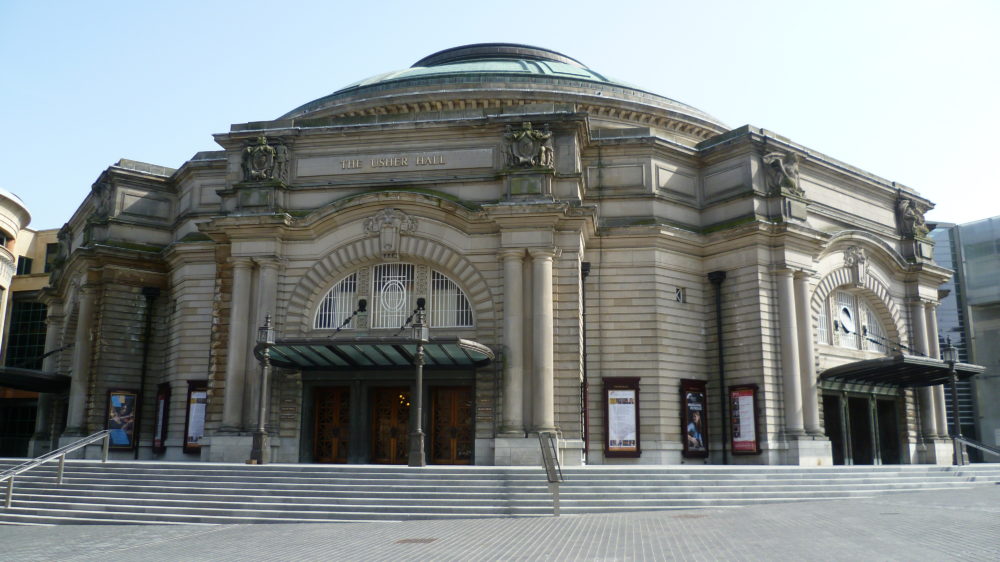
Usher Hall, opened in 1914, is a notable example of Beaux-Arts and Edwardian classical architecture, designed by Stockdale, Harrison & Lithgow. It features a large domed roof and an oval auditorium, making it a significant cultural venue in Scotland. It can accommodate approximately 2,200 people, making it one of the largest concert halls in Scotland. The building is listed as Grade A, highlighting its importance as a cultural landmark.
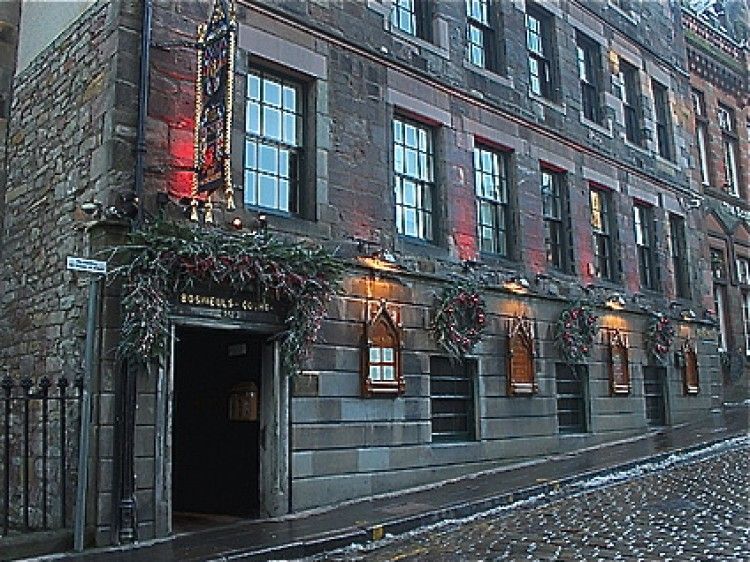
One of the most architecturally impressive restaurants in Edinburgh is The Witchery by Edinburgh Castle, known for its opulent baroque decor and historical ambiance. This restaurant not only offers a unique dining experience but also showcases the rich architectural heritage of Scotland. The flickering candlelight enhances the restaurant's romantic and historic feel. It was designed by James Thomson, who established it in 1979. His vision transformed the historic building into a luxurious dining experience, reflecting both opulence and the rich history of the location.
About the Creator
Rasma Raisters
My passions are writing and creating poetry. I write for several sites online and have four themed blogs on Wordpress. Please follow me on Twitter.
Enjoyed the story? Support the Creator.
Subscribe for free to receive all their stories in your feed. You could also become a paid subscriber, letting them know you appreciate their work.
Comments
There are no comments for this story
Be the first to respond and start the conversation.