
Most Famous Buildings in Dublin, Ireland
Impressive architecture

Convention Center Dublin
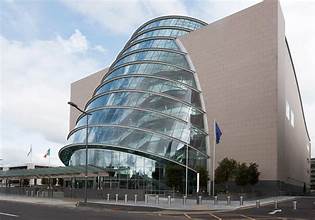
Adjacent to Samuel Beckett Bridge is the Convention Center Dublin.
The Convention Center Dublin was designed by the renowned architect Kevin Roche and developed through a public-private partnership involving Treasury Holdings and the Office of Public Works (OPW). It is recognized as the world's first carbon-neutral convention center, emphasizing environmental sustainability in its design and construction. The center is strategically located overlooking the River Liffey, enhancing its prominence in Dublin's skyline.
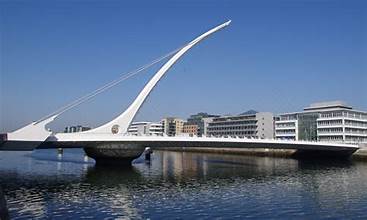
The Samuel Beckett Bridge in Dublin was designed by renowned architect Santiago Calatrava and officially opened in December 2009. The bridge's shape resembles a harp, reflecting Ireland's national symbol.
Custom House
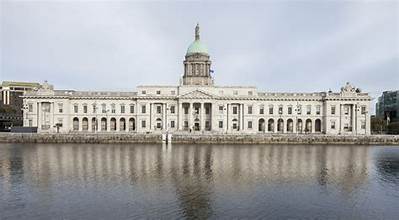
One of Dublin’s most stunning sights, the Custom House is situated in the center of the city. It was built between 1781 and 1791 and is a neoclassical structure representing one of the greatest eras in Dublin.
It was designed in 1791 by English architect James Gandon and stands proudly on the north docks of the River Liffey.
The prior customs house was constructed here in 1707 but was judged to be too small by the end of the 18th century. It houses the Department of Housing, Local Government, and Heritage. It has become a popular tourist attraction.
Dublin Castle
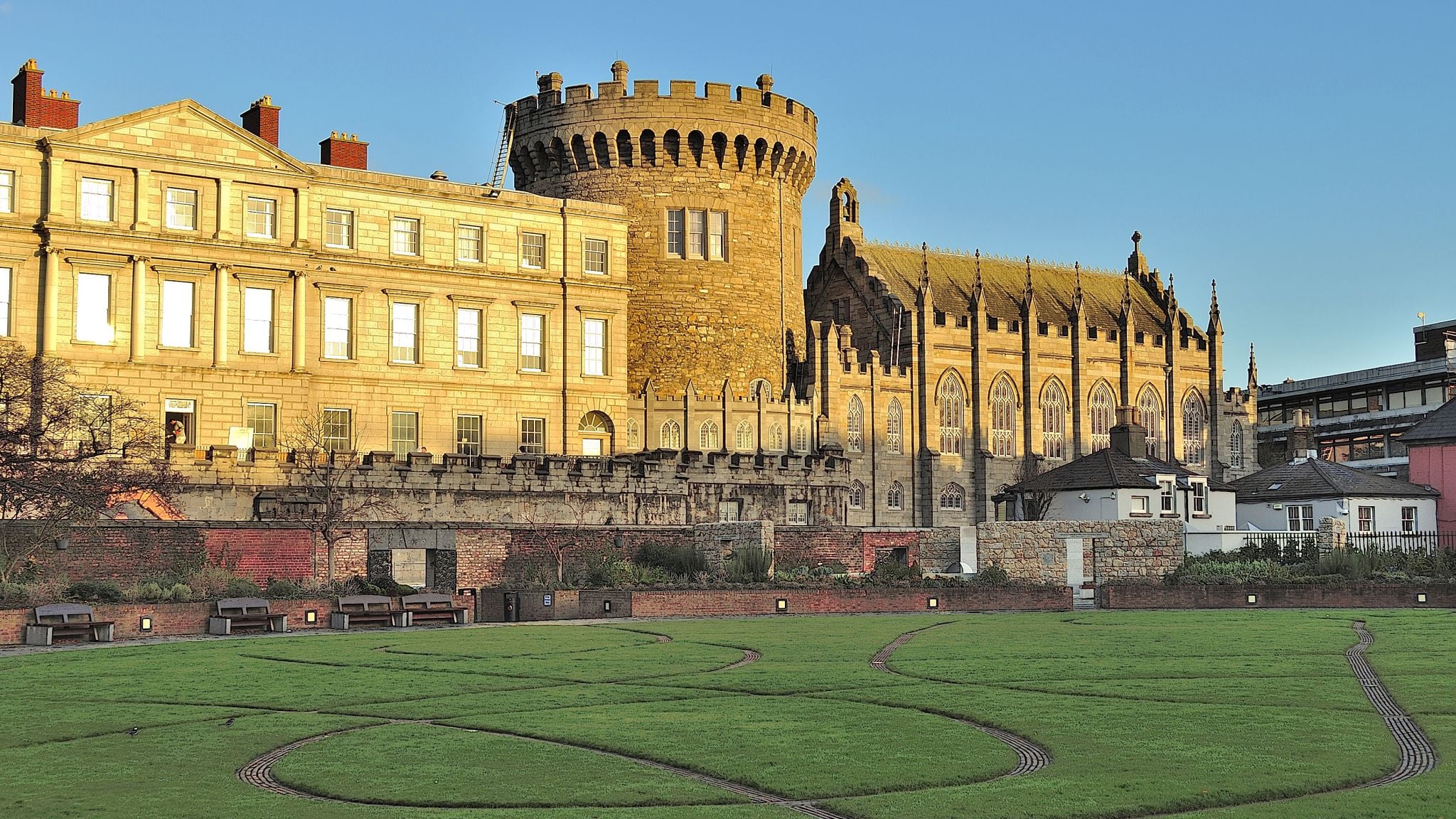
One of Dublin’s oldest structures, Dublin Castle was built as the city’s primary defense by the Normans. This well-known castle was built here because it was the highest point in central Dublin and offered an excellent vantage point.
Dublin Castle was built in 1204 on the orders of King John of England, originally serving as a defensive fortification for the Norman city of Dublin. The castle features four corner towers and high curtain walls.
The majority of the present structures within this ancient Motte-and-Bailey castle date back to the 18th century, despite the fact that it was first constructed in 1204. The location of the so-called “Dark Tidal Pool," the body of water that gave Dublin its name, is another noteworthy aspect of this structure.
Dublin City Hall
A neoclassical building, Dublin City Hall, was constructed during the 18th century. It was completed between 1769 and 1779. The building was designed by English-born Irish architect Thomas Cooley (pictured above)
General Post Office
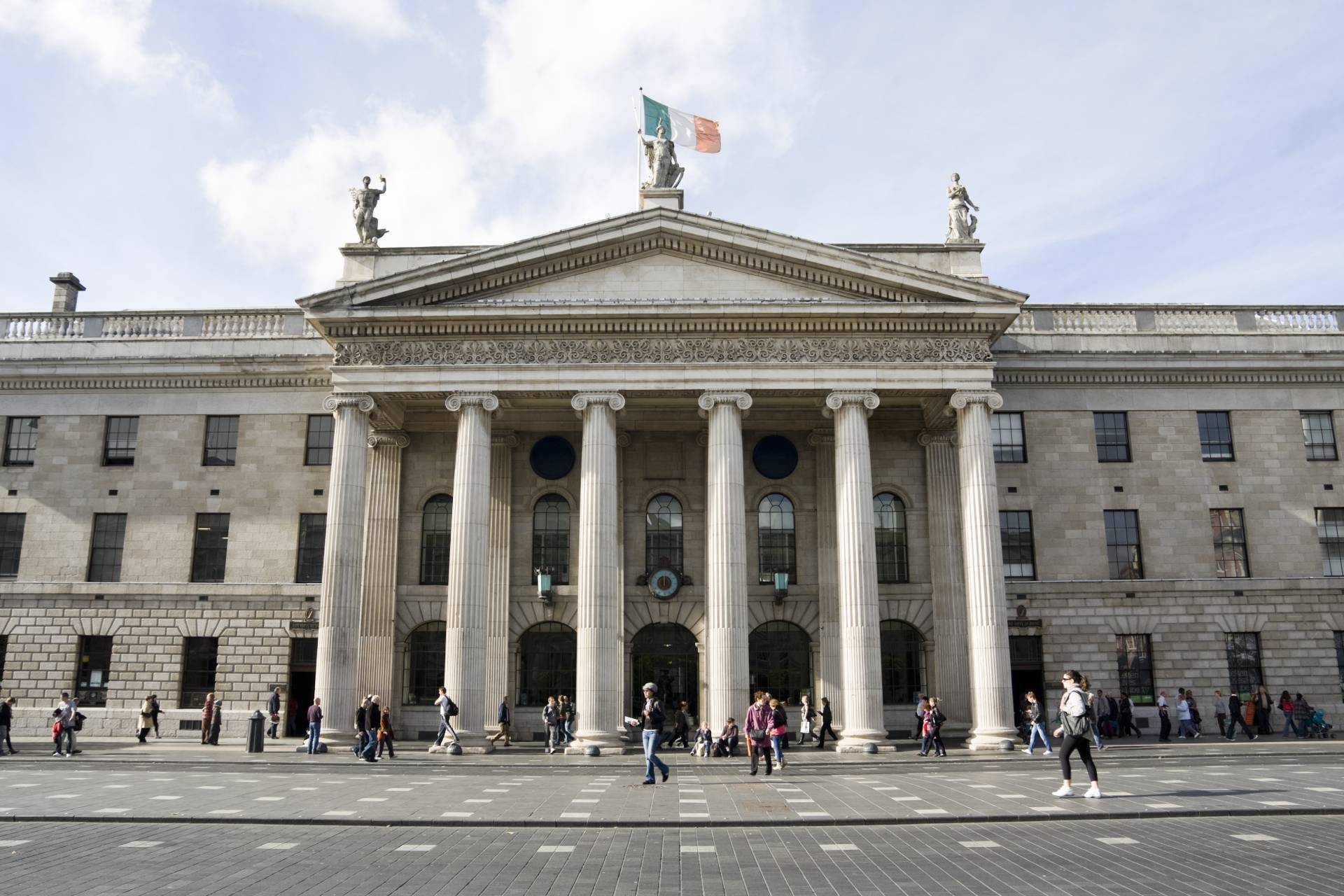
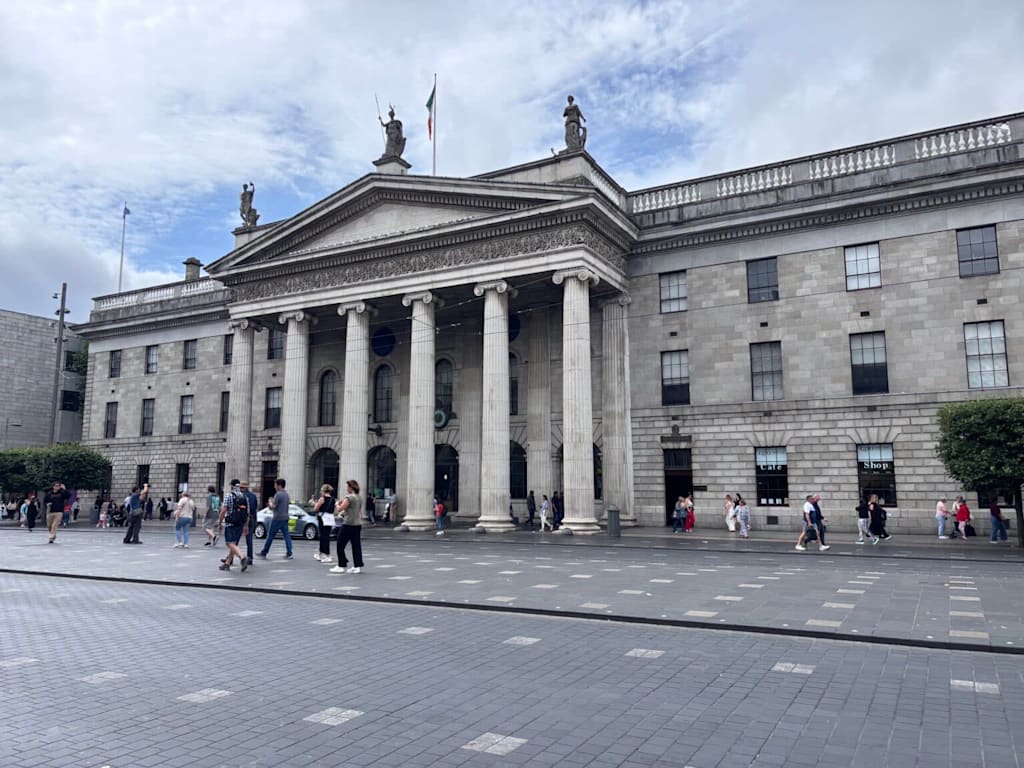
The headquarters of An Post, the Irish postal service, is located in this Dublin building by the name of General Post Office. It is situated in the center of O’Connell Street, the city’s major thoroughfare. The General Post Office was designed by architect Francis Johnston and constructed between 1814 and 1818. It is a prominent example of Greek Revival architecture in Ireland.
In 1916, the leaders of the Easter Rising established their headquarters here. This feature, a portico with six fluted Ionic columns, gives the structure an additional dimension. Inside you can learn about the Easter Rising’s past.
Leinster House
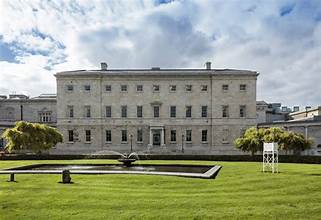
One of Dublin’s most significant buildings from the 18th century is Leinster House. Completed between 1745 and 1748, it now houses the Irish Parliamnet. Before it was converted into the Irish Free State’s parliament building in 1922, the structure was the official residence of the Duke of Leinster.
Leinster House was built by James FitzGerald, the 20th Earl of Kildare, between 1745 and 1748. Originally known as Kildare House, it served as the official residence of the Earl before becoming the seat of the Irish Parliament in 1922.
National Gallery of Ireland
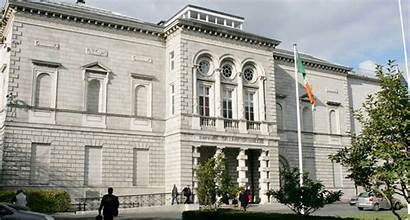
Ireland’s main museum, the National Gallery of Ireland, is home to an amazing collection of artworks. It features European and Irish art, but it’s particularly well-known for Dutch and Italian masterpieces. It was founded in 1854.
The National Gallery of Ireland was built by the renowned engineer William Dargan, who is credited with its founding and construction, which began in the mid-19th century. It showcases a neoclassical architectural style. The gallery officially opened in 1864, showcasing a significant collection of Western European art. It houses over 16,300 artworks, making it a key cultural institution in Ireland.
St. Patrick’s Cathedral
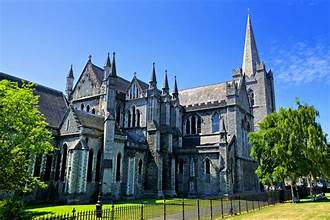
The primary church of the Anglican Communion’s Church of Ireland is St. Patrick’s Cathedral. It is the national church of Ireland. The cathedral has striking Gothic architecture and was established in 1191 as a Catholic cathedral.
Saint Patrick's Cathedral was originally built in 1191 under the direction of Archbishop John Comyn, but the credit for its construction is often attributed to Archbishop Luke, who served from 1219 to 1260.
About the Creator
Rasma Raisters
My passions are writing and creating poetry. I write for several sites online and have four themed blogs on Wordpress. Please follow me on Twitter.
Enjoyed the story? Support the Creator.
Subscribe for free to receive all their stories in your feed. You could also become a paid subscriber, letting them know you appreciate their work.
Comments
There are no comments for this story
Be the first to respond and start the conversation.