
Most Famous Buildings in Copenhagen
Impressive architecture

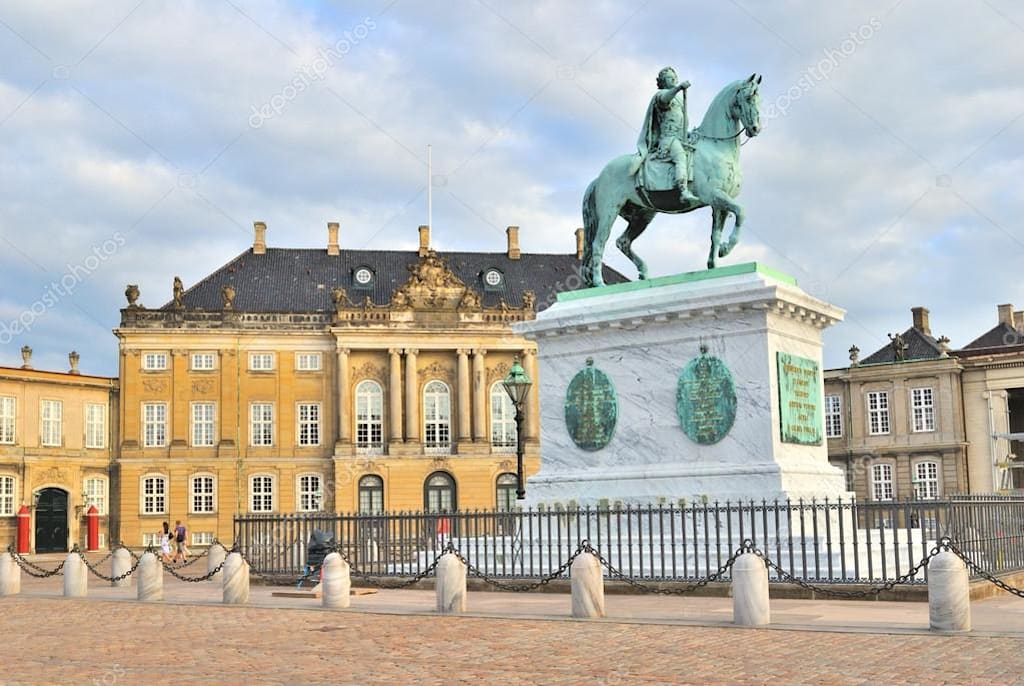
Amalienborg is a building complex that serves as the official residence of the Danish Royal family. The complex includes four similar neoclassical buildings encircling an octagonal square, decorated with an equestrian statue of King Frederick V. He was the founder of Amalienborg, originally built as a home to four noble families, and it became the royal residence in 1794. It was designed by Danish architect Nicolai Eigtved in the mid-18th century.
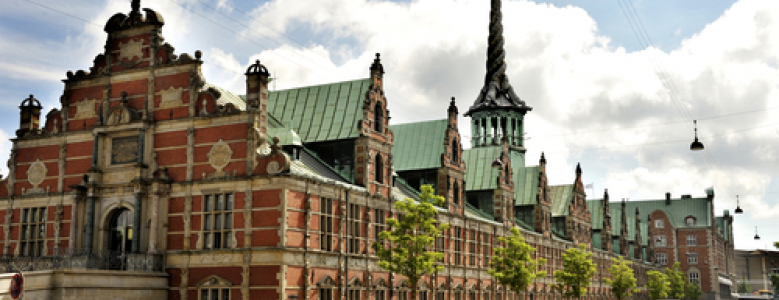
Borsen means “Exchange,” and this structure is also referred to as the “Borsbygningen” or “Exchange Building,” situated on the island of Slotsholmen. Dating from the 17th century, this is the city’s historic stock market, located adjacent to Christiansborg Palace.
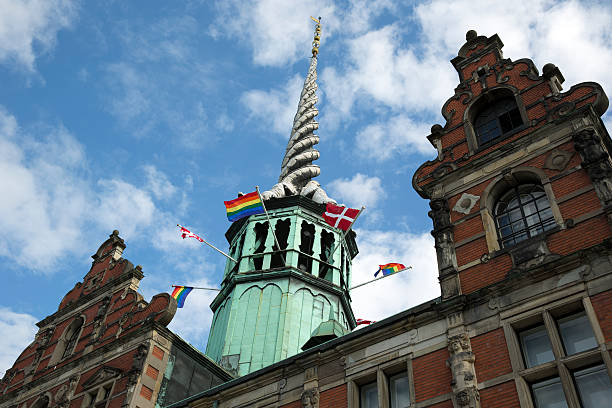
Built between 1619 and 1640 during the reign of Christian IV, this striking building is renowned for its distinctive spire formed by the twisted tails of four dragons. It is a prime example of the Dutch Renaissance style.
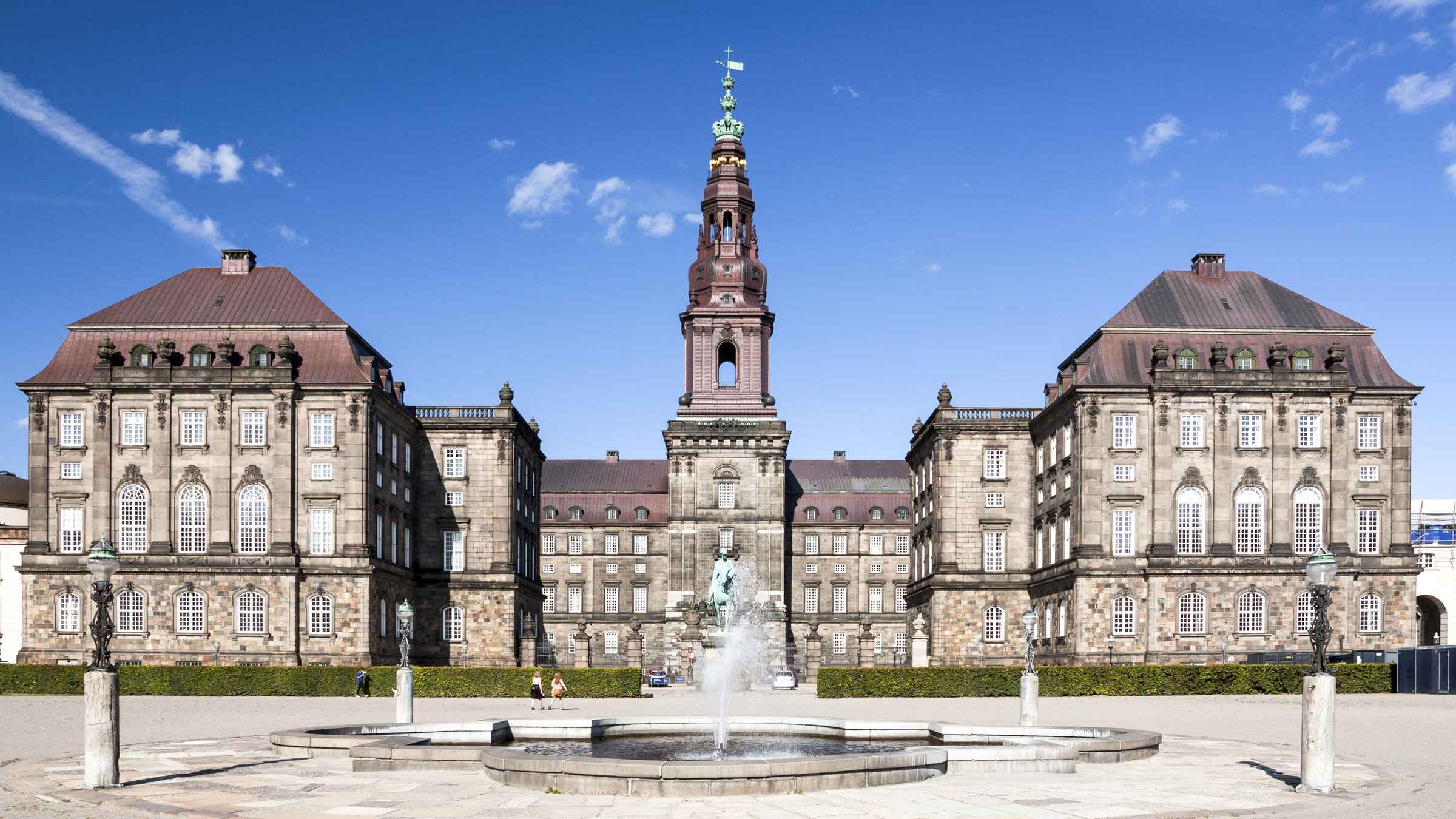
Since it was first built in the 12th century, Christiansborg Palace sits on the islet of Slotshomen and is among the city’s most significant structures. It is a fine example of the neo-Baroque architectural style and was the home of the Danish kings. The Christiansborg Palace was designed by architect Elias David Häusser, who was commissioned by King Christian VI. The construction of the first palace began in 1733 and was completed around 1745.
The Danish Parliament’s seat, the Danish Prime Minister’s Office, and the Supreme Court of Denmark are among the government offices housed in the palace today.
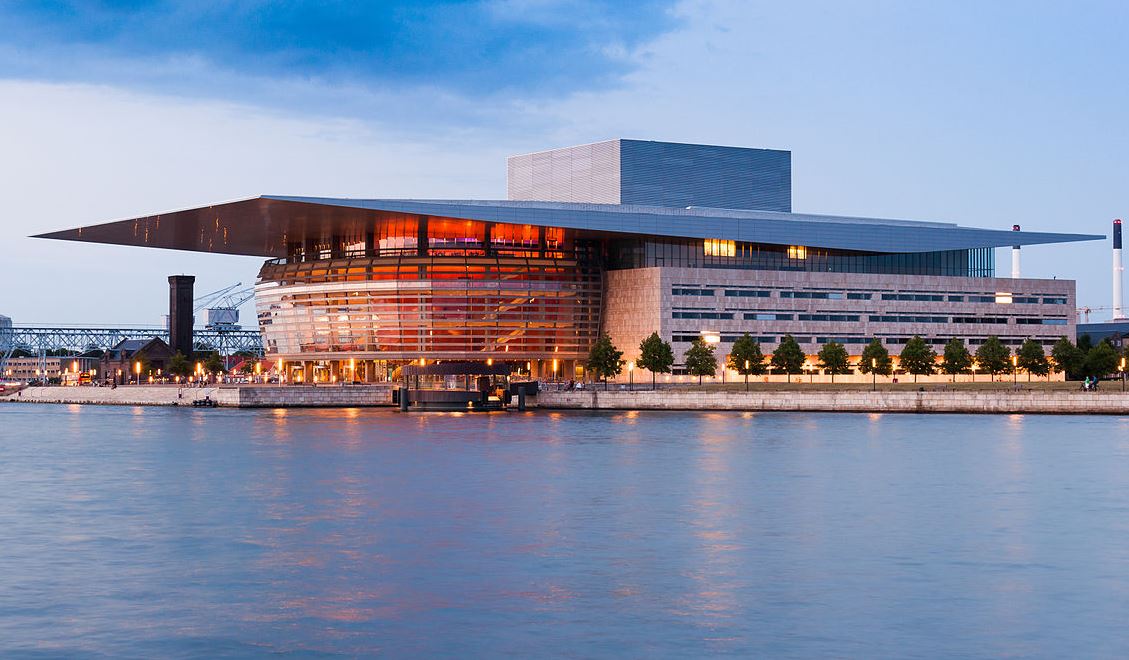
The Copenhagen Opera House is among the most impressive opera houses in the world. It is situated across from Amalienborg in the heart of the city. The opera house was built between 2001 and 2005. IT is an impressive example of neo-Futuristic architecture. It is the main attraction on Holmen Island and serves as the national opera house of Denmark. It was designed by the renowned Danish architect Henning Larsen and has become a prominent feature of Copenhagen's waterfront. The opera house was a gift to the people of Denmark from the A.P. Møller Foundation.
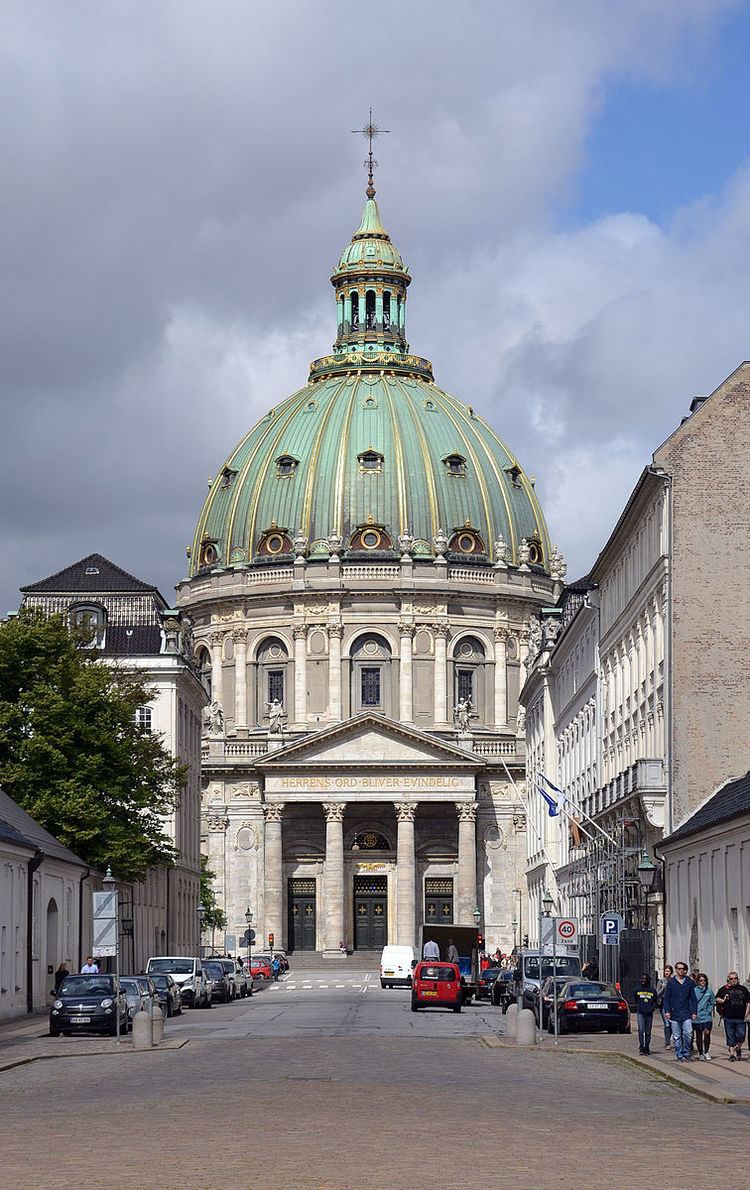
The magnificent dome of Frederik’s Church, the third structure in line with Amalienborg and the Copenhagen Opera, makes it hard to miss. The church is also commonly known as the Marble Church and is an Evangelical Lutheran church. It is distinguished by its neo-Classical architecture. Commissioned by King Frederick V as the centerpiece of the Frederiksstaden district, it was initially designed by court architect Nicolai Eigtved in 1740, with construction commencing after the foundation stone was laid by the king in 1749. Its impressive dome was modeled after the dome of St. Peter’s Basilica in Rome, Italy.
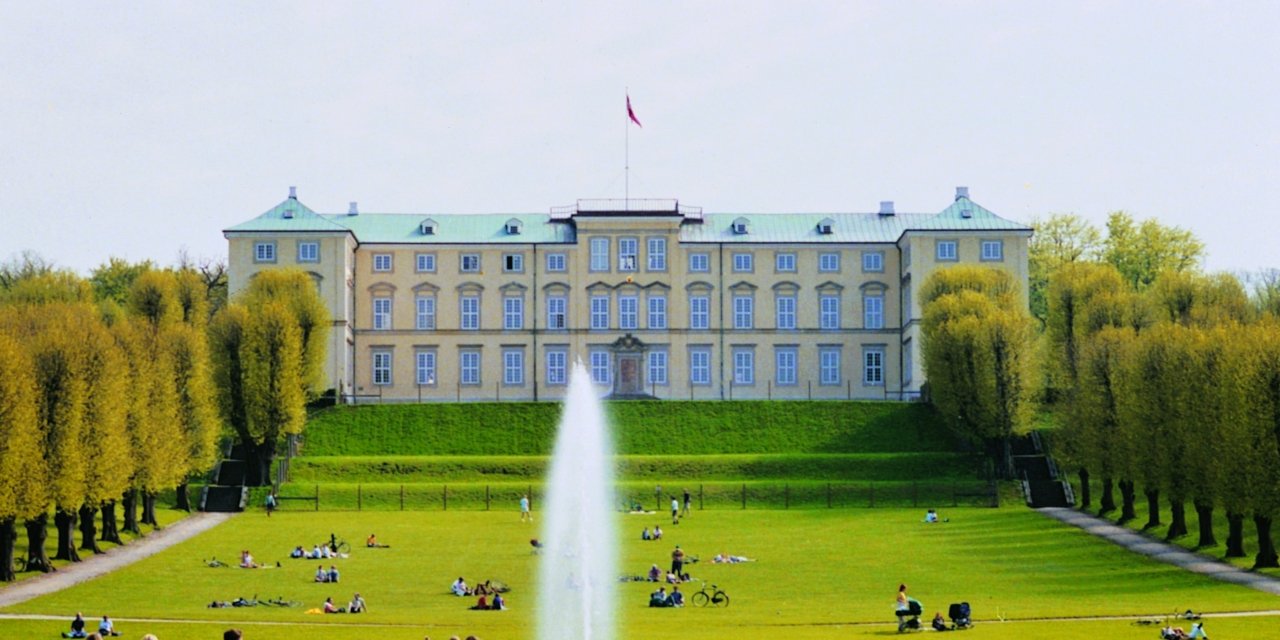
Another lavish Baroque structure is Frederiksberg Palace, which was the summer palace of the Danish monarchs. Since 1869, the Royal Danish Military Academy has been housed here. It was built around 1700 by King Frederik IV, and the design was influenced by Baroque architecture, with contributions from architect H.H. Scheel and garden architect J.C. Krieger. The surrounding Frederiksberg Gardens were designed by J.C. Krieger, emphasizing Baroque aesthetics with symmetrical layouts and water features.
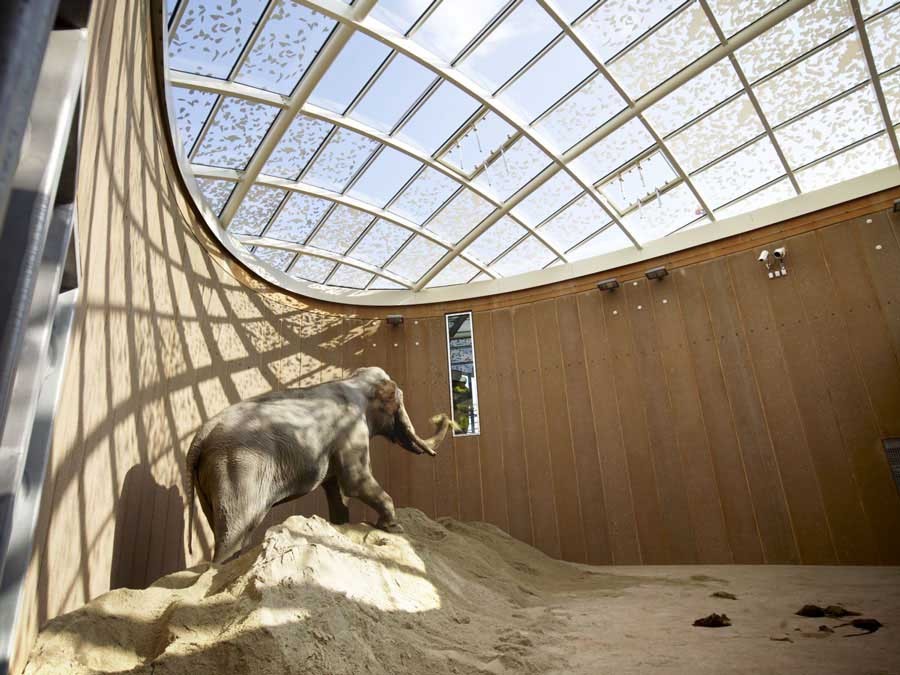
The Copenhagen Zoo is housed in an 18th-century English-style garden. It was founded by ornithologist Niels Kjærbølling in 1859. The zoo has undergone various renovations and expansions since its inception, including notable designs by architects like Sir Norman Foster for the Elephant House.
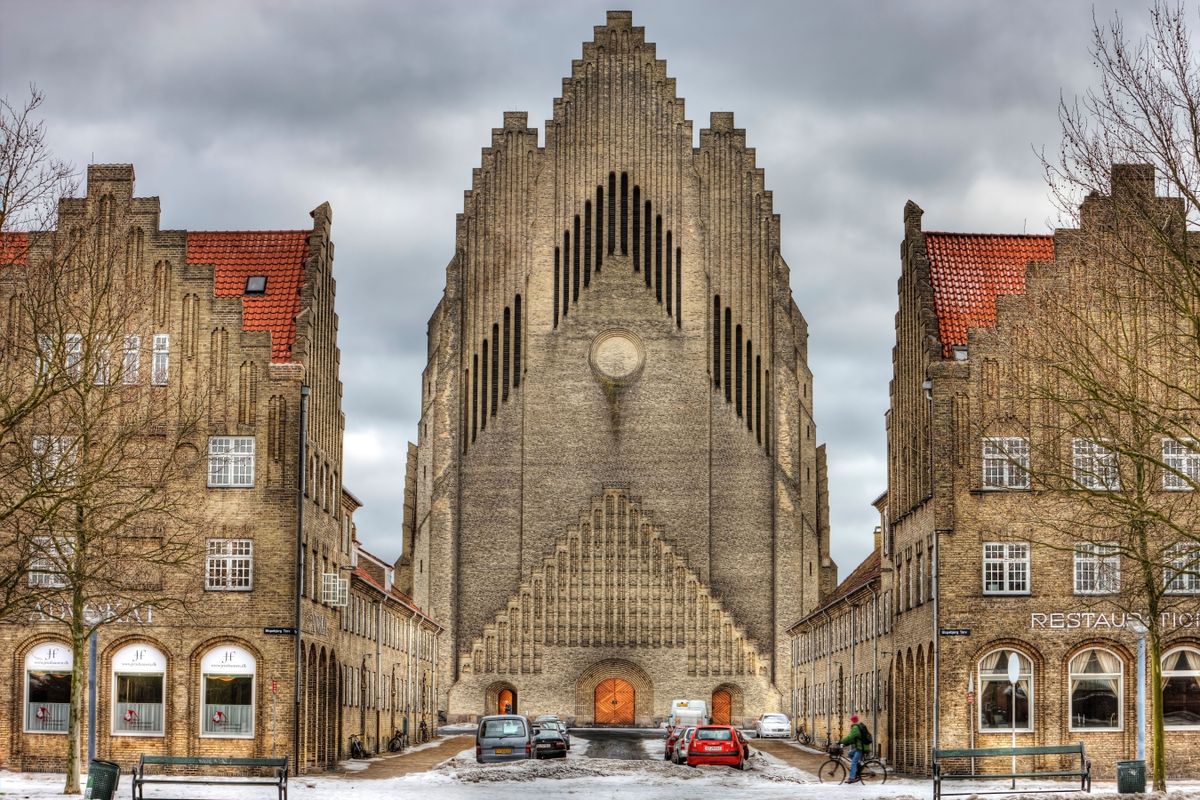
Grundtvig’s Church is one of the most beautiful specimens of Expressionist architecture. The church is situated in the Bispebjerg neighborhood in the northern section. Peder Vilhelm Jensen-Klint updated Danish church architecture with this religious structure by fusing Gothic and Brick Expressionism. The church was intended as a national memorial to theologian, philosopher, historian, and educator N.F.S. Grundtvig, whose impact on Danish culture and education influenced the project’s conceptual framework. It was completed in 1940.
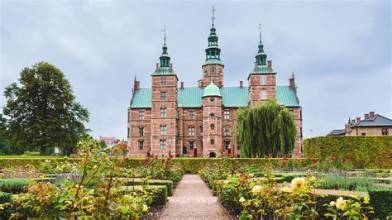
A short distance east of Frederik's Church is Rosenborg Castle, a prime example of Renaissance architecture. It was built in the Dutch Renaissance style, which was prominent in Denmark during the Dutch Golden Age. King Christian IV built it between 1606 and 1633, designed primarily by architects Bertel Lange and Hans van Steenwinckel the Younger, who contributed to its distinctive Dutch Renaissance style. The castle serves as the focal point of the King’s Garden, a public park in the city center.
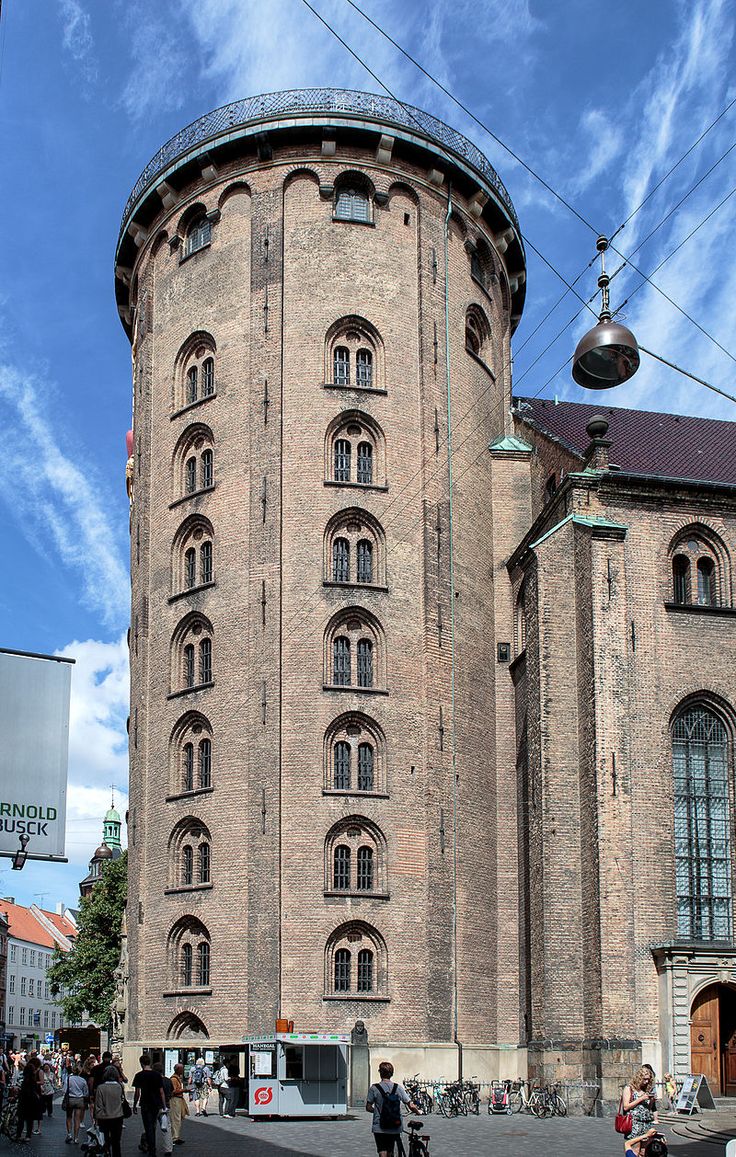
Another well-known project of King Christian IV of Denmark is the Rundetaarn or “Round Tower”. It is an example of the Dutch Baroque style. This popular tower has an equestrian staircase to allow horses to reach the summit and was built as an observation tower and astronomical observatory. It was built by King Christian IV of Denmark between 1637 and 1642. The design is generally attributed to Hans van Steenwinckel the Younger, although he did not live to see its completion. The tower is a venue for concerts and various activities, making it a vibrant part of Copenhagen's cultural scene, and it offers panoramic views of the city.
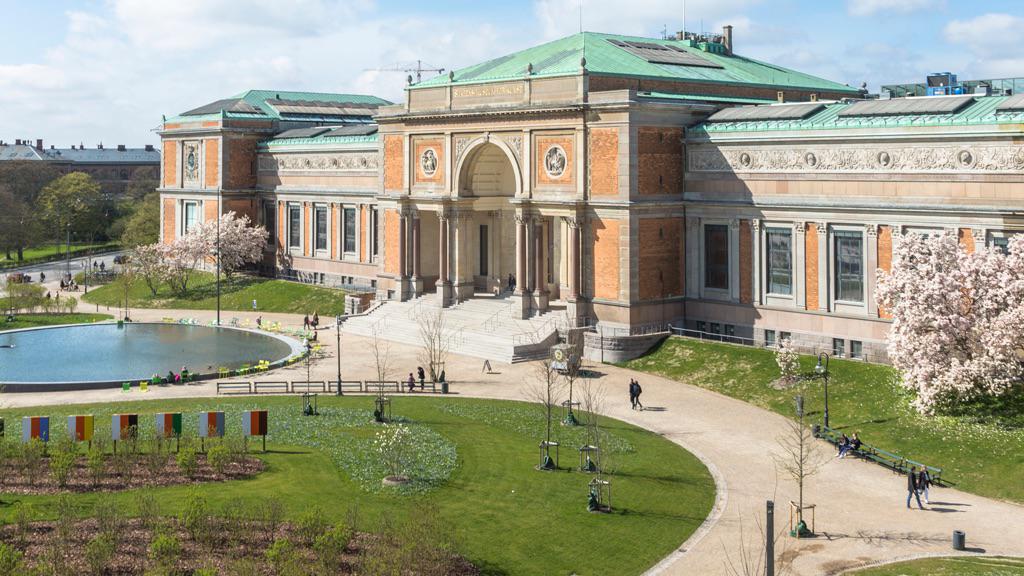
The National Gallery of Denmark is officially known as the Staten Museum for Kunst. The museum was founded in 1896 and is an impressive example of the Renaissance Revival with a contemporary addition built in the late 1990s. It was designed by architects Vilhelm Dahlerup and Georg E.W. Møller, with construction completed in 1896. The museum features a blend of brick and stone, showcasing a historic aesthetic. A major addition was completed in 1998, designed by C.F. Møllers Tegnestue. It is known for its paintings, sculptures, sketches, and other artifacts.
About the Creator
Rasma Raisters
My passions are writing and creating poetry. I write for several sites online and have four themed blogs on Wordpress. Please follow me on Twitter.
Enjoyed the story? Support the Creator.
Subscribe for free to receive all their stories in your feed. You could also become a paid subscriber, letting them know you appreciate their work.
Comments
There are no comments for this story
Be the first to respond and start the conversation.