
Most Famous Buildings in Budapest, Hungary
Impressive architecture

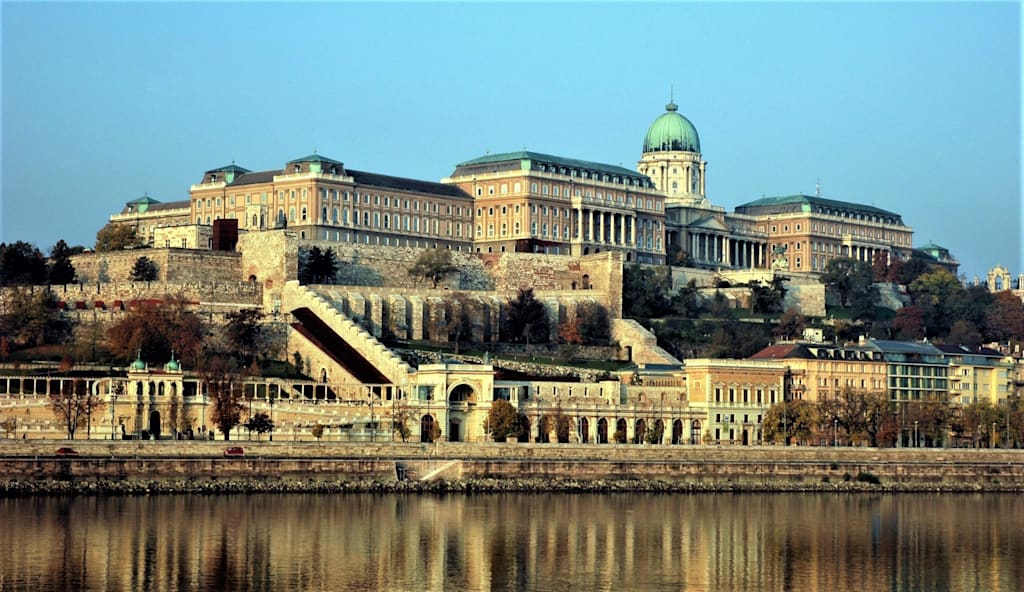
Buda Castle
Buda Castle is one of the most significant historic buildings in the city in addition to being an amazing architecture landmark. The first medieval castle was finished in 1295, but after a protracted siege, it was reduced to ruins by the start of the 18th century. Completed between 1749 and 1769, the massive Baroque structure that took its place is a prime illustration of the city’s affluence at this time. The Hungarian National Museum and the Hungarian National Gallery are currently housed here.
Fishermen’s Bastion
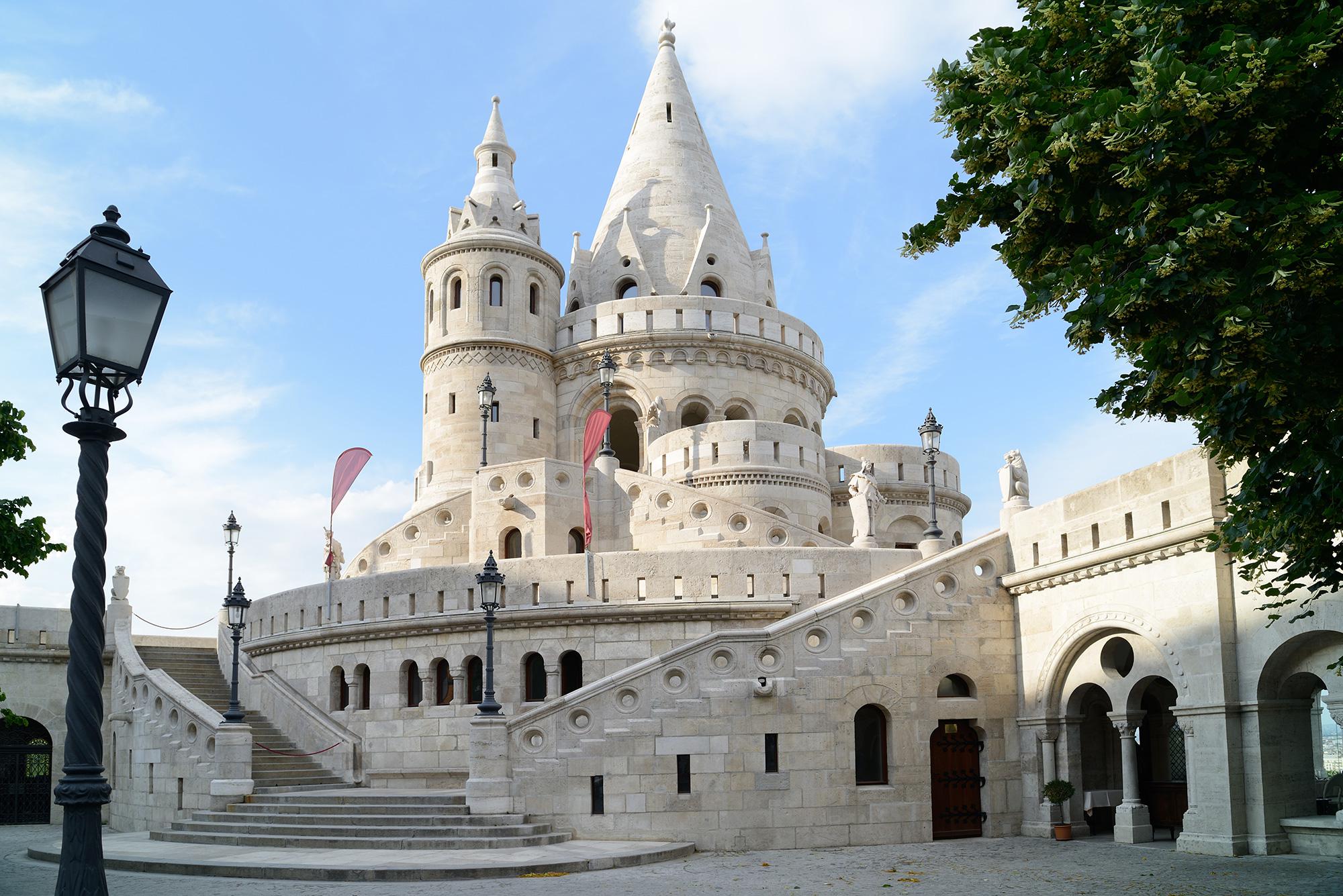
One of the greatest locations to get a broad overview of the city is Fishermen’s Bastion, a Romanesque Revival structure near Buda Castle. Completed between 1844 and 1851, it has been one of Budapest’s most visited tourist destinations ever since. There are seven towers alluding to the seven Magyar chieftains who established Hungary in 895. This intriguing building incorporates parts of the old city wall.
Hungarian Parliament Building
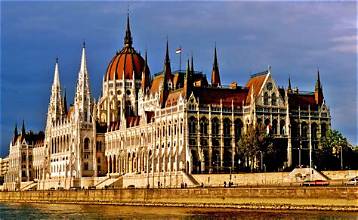
Situated on the eastern bank of the Danube River on the Pest side of the city is the equally spectacular Hungarian Parliament Building. The National Assembly of Hungary has called it home ever since the structure was finished between 1885 and 1904. It combines Baroque and Renaissance architectural features and is among the most beautiful Gothic Revival structures in the world. This building is the largest in Hungary in terms of size.
Hungarian State Opera
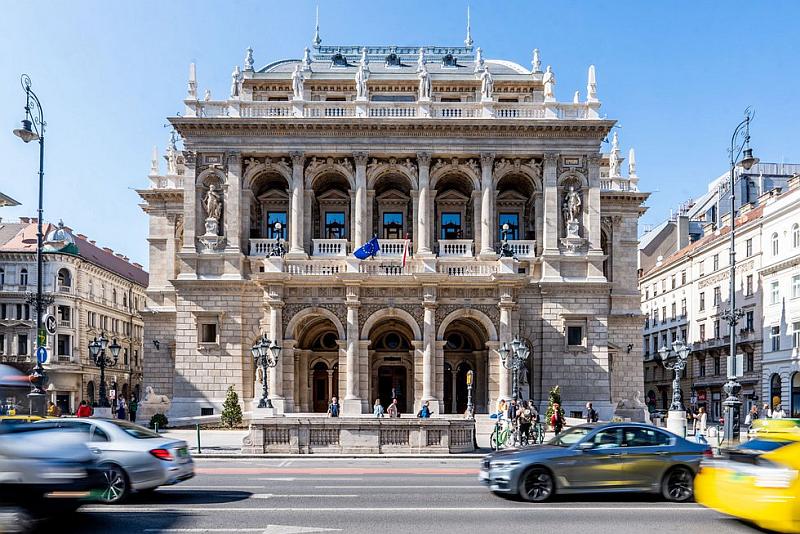
When Budapest was the co-capital of the Austro-Hungarian Empire, the magnificent Hungarian State Opera was built. Emperor Franz Joseph I commissioned it, and the building was finished in the Renaissance Revival architectural style between 1875 and 1884. With only 1,300 seats in the main auditorium, it is by no means the largest opera venue in the world. The opulent Baroque interior decorations and the immaculate acoustics, which are on par with any other major opera house in the world, make up for this.
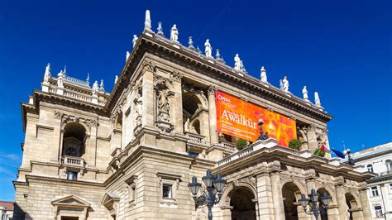
The Hungarian State Opera features statues of renowned composers and musicians, prominently including Beethoven, Mozart, Verdi, and Tchaikovsky. Additionally, statues of Ferenc Liszt and Ferenc Erkel, the latter being the opera house's first director, are located at the main entrance.
MOL Campus
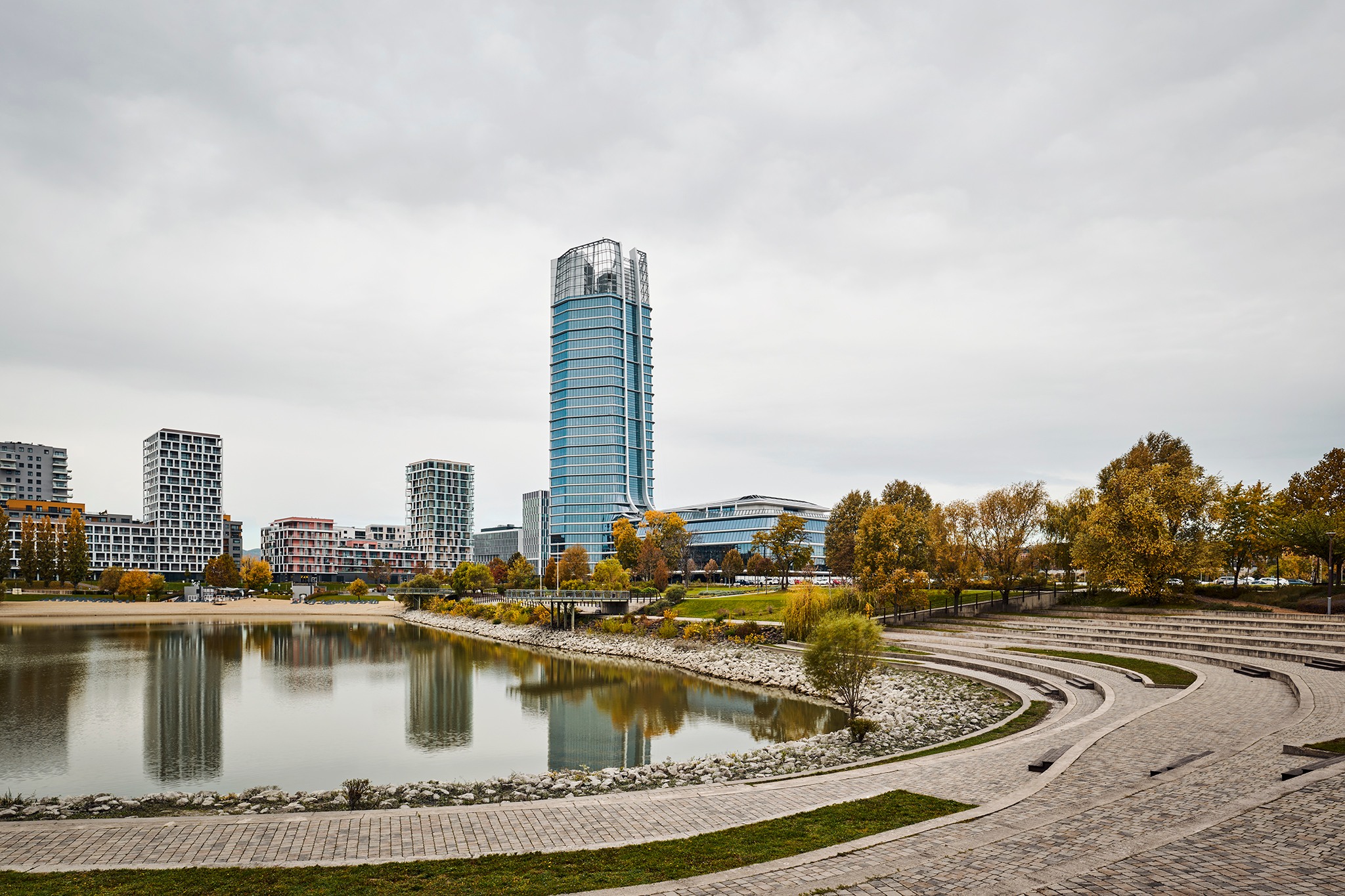
MOL Campus is a skyscraper that was completed in 2022. It was built to house the headquarters of the Hungarian gas and oil firm MOL Group. The British architectural company Foster and Partners created this neomodern structure with thirty floors. As a result, it is the tallest building in both Budapest and all of Hungary.
St. Stephen’s Basilica
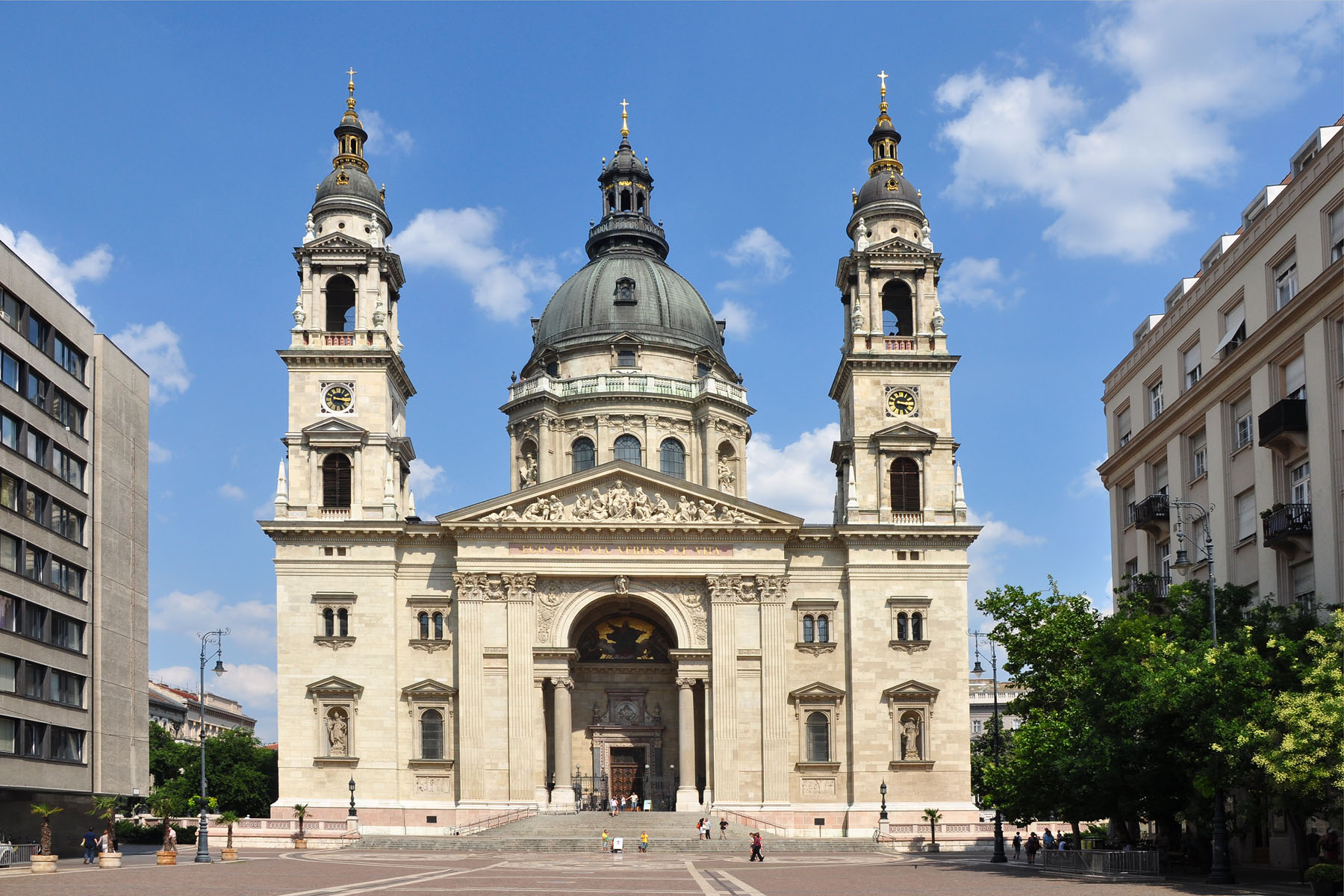
In the center of Budapest stands a sizable church called St. Stephen’s Basilica. It was completed in 1905; this 96-meter towering neoclassical structure dominates the surrounding landscape. Stephen I, the first king of Hungary, is honored by the name. In the 18th century a theater known as the Hetz Theater previously stood there. This was demolished to create this amazing monument in Budapest. The building has the largest bell in Hungary, weighing nine tons, and has a Greek cross-ground layout.
Szecheny Chain Bridge
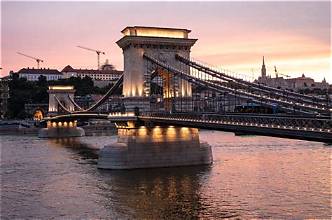
One of the most significant bridges in the city is the old Szecheny Chain Bridge. Additionally, it was Budapest’s first bridge to span the Danube River. This indicates that by uniting Buda, Sbuda, and Pest in 1873, it significantly contributed to the creation of Budapest. Completed in 1849, it links Buda and Pest, the two main areas of the city. The bridge was designed by English engineer William Tierney Clark and its construction was done by Scottish engineer Adam Clark.
Vajdahunyad Castle
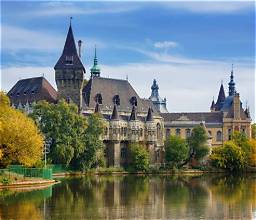
One of the most notable sites in City Park is Vajdahunyad Castle. The castle was built in 1896 and is modeled after the Corvin Castle in Romania. In celebration of Hungary’s 1,000th anniversary, it was built for the Millennial Exhibition. This magnificent castle is one of the few structures that combines numerous architectural styles, among them Romanesque, Gothic, Renaissance, and Baroque. The fact that the castle was constructed of cardboard and wood for the display is equally impressive. Only between 1904 and 1908 did the current brick edifice take its place.
About the Creator
Rasma Raisters
My passions are writing and creating poetry. I write for several sites online and have four themed blogs on Wordpress. Please follow me on Twitter.
Enjoyed the story? Support the Creator.
Subscribe for free to receive all their stories in your feed. You could also become a paid subscriber, letting them know you appreciate their work.
Comments
There are no comments for this story
Be the first to respond and start the conversation.